


Email: info@chinavisafreelayovertour.com
Phone: +86-13683536536
WhatsApp/iMessage: +86-13683536536
WeChat: +86-13683536536

Member
Juyongguan Pass Great Wall Details

Tour Code : C0041
Type : Historic sites
City / Province : Beijing
Built in : Ming dynasty
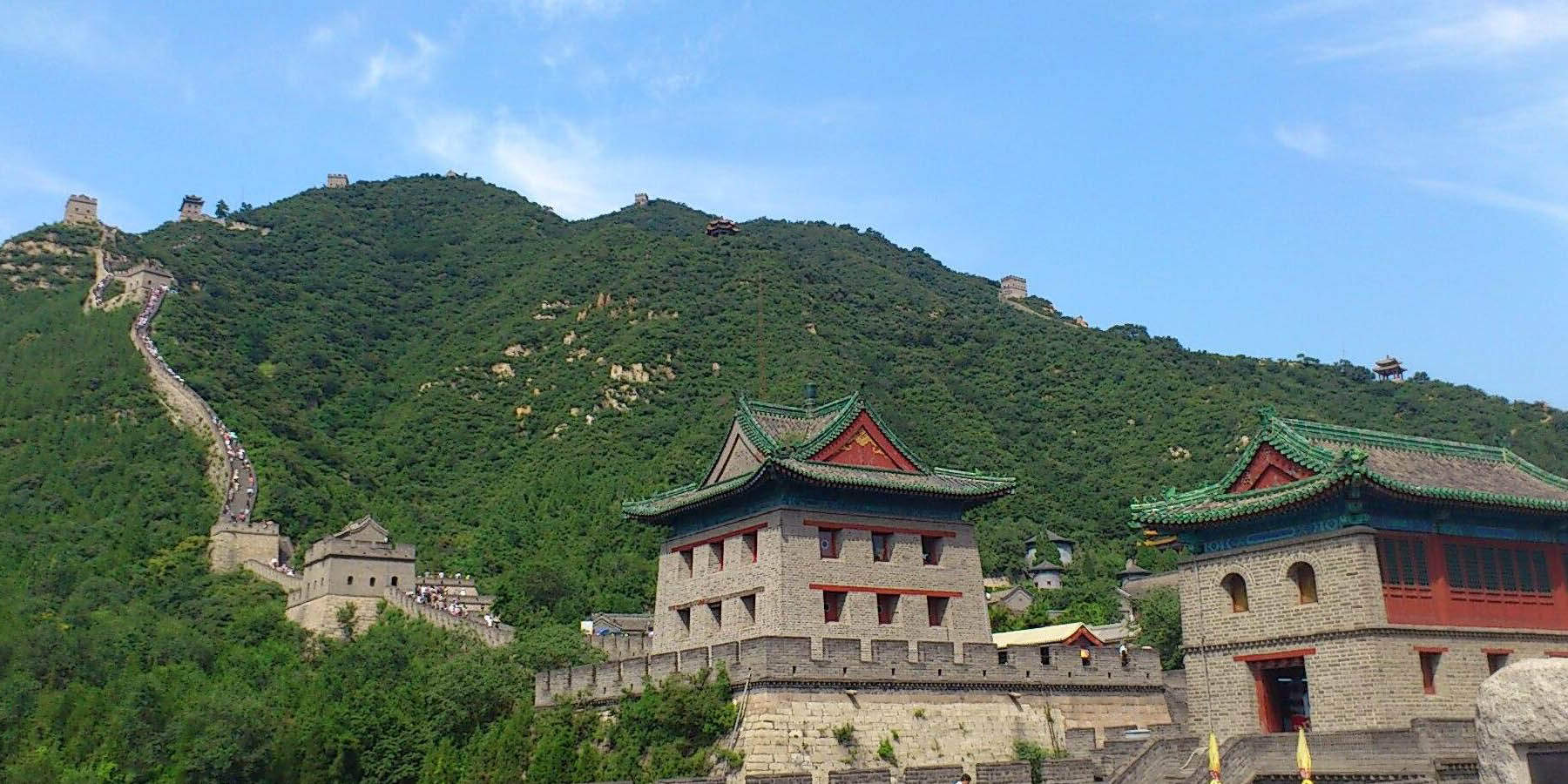
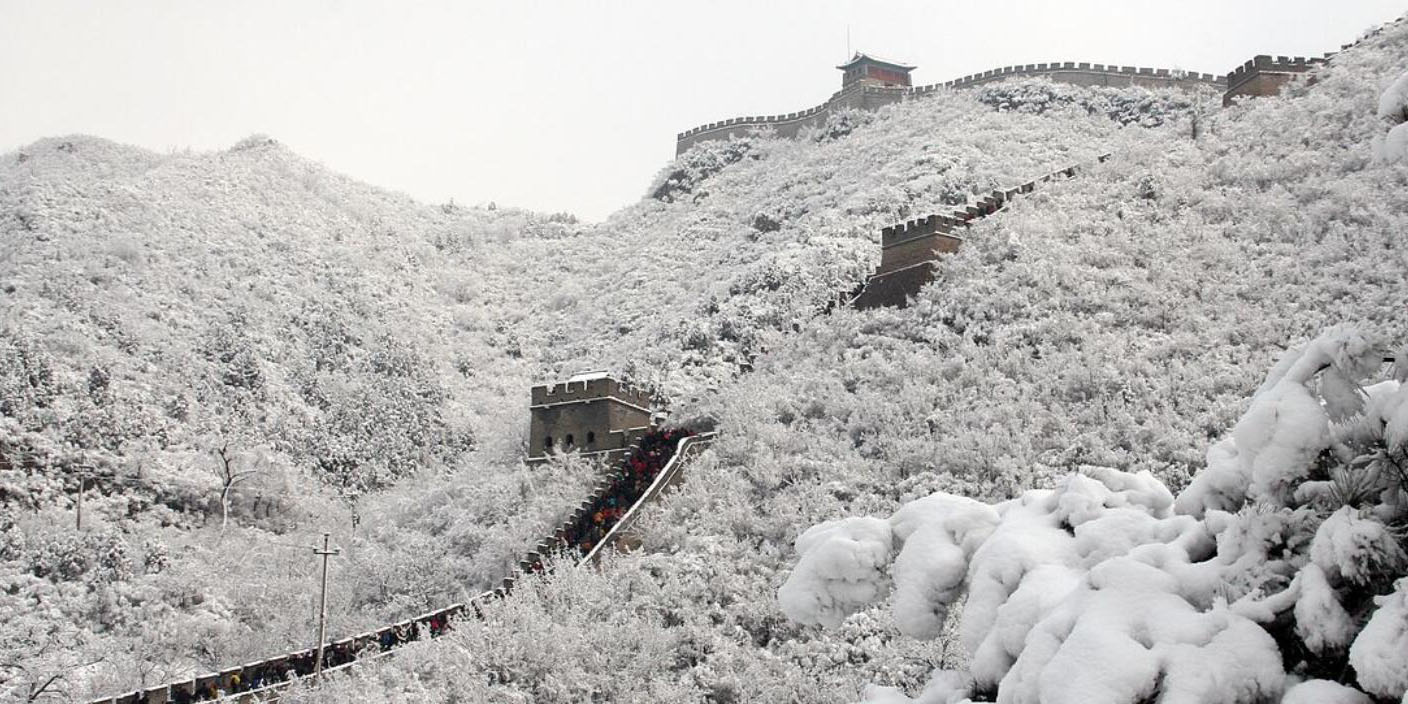
Take a walk on the rugged section of one of three other renowned passes of the Great Wall at Juyongguan. Be in sync with the most important forts and discover why it was named an auspicious scenic area 800 years ago amongst eight other sceneries. Hike on steep steps of the pass and be a real man having climbed the Great Wall.
Juyongguan Pass Great Wall
Juyongguan Great Wall
Introduction
Located 60 km from downtown Beijing, the name Juyongguan in Chinese “guan" means mountain pass, so the Juyongguan Section is a part lying through mountains as a wall to prevent intruders. The name of the Great Wall here is very symbolic where Ju means dwell and yong means common because the wall was at some point built by ordinary people. Juyongguan Great Wall is a national cultural protection unit that was enlisted in the World Heritage Directory in 1987. Together with Jiayuguan and Shanhaiguan passes they are among the most famous passes along the Great Wall of China. The pass encircled a valley that was the northern direct access to Beijing in ancient times.
The Pass was constructed in the Ming Dynasty during the reign of Emperor Zhu Yuanzhang between 1368 and 1644 in a strategic valley that allowed direct access to Beijing. Emperor Zhu Yuanzhang was the first emperor of the Ming Empire and his main aim was to block off attacks from Mongolians who wanted to recapture his empire. The Yan Kingdom started setting up fortifications during the Spring and Autumn Period (770–476 BC) and also during the Warring States Period (476–221 BC). Initially before the Ming Dynasty, the Yuan Dynasty constructed three towers also known as stupas on the Cloud Platform that were later pulled down by an earthquake at the end of their empire but it still remained. The walls present at the wall now were built in the 1990s and the early 21st century.
The pass kind of takes the shape of a circle and it is 4,142 meters long with its widest point of being 16.7 meters and the narrowest measuring only 1.2 meters. The walls two of the mountains where the pass lies look like giant arms cradling the buildings of the valley. Significant battles were fought on this section against the Japanese, Jurchens and Mongols, and then later against the Japanese.
Things to see and do on a visit
Cloud Platform
This Cloud Platform is located right at the center of the Juyongguan pass and it is known as the Cloud Platform gate or Crossing Street Tower. The platform stands at 9.5 meters high and was constructed during the Yuan Dynasty in 1342 and was made from marble and consists of stone balustrades around the top of the platform, a watch post and an arched portal in the middle of the platform through which people could pass and is decorated with carvings of people and animals.
Initially, there used to be three pagodas on the top of this platform but they were destroyed during the early Ming Dynasty and later during the Ming Dynasty a Buddhist Taian Temple was erected here. Although the temple was also destroyed during the Qing Dynasty, carvings of Buddhist figures and texts on the platform can be seen to date.
The Watchtowers
This section of the Great Wall has very high watchtowers that were once used as military lookouts but are currently the best spots to take in picturesque views of the whole landscape. Beacon Tower number 13 is the highest point of the pass where visitors can get a bird’s eye view of the pass.
The Water Pass
The water pass at the Juyongguan Pass is a natural defense system that was very useful to the military hence giving it the name “Water Pass.” This v-shaped water pass is situated to the west part of the Juyongguan Pass and can also be seen from the wall’s watchtowers. The water pass is located in a valley where a river once flowed to the bottom of the pass to where the Arrow Tower is located.
Great Wall Layover Tour from Beijing Airport
Beijing Airport Layover Tour
Top Attractions of Beijing Layover Tour
Great Wall Layover Group Tour
>>Great Wall Sunrise and Sunset Layover Tour
>>Mutianyu Great Wall Layover Tour
>>Simatai Great Wall Layover Tour
>>Badaling Great Wall Layover Tour
>>Huanghuacheng Great Wall Layover Tour
>>Juyongguan Great Wall Layover Tour
>>Jinshanling Great Wall Layover Tour

Got Question & Quick Answer


©2013- www.chinavisafreelayovertour.com

Introduction

Recommend Tour

FAQ
 Home
Home




Entertainment :
Cultural Value :
Environmental Quality :