


Email: info@chinavisafreelayovertour.com
Phone: +86-13683536536
WhatsApp/iMessage: +86-13683536536
WeChat: +86-13683536536

Member
Lama Temple Details

Tour Code : C0011
Type : Historic sites
City / Province : Beijing
Built in : Qing Dynasty
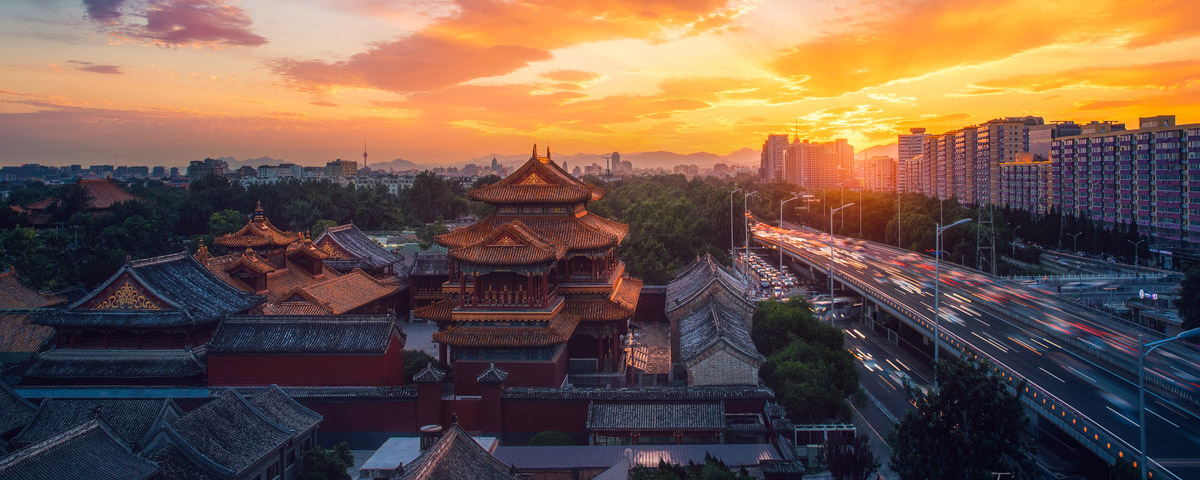
The most renowned Tibetan Buddhist temple outside Tibet that has the best preserved and elaborate ancient architecture with the most vivid history. It is home to three Guinness World Record masterpieces in addition to the largest sandalwood carved Buddha in the whole world.
Lama Temple
Introduction
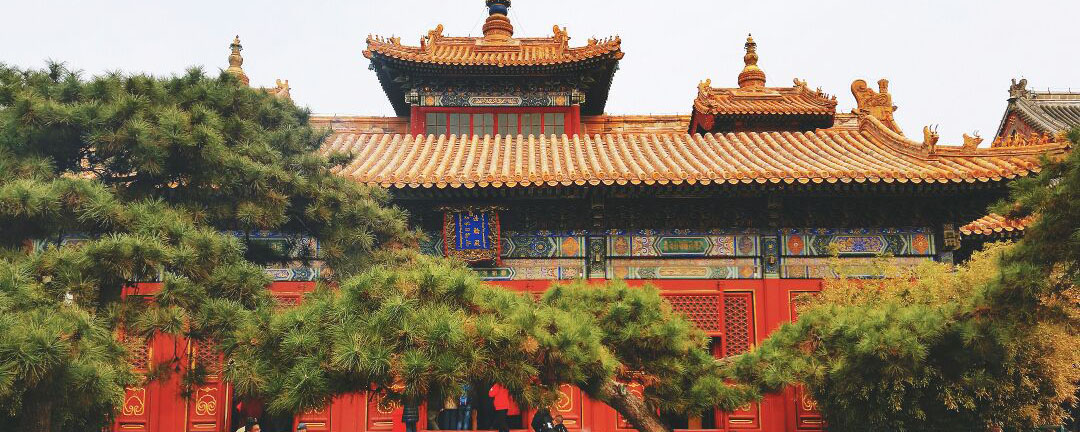
The Yonghe Temple, also known as the Yonghe Lamasery, Harmony and Peace Palace Lamasery or Yonghe Lama Temple, is situated at the northeast side of Beijing City at No. 12 avenue Temple of Harmony and is considered the largest and most vividly preserved lamasery in present day China. First built in 1694 by Emperor Kangxi for his son, Prince Yin Zhen during the Qing Dynasty when he was a prince but later changed to a lamasery in 1744 after Emperor Qianlong took on power and offered the residence to Tibetan monks. In 1949 it was declared a national monument because of its historical and cultural significance. It covers 16 acres and is considered as a mini palace with yellow glazed tiles on the roof and red walls circling the collection of buildings.
The Lama Temple is a glittering Buddhist dwelling where Tibetan prayer wheels, striking decorative arches, eye catching statues and the most magnificent arches blend in harmony. There are also three Guinness World Record items in the temple: bronze Buddha, the largest wooden Buddha and a 500 Arhat Hill. Following ancient architecture designs elements of the temple are placed symmetrically where main halls are on a north to south axis with wing halls on both sides. There are courtyards in the south and five other main halls in the courtyards on the northern side. The temple basically combines different architectural styles ranging from the Tibetan , Mongolian, Han and Manchu.
Things to see and do on a visit
Hall of the Heavenly Kings
The Hall of the Heavenly Kings is basically an entrance to four other halls and is named so because four heavenly kings were enshrined in the hall. There is a religious atmosphere in the hall and in the center is a Maitreya statue sitting with his legs crossed wearing a simple smile while the corners are full of hanged Sanskrit bells and mantras.
Hall of Harmony and Peace
This hall is located right outside the Hall of the Heavenly Kings is the Hall of Harmony and Peace with four wing halls. It was where Prince Yong met officials and shows that the Buddha is everywhere and everlasting. The Hall of Harmony and Peace contains bronze statues of the Gautama Buddha (the historical Buddha) at the centre, Maitreya Buddha (Buddha of the Future) on the left and Kasyapa Matanga (Buddha of the Past) on the right. There is also a copper cooking vessel in the courtyard made in 1747 and is reputed as one of the three rarest objects in Beijing city. The four wing halls are flanked with 18 Arhats (enlightened ones) where lamas study Esoteric Buddhism, Exoteric Buddhism, astronomy, Tibetan medicine and geography.
Hall of Everlasting Blessings
This Hall of Everlasting Blessings was the residence of Emperor Yongzhen at the time when he was a prince. Housed in the hall are the Lion Buddha, The Amitabha (Infinite Life Buddha) and the Medicine Buddha. In addition there are two pieces hanged on the wall with the Green Tara made from over 4,000 pieces of silk in different colors and shapes and a White Tara.
Hall of the Dharma Wheel
The Hall of the Dharma Wheel is the fourth hall from the main entrance and is where Buddhists hold ceremonies and read scriptures. The hall is a perfect blend of Tibetan and Han culture housing the 6.1 meter high statue of the founder of the Geluk school of Tibetan; Tsong Khapa. The statue was built in 1924 and took a total of two years to be completed. Behind the statue, there is an exquisite woodcarving which is one of the three greatest woodcarvings in the Lama Temple in the shape of a hill and has 449 statues of Arhats. It is 5 meters high, 3.5 meters long and 0.3 meters thick. The whole mountain body is carved from rosewood.
Pavilion of Infinite Happiness
This is the last main hall and it is the highest hall on the Lama temple. It is 25 meters high in a three-storey structure, accompanied by two smaller pavilions connected overhead, Yongkang Pavilion and Yansui Pavilion . Inside the main hall, is a gift from the 7th Dalai Lama which is a huge statue of Maitreya standing upright that was given to Emperor Qianlong, the son of Emperor Yongzheng. The entire statue is carved from a rare sandal tree 85 feet high and 26 feet wide with 26 feet of it buried under the ground. The other carving is situated at Zhaofo Building in front of Wanfuge Pavilion which is a Buddha niche made of a valuable Chinese wood, Nanmu carved with 99 lifelike dragons in a unique setting.
Buddhist activities
Spring Festival Ceremony Dharma Assembly
The beginning of the New Year is on the first day of the first month of the Chinese lunar calendar. During the Qing Dynasty, Lama Temple would send 36 monks to chant sutras at Zhongzheng Hall in the Forbidden City. Nowadays, at two in the morning monks get to the main hall to recite the Palden Lhamo Sutra and Yamantaka Sutra until dawn to pray for peace and bumper harvests. Nowadays, on this day each year locals burn incense, pray, pay respect to the Buddha and read scriptures.
Great Wish Invocation Dharma Assembly
This festival spread to Beijing towards the end of Emperor Kangxi’s reign from Jokhang Temple in Lhasa in memory of Sakyamuni and was supported by the Qing government. It is an important festival of the Geluk sect and is held every year to become a common practice from the 23rd day of the first lunar month to the first day of the second lunar month (from mid-February to mid-March). On the 29th day of the lunar month and the last day of the festival, there are religious dances believed to drive out evil spirits.
Recommend Tour
3 Days Classic Beijing Layover Tour
72hours
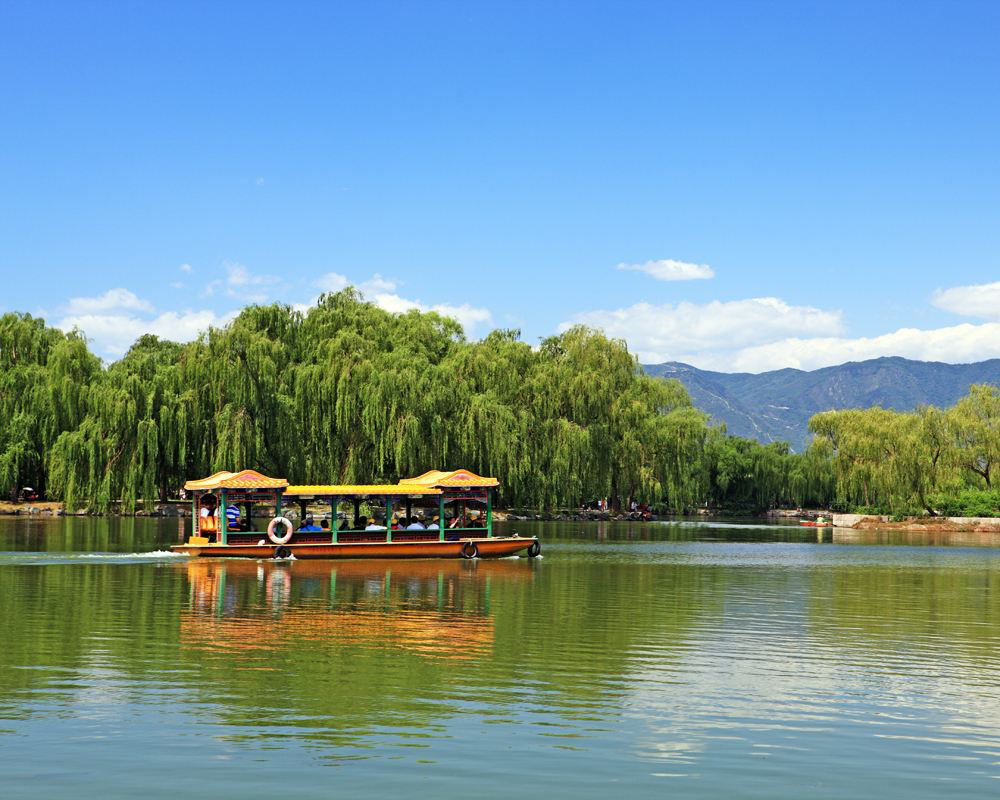
Beijing has become one of the most preferred layover destinations with an abundance of sightseeing opportunities and activities to partake. Let us show you the crème-de-la-crème at the magnificent Temple of Heaven, the awe-inspiring Forbidden City, the classy Summer Palace, the world wonder at the Great Wall of Mutianyu, the Beijing Zoo amongst other hot spots ready to create an unforgettable experience.

144 Hours Visa Free Beijing Layover Tour
144hours
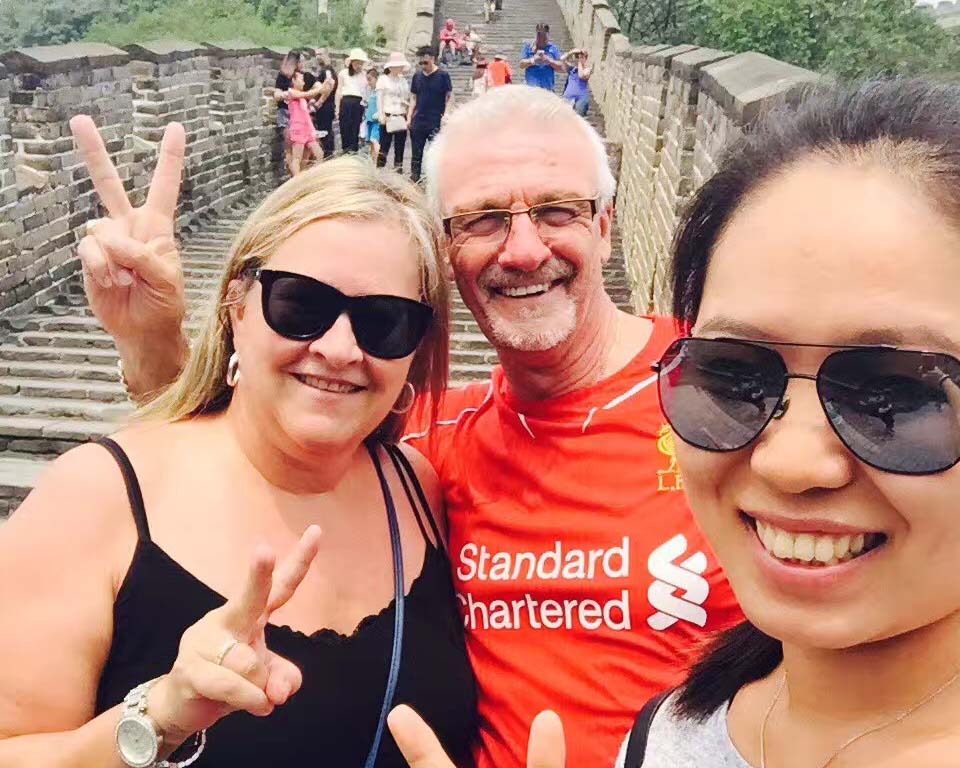
From royal architecture, Forbidden City, Temple of Heaven and Summer Palace, to one of seven world's wonder Great Wall to immerse in the splendid Chinese history, experience locals culture at Hutongs and Nanluoguxiang, take a deeper dive into a wonderful night show.
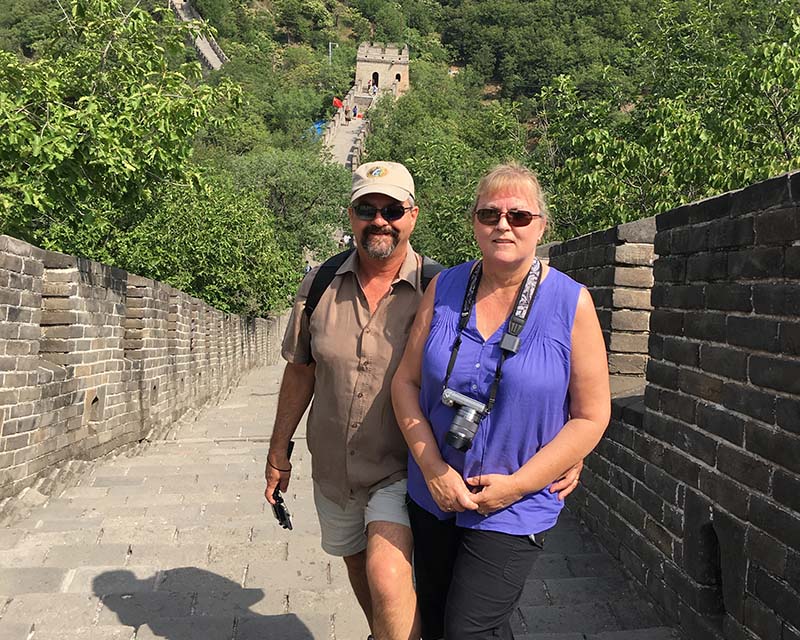
4 Days Beijing Stopover Tour with Airport Transfer
96hours
It goes without saying that postcards do not beat seeing Beijing city in person. Capture the many contrasts of this incredible city with our layover tours and hop on for panoramic views of sites like the Great Wall, Forbidden City and Temple of Heaven. Be part of bright lights and the bustle of downtown visiting the Olympic Park, Jingshan Park. Relax exploring peaceful locations such as the Lama Temple, Hutong and Panda Zoo.
Great Wall Layover Tour from Beijing Airport
Beijing Airport Layover Tour
Top Attractions of Beijing Layover Tour
Great Wall Layover Group Tour
>>Great Wall Sunrise and Sunset Layover Tour
>>Mutianyu Great Wall Layover Tour
>>Simatai Great Wall Layover Tour
>>Badaling Great Wall Layover Tour
>>Huanghuacheng Great Wall Layover Tour
>>Juyongguan Great Wall Layover Tour
>>Jinshanling Great Wall Layover Tour

Got Question & Quick Answer


©2013- www.chinavisafreelayovertour.com

Introduction

Recommend Tour

FAQ
 Home
Home


Entertainment :
Cultural Value :
Environmental Quality :