


Email: info@chinavisafreelayovertour.com
Phone: +86-13683536536
WhatsApp/iMessage: +86-13683536536
WeChat: +86-13683536536

Member
Ming Tombs(Dingling) Details

Tour Code : C0046
Type : Historic sites
City / Province : Beijing
Built in : Ming Dynasty
The final resting grounds of emperor Wanli of the Ming dynasty is the only fully excavated tombs among other 13 Ming Tombs, hence the tombs bear undeniable historical and cultural value and attract millions of visitors every year.
Ming Tombs(Dingling)
Dingling Tomb
Introduction
The Dingling Tomb is the final resting place of Emperor Zhu Yijun of the Ming Dynasty and his two empresses: Empress Xiaoduan and Xiaojing. The tombs are situated in the southern foot of Heavenly Longevity Hill in Changping County of Beijing. Zhu Yigun was the longest serving emperor who ruled for 48 years and was the 13th emperor of the Ming Dynasty. The tomb was constructed from 1584 to 1590 during the reign of Emperor Yigun occupying 44 acres of land. In 1620 is when the Emperor Wanli and his empresses were buried on the grounds.
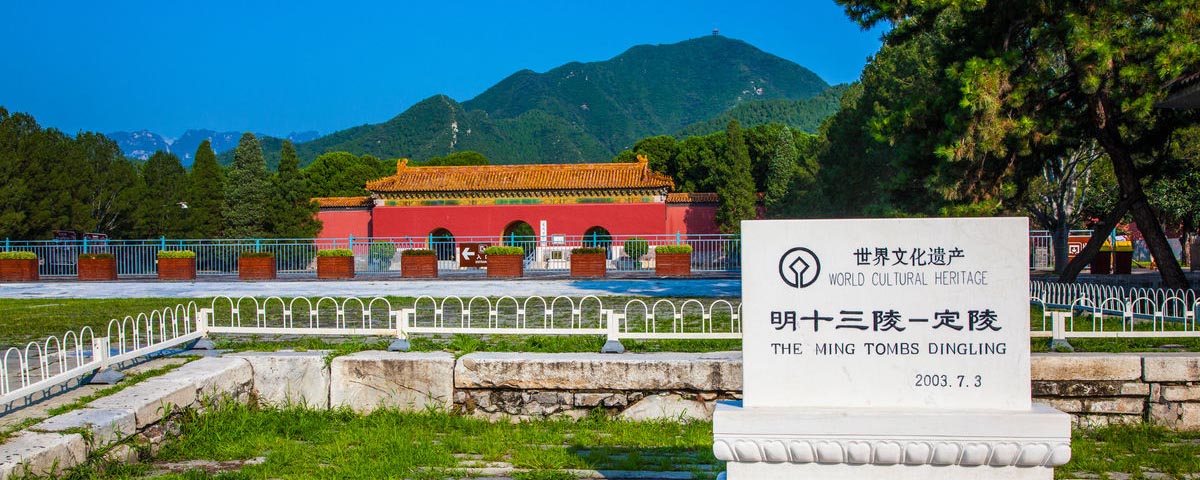
The tomb was UNESCO listed as a World Cultural Heritages showing the impressive natural landscape and historical significance and is now a museum featuring two exhibition rooms and the Underground Palace.
Things to do and see on a visit
The Outer Tomb
The aboveground part of the Dingling Tomb is set up with a square front and circular rear layout symbolizing the ancient Chinese philosophical concept of heaven being round and the earth being square in shape. To head to the entrance, a walk over three bridges carved from white marble leads on to an impressive high tablet pavilion near the entrance of the tomb.
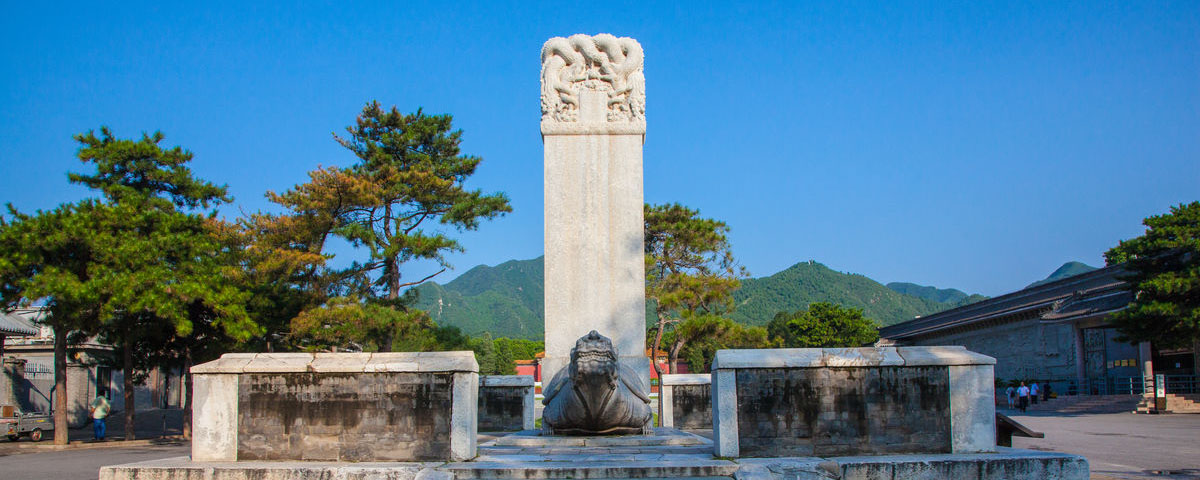
Outside the tomb there is a clear display of articulate works of art. For instance, there is a huge stone stele on a turtle which indicates the importance of the tomb which fascinates many visitors and a series of carved stone ornate dragons. At the back, there is an enclosing wall and at the axis position of the wall is a palace gate set as the first door which displays rafters, archways, yellow glazed tiles and columns all sculptured directly from stone and colorfully painted. Inside Wailuo Wall are three courtyards in the square front part and the Treasure City in the circular rear part.
The first courtyard has nothing but three Divine Kitchens on the left and three Divine Storerooms on the right. Passing through the gate of the second courtyard named Ling’en gate, it is decorated with stone heads of dragons and phoenixes and is home to a highly decorated courtyard. The third courtyard houses the Ling’en Palace which is the center for making the sacrifice to Emperor Zhu Yijun and his two empresses.
There is a stone road passing through the middle of the courtyard engraved with a dragon and a phoenix playing with a pearl; which is a sight to behold. This is the final courtyard near a circular rear of the Treasure City where the Emperor and his two empresses are buried and is covered with earth and the middle part stands out looking like a round castle.
The Inner Tomb
This underground tomb is the only unearthed palace of all the thirteen imperial tombs that was unearthed between 1956 and 1958. Following a 130 feet tunnel, one gets to the opening of the tomb itself. The stonework in this palace is one of the classics and represents the style of the Ming Dynasty.
The entire palace is divided into five vaulted halls:
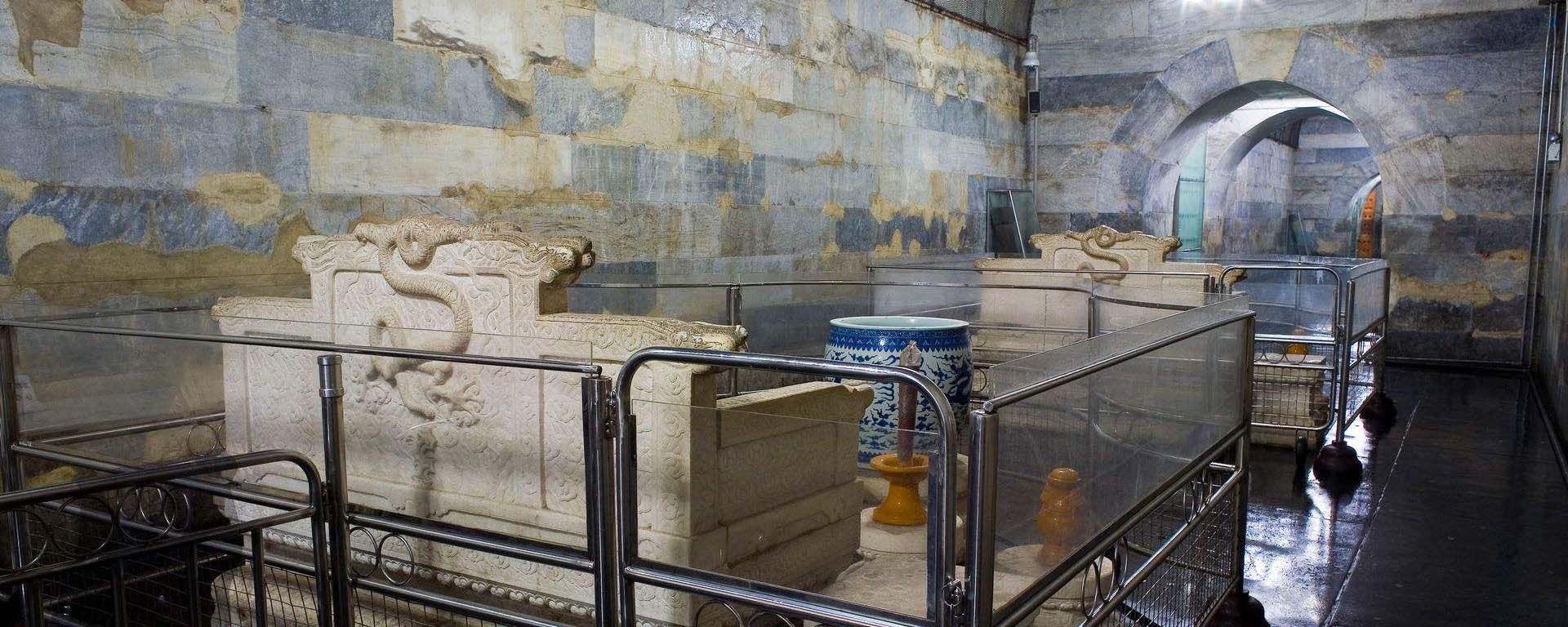
The frontThe middleThe rearThe leftThe right hall.All these halls feature an entrance sculptured out of valuable jade and their floors are made out of gilded bricks. In the middle of the halls is a white marble coffin with a square hole called Gold Well filled with loess. The rear hall is the main hall and the largest and most important of all the halls. It is where the coffins of Emperor Zhu Yijun and his two empresses are situated with other precious merchandise like silver, jade, golden crowns, vases and red lacquer boxes amongst other extravagant things. This Underground Palace unearthed more than 3,000 pieces of cultural relics, including four national treasures: the gold imperial crown, the gold empress crown, the tri-colored glazed pottery of the Ming Dynasty and glowing pearl and they are all preserved in the Dingling Tomb Museum.
In the museum, the first exhibition room displays silk fabrics, gold coins, beautiful jade belts, helmets and swords. The second exhibition room stores objects that belonged to the emperor, his empress and concubines like jade pendants, silverware, phoenix crown, golden ingots and expensive outfits.
On central hall there are three white marble thrones each with glazed Five Offerings and a blue china jar that used to be filled with sesame oil for lamps. In addition, there used to be candles, incense and flowers.
Recommend Tour
Great Wall Layover Tour from Beijing Airport
Beijing Airport Layover Tour
Top Attractions of Beijing Layover Tour
Great Wall Layover Group Tour
>>Great Wall Sunrise and Sunset Layover Tour
>>Mutianyu Great Wall Layover Tour
>>Simatai Great Wall Layover Tour
>>Badaling Great Wall Layover Tour
>>Huanghuacheng Great Wall Layover Tour
>>Juyongguan Great Wall Layover Tour
>>Jinshanling Great Wall Layover Tour

Got Question & Quick Answer


©2013- www.chinavisafreelayovertour.com

Introduction

Recommend Tour

FAQ
 Home
Home


Entertainment :
Cultural Value :
Environmental Quality :