


Email: info@chinavisafreelayovertour.com
Phone: +86-13683536536
WhatsApp/iMessage: +86-13683536536
WeChat: +86-13683536536

Member
Sacred Way Details

Tour Code : C0040
Type : Historic sites
City / Province : Beijing
Built in : Ming Dynasty
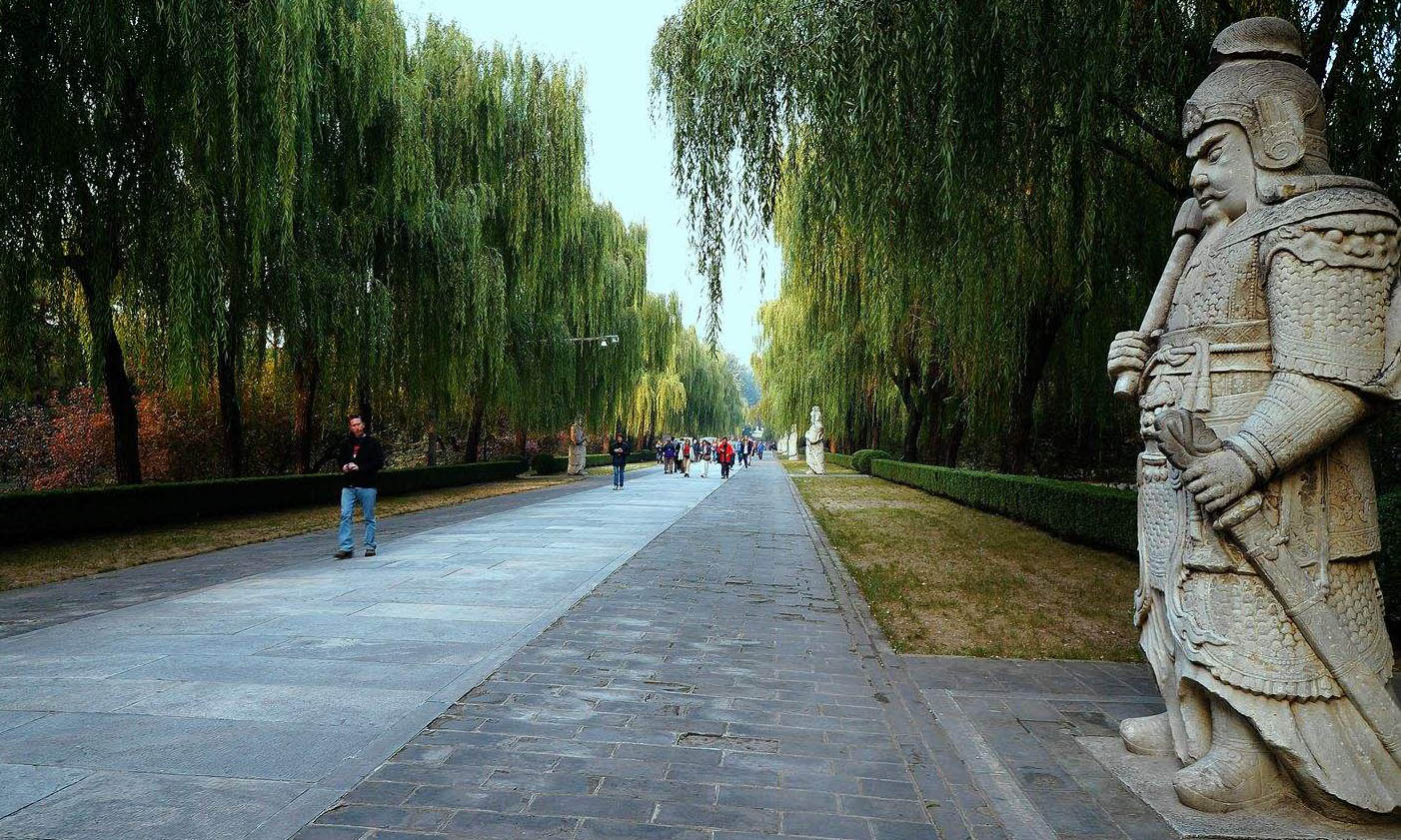
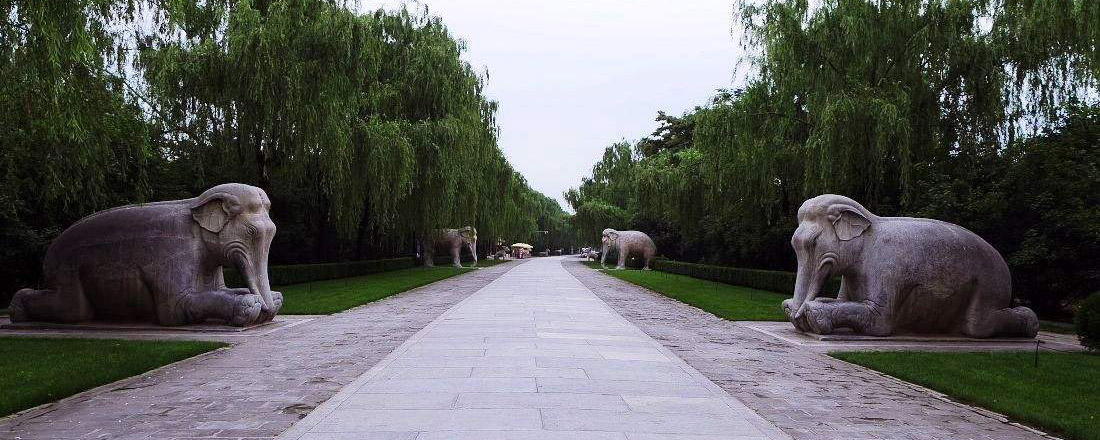
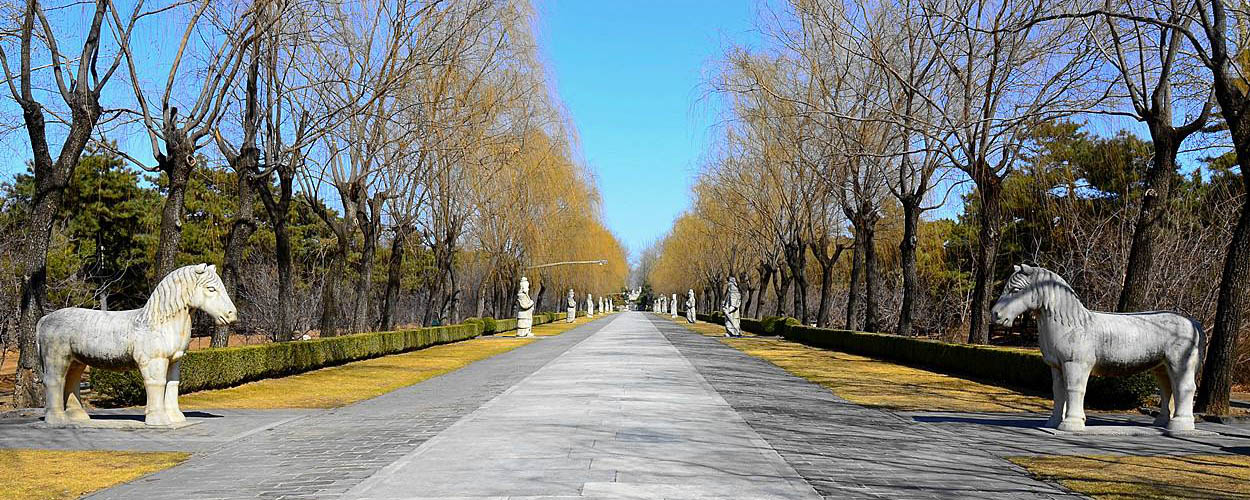
Learn about the cultural and mythical significance of the road leading to the Ming Tombs at the Sacred way. Count many stone statues of animals and their officials sidelined by willows and beautiful plants as you approach the Imperial Tombs and get to know hidden Chinese culture.
Sacred Way
Introduction
The Sacred Way is located one kilometer north of the main gate of the Ming Tombs. Covering 7 kilometers, this passage road which means “the road leading to the heaven,” provides access to the Ming Tomb complex. Chinese emperors were also referred to as Son’s of Heaven used this path during their reign heading to the sacrificial altar in order to converse with heaven. When they died, their funeral procession also followed this same path through the Sacred way as a symbol of the passed emperor 's journey to heaven in the afterlife. The Sacred Way begins with the Memorial Arch built in 1540 heading to the Changling Tomb which is lined on either side with statues of officials, mythical animals sculpted whole stones and guardian animals. There are 12 human figures who are civil officials, meritorious officials and generals in addition to 24 animals including xiezhi (a mythological unicorn), camels, lions, elephants, horses and qilin (one of four other "divine animals, the other three are the tortoise, dragon and phoenix). The Camel and elephant represent the vastness of the territory controlled by the court, the Lion represents solemnity, the Horse was the emperor's mount, and the Xiezhi possesses a sixth sense and was put in place to keep evil spirits away. These animals are believed to change guard at midnight.
People were not permitted to enter through this route in ancient times except officials who were responsible to guard these tombs. The path of the sacred way is curved because the ancient people believed it would fool evil spirits. The central entrance was reserved for the body of the dead emperor while the left entrance was used by the emperor who were alive when they went to pay homage to their ancestors.
Things to see and do on a visit
Memorial stone arch
The Sacred Way starts with a huge stone memorial archway that is the earliest and biggest stone archway existing in China today. It was constructed in 1540 during the Ming Dynasty.
Stele pavilion
The shengde stele pavilion houses a 59-ton tortoise carrying a stone tablet. There is also a white marble Huabiao (ornamental pillar) placed on every corner of the stele pavilion at 32.8 feet high engraved with forty one dragons with a mythical beast on each one of them symbolizing the movement of the emperor and how he handled state affairs. Legend has it that the south facing ones remind the emperor to go out of the palace and observe his people’s situation and needs while the north facing beasts summon the emperor from insignificant activities to return and handle state affairs.
Inside the pavilion is a gigantic stone beast called Bixi that carries a stele on its back. The stele is known as the Merits and Virtue Stele and has long epigraphs inscribed on it.
Recommend Tour
Great Wall Layover Tour from Beijing Airport
Beijing Airport Layover Tour
Top Attractions of Beijing Layover Tour
Great Wall Layover Group Tour
>>Great Wall Sunrise and Sunset Layover Tour
>>Mutianyu Great Wall Layover Tour
>>Simatai Great Wall Layover Tour
>>Badaling Great Wall Layover Tour
>>Huanghuacheng Great Wall Layover Tour
>>Juyongguan Great Wall Layover Tour
>>Jinshanling Great Wall Layover Tour

Got Question & Quick Answer


©2013- www.chinavisafreelayovertour.com

Introduction

Recommend Tour

FAQ
 Home
Home


Entertainment :
Cultural Value :
Environmental Quality :