


Email: info@chinavisafreelayovertour.com
Phone: +86-13683536536
WhatsApp/iMessage: +86-13683536536
WeChat: +86-13683536536

Member
 Beijing Airport Layover Tour
Beijing Layover Night Tour to Tiananmen Square NCPA Jingshan Park Houhai Lake
Beijing Airport Layover Tour
Beijing Layover Night Tour to Tiananmen Square NCPA Jingshan Park Houhai Lake
Beijing Capital Airport Layover Tours
Beijing Daxing Airport Layover Tours
Private Tour
1 Person $260
2 Person $158
3 Person $130
4 Person $115
5 Person $110
6 Person $105
7 Person $100
8 Person $96
9 Person $90
10 > Person $85
Price Per Person in USD

Travel personnel
Number of rooms
Price : $1269
 NO HIDDEN CHARGES
BEST PRICE GUARANTEE
CATCH UP FLIGHT GUARANTEE
FREE WARM COATS
NO HIDDEN CHARGES
BEST PRICE GUARANTEE
CATCH UP FLIGHT GUARANTEE
FREE WARM COATS
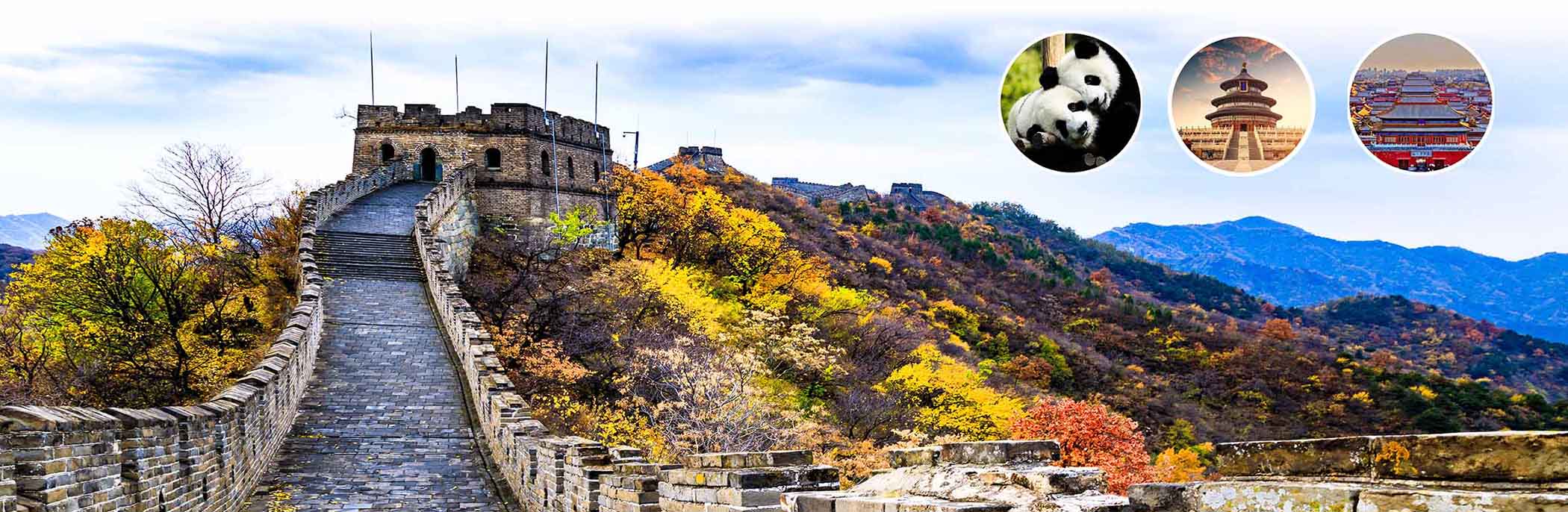
Are you going to have a long layover in Beijing? Take the best chance to know and visit the most famous, historical and cultural sites in Beijing, such as the Tiananmen square (the most important square in the whole China), the Forbidden city (ancient home of emperors) and Mutianyu Great Wall (one of the new 7 wonders of the world). Our professional tour guide and driver will pick you up at the airport, we will take you for a quick Beijing tour and get you back on time for your next flight. booking this layover tour can be a memorable part of your epic trip!
Tour Itinerary
Travel Calendar


Day 1
Airport Pickup, Tiananmen Square, National Center for the Performing Arts, Jingshan Park, Houhai Lake, Transfer to Airport
Your friendly tour guide and driver will greet you at Starbucks Coffee in Beijing Capital Airport Terminal 2 or 3. (You will need about 1-1.5 hours to finish the customs clearance and get out)
~ 1 h : Drive to Tiananmen Square
Your friendly tour guide and driver will hold your name board and greet you at the arrival hall exit of Beijing Daxing International Airport. (You will need about 1-1.5 hours to finish the customs clearance and get out)
~ 1.5-2 h : Drive toTiananmen Square
~ 0.5 h : Visit Tiananmen Square
 Hop on your private air-conditioned van on arrival and start by visiting one of the largest squares in the world situated in the heart of Beijing that became a popular destination due to political rallies and its rich history.
~ 10 mins : Drive to National Center for the Performing Arts
~ 20 mins : Visit National Center for the Performing Arts
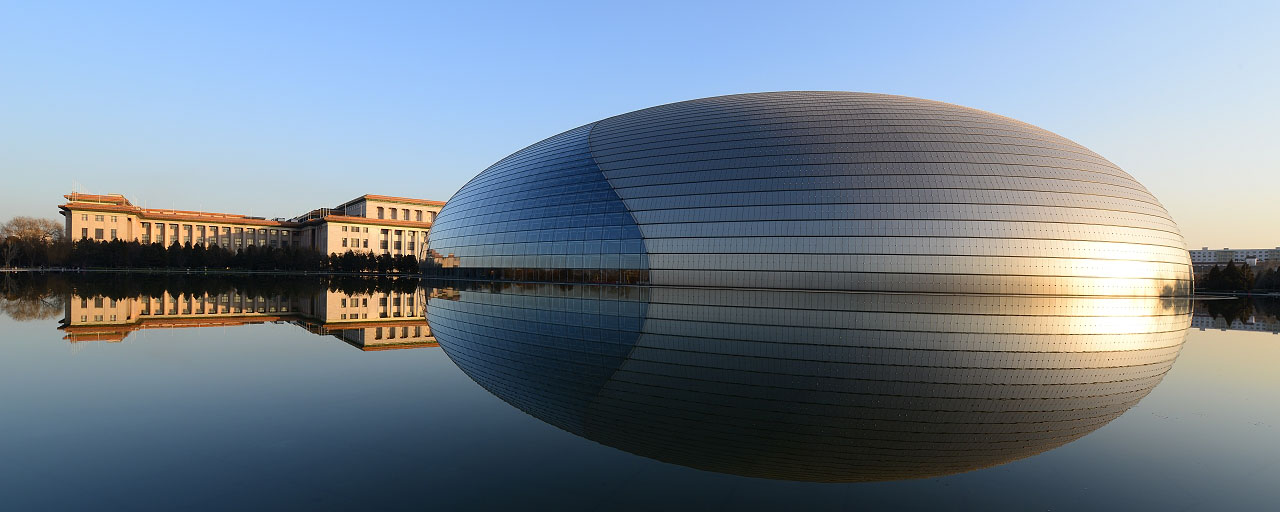
Afterward proceed to the spectacular glass and titanium egg-shaped Opera House at the National Centre for the Performing Arts and marvel at its unique architecture.
~ 20 mins : Drive to Jingshan Park
~ 1 h : Visit Jingshan Park
Later on, make way to Jingshan Park and stand on its highest peak for splendid views of the Forbidden City and the cityscape then learn about the suicidal incident of leader Li Zicheng, the Chongzhen Emperor who hanged himself on one of the trees in this park.
~ 10 mins : Drive to Houhai Lake
~ 1 h : Visit Houhai Lake
Finish off the layover at Houhai Lake interacting with both locals and tourists and even have a drink in one of the many bars then stroll along the lake taking in its tranquil vibes.
~ 1 h : Transfer to Airport
The driver will transfer you to the airport for a flight to your next destination. Have a nice journey!
~ 1.5-2 h : Transfer to Airport
The driver will transfer you to the airport for a flight to your next destination. Have a nice journey!
Itinerary
Beijing Capital Airport Layover Tours:
Your friendly tour guide and driver will greet you at Starbucks Coffee in Beijing Capital Airport Terminal 2 or 3. (You will need about 1-1.5 hours to finish the customs clearance and get out)
1 h

Beijing Daxing Airport Layover Tours:
Your friendly tour guide and driver will hold your name board and greet you at the arrival hall exit of Beijing Daxing International Airport. (You will need about 1-1.5 hours to finish the customs clearance and get out)
1.5-2 h

10 mins

Marvel at the egg-shaped architectural masterpiece
Enjoy the illuminated modern building at night
20 mins

The best place to have a birds-view of whole Forbidden City
Enjoy the beautiful landscape and get to know sad story about last Emperor Chongzhen of Ming dynasty
10 mins

1 h
Beijing Capital Airport Layover Tours:
The driver will transfer you to the airport for a flight to your next destination. Have a nice journey!
1.5-2 h
Beijing Daxing Airport Layover Tours:
The driver will transfer you to the airport for a flight to your next destination. Have a nice journey!
Includes & Excludes
Entrance tickets
Professional private English speaking tour guide
Airport pickup and drop off
Air-conditioned vehicle
Bottled mineral water
Tips to the guide and driver
Meal
Booking Notes
Private Beijing Layover Tour:
The private layover tour is only for you and your team, no need to wait for other travelers. Time-saving.
More flexible for picking up time and address according to your flight details, will send you back to the airport or hotel according to your request.
If your flight delayed, your private tour guide will extend 2 hours of your pick up time wait until seeing you at the airport.
Can customize tour itinerary according to your interests
Payment Methods
Please book your layover tour on the website in advance, and you can pay full payment or a half deposit through PayPal or optional credit card when booking online. Confirmation will be received at the time of booking.
Cancellation Policy
If your flight is canceled or delayed and you inform us at least 4 hours in advance before the scheduled pick-up time, there is no cancellation fee.
If you are not able to get out of the airport for some reasons and inform us before your pick up time, we will refund part of tour fee to you (Excluding driver and guide airport transfer charges). Beijing layover group tour is not refundable.
Reviews

 Review
 Review

benniejay
Yes everything was spectacular and fascinating very professional and prompt services. There were beautiful places to explore and to see in the 4 hours that we had. The comfort and beauty of the China was incredible, The history, culture and way of life of the local people we bumped into during the layover was beyond our expectations. Hiking on the Great wall after driving through a small remote countryside was very relaxing and rejuvenating. It was the best trip ever to experience on a few hours.
We had not previously used a travel agency for touring. The crew including the driver and tour guide were really funny, friendly and knowledgeable. Despite having limited time we still had free time allowing for shopping and grabbing a meal and drinks. Highly recommend this layover in Beijing. Show less

mirceao455
Bucharest, Romania
Great, compact, amazing tour. Our guide Jenny did the best to show us the most important attractions in Beijing in just a 2 day tour. I recommand her tours, she is great with groups, friendly and well prepared. Show less
More
2funworldtravers
Mike and Karen, Tucson, Arizona Show less
More
pedro148595
Highly recommend for everyone coming to Beijing Show less
MoreFAQ
Got Question & Quick Answer


©2013- www.chinavisafreelayovertour.com

Price

Itinerary

Booking Notes

Reviews

FAQ

User Name:
Email:
Password:


Confirm Password:
Verification Code:
Email:
Password:
Email:
New Password:
Confirm Password:
Verification Code:


Tiananmen Square
Introduction
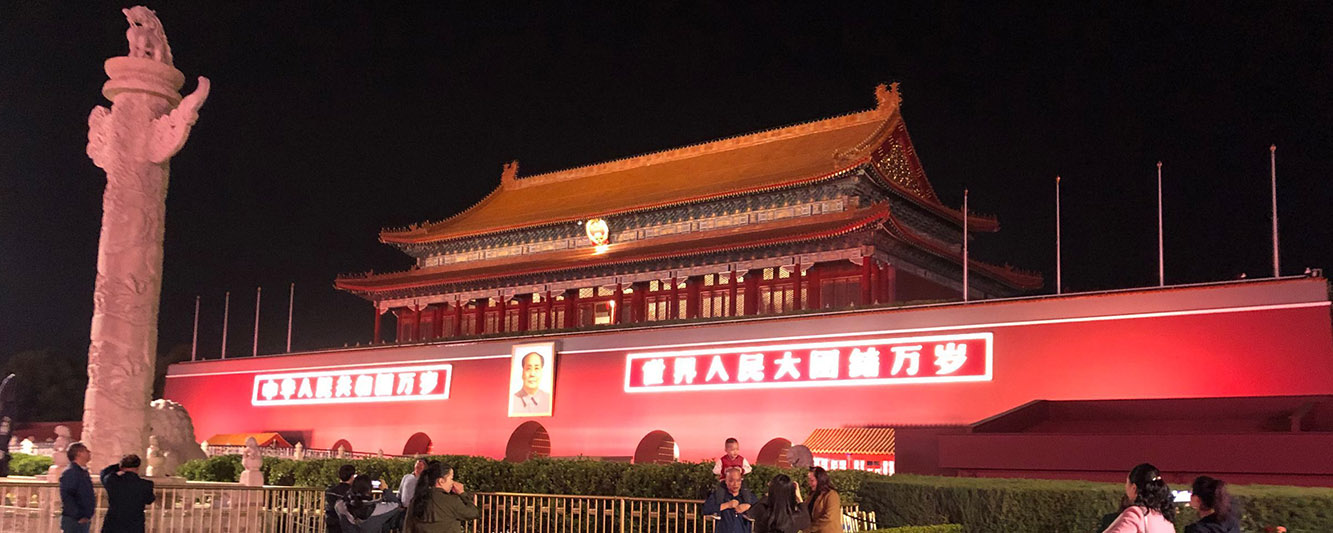
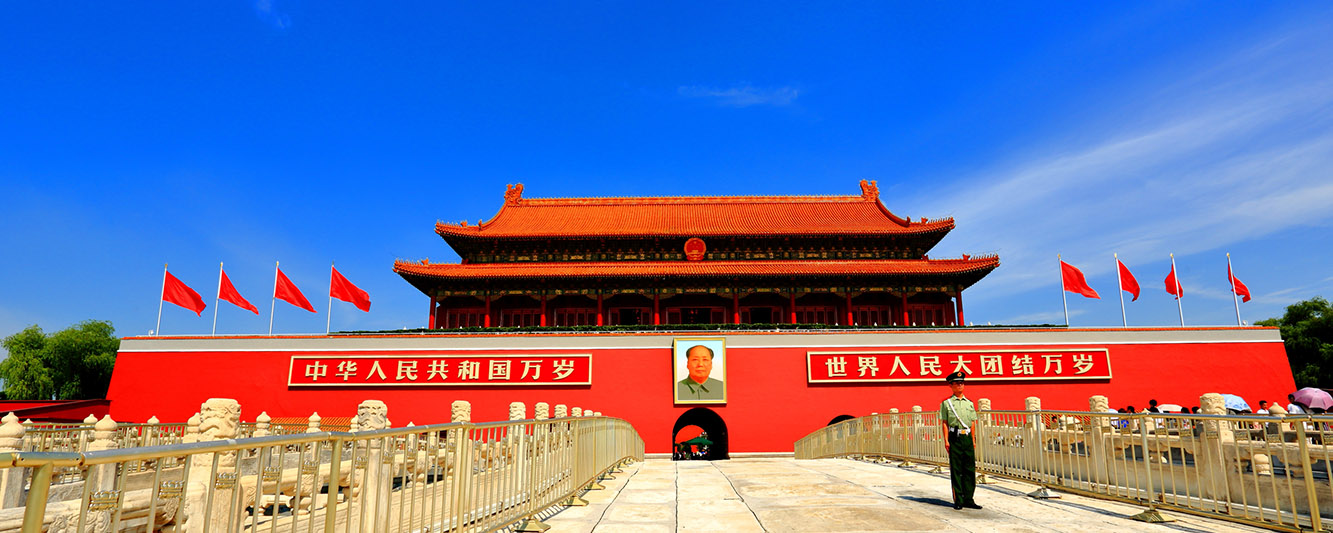
Tiananmen Square is also known as the gate of heavenly peace and is located in the center of Beijing, at Changan avenue. Tiananmen Square is named after Tiananmen Gate which is the entrance to the Forbidden City. The Square was originally built in 1651 and was later enlarged by four times when it was cemented with concrete in 1958.
It is enclosed by two imperial gates in the north and south with the north side being the Gate of Heavenly Peace also known as the Tiananmen Gate and the Front Gate towards the south known as Qianmen Gate.
As you approach Tian'anmen there is a Golden Water Bridge, a pair of columns made from white marble sculptured with lion and dragon designs that is not only for decoration but also the expect for the emperor.
Things and activities to do on a visit
Chairman Mao Zedong Memorial Hall
Located on the southern side of Tiananmen Square, this hall is divided into three parts and in one of the halls is the place where peple admire Chairman Mao at his crystal coffin surrounded by fresh flower bouquets. People offer respect to the greatest founder of the modern nation of China.
The Great Hall of the People
Situated on the west of Tiananmen Square is where the Great Hall of the People is located. This building was constructed in 1959 and is the site where congress meetings and diplomatic activities take place. Twelve marble posts are in front of the hall which has three parts the Central Hall, the Great Auditorium and a Banqueting Hall. The floor of the Central Hall is paved with marble and crystal lamps hang from the ceiling.
Monument to the People's Heroes
At the center of Tiananmen Square is a granite and marble monument that weighs over 10,000 tonnes that is known as the Monument to the People's Heroes built in 1952 and is one of the largest monuments in China's history. On the monument, Chairman Mao engraved “Eternal glory to the People's Heroes”, and visitors can testify the gradual development of Chinese modern history. It serves as a memorial to heroes who lost their lives in the revolutionary struggle and conflicts of the early 19th and 20th centuries from the First Opium War to the Civil War.
Tiananmen Tower
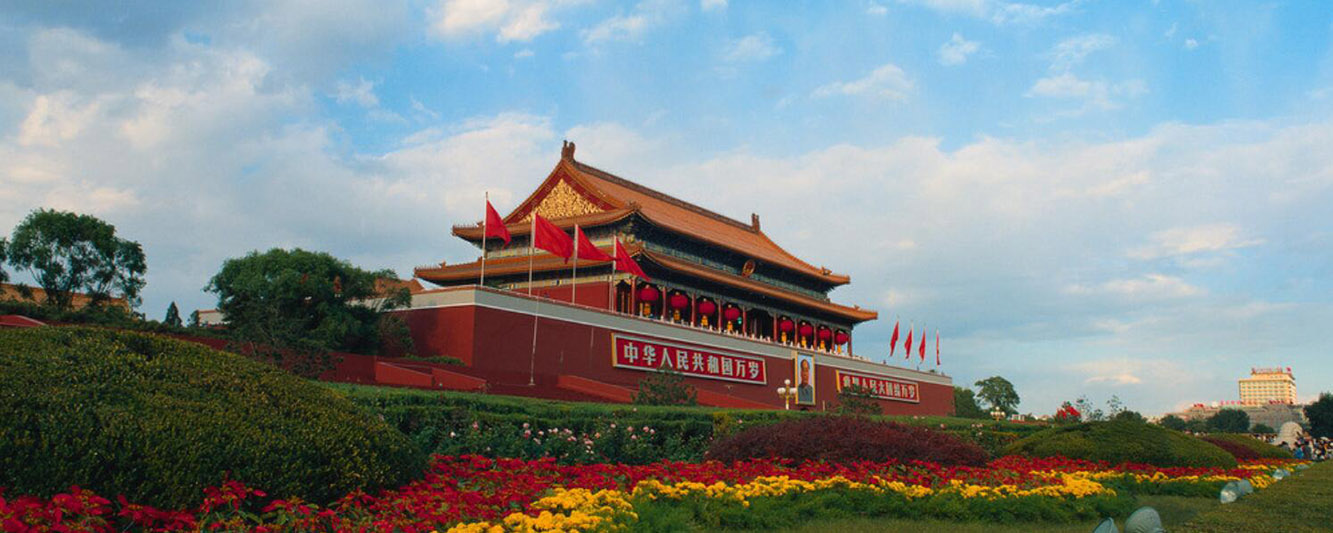
Built in 1417 during the Ming Dynasty at the north end of the Square, this tower has been built and rebuild through the course of time until 1661 during the reign of Emperor Shunzi when it was remodeled, rebuilt and named the Tiananmen Tower. It measures 38 meters in height and 66 meters in length and has five arched gates, only royalty was allowed to enter from the middle gate. Today the tower is widely recognized by the Chairman Mao portrait which hangs above the archway gates.
China National Museum
The China National Museum location is right in front of the Great Hall of the People and was constructed in the year 2003 with a set up of a mix of Chinese History Museum and Chinese Revolutionary Museum. It occupies close to 200,000 square meters in exhibition space and is the third largest museum in the world with over a million priceless relics dating back to 1.7 million years. The museum is home to cultural relics, material objects, books, pictures and models to present the growth of China through its long history and rich culture of China. Get into concise Chinese General History, and visit remains of the prehistoric Yuanmou Man.
Flag Raising and lowering Ceremony
This is one of the focal points in the Tiananmen Square attractions flying high in the sky above Tiananmen Square. A seven-ton flagpole that is renowned for the raising ceremony takes place very early in the morning and lowering takes place in the evening and many tourists both from home and abroad look forward to seeing the guard of honor raise the flag and change guard. The reviewing stands flanks were opened on the west and the east sides to watch the ceremony. The flag is affixed and raised in time to the rising sun and the lowering is at dusk over an approximate two minutes and seven seconds after which the national anthem plays afterwards.
Statues
Situated at the back of the Monument of the People’s Heroes there are a couple of statues that pay tribute to workers, soldiers and just normal people who took part in China’s revolutions; the eastern statue represents the New Democratic Revolution period and the western side statues pay homage to those who contributed to the construction of chairman Mao’s leadership structure.
Magnificent Flower Beds
Tiananmen Square is home to the most extraordinary and ever-changing colorful floral displays according to seasons and it gets into its peak during special occasions and national holidays.
National Center for the Performing Arts
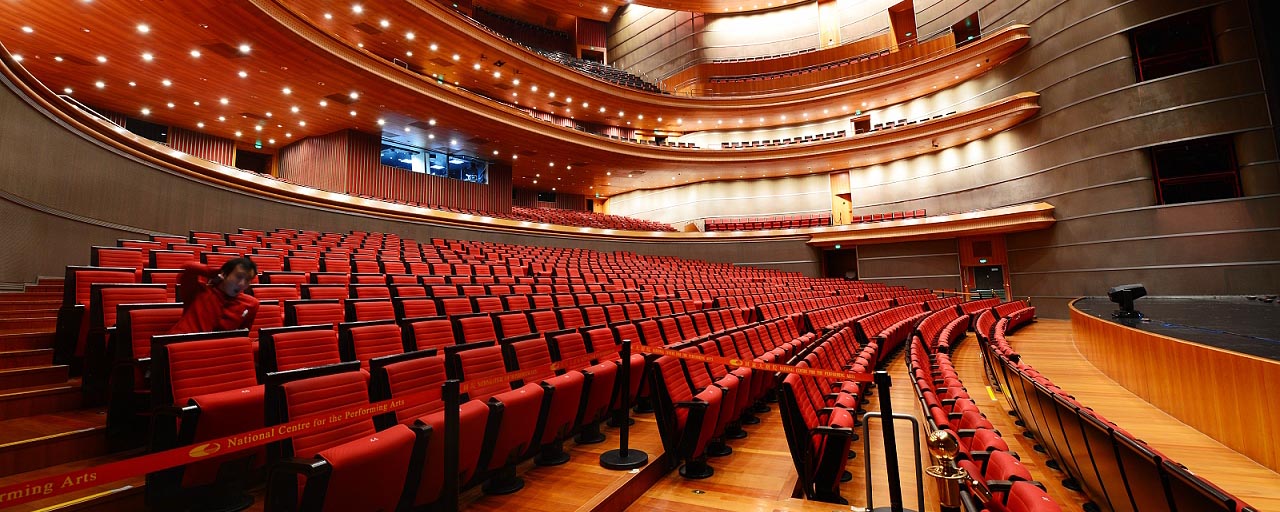
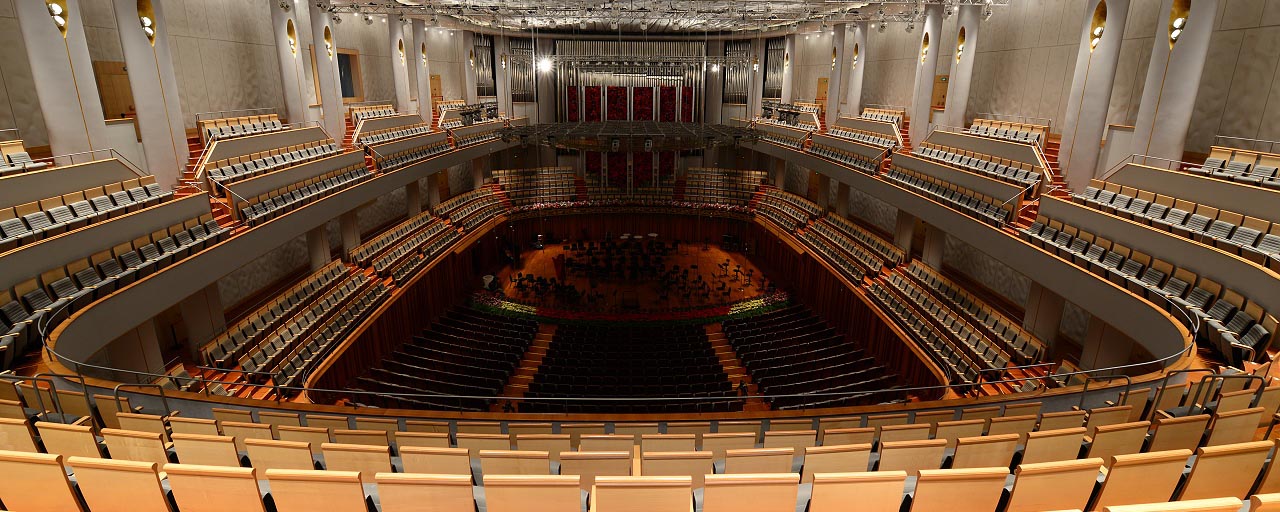
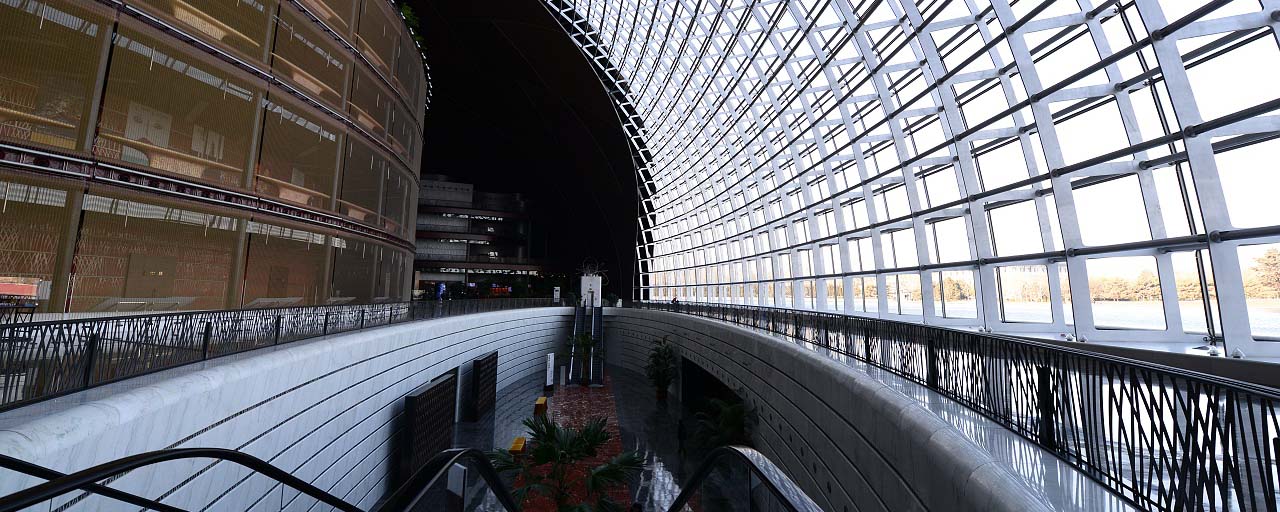
National Theatre for Performing Arts
Introduction
Popularly known as the giant egg, the National Centre for the Performing Arts (NCPA) originally known as the National Grand Theater is situated right at the center of Beijing. Its nickname came about due to its distinctive flattened dome shape. The location of the building is like an island in the middle of an artificial lake that measures 35,500 square meters. The lake is surrounded by a green ring measuring 39,000 square meters that are meant to isolate the building from the noise of the city. It has 5,452 seats and holds events in three halls and is almost 12,000 square meters in size. The theatre was designed by French architect Paul Andreu and its construction commenced in the year 2001 and was later inaugurated in a concert held in December 2007. Initially, the budget for constructing the theatre was $393.7 million USD but when it was completed it had cost $468.7 million USD. The government subsidized 80% of the annual operational costs for at least the first three years after its official opening and for the rest of its operational life it would subsidize at least 60% of the annual operational cost.
The location of the theater managed to integrate modern architecture with ancient Chinese architecture but there were a number of controversial issues due to its close proximity to ancient and historical sites such as the Forbidden City, Great Hall of the People and the Tiananmen Square. Andreu included the lake and a green ring in his design in order to complement the ancient architecture and prevent the contrast from being too conspicuous.
The main building is made up of three venues: the Opera House, the Concert Hall and the Theater. The center has underwater corridors, an artificial lake, an underground garage and a green space. The dome covers a total area if 12,000 square meters with a minimum span of 144 meters and a maximum span of 213 meters rising to a height of 46 meters. The building is also considered to be the deepest structure in Beijing with its deepest point being 32.5 meters equal to the height of a 10 floor building. Visitors enter the building through an underwater corridor that stretches below the lake from the green ring. It has a glass ceiling that allows natural light to penetrate through the water producing a vibrant shimmering effect.
Things to see and do on a visit
Exterior Shape
The Dome
The dome measures 212 meters in east west direction, 144 meters in north south direction and 46 meters in height. The building is an ellipsoid dome made of over 18,000 titanium plates and over 1,000 sheets of ultra-white glass which is a low iron glass known for its high rate of light transmission. The building is in the shape of an ellipsoid dome surrounded by an artificial lake and a vast expanse of green space resembling an egg floating on water.
The Lake
Covering an area of 35,500 square meters, this mirror-like lake forms a tranquil atmosphere surrounding the dome.
The Green Belt
Surrounding the lake is a 39,000 square meter green belt that encircles the NCPA harmonizing it with its vicinity in the most peaceful and quiet environment in the middle of the hustle and bustle of the city.
The Interior
To enter the building visitors have to follow a hallway that passes underneath the lake. The titanium shell is divided by a glass curtain on one side narrow on the top and wide on the bottom. The corridor stretches 80 meters long beneath the lake providing a unique passage to the center’s hall. Its glass ceiling allows light to pass through the water producing a shimmering effect. There is a large open foyer with a floor made of stone from 10 different regions in China.
Opera House
This is the most magnificent building in the National Centre for the Performing Arts. Ballets, dance dramas and operas are staged here. The opera house has the largest ballet stage in China and its surface is made of Oregon timber. It has 2,091 seats and has a golden color as its main hue. The arc-shaped metal net wall in the auditorium allows lights and shadows to change as the performance changes.
Concert Hall
The Concert hall is located on the eastern side of the Opera House and is the place where Chinese traditional music and grand symphonies are performed. The hall has 1,859 seats and its specialized design promotes the perfect integration between acoustic aesthetics and architectural grounds. For instance, the design of the ceiling is designed in a roll like waves and is propitious to the diffusion of sound. In addition, the round shaped auditorium enables audiences to enjoy performances from any angle. The hall also has a silver-white color that makes it serene and elegant at the same time. The concert hall has a unique pipe organ placed in the hall with 94 stops and an impressive array of 6,500 pipes which is the largest one in Asia.
Theater
The theater has a capacity of 957 seats excluding the orchestra. Stage plays, traditional Chinese operas and national songs and dances are performed in the theater. The theater adopts a distinct traditional Chinese design with Zhejiang's flameproof silk walls. It fully highlights the closeness between the audience and the performers.
Auditorium
Air inlets of the air conditions are built under the seats. While seeing the performances, the audience will not feel the wind but will enjoy the coolness. What's more, noise elimination equipment is also installed. No noise will be made when you have to leave while the performance is going on.
Jingshan Park
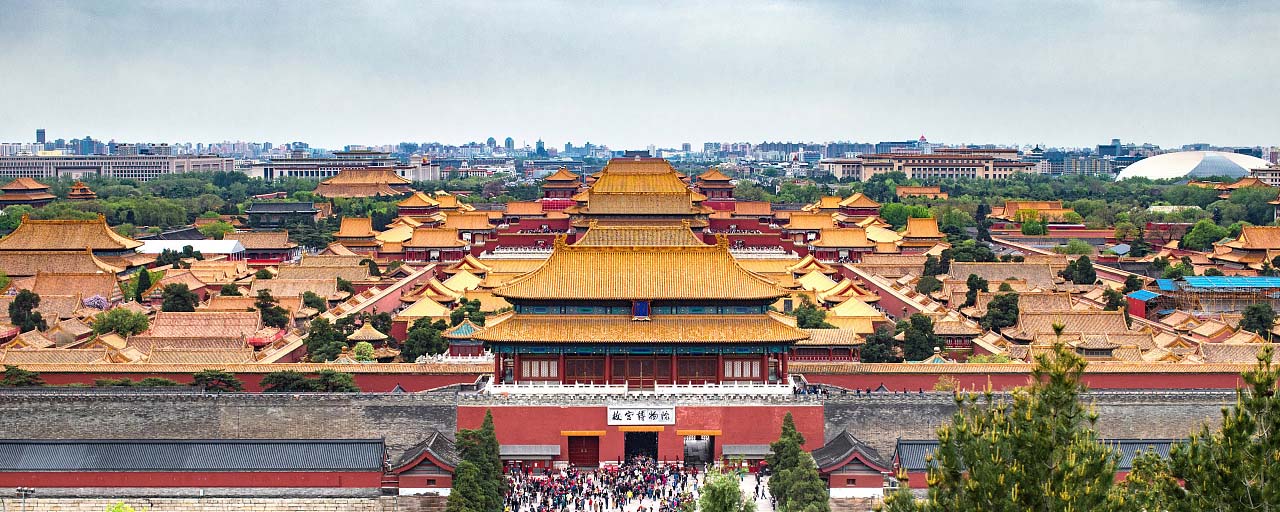
Jingshan Park
Introduction
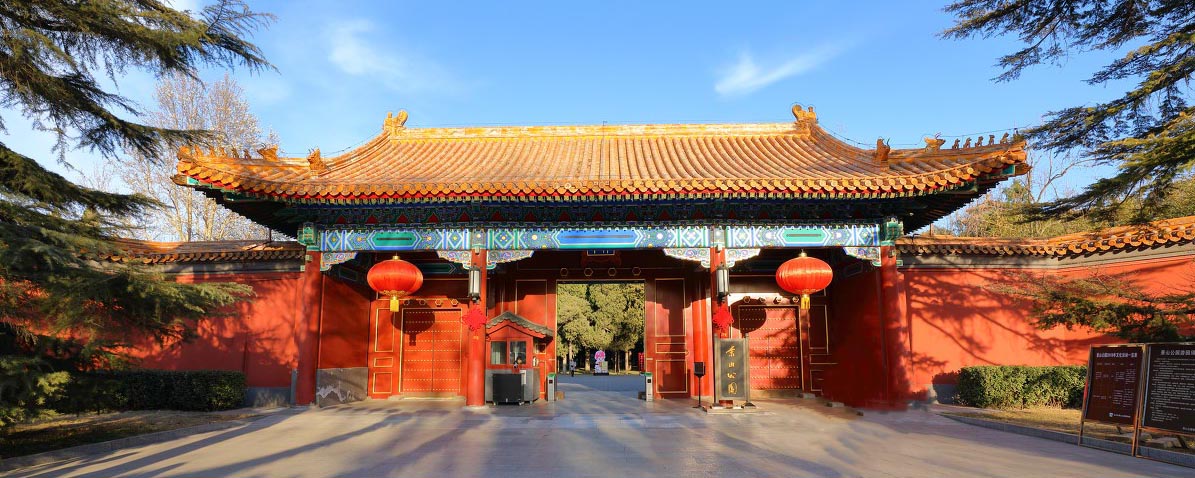
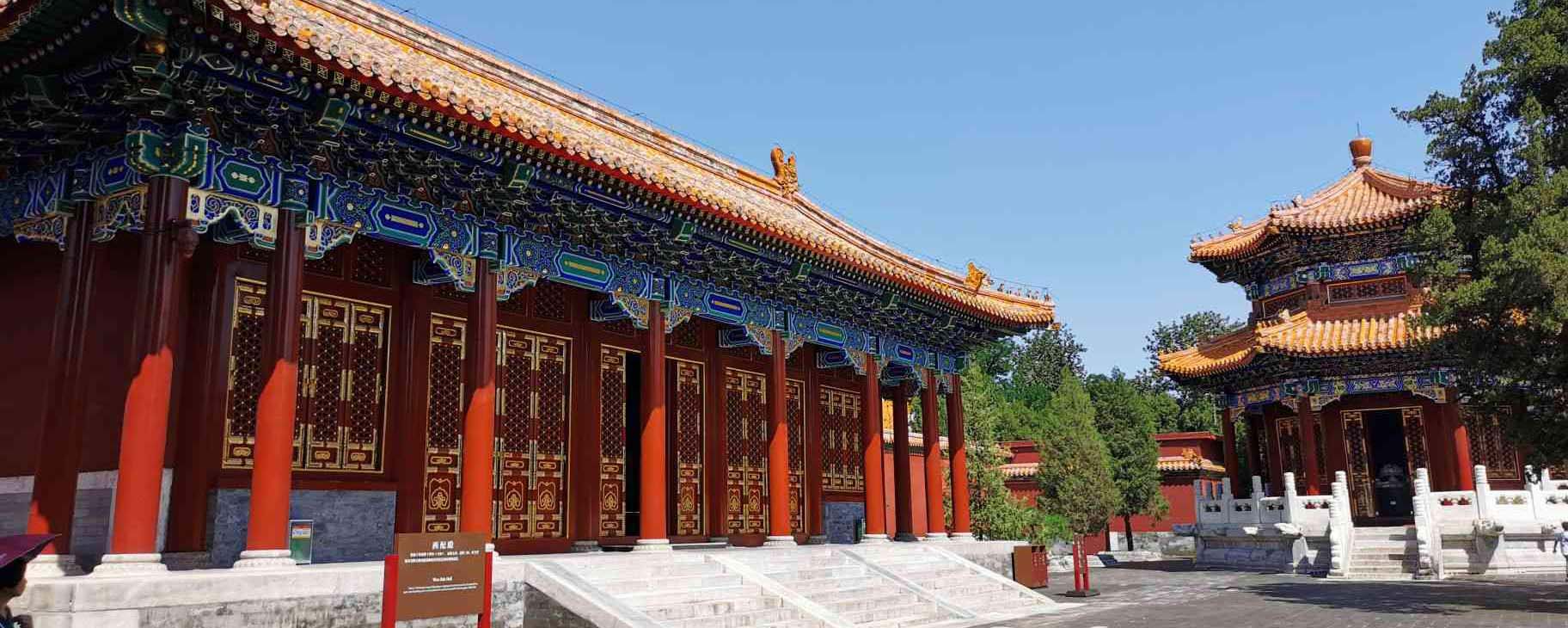
Jingshan Park is a beautiful royal garden located across the street from the north gate of the Forbidden City. It covers an area of 57 acres and the park served as a private imperial garden for nearly 700 years and is now open for the public from where you get a bird’s eye view over the Forbidden City and central Beijing City in general. The park is located on Jingshan Hill, originally called Wansui Hill, Meishan Hill and Zhen Hill. The mid summit of the hill is the highest point in Beijing.
During the Ming dynasty (1368-1644) an artificial hill with five peaks was created using the moat excavated from the Imperial Palace. Pavilions were then erected on each peak and five bronze Buddhas were given pride of place in them. Four of the statues were removed by Allied Expeditionary Force troops when they came to Beijing. During the Yuan, Ming and Qing dynasties the park served as an imperial garden and was properly laid out under the Ming Dynasty. Trees with fruits were planted, pavilions were built and palaces were also set up attracting royal families to relax and have fun in the park. In 1928, it was opened to the public and after 1949, it was face-lifted including paved paths. It is currently one of the 'AAAA' Scenery spots in China and a must-see for tourists in Beijing.
Besides the park has beautiful scenery, but it has a dark past on the eastern side where two stone slabs are located in front of a locust tree. This spot is where the last of the Ming emperors, Chongzhen, and his faithful servant hanged themselves as rebels swarmed at the city walls. Word has it that people had earlier seen a dragon rising into the sky believing that the soul of the emperor had risen to heaven.
Things to see and do on a visit
Qiwang Pavilion
Qiwang Pavilion was originally the place for emperors to worship the memorial tablet of Confucius. Visitors can see the Pavilion surrounded by green cypresses, white marble balustrades and a two-storied pavilion with its golden glazed.
Wanchun Pavilion
Also known as the Ten Thousand Spring Pavilion, Wanchun Pavilion is in the middle of the five summits. It is located at the hill's central point location and is a perfect place to have a bird’s eye view of the city including the dignified Bell and Drum Towers in the north, the magnificent and resplendent Forbidden City in the south and the Beihai Park and Miaoying Temple in the west.
Shouhuang Hall
Located on the northern side of the Jingshan hill is the Shouhuang Hall also known as the Hall of Imperial Longevity that was initially where emperors in the Qing dynasty used to pay homage to their ancestors and some of the emperors' portraits were worshiped there. Towards the east side of Shouhuang Hall is Yongsi Hall; the resting place for the dead bodies of the past emperors and queens.
Scenery
Jingshan Park is home to a charming natural scenery of 1,300 square yards. It has the biggest peony rose garden bearing 200 different peony species in Beijing and they bloom up to 20,000 roses presenting then the most colorful scene in May every year.
Locals
Local people especially elderly ones can be seen relaxing and practicing their morning tai chi while others dance to the most soothing music.
Houhai Lake
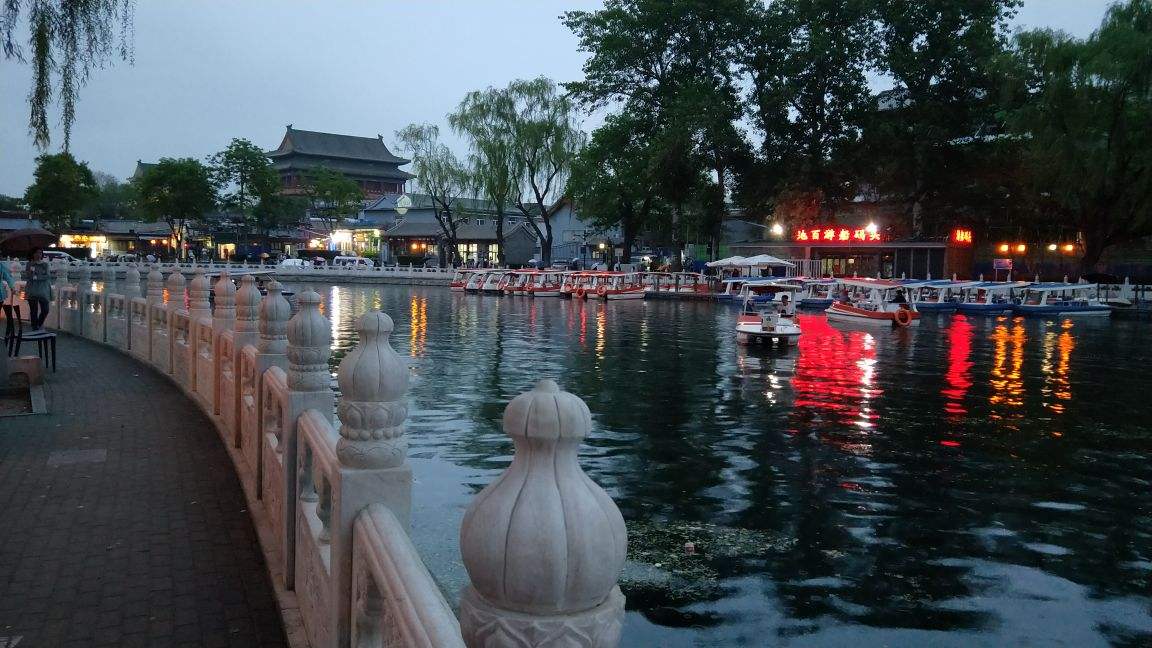
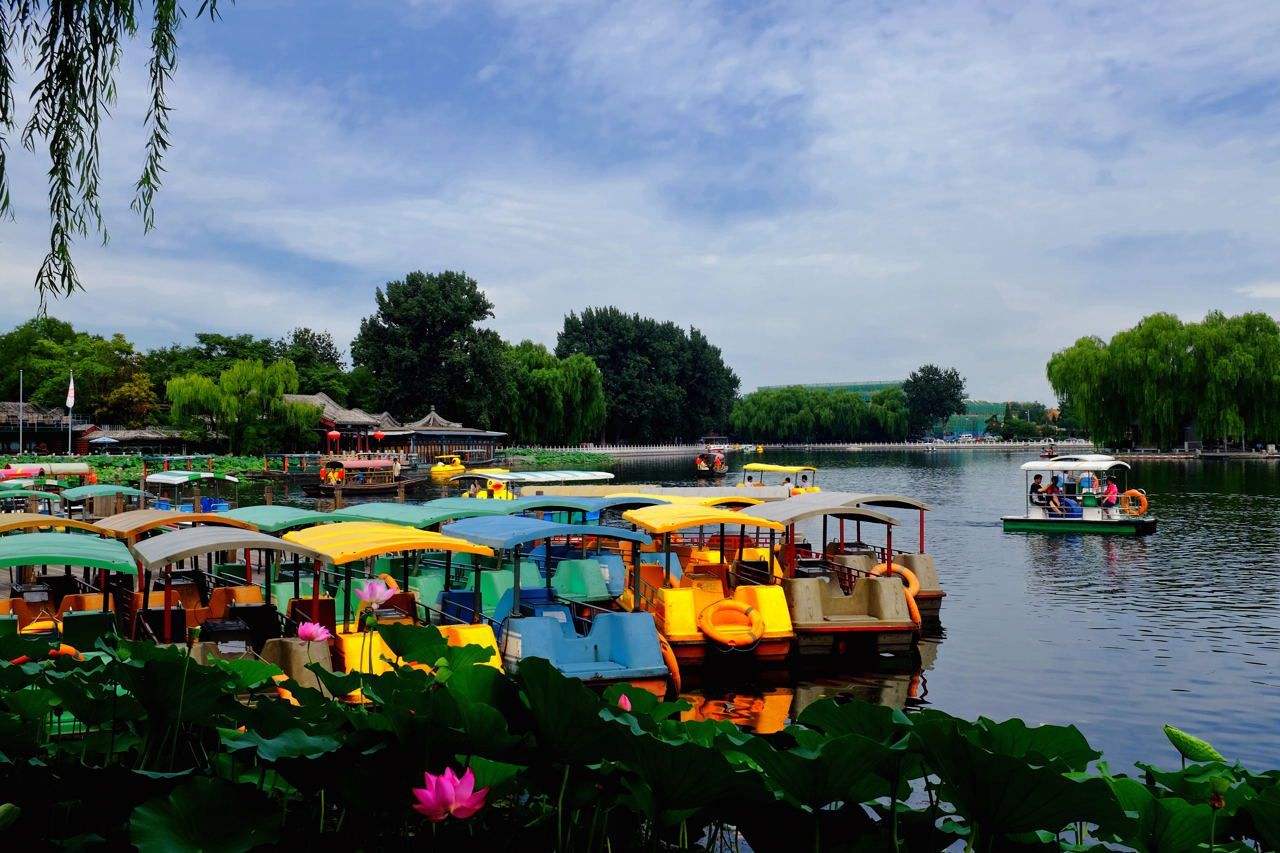
Houhai Lake
Introduction
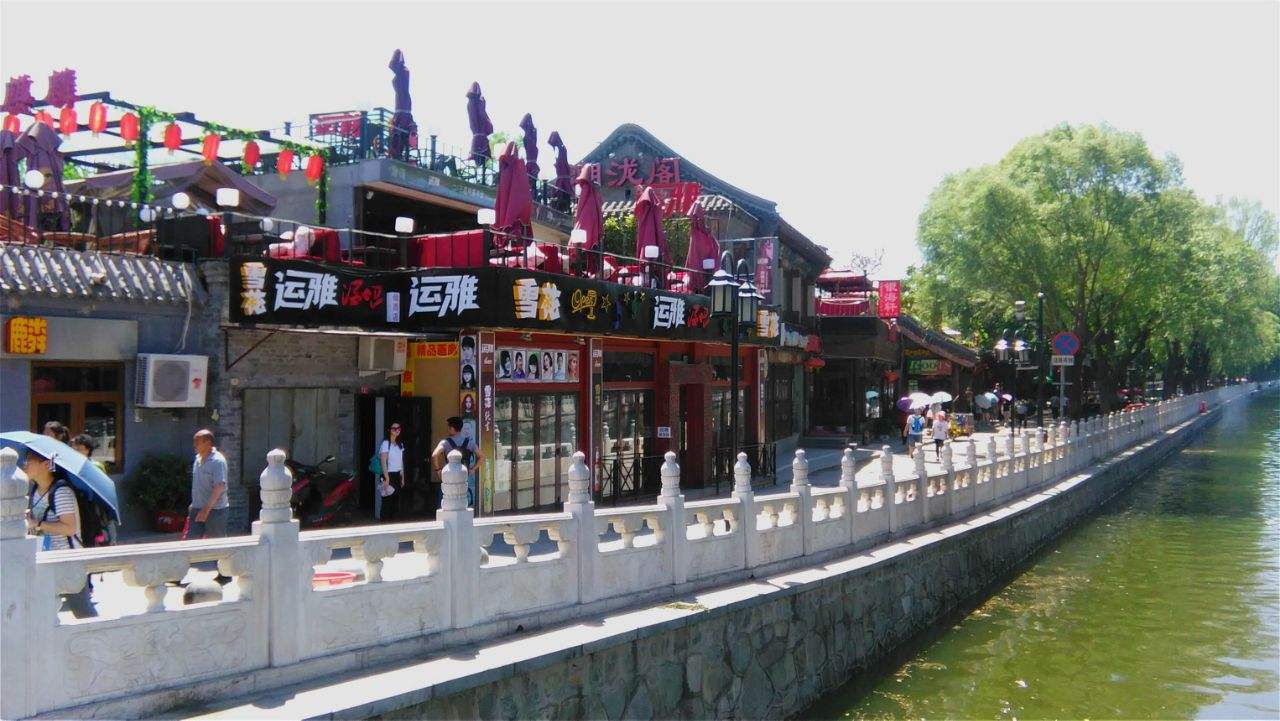
Houhai is a large artificial lake in northern downtown Beijing located 4 kilometers north of the Forbidden City that derives its name from a Chinese name meaning back sea. The lake belonged to the royal family during the Yuan Dynasty and the surrounding area has always been a successful commercial site with workshops, opera stages and shopping centers. It is now open to the public.
The lake covers an area of 87 acres and to the front side, it is bordered by Qianhai (Front Sea) and to the west by Xihai (West Sea). It was perceived according to Daoism that the waters of the lake are connected to the “dragon vein” which is an integral and invisible artery that can maintain tranquility, prosperity and peace. So many monks set up temples in the area, nobbles and other government officials also built their gardens and vacation mansions and around the lake area,
Things to see and do on a visit
Sightsee
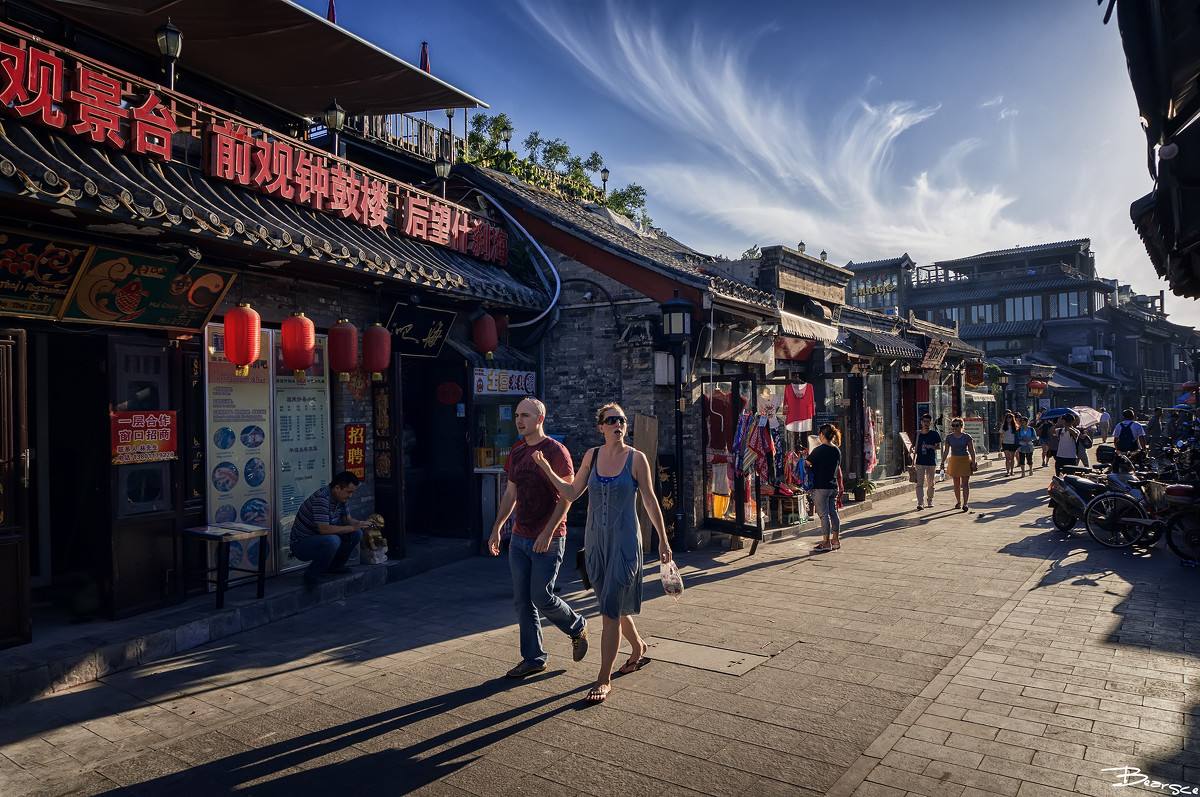
This lake has the most scenic area surrounded by willow trees and Hutongs. Visitors can stroll or take a rickshaw to explore the sights and sounds of the area that is laid back and has a completely relaxing atmosphere. The Hutongs are lined at the back streets and have a variety of stores that give shoppers to experience the cultural alleyways as they search for unique souvenirs, jewelry and antiques.
Taste local snacks and cuisine
Houhai is home to many restaurants, cafés and teahouses where visitors can savor local cuisine and snacks in the lakeside dwellings dotted in the hutongs. There are delicious tasty roasted duck, mutton and chicken meals prepared exquisitely in a mix of authentic southern China dishes. In addition, there are many tasty snacks such as Rice Cake, Sesame Seed Cake and Pea Flour Cake
Nightlife
The Hutongs bordering Houhai are renowned for its active nightlife since the early 2000s. Many residences along the lakeshore were converted to bars, restaurants and cafes. It is a hit amongst foreign tourists, expatriates and young hip locals who gather here to unwind and interact after a long day of work. Houhai become popular in 2003 after the modern establishments on the Lotus Lane with the bar street
Boat riding and skiing
There are boat rides on the lake except during winter when the lake becomes frozen and people can ski and skate. The most popular of the wintry skate is the loved chair-skate.
Former Residences
The Hutongs neighboring the lakeside were homes of several famous Chinese officials and are worth visiting such as court officials and celebrities such as Sun Yat-sen's wife, Soong Ching-ling, the famous poet Guo Moruo, Prince Chun and Prince Gong.
 Home
Home


