


Email: info@chinavisafreelayovertour.com
Phone: +86-13683536536
WhatsApp/iMessage: +86-13683536536
WeChat: +86-13683536536

Member
Beijing Capital Airport Layover Tours
Beijing Daxing Airport Layover Tours
Group Tour
Private Tour
2 Person $135
3 Person $120
4 Person $108
5 Person $90
6 Person $85
7 Person $80
8 Person $75
9 Person $70
10 > Person $65
Price Per Person in USD

Travel personnel
Number of rooms
Price : $1269
 NO HIDDEN CHARGES
BEST PRICE GUARANTEE
CATCH UP FLIGHT GUARANTEE
FREE WARM COATS
NO HIDDEN CHARGES
BEST PRICE GUARANTEE
CATCH UP FLIGHT GUARANTEE
FREE WARM COATS
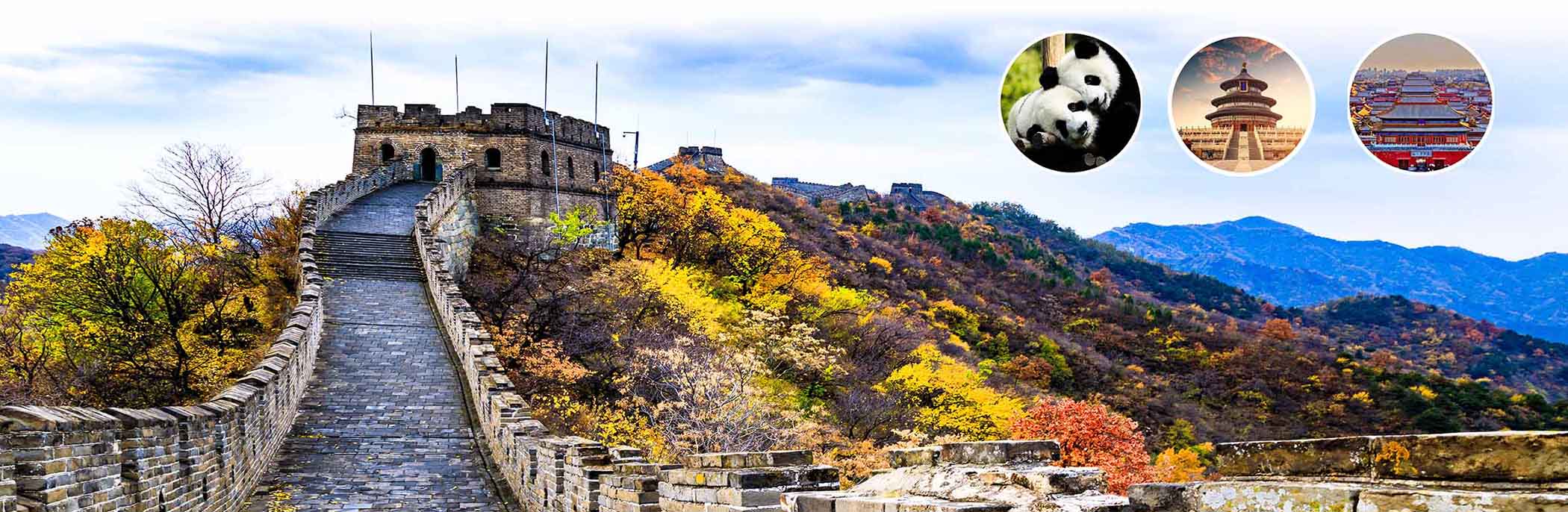
Are you going to have a long layover in Beijing? Take the best chance to know and visit the most famous, historical and cultural sites in Beijing, such as the Tiananmen square (the most important square in the whole China), the Forbidden city (ancient home of emperors) and Mutianyu Great Wall (one of the new 7 wonders of the world). Our professional tour guide and driver will pick you up at the airport, we will take you for a quick Beijing tour and get you back on time for your next flight. booking this layover tour can be a memorable part of your epic trip!
Tour Itinerary
Travel Calendar


Day 1
Airport Pickup, Tiananmen Square, Forbidden City, Temple of Heaven, Transfer to Airport
Your friendly tour guide and driver will greet you at Starbucks Coffee in Beijing Capital Airport.
~ 1-1.5 h : Drive to Tiananmen Square
Your friendly tour guide and driver will greet you at Beijing Daxing International Airport.
~ 1.5-2 h : Drive toTiananmen Square
~ 0.5 h : Visit Tiananmen Square
 After the airport pickup, you will start off by traversing the famous Tiananmen Square. Overview of surrounding solemn government buildings.
~ 1-1.5 h : Visit Forbidden City
Afterward head to the Forbidden City where you’ll walk through cobblestone streets surrounded by grand architecture in a place overflowing with history and packed with inside stories. (Forbidden City is closed on Mondays.)
~ 0.5 h : Drive to Temple of Heaven
~ 1 h : Visit Temple of Heaven
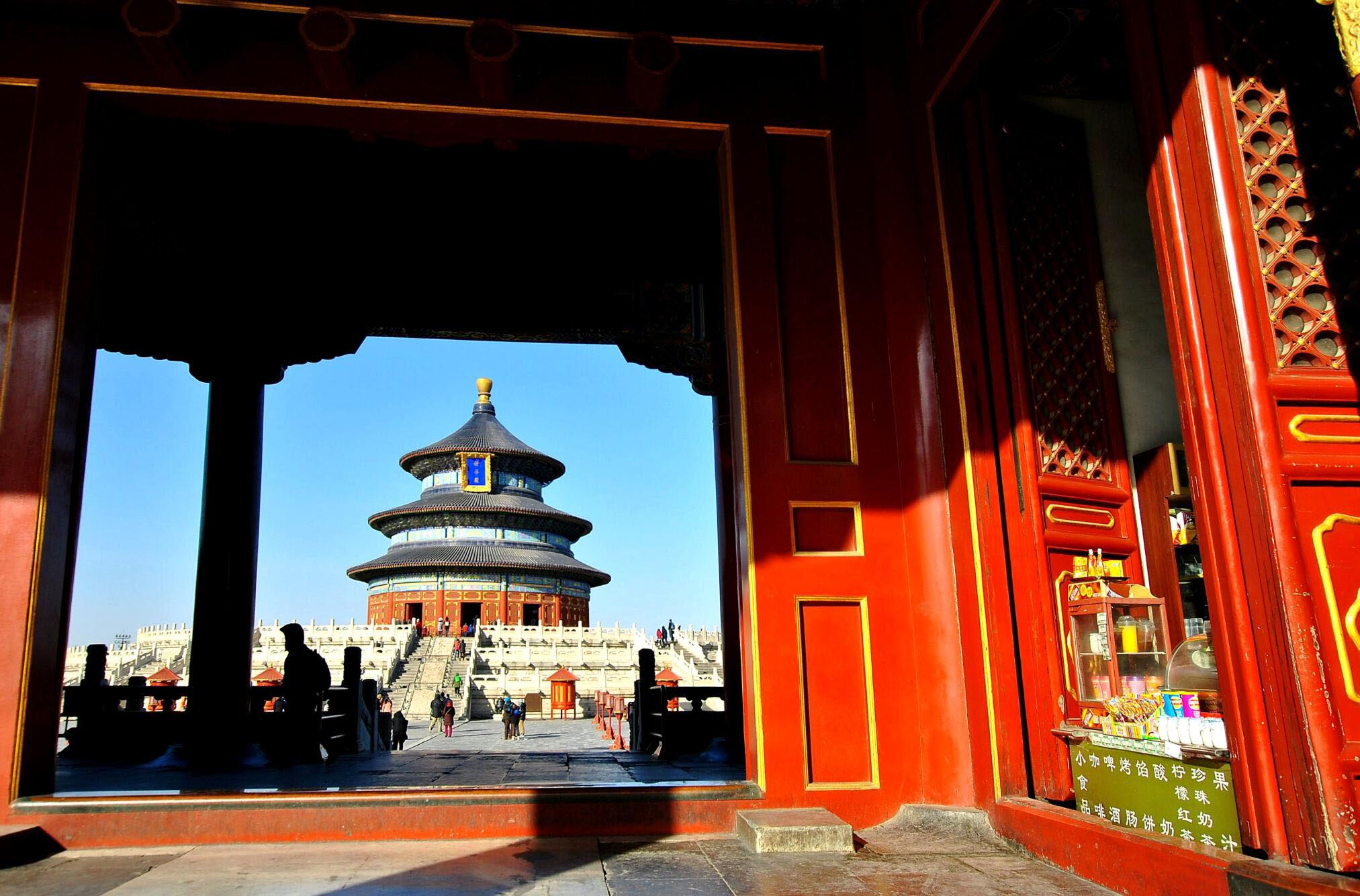
Your final destination will be the Temple of Heaven built in 1420, it is the largest and most representative existing place among Chinese ancient sacrificial buildings where you can bask in the amazing view of the city and learn about the cultural significance of the area.
~ 1-1.5 h : Transfer to Airport
The driver will transfer you to the airport for a flight to your next destination. Have a nice journey!
~ 1.5-2 h : Transfer to Airport
The driver will transfer you to the airport for a flight to your next destination. Have a nice journey!
Itinerary
Beijing Capital Airport Layover Tours:
Your friendly tour guide and driver will greet you at Starbucks Coffee in Beijing Capital Airport.
1-1.5 h

Beijing Daxing Airport Layover Tours:
Your friendly tour guide and driver will greet you at Beijing Daxing International Airport.
1.5-2 h

0

Explore the largest ancient palatial structure in the world and splendid Chinese history
Appreciate spectacular and grand imperial palace
0.5 h

1-1.5 h
Beijing Capital Airport Layover Tours:
The driver will transfer you to the airport for a flight to your next destination. Have a nice journey!
1.5-2 h
Beijing Daxing Airport Layover Tours:
The driver will transfer you to the airport for a flight to your next destination. Have a nice journey!
Private Tour: Your friendly tour guide and driver will greet you at Starbucks Coffee in Beijing Capital Airport Terminal 2 or 3. (You will need about 1-1.5 hours to finish the customs clearance and get out)
Group Tour: Be met your tour guide at Starbucks Coffee of Beijing Capital Airport Terminal 3 (beside the international exit B). If your flight arrives at Terminal 1 or 2, please take the airport shuttle bus to Terminal 3. But we can transfer you to Terminal 1 or 2 to catch your next flight after the tour.
Includes & Excludes
Entrance tickets
Professional private English speaking tour guide
Airport pickup and drop off
Air-conditioned vehicle
Bottled mineral water
Tips to the guide and driver
Meals
Booking Notes
Beijing Layover Group Tour:
Our layover group tour around 15 persons picked up from different airlines and departure on time.
Requires at least 2 persons for booking.
Suitable for tourists who would like to travel with other tourists and save money.
Please go to the meeting point at Starbucks Coffee at the arrival floor (near Exit B) in Terminal 3 on time.
Tour duration and schedule are strictly fixed.
Private Beijing Layover Tour:
The private layover tour is only for you and your team, no need to wait for other travelers. Time-saving.
More flexible for picking up time and address according to your flight details, will send you back to the airport or hotel according to your request.
If your flight delayed, your private tour guide will extend 2 hours of your pick up time wait until seeing you at the airport.
Can customize tour itinerary according to your interests
Payment Methods
Please book your layover tour on the website in advance, and you can pay full payment or a half deposit through PayPal or optional credit card when booking online. Confirmation will be received at the time of booking
Cancellation Policy
If your flight is canceled or delayed and you inform us at least 4 hours in advance before the scheduled pick-up time, there is no cancellation fee.
If you are not able to get out of the airport for some reasons and inform us before your pick up time, we will refund part of tour fee to you (Excluding driver and guide airport transfer charges). Beijing layover group tour is not refundable.
Reviews

 Review
 Review

benniejay
Yes everything was spectacular and fascinating very professional and prompt services. There were beautiful places to explore and to see in the 4 hours that we had. The comfort and beauty of the China was incredible, The history, culture and way of life of the local people we bumped into during the layover was beyond our expectations. Hiking on the Great wall after driving through a small remote countryside was very relaxing and rejuvenating. It was the best trip ever to experience on a few hours.
We had not previously used a travel agency for touring. The crew including the driver and tour guide were really funny, friendly and knowledgeable. Despite having limited time we still had free time allowing for shopping and grabbing a meal and drinks. Highly recommend this layover in Beijing. Show less

mirceao455
Bucharest, Romania
Great, compact, amazing tour. Our guide Jenny did the best to show us the most important attractions in Beijing in just a 2 day tour. I recommand her tours, she is great with groups, friendly and well prepared. Show less
More
2funworldtravers
Mike and Karen, Tucson, Arizona Show less
More
pedro148595
Highly recommend for everyone coming to Beijing Show less
MoreFAQ
Got Question & Quick Answer


©2013- www.chinavisafreelayovertour.com

Price

Itinerary

Booking Notes

Reviews

FAQ

User Name:
Email:
Password:


Confirm Password:
Verification Code:
Email:
Password:
Email:
New Password:
Confirm Password:
Verification Code:


Tiananmen Square
Introduction
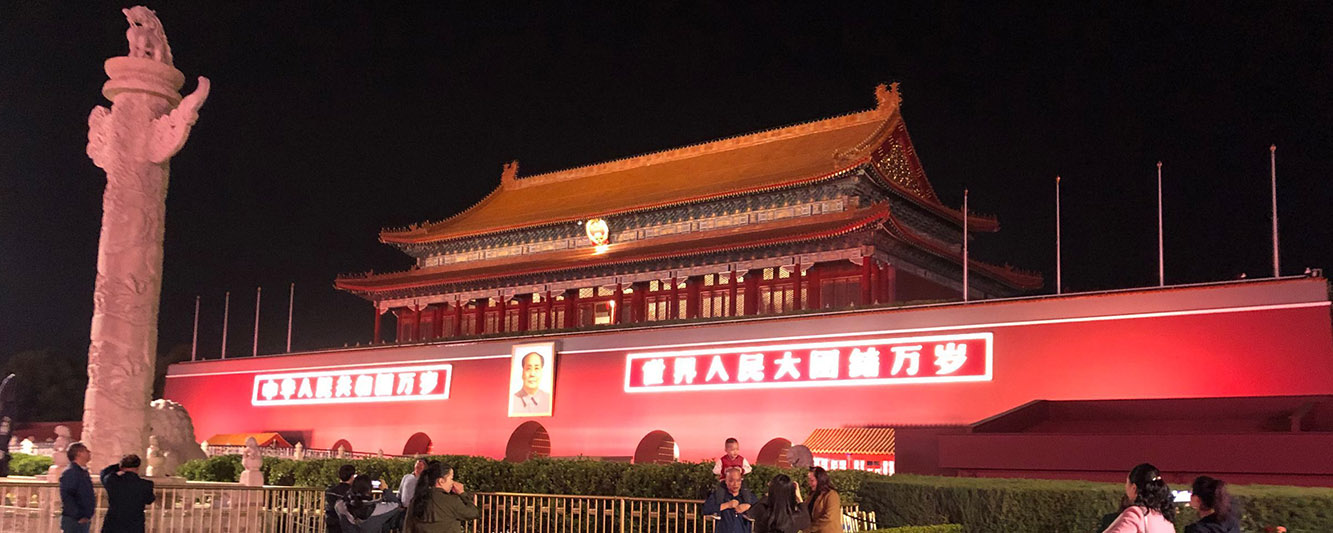
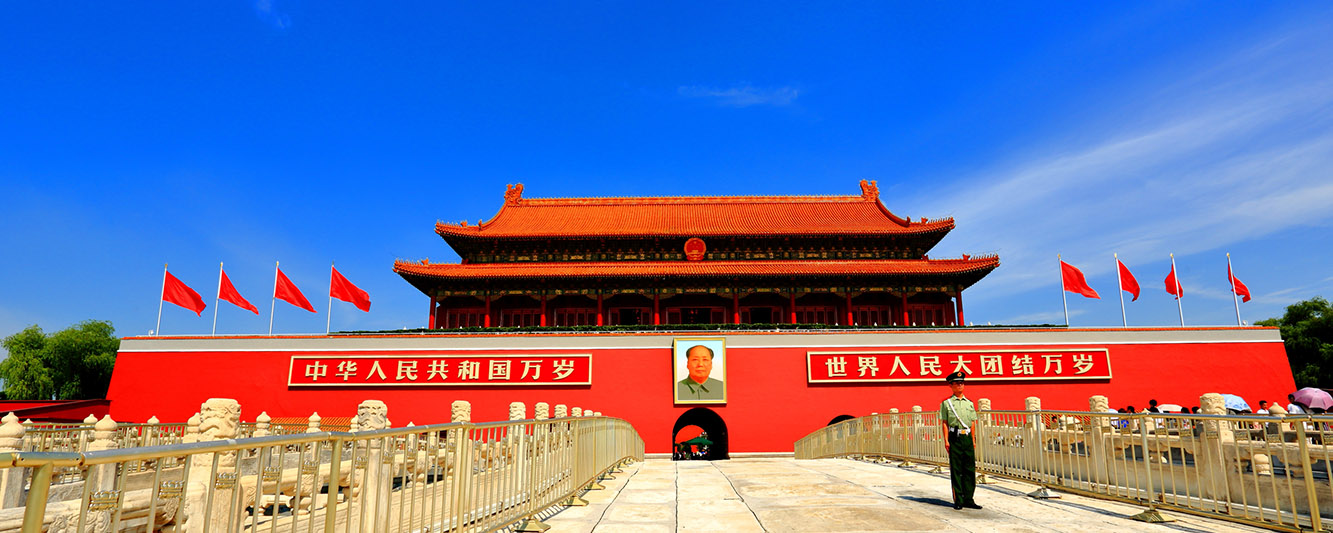
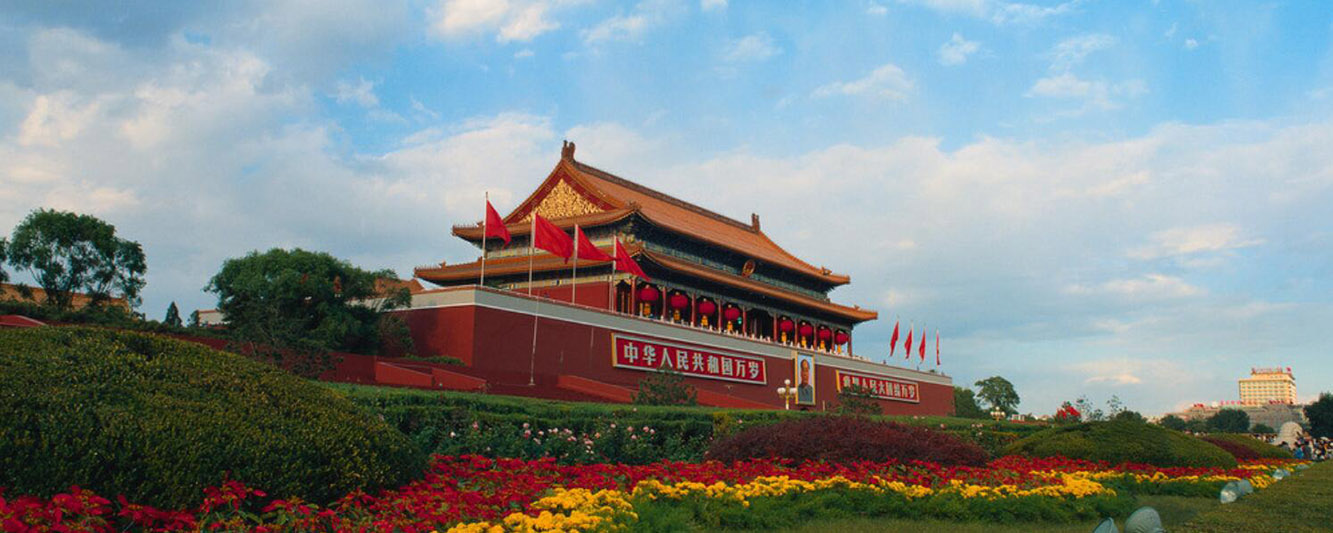
Tiananmen Square is also known as the gate of heavenly peace and is located in the center of Beijing, at Changan avenue. Tiananmen Square is named after Tiananmen Gate which is the entrance to the Forbidden City. The Square was originally built in 1651 and was later enlarged by four times when it was cemented with concrete in 1958.
It is enclosed by two imperial gates in the north and south with the north side being the Gate of Heavenly Peace also known as the Tiananmen Gate and the Front Gate towards the south known as Qianmen Gate.
As you approach Tian'anmen there is a Golden Water Bridge, a pair of columns made from white marble sculptured with lion and dragon designs that is not only for decoration but also the expect for the emperor.
Things and activities to do on a visit
Chairman Mao Zedong Memorial Hall
Located on the southern side of Tiananmen Square, this hall is divided into three parts and in one of the halls is the place where peple admire Chairman Mao at his crystal coffin surrounded by fresh flower bouquets. People offer respect to the greatest founder of the modern nation of China.
The Great Hall of the People
Situated on the west of Tiananmen Square is where the Great Hall of the People is located. This building was constructed in 1959 and is the site where congress meetings and diplomatic activities take place. Twelve marble posts are in front of the hall which has three parts the Central Hall, the Great Auditorium and a Banqueting Hall. The floor of the Central Hall is paved with marble and crystal lamps hang from the ceiling.
Monument to the People's Heroes
At the center of Tiananmen Square is a granite and marble monument that weighs over 10,000 tonnes that is known as the Monument to the People's Heroes built in 1952 and is one of the largest monuments in China's history. On the monument, Chairman Mao engraved “Eternal glory to the People's Heroes”, and visitors can testify the gradual development of Chinese modern history. It serves as a memorial to heroes who lost their lives in the revolutionary struggle and conflicts of the early 19th and 20th centuries from the First Opium War to the Civil War.
Tiananmen Tower
Built in 1417 during the Ming Dynasty at the north end of the Square, this tower has been built and rebuild through the course of time until 1661 during the reign of Emperor Shunzi when it was remodeled, rebuilt and named the Tiananmen Tower. It measures 38 meters in height and 66 meters in length and has five arched gates, only royalty was allowed to enter from the middle gate. Today the tower is widely recognized by the Chairman Mao portrait which hangs above the archway gates.
China National Museum
The China National Museum location is right in front of the Great Hall of the People and was constructed in the year 2003 with a set up of a mix of Chinese History Museum and Chinese Revolutionary Museum. It occupies close to 200,000 square meters in exhibition space and is the third largest museum in the world with over a million priceless relics dating back to 1.7 million years. The museum is home to cultural relics, material objects, books, pictures and models to present the growth of China through its long history and rich culture of China. Get into concise Chinese General History, and visit remains of the prehistoric Yuanmou Man.
Flag Raising and lowering Ceremony
This is one of the focal points in the Tiananmen Square attractions flying high in the sky above Tiananmen Square. A seven-ton flagpole that is renowned for the raising ceremony takes place very early in the morning and lowering takes place in the evening and many tourists both from home and abroad look forward to seeing the guard of honor raise the flag and change guard. The reviewing stands flanks were opened on the west and the east sides to watch the ceremony. The flag is affixed and raised in time to the rising sun and the lowering is at dusk over an approximate two minutes and seven seconds after which the national anthem plays afterwards.
Statues
Situated at the back of the Monument of the People’s Heroes there are a couple of statues that pay tribute to workers, soldiers and just normal people who took part in China’s revolutions; the eastern statue represents the New Democratic Revolution period and the western side statues pay homage to those who contributed to the construction of chairman Mao’s leadership structure.
Magnificent Flower Beds
Tiananmen Square is home to the most extraordinary and ever-changing colorful floral displays according to seasons and it gets into its peak during special occasions and national holidays.
Forbidden City
Introduction
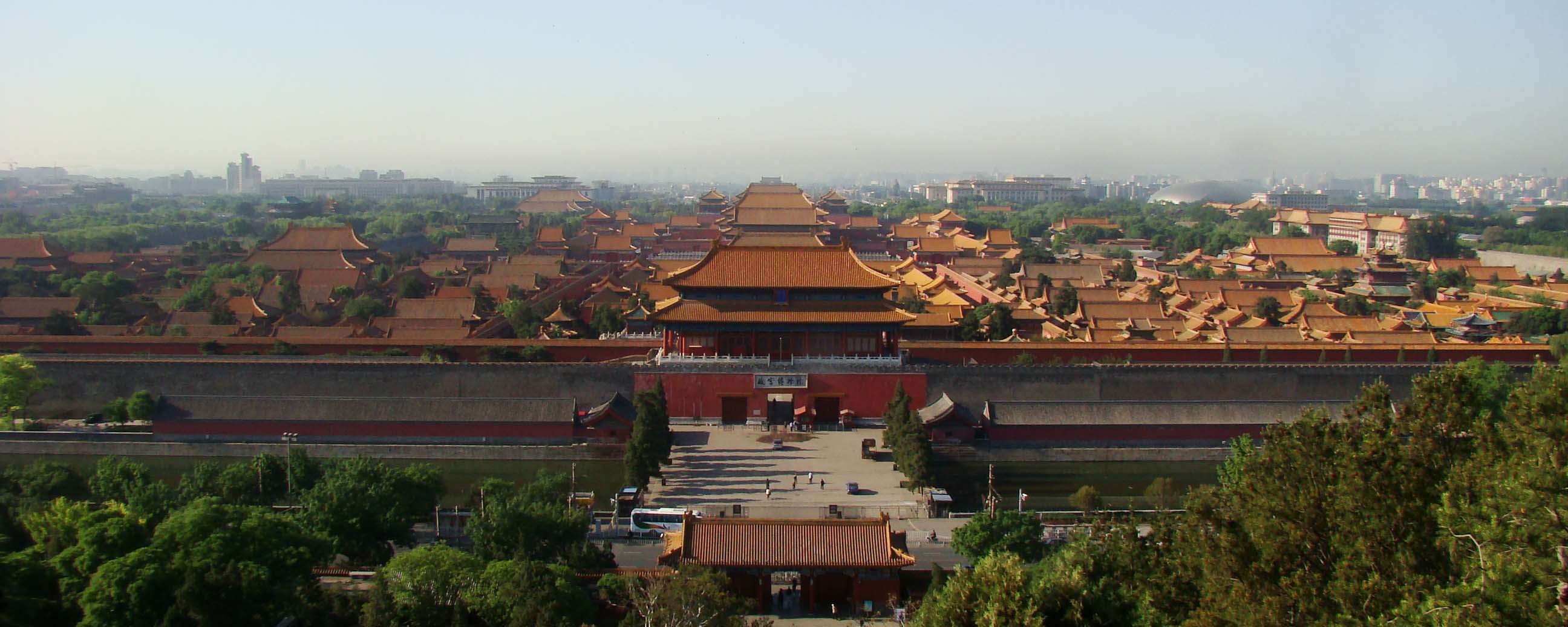
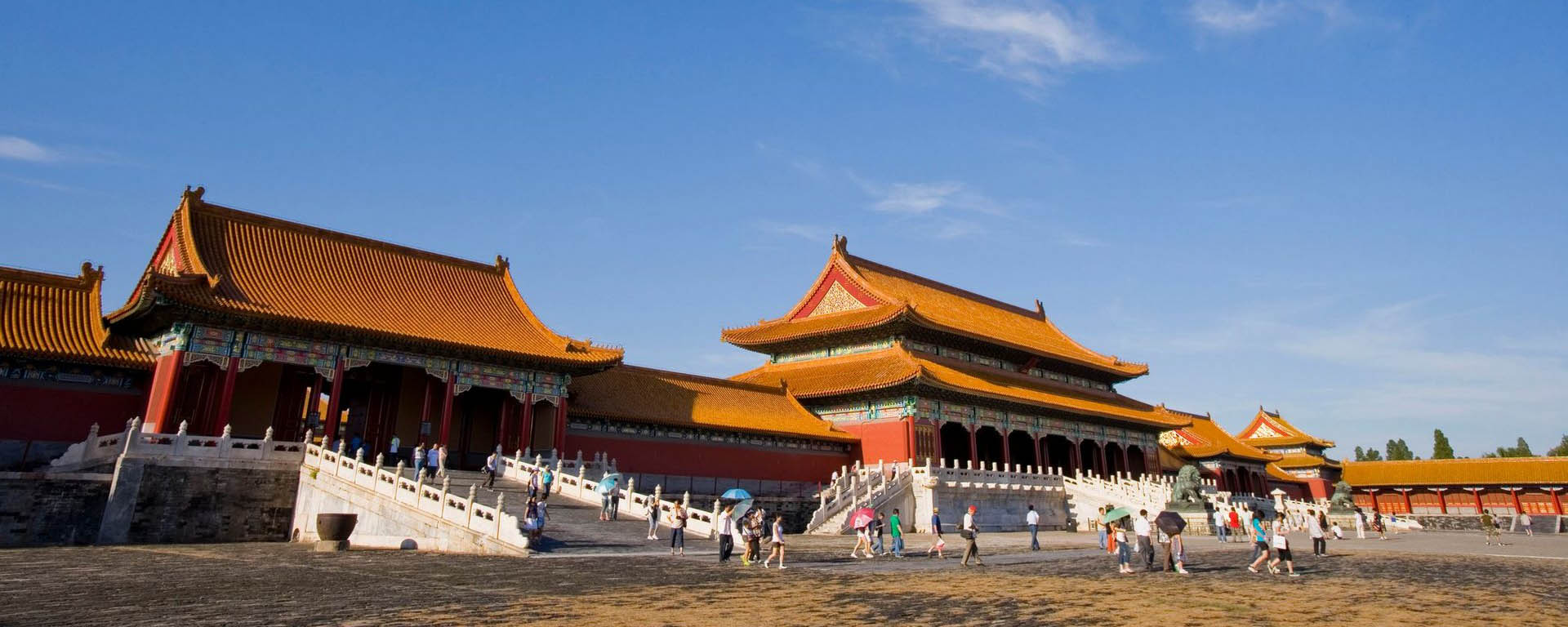
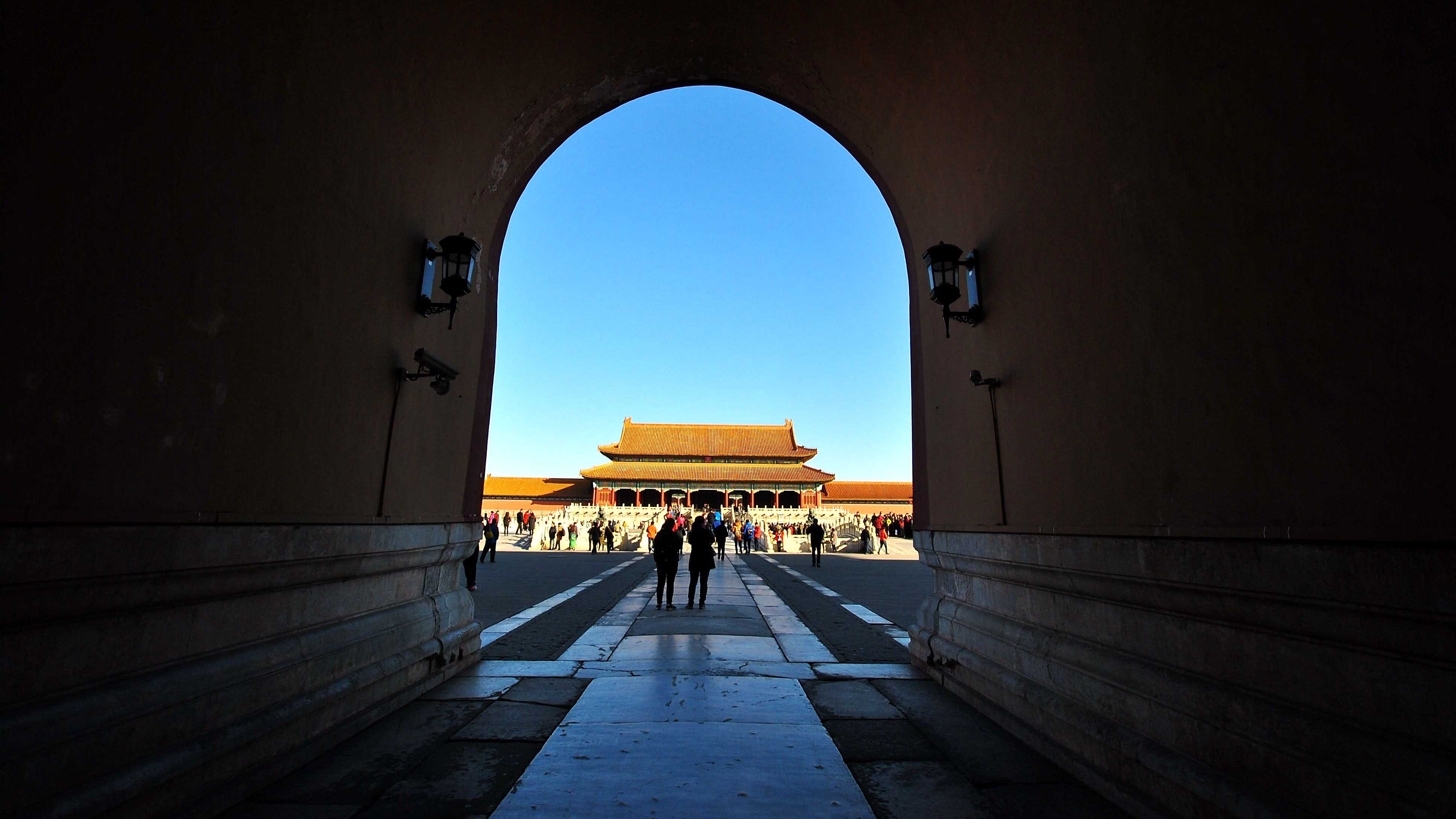
The Forbidden City is an awe-inspiring building situated in the center of Beijing city and towards the northern side of Tiananmen Square. It was constructed during the early Ming Dynasty in 1420 and took a total of 14 years to build from 1406 to 1420. Construction was done by a million workers and another one hundred thousand artisans who were subjected to long term hard labor yet displayed very impressive and considerable skills in building the City. For instance, the bricks used are extremely strong and were made from white lime and glutinous rice and the cement used was made from glutinous rice and egg whites.
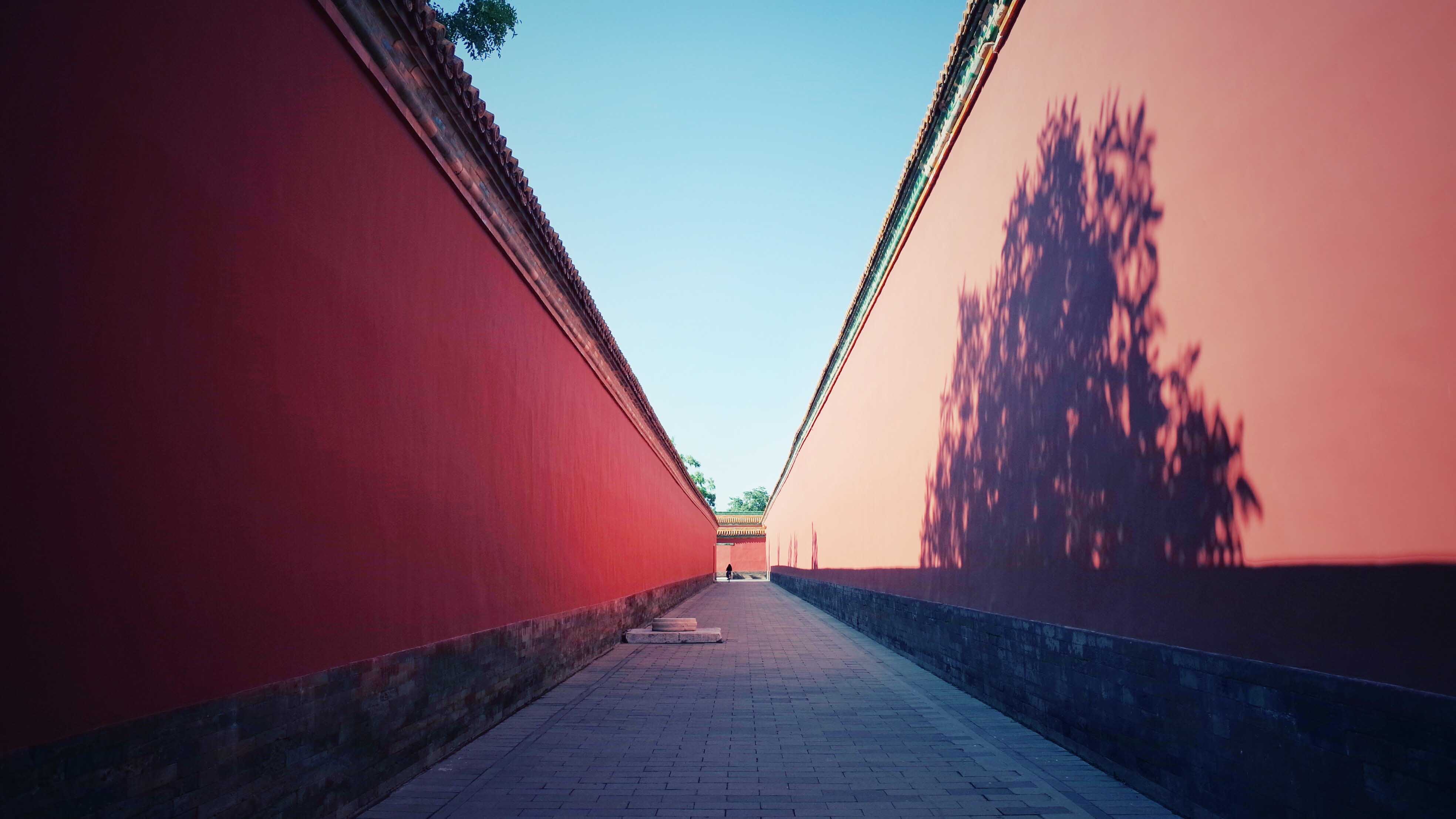
The city is one of the world's most captivating royal structures and global landmarks where visitors can discover Chinese history more comprehensively as well as learn about Chinese culture. It actually once served as the imperial palace for 24 emperors during the Ming and Qing Dynasties (1368 - 1911) and people were forbidden to enter into this city without special permission from the emperor. The last occupant who was even the last emperor of imperial China: Puyi left in 1925 after which the precinct was converted into the Palace Museum. The city covers a total of 74 hectares and it is surrounded by a 52 meters wide moat and a 10 meters high wall with gates on each side of the wall. The distance between the south Meridia Gate and the North Gate is 961 meters and the distance between the east and west gates is 753 meters. There are also other unique towers on each of the four corners of the wall that give excellent views of both the palace inside and the city outside.
The Forbidden City is divided into two parts. The southern section where the emperor exercised his supreme power and the northern section where the emperor lived with his royal family. The architectural style chosen for the Forbidden City reflects a sense of hierarchy with each structure designed in accordance with State Building Standards in Chinese social structure. Its design features a central axis, a symmetrical design of the outer court in the front and inner court at the rear part including courtyards derived from Yuan city layout.
Things and activities to do on a visit
Tickets of the attraction get tourists advanced reservation to visit the Beijing Palace Museum housed inside the Forbidden City and discover the rich and varied history of this breathtaking palace.
Palace Museum
The Forbidden City holds more than a million rare and valuable works of art, cultural relics and countless cultural artifacts from China’s long and splendid history dating all the way back from its earliest dynasties. There are also numerous exhibits going on in the Palace Museum with a collection of jade pieces, calligraphy, ceramics, paintings, bronzes, ancient books, historical documents and timepieces. In addition to this, there are also digital presentations with numerous sights to see and learn.
The Outer Court
The outer court has three main buildings, where emperors attended grand ceremonies and conducted state affairs. It contains spectacular palace compounds including the emperor’s places for religious rituals, formal reception halls and where state ceremonies are carried out. The first hall known as the hall of supreme harmony is the most important and largest structure in the Forbidden City and is where the emperors' Dragon Throne is situated. The second hall situated behind the Hall of Supreme Harmony is the place where Emperors would rehearse their presentations and speeches before heading to the Temple of Heaven for sacrificial ceremonies. It is also the resting place of the emperors before presiding over grand events held in the Hall of Supreme Harmony. The last hall is the hall used for banquets and imperial examinations.
Inner Court
This inner court is what was known as the domestic space, dedicated mainly to the imperial family. It includes the palaces in the northern part of the Forbidden City. The northeastern corner of the complex is known as the Tranquil Longevity Sector where the Empress Dowager and the many imperial concubines resided where visitors can see well preserved nine dragon wall particularly noted as one of just three of this type of decorations that remains prominent in China. The Palace of Heavenly Purity (Qianqinggong) is located on the south while the Hall of Celestial and Terrestrial Union (Jiaotaidian) where imperial weddings and familial ceremonies took place. In addition to the living quarters, you can admire the beautifully preserved architecture.
The western and eastern sides of the inner court were back in the days reserved for the retired emperor and empress dowager. The last major construction in the imperial precinct took place when Emperor Qianlong built his post-retirement palace and the Hall of Pleasant Longevity in the northeast corner of the Forbidden City. There are also structures for the imperial family’s religious activities in the inner court towards the eastern and western sides where the Buddhist and Daoist temples are located.
Hall of Clocks
This impressive Hall of Clocks features unique, intricate and lavish timepieces that were gifted to Qing emperors by different European leaders from the 17th.
Traditional Gardens
There are a couple of gorgeously preserved grounds side gardens to explore and learn Chinese history through the countless cultural artifacts.
Temple of Heaven
Introduction
The Temple of Heaven is located in Dongcheng District towards the southeast side of the Forbidden City. It was built in the first half of the 15th century and covers an area of 273 hectares and can be estimated to be four times larger than the size of the Forbidden City. Emperor Zhu Di spent 14 years to complete the construction of the temple after which it was named Temple of Heaven and Earth at that time but was later renamed in the Ming Dynasty by Emperor Jiajing to the Temple of Heaven.
The layout of the Temple of Heaven takes a rectangular ambulatory plane shape made up of two wall altars that are subdivided into the inner altar measuring 3292 meters and the outer altar measuring 6416 meters. The arrangement of the buildings of the temple reflects the relationship between heaven and earth with the southernmost wall being rectangular in shape and is lower representing the earth while the northern wall that takes the shape of a semi circle symbolizing heaven which is higher.
The Temple reflects the core mystical Chinese cosmological laws that represent the relationship between heaven and earth considered to be the central to the workings of the universe.
Things and activities to do on a visit
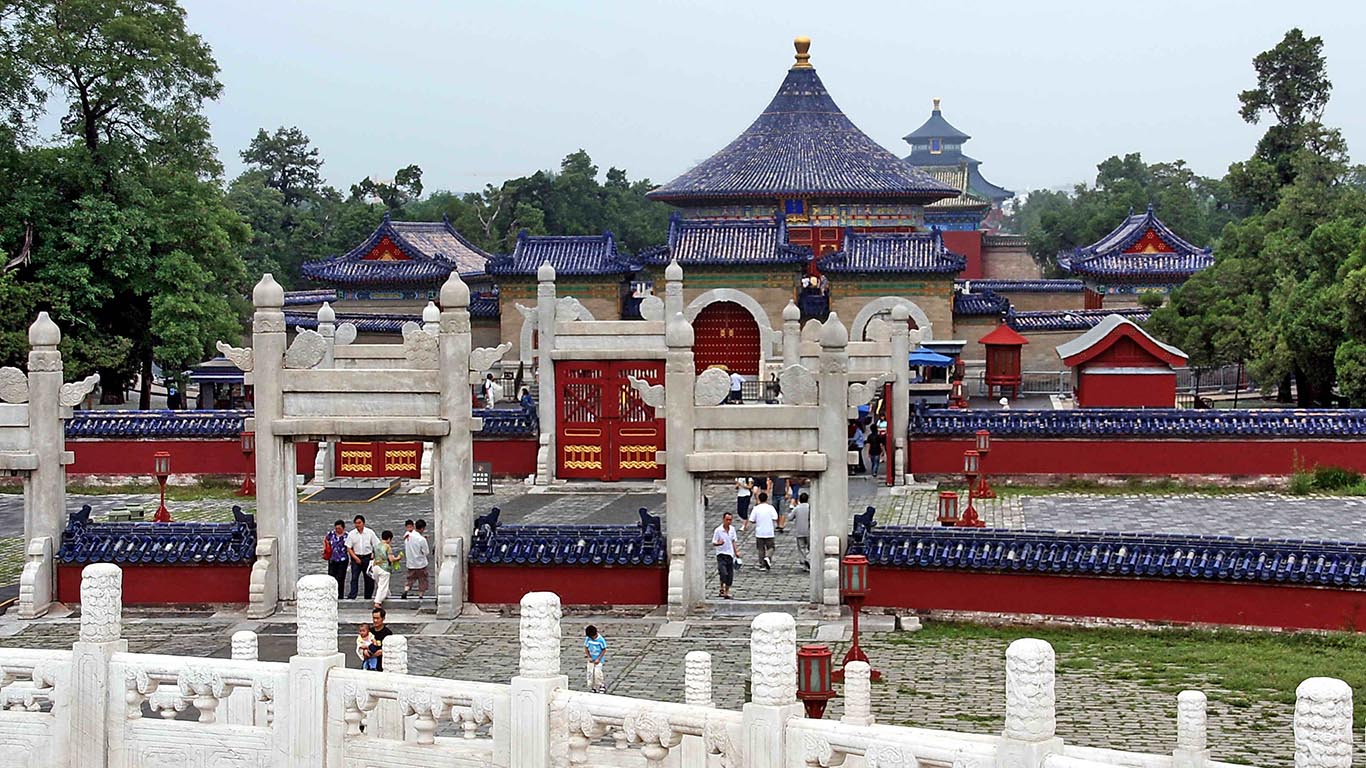
Circular Mound Altar
A three-layered altar made of marble that is located in the south side of the Temple of Heaven. The Circular Mound Altar was used by emperors uses for carrying out the winter solstice ceremony normally on September 9th of the Lunar Calendar. This impressive engineering feat was designed such that it makes sounds travel in a certain way ensuring the emperor will be heard in the heavens.
Imperial Vault of Heaven
Imperial Vault of Heaven was reconstructed by Emperor Qianlong and is situated inside the Temple of Heaven, towards the northern side of the Circular Mound Altar. It was the hall dedicated to housing stone tablets also known as God’s tablets that were used in the harvest prayer ceremony.
Echo Wall is a round wall outside the Imperial Standing at 3.72 meters high, 0.9 meters thick and 5.2 meters in diameter, this wall has a circumference of 193.2 meters. The wall has a special sound transmission effect because the wall’s eaves and its hermetically laid bricks create a refraction of sound effect. If one person speaks inside the wall facing the north direction, the sound will echo for many times and be heard throughout the wall so long as the courtyard is not so crowded.
Hall of Prayer for Good Harvests
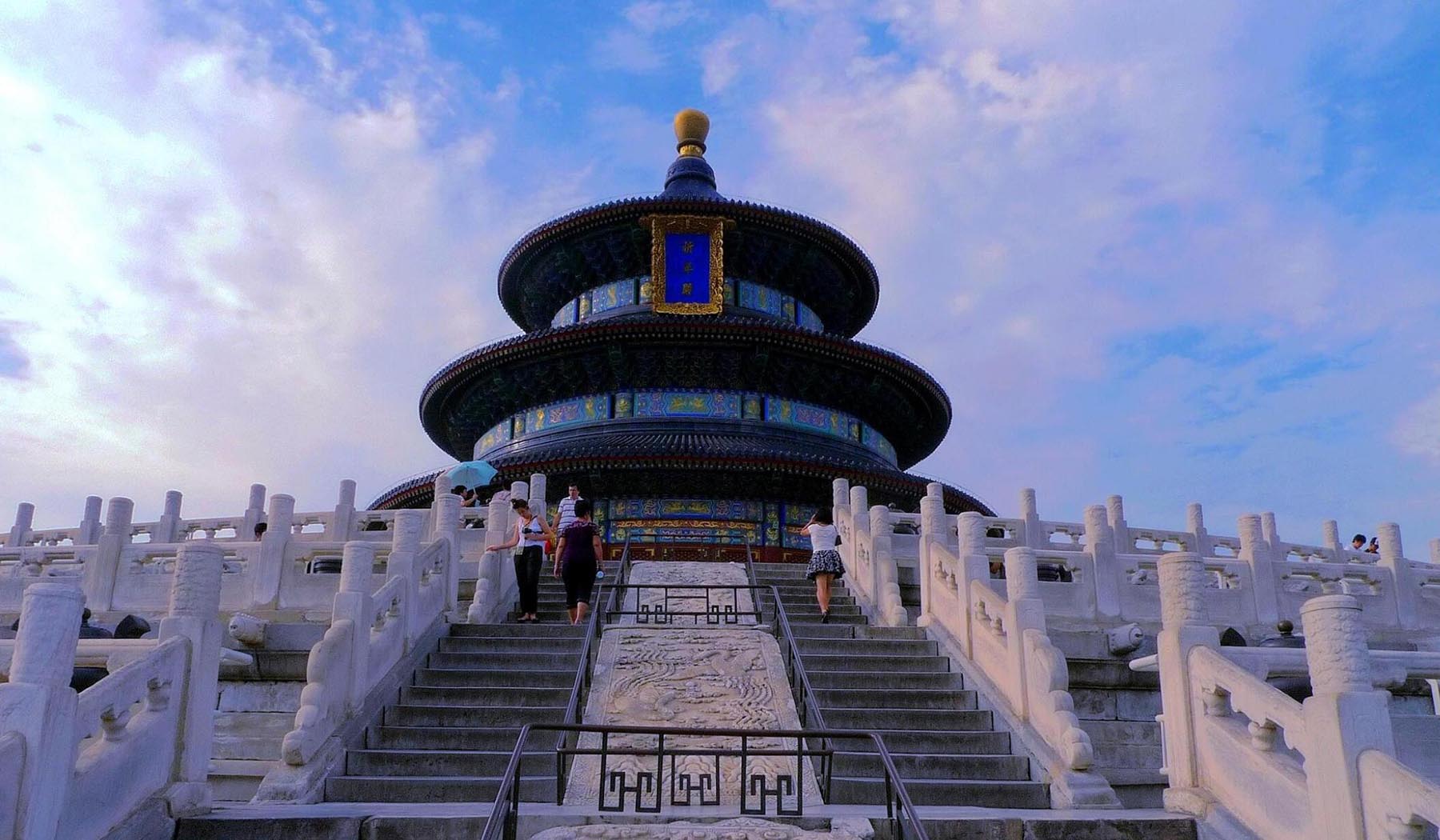
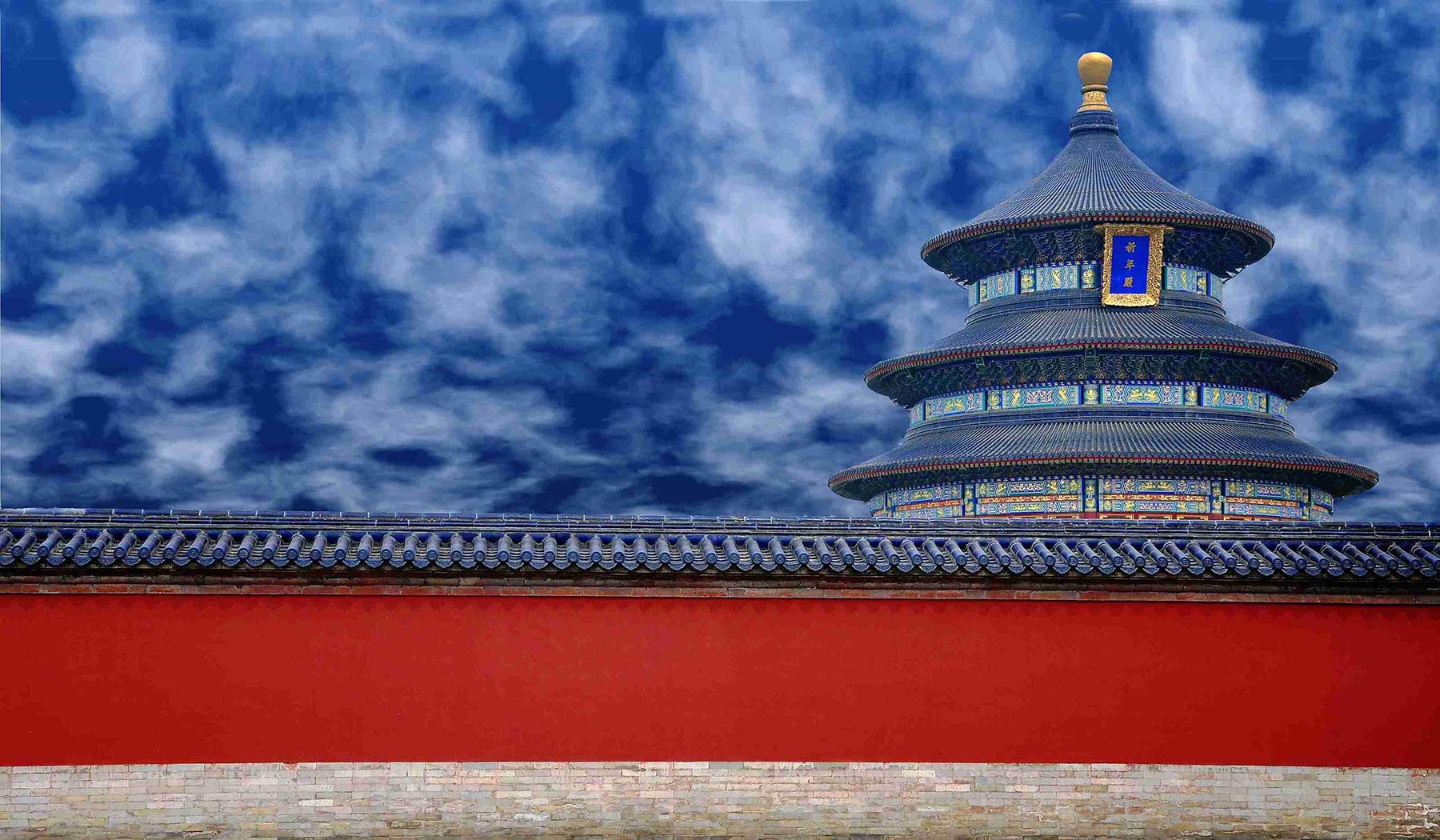
Located on the northern side of the Temple of Heaven, this Hall of Prayer for Good Harvests is a national treasure and is the main building at the Temple that emperors prayed yearly for good harvests. Its original structure was struck by lightning and reduced to pieces in 1889 but was later rebuilt in the same Ming Dynasty style.
It is made up of three-tiered circular roof painted dark blue and paved with blue glazed tiles with hues of yellow and green symbolizing heaven and earth. There 28 pillars supporting the entire roof and all have a symbolic meaning. The four innermost pillars represent the four seasons and the 12 middle pillars represent the 12 months of the year and the outermost 12 pillars represent the two 12 hours that make a day.
Hall of Abstinence
Covering an area of about 40,000 square meters, this hall is located inside the West door of the Temple of Heaven. It is made up of double walls and its inner wall is surrounded by a long corridor that was used as a shelter for soldiers. At the front of the main hall are a Time Pavilion and Abstinence Pavilion that has five chambers that were worship grounds for emperors to abstain from wine and meat amongst other meals.
Seven Star Stones
With eight stones in total, the Seven Star Stones were set up according to the Big Dipper sky constellation where seven stones all of the same size comply with the similar brightness of the stars as seen by the naked eye from down on earth and the eighth stone that is smaller in size is believed to be the Alcor; a companion star to Mizar.
Winter Solstice Ceremony
The winter solstice sacrifice ceremony was carried out for good harvests in the first month of the lunar year and remained the most important religious and political activity. The ceremony was always carried out following set procedures and it was perceived that even a small deviation would upset the heavens.
Three days prior to the commencement of the ceremony, the emperor and his officials camped at the temple from their residence in the Forbidden City. The Emperor would dress up into ceremonial robes and abstain from eating meat, drinking wine, music, sex and politics as a sign of piety. A day before, sacrificial offerings would be prepared by slaughtering cattle and putting in place over 700 utensils used for the rituals.
Danbi Bridge
This is a 360 meter bridge that connects the north and south altars extending from the Circular Mound Altar all the way to the Hall of Prayer for Good Harvests which is the main road through the Temple of Heaven and Beijing’s first overpass. There are three marble walks on this bridge where emperors followed the right lane, officials followed the left lane while the middle walk was for the gods.
Morning Exercises
The Temple of Heaven is a beehive of activity every early morning and tourists get an interesting experience watching local people doing morning exercises, watching locals practicing tai chi, kung fu and even martial arts. Many visitors get the opportunity to join in the activities during their visit to the Temple.
 Home
Home


