


Email: info@chinavisafreelayovertour.com
Phone: +86-13683536536
WhatsApp/iMessage: +86-13683536536
WeChat: +86-13683536536

Member
 Beijing Airport Layover Tour
Mutianyu Great Wall Layover Tour with Enjoying Olympic Park and Hutong Nightview
Beijing Airport Layover Tour
Mutianyu Great Wall Layover Tour with Enjoying Olympic Park and Hutong Nightview
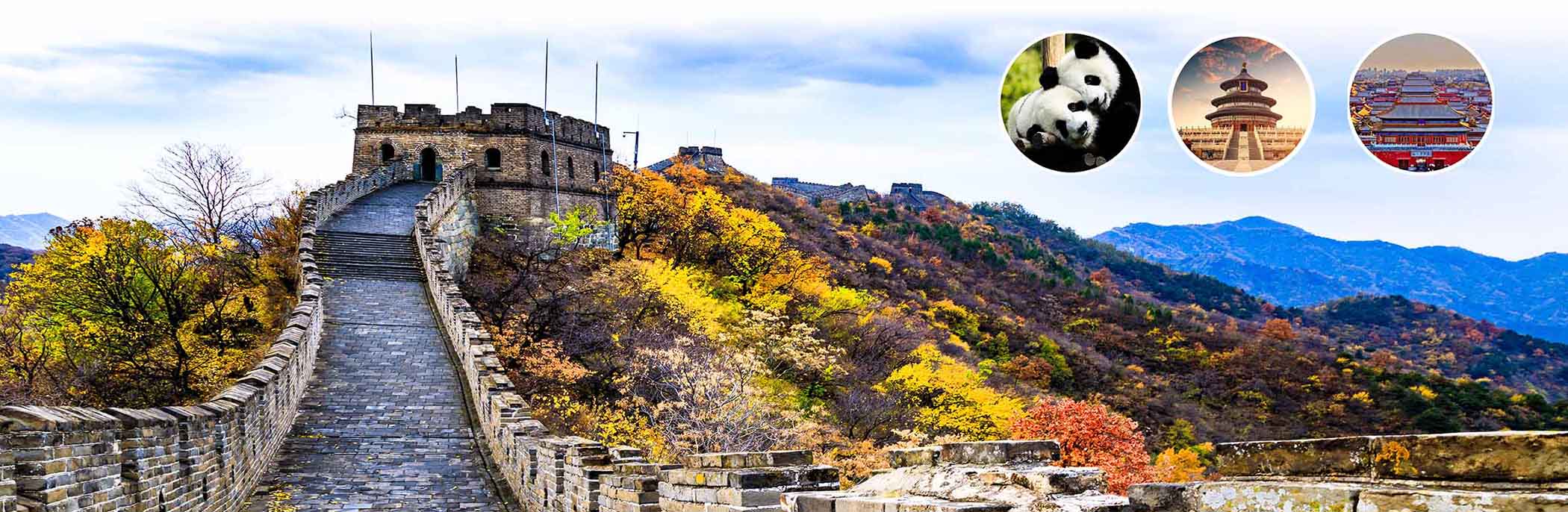
Beijing Capital Airport Layover Tours
Beijing Daxing Airport Layover Tours
Private Tour
1 Person $260
2 Person $158
3 Person $130
4 Person $115
5 Person $110
6 Person $105
7 Person $100
8 Person $96
9 Person $90
10 > Person $85
Price Per Person in USD

Travel personnel
Number of rooms
Price : $1269
 NO HIDDEN CHARGES
BEST PRICE GUARANTEE
CATCH UP FLIGHT GUARANTEE
FREE WARM COATS
NO HIDDEN CHARGES
BEST PRICE GUARANTEE
CATCH UP FLIGHT GUARANTEE
FREE WARM COATS
Are you going to have a long layover in Beijing? Take the best chance to know and visit the most famous, historical and cultural sites in Beijing, such as the Tiananmen square (the most important square in the whole China), the Forbidden city (ancient home of emperors) and Mutianyu Great Wall (one of the new 7 wonders of the world). Our professional tour guide and driver will pick you up at the airport, we will take you for a quick Beijing tour and get you back on time for your next flight. booking this layover tour can be a memorable part of your epic trip!
Tour Itinerary
Travel Calendar


Day 1
Airport Pickup, Mutianyu Great Wall, Dinner, Beijing Olympic Park, Hutong, Transfer to Airport

Your friendly tour guide and driver will greet you at Starbucks Coffee in Beijing Capital Airport Terminal 2 or 3. (You will need about 1-1.5 hours to finish the customs clearance and get out)
~ 1.5 h : Drive to Mutianyu Great Wall
Your friendly tour guide and driver will hold your name board and greet you at the arrival hall exit of Beijing Daxing International Airport. (You will need about 1-1.5 hours to finish the customs clearance and get out)
~ 2.5 h : Drive toMutianyu Great Wall
~ 2 h : Visit Mutianyu Great Wall
 Soak up the charm of this Chinese city for yourself and be blessed with immeasurable charm in a lively yet relaxed at the Mutianyu Great Wall where you can enjoy a memorable walk along a section of one of mankind's most incredible creations.
~ 5 mins : Drive to Dinner
~ 1 h : Dinner
Visiting the Great Wall leaves you with a great deal of appetite which will be sorted by a feast prepared at one of the local restaurants.
~ 1.5 h : Drive to Beijing Olympic Park
~ 1 h : Visit Beijing Olympic Park
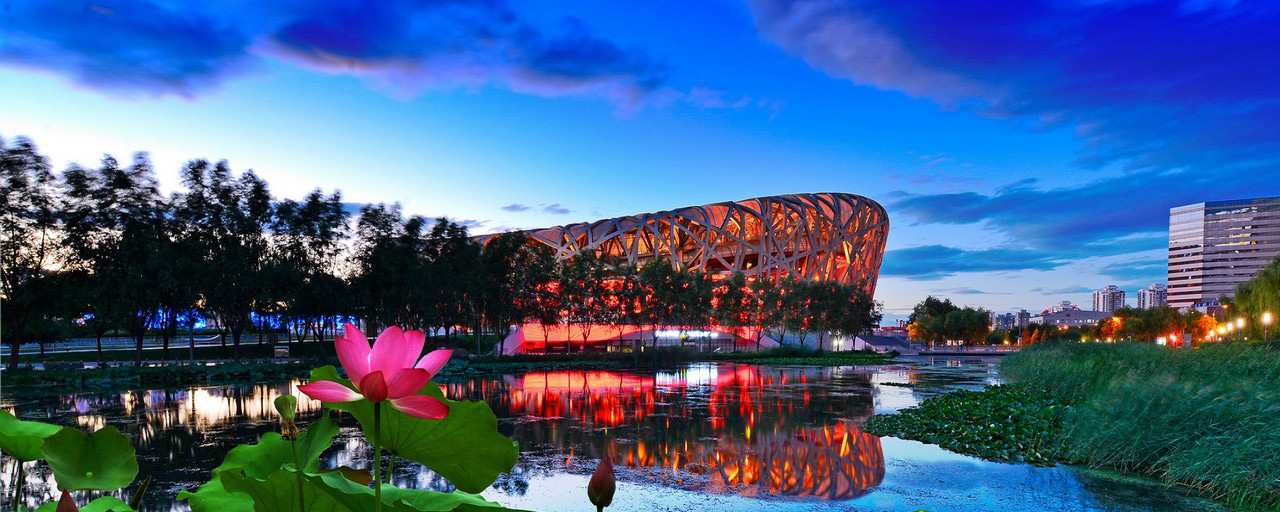
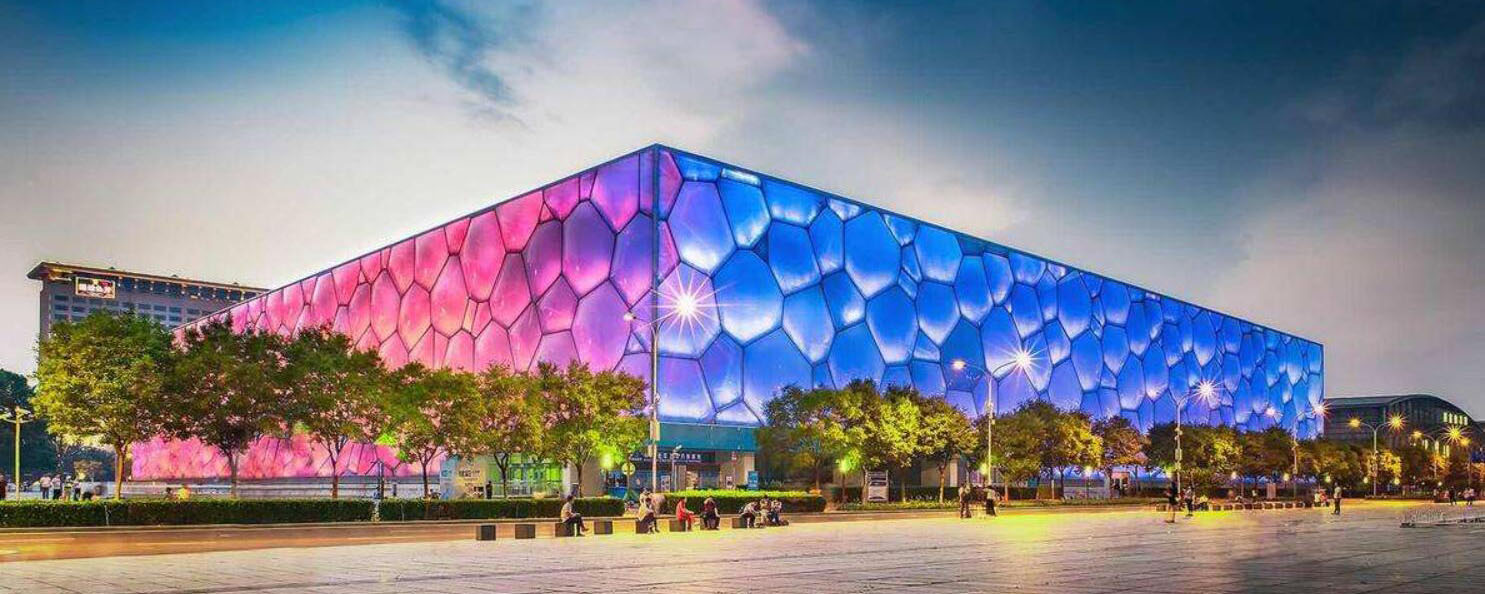
Proceed to the Olympic Park where the 2008 Summer Olympic Games and Paralympic Games took place in the Bird’s Nest and the Water Cube.
~ 20 mins : Drive to Hutong
~ 1 h : Visit Hutong
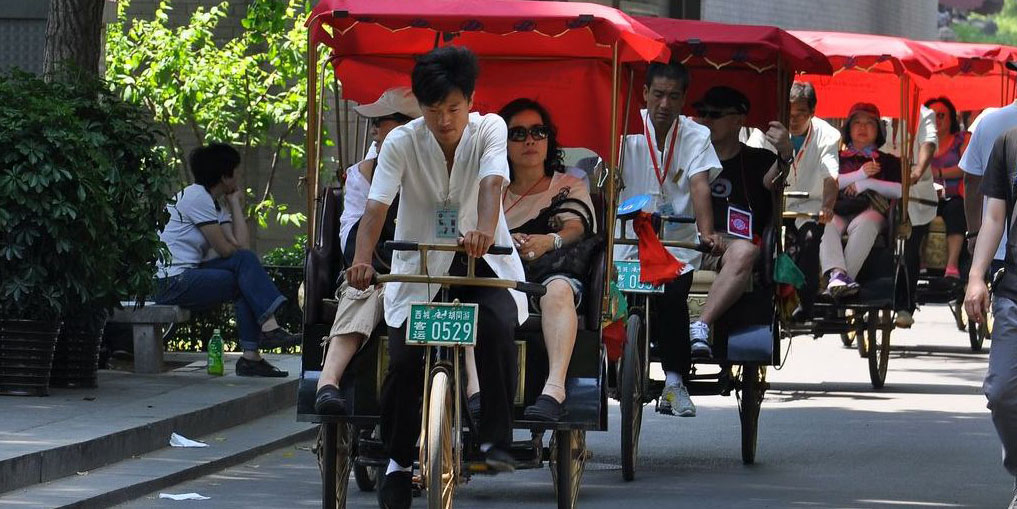
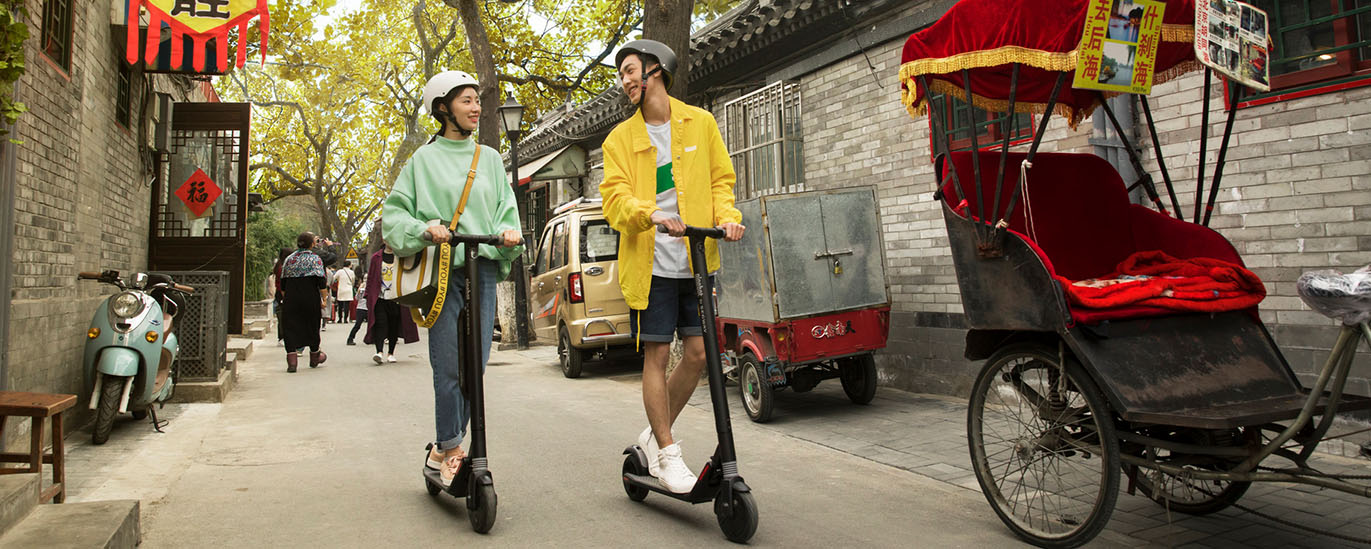
Afterwards get behind the scenes and peek into Beijing’s fascinating Hutong alleyways learning the life of the locals and experiencing the contrast of modern urban life.
~ 1 h : Transfer to Airport
The driver will transfer you to the airport for a flight to your next destination. Have a nice journey!
~ 1.5-2 h : Transfer to Airport
The driver will transfer you to the airport for a flight to your next destination. Have a nice journey!
Itinerary
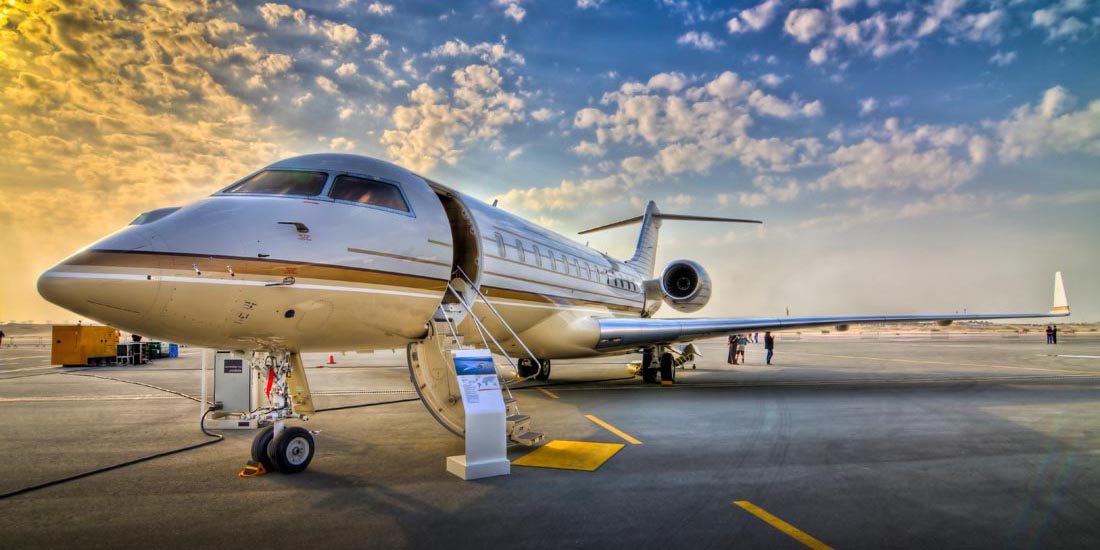
Beijing Capital Airport Layover Tours:
Your friendly tour guide and driver will greet you at Starbucks Coffee in Beijing Capital Airport Terminal 2 or 3. (You will need about 1-1.5 hours to finish the customs clearance and get out)
1.5 h

Beijing Daxing Airport Layover Tours:
Your friendly tour guide and driver will hold your name board and greet you at the arrival hall exit of Beijing Daxing International Airport. (You will need about 1-1.5 hours to finish the customs clearance and get out)
2.5 h

Enjoy the top-rated and attractive Mutianyu Great Wall all year around
Easy to hike and suitable for all ages with interesting cable car and toboggan
Less traffic jam and tourists, best travel experience
5 mins
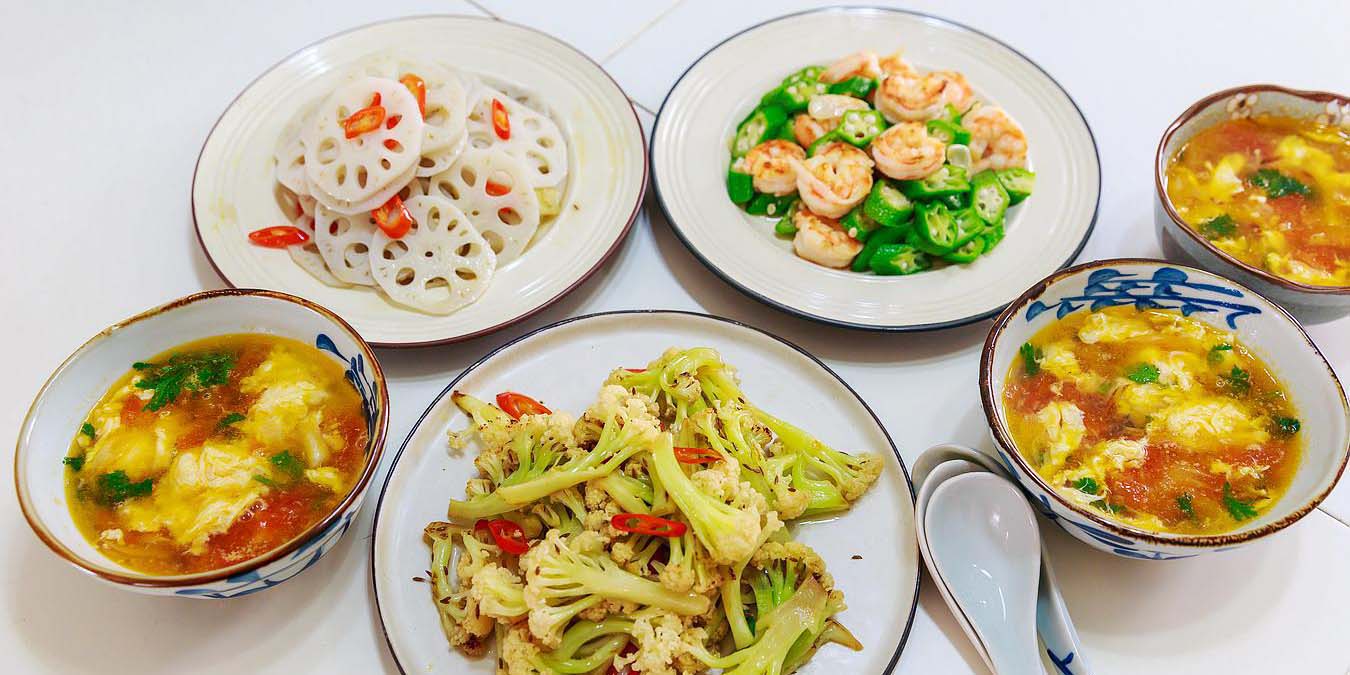
Visiting the Great Wall leaves you with a great deal of appetite which will be sorted by a feast prepared at one of the local restaurants.
1.5 h

Marvel at modern buildings built for 2008 Olympics Games
Enjoy the charming and gleaming Water Cube and Bird's Nest at night
20 mins

Wind through a labyrinth of alleyways and explore hidden delicious food
Experience centuries-old Chinese history from hutongs and courtyards
1 h
Beijing Capital Airport Layover Tours:
The driver will transfer you to the airport for a flight to your next destination. Have a nice journey!
1.5-2 h
Beijing Daxing Airport Layover Tours:
The driver will transfer you to the airport for a flight to your next destination. Have a nice journey!
Includes & Excludes
Entrance tickets
Professional private English speaking tour guide
Airport pickup and drop off
Air-conditioned vehicle
Entrance fees
Bottled mineral water
Round cable car at the Great Wall
Tips to the guide and driver
Booking Notes
Private Beijing Layover Tour:
The private layover tour is only for you and your team, no need to wait for other travelers. Time-saving.
More flexible for picking up time and address according to your flight details, will send you back to the airport or hotel according to your request.
If your flight delayed, your private tour guide will extend 2 hours of your pick up time wait until seeing you at the airport.
Can customize tour itinerary according to your interests
Payment Methods
Please book your layover tour on the website in advance, and you can pay full payment or a half deposit through PayPal or optional credit card when booking online. Confirmation will be received at the time of booking.
Cancellation Policy
If your flight is canceled or delayed and you inform us at least 4 hours in advance before the scheduled pick-up time, there is no cancellation fee.
If you are not able to get out of the airport for some reasons and inform us before your pick up time, we will refund part of tour fee to you (Excluding driver and guide airport transfer charges). Beijing layover group tour is not refundable.
Reviews

 Review
 Review

benniejay
Yes everything was spectacular and fascinating very professional and prompt services. There were beautiful places to explore and to see in the 4 hours that we had. The comfort and beauty of the China was incredible, The history, culture and way of life of the local people we bumped into during the layover was beyond our expectations. Hiking on the Great wall after driving through a small remote countryside was very relaxing and rejuvenating. It was the best trip ever to experience on a few hours.
We had not previously used a travel agency for touring. The crew including the driver and tour guide were really funny, friendly and knowledgeable. Despite having limited time we still had free time allowing for shopping and grabbing a meal and drinks. Highly recommend this layover in Beijing. Show less

mirceao455
Bucharest, Romania
Great, compact, amazing tour. Our guide Jenny did the best to show us the most important attractions in Beijing in just a 2 day tour. I recommand her tours, she is great with groups, friendly and well prepared. Show less
More
2funworldtravers
Mike and Karen, Tucson, Arizona Show less
More
pedro148595
Highly recommend for everyone coming to Beijing Show less
MoreFAQ
Got Question & Quick Answer


©2013- www.chinavisafreelayovertour.com

Price

Itinerary

Booking Notes

Reviews

FAQ

User Name:
Email:
Password:


Confirm Password:
Verification Code:
Email:
Password:
Email:
New Password:
Confirm Password:
Verification Code:


Mutianyu Great Wall
Introduction
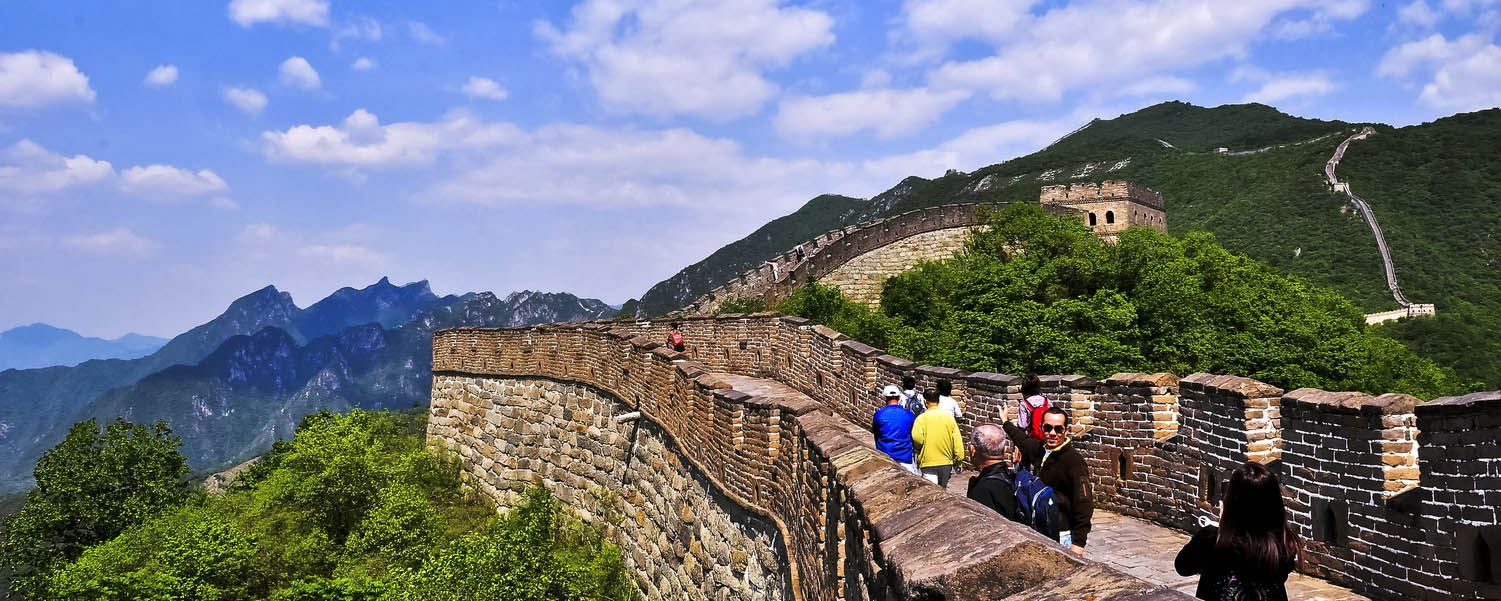
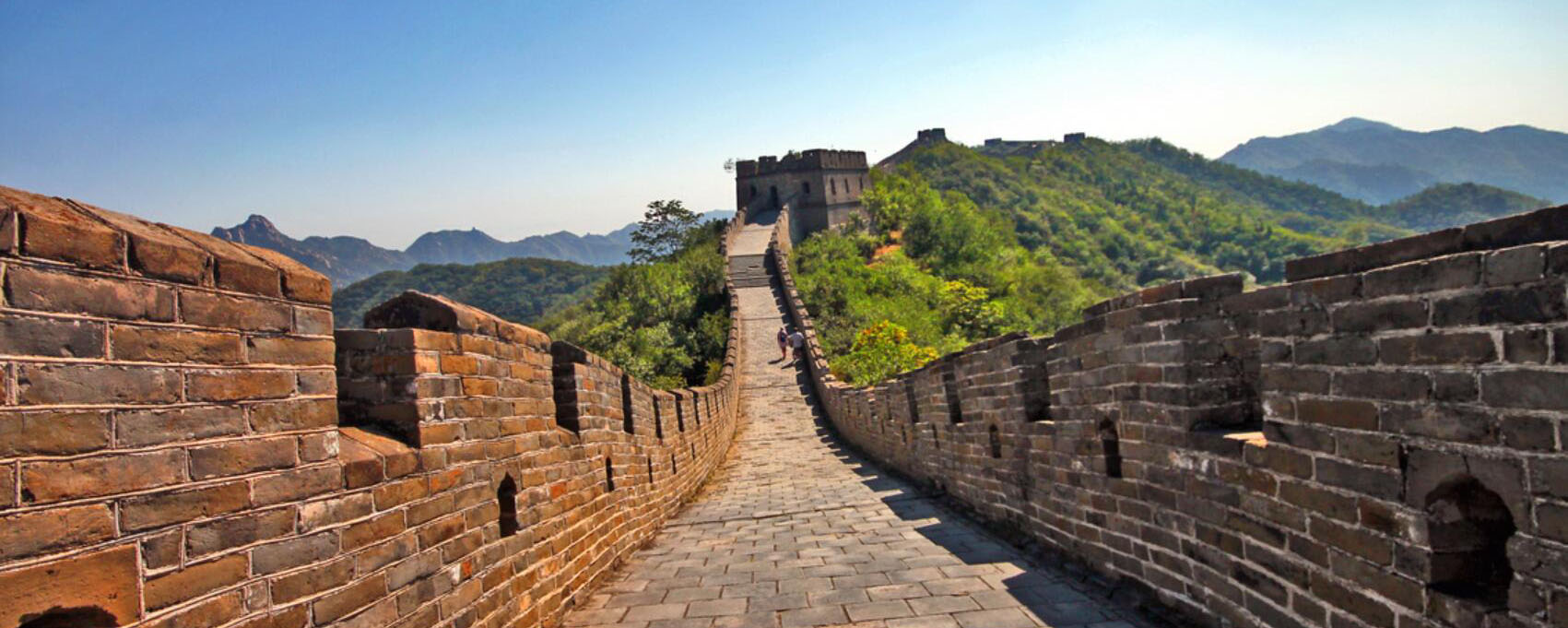
Mutianyu Great Wall is located in Huairou County at least 1.5 hours drive from downtown Beijing and from Peking International Airport it is 1 hour 20 minutes. It covers a total length of 3.4 miles and is made up of a total of 23 watchtowers which are densely distributed. This section of the Great Wall connects with Gubeikou towards the east and Juyongguan Great Wall section towards the west. This section of the wall attracts thousands of visitors because of its easier hiking conditions in addition to a range of convenient facilities including chairlift, cable car and toboggan.
The wall was first built during the Northern Qi Dynasty and during the Ming Dynasty Tan Lun and Qi Jiguang: two patriotic generals, reconstructed to further strengthen its defensive capabilities. Mutianyu was the northern protective screen and it guarded the capital and imperial mausoleums for so many years. The material used to construct the wall is mainly granite slabs measuring 8 meters by 4 meters by 5 meters. On both side of the wall are parapets that were used for the purpose of defense against enemies. Their normal shape is rectangular while others are unique and are saw tooth shaped.
Hiking from the base of the wall to the top watch towers takes around 40 to 60 minutes while exploring and walking the entire wall might take approximately 2 to 3 hours factoring in time for resting, relaxing and admiring the fortification.
Things and activities to do on a visit
Hiking
Mutianyu Great Wall is the best place for hiking as it has a smooth terrain. The section between tower 1 and 6 are very vertical and steep while from tower 19 to 20 the approximate 450 steps get too steep and most visitors find climbing these vertical steps quiet thrilling and exciting. The section between tower 4 and 19 is generally flat and suitable for visitors with less hiking capabilities and people with limited mobility abilities. For a much tough climb, hiking to tower 1 or Tower 23 is highly recommended.
Entering from the northern entrance, visitors start hiking to tower 10, from the southern entrance the hike starts at tower 8 or 6.
Scenery
This section of the wall is particularly famous for its natural and breathtaking beauty offering very beautiful scenery as it is well restored and has unique views throughout the year. Woods dominate ninety six percent of the total area and flowers can be seen dotting the area in spring beautifully decorating the scene. Green grass dresses the hillside during summer. In autumn trees bear the sweetest fruits before they turn golden yellow and red. In winter, the area gets dressed up with white snow in the most magical way. The section between tower 14 and 23 bears the most stunning Great Wall views. Standing on tower 4 which is named Zheng Guan Terrace, a unique structure of the wall can be seen here with three watchtowers arranged on a terrace, two small towers standing on either side of one large tower. Beyond these towers, the wall is completely unrestored parts and is also not open to tourists but you can still see just how beautiful the wild Great Wall can get.
Cable car and Chair lift
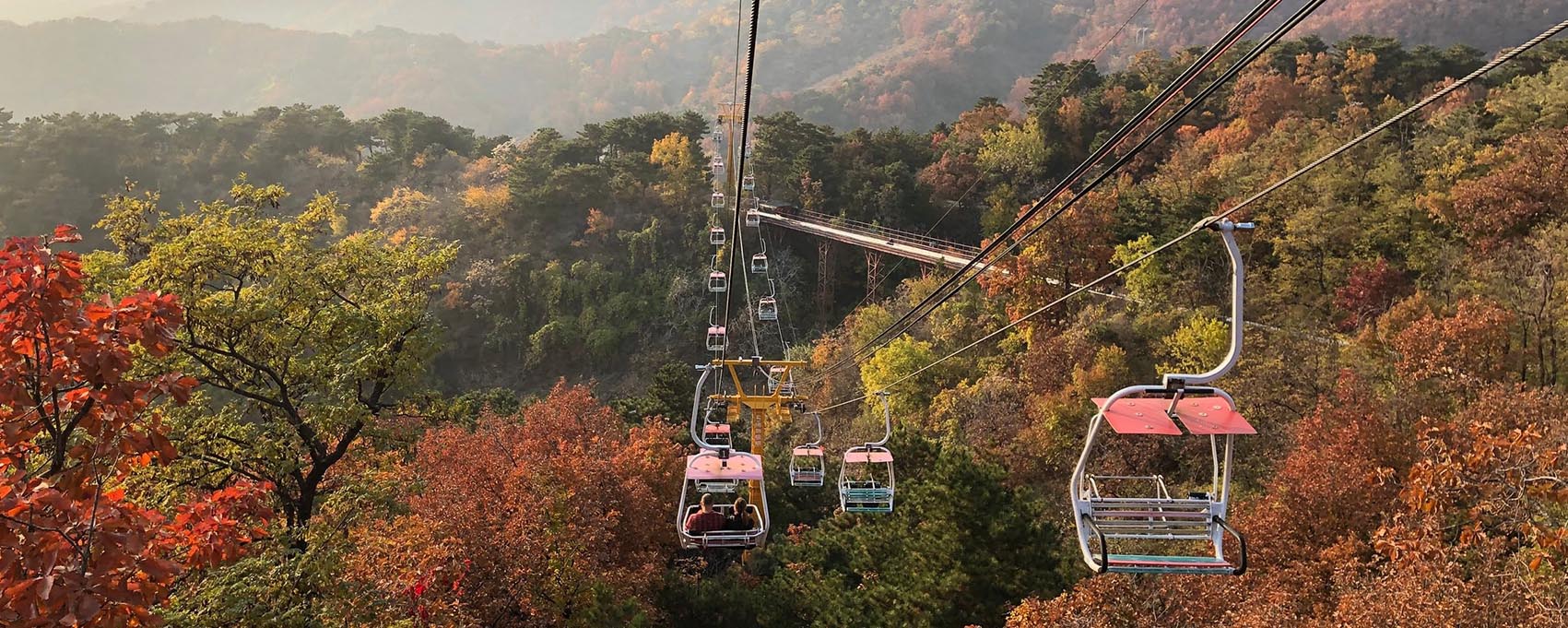
The cable car in Mutianyu Great Wall takes visitors straight to tower 14 while the chairlift goes to Tower 6. The section between Tower 14 and Tower 23 has the most stunning views of the Great Wall. The cable car and chairlifts offer safe and smooth rides compared to the toboggan and are highly recommended for senior tourists and also children.
Toboggan slide
This long and thrilling ride is perfect for thrill seekers and is one of the most preferred ways of descending the wall. It is perfectly safe and its speed can be controlled with the availability of both single and double cars for parents who wish to ride together with their kids.
Nearby Village
Back in nearby Mutianyu Village, there are rustic restaurants where you can enjoy the popular local specialty made with fresh trout, the perfect end to your Great Wall trip.
Beijing Olympic Park
Introduction
Beijing Olympic Park also known as Beijing Olympic Green is situated in the northern end of the central axis of Beijing City near the edge of the North Fourth Ring Road. The park covers an area of 2,864 acres, part of it covering the Olympic Forest Park in a total of 1,680 acres on the northern side, 778 acres make up the central section and 405 acres located in the south are full of venues for the 1990 Asian Games. It is where the 2008 Beijing Olympic Games and Paralympics took place and is venue for the 2022 Winter Olympics.The park was initially designed to contain ten venues but it was afterward transformed into a comprehensive multifunctional activity center for the public.
The park combines human interaction with science and technology yet keeping environmental conservation at the forefront. This is made possible by comprehensive energy infrastructure and a convenient transportation system integrating office and business spaces with hotels and dwelling places all under one location. It is set up in three regions: the north end is occupied by the Olympic Forest Park covering 680 hectares; the central zone covering 291 hectares with the main venues and supporting facilities and the southern covering 114 hectares with the stadium and reserved area.
Things to do and see on a visit
The Southern Section - Former Sports Center and China Ethnic Culture Park
This section of the park integrates sports and nature and was the venue for the 1990 Asian Games. The gymnasium, stadium and Yingdong Natatorium were all used for the games. In addition to this, there is a museum with a collection relics from 56 ethnic groups in China.
The Northern Section - Olympic Forest Park
This Olympic Forest Park is a terminal point of Beijing’s central axis and is divided by the fifth ring road into two making room for a northern garden and a southern garden. On the northern garden is carpeted with greenery and vegetation while the southern garden has an artificial classical garden layout with Aohai Sea and Yangshan Mountain built using ancient technologies.
The Central Section - Bird's Nest and Water Cube
This central section is home to many important landmarks and venues and still bears the spirit of competition. There is an Olympic Village, the Aquatics Centre (water cube), China Science and Technology Museum, Convention Centre, Indoor Stadium and the National Stadium (Bird’s Nest)
Olympic Village
The Olympic Village Olympic Village also known as the athlete’s village is the accommodation residence that was prepared to host athletes and coaches from different countries who were participating in the Olympics. The village catered for their meals, entertainment, leisure activities amongst other personal needs of the athletes and their crew.
Beijing National Aquatics Centre (Water Cube)
The National Aquatics Centre also popularly known as the water cube can hold a capacity of 17,000 people. It was the venue for swimming competitions, diving competitions and other water water sports. At the water cube, the swimmers created history by breaking 25 world records during the Olympics. After the Olympics, the water cube went through a 200 million Yuan transformation and was later re-opened in August 2010. The water cube is now a leisure center containing a sport and fitness section. For the 2022 Winter Olympics the cube is expected to host the curling competition.
Beijing National Indoor Stadium
The Beijing National Indoor Stadium also known as the Folding Fan occupies a total area of 80,900 square meters. The capacity of the stadium is up to 20,000 people and was one of the three main venues during the Beijing Olympic Games. The stadium was used for handball competitions, gymnastics and trampoline sports. After the Olympics the stadium is now used as a first class center for sporting, cultural and entertainment competitions.
The Beijing National Stadium (Bird’s Nest)
The National Stadium is also known as the Bird’s Nest displaying great art in architectural possibilities and resembling a cradle of breeding lives and symbolizing a world of endless possibilities. Its construction was a joint effort of Pierre de Meuron, Jacques Herzog, Ai Weiwei, Stefan Marbach, CADG and Li Xinggang. It is located in the south of the central area of Beijing Olympic Park with the main building being the Bird Nest occupying an area of 258,000 square meters. The structure of the Bird Nest is dominated by a huge portal frame with a total of 24 truss columns. This stadium hosted the opening and closing ceremonies, football finals and athletics of the 2008 Beijing Olympic Games. After the Beijing Olympics Game, the Beijing National Stadium has turned out to be a major landmark in the city, a destination for sporting activities and entertainment. At night it lights up with magical colors brightening the whole park and creating a hypnotic effect.
Ling Long Pagoda
The Ling Long Pagoda is located at the center of the Olympic Park. The pagoda occupies a total area of 4299 square meters, 3636 on the ground area and 663 square meters on the underground. The height of the Pagoda is 132 meters making it the highest building in the Olympic Park and its levels are divided into seven floors. The first floor is occupied by the lobby, the second to sixth floors are studios and the top most floor is the sightseeing deck. The main function of the Pagoda was to broadcast television during the Beijing Olympic Games. The architectural design of this pagoda originates from ancient Chinese cultural elements. The use of steel and glass curtain wall incorporating modern techniques to abstractly express light and clear features is very unique. When night falls the building looks completely charming with colored lights changing harmoniously. It is now home to International Broadcast companies like the BBC, NBC, France Television using Beijing’s real skyline as the studio’s background.
Beijing Olympic Forest Park
The Beijing Olympic Forest Park is the largest urban greening landscape in Asia covering an area of 680 hectares with at least 55 million trees and shrubs with 280 different species of plants. The venue is home to a Hockey Stadium, a tennis court and an archery Field.
After the Olympics, the park became a resort for locals to unwind and spend time with their families hence promoting tourism, fitness and recreation. For the elderly visitors, the park offers a cable car ride for them to fully enjoy the beauty of the landscape. Bike rides are also allowed in the park for visitors who wish to explore on a bike.
Hutong
Hutongs
Introduction
A Hutong is a local name given to a narrow lane or small street between rows of single storey houses where Beijingers lived in the past. These Hutongs were built hundreds of years ago during the Ming and Qing dynasty era between 1368 and 1912 and up to date retain the same traditional culture and way of life of the past times.
These hutongs are as little as 40 centimeters to as wide as 10 meters. The compounds that line the alleys are known locally as "siheyuan" meaning four joined-together courtyards. They are mainly old buildings taking a four-sided layout enclosed by a wall. These dwellings give an insight to the ancient lifestyle of typical locals and have gained a great appeal to tourists who wish to witness first hand the evolution of locals from a simple lifestyle to the rapid urbanized that is China today. The hutong streets and alleys crisscross with each other and meander in confusing ways. It is fun to walk around them trying to uncover and figure them out.
In 1215 Mongolians captured the Beijing area and started to build the Yuan Empire in 1271 and during this time, a 36-meter wide road was a standard street, an 18-meter wide road was considered a small street and a 9-meter wide road was named a Hutong. Therefore the word hutong originated from the Mongolian word hottog that means water well. In ancient times, villagers dug a well and then lived around it.
In the Ming and Qing Dynasty reign, wealthy families like the Qiao Family built their siheyuan compound close to the Forbidden City along hutong lanes and as time passed their number gradually increased. In Beijing, there are many hutongs but all of them maintain a unique charm that keeps attracting tourists all year round. As time went by due to urban development and in the process of giving way to building roads, the number of hutongs rapidly decreased. The remaining ones like Nanluoguxiang and Yandaixiejie Street are remaining ideal hutong destinations for most foreign visitors and Jiuwan and Wudaoying Hutong are the best destinations for sightseeing, shopping, unwinding and trying local delicacies and traditional tea. Now, these courtyards are preserved and most of them are even under the protection of the government.
Things to see and do on a visit
Take a Hutong tour by rickshaw
Riding a rickshaw is the best way to comfortably take a close glance at the traditional settings in a short time but visitors who wish to take a walk by foot or rent a bike can also appreciate the simple and tranquil atmosphere of the traditional settings with locals going by their day to day life.
Visit family’s run restaurants
Visitors who wish to interact on a more personal level with the locals can visit family-owned restaurants where they can learn cooking skills and their meal preferences with regards to health philosophies followed by Chinese locals.
Explore the hutongs at night to hunt for traditional Beijing snacks and eateries
Wudaoying hutong and Baocaho hutong offers a peaceful and quiet destination for visitors who want to catch up, relax or read a book as they savor local snacks, meals, coffee and traditional Chinese tea. There are brunch deals in many of its restaurants and cafes with a wide variety of international cuisines. For visitors who want to try local dishes, there are noodles and dumplings amongst many other local dishes.
Shop at interesting shopfronts
Nanluoguxiang has small thrift shops and brand name stores where people can shop for a variety of interesting souvenirs.
Enjoy quality drinks in hutong cafés and bars
In Fangjia Hutong and Nanluoguxiang Hutong visitors can relax in quiet cafes and bars as they unwind and catch up in the midst of the spirit of local life enjoying locally brewed beers from Peiping Machines and extra large cocktails in stylish bars and cafes. There are live music bands and performances in some of the restaurants.
 Home
Home


