


Email: info@chinavisafreelayovertour.com
Phone: +86-13683536536
WhatsApp/iMessage: +86-13683536536
WeChat: +86-13683536536

Member
Private Tour
1 Person $553
2 Person $308
3 Person $238
4 Person $198
5 Person $185
6 Person $163
7 Person $152
8 Person $146
9 Person $130
10 > Person $119
Price Per Person in USD

Travel personnel
Number of rooms
Price : $1269
Are you going to have a long layover in Beijing? Take the best chance to know and visit the most famous, historical and cultural sites in Beijing, such as the Tiananmen square (the most important square in the whole China), the Forbidden city (ancient home of emperors) and Mutianyu Great Wall (one of the new 7 wonders of the world). Our professional tour guide and driver will pick you up at the airport, we will take you for a quick Beijing tour and get you back on time for your next flight. booking this layover tour can be a memorable part of your epic trip!
Tour Itinerary
Travel Calendar


Day 1 Shanghai
Shanghai Port Pickup, Yu Garden, City God Temple Bazaar, Nanjing Road, Bund, Pudong New Area, Transfer to Hotel in Shanghai
Your friendly tour guide and driver will greet you at the exit of Shanghai Cruise Port.
~ 1.5 h : Drive to Yu Garden
~ 1.5 h : Visit Yu Garden
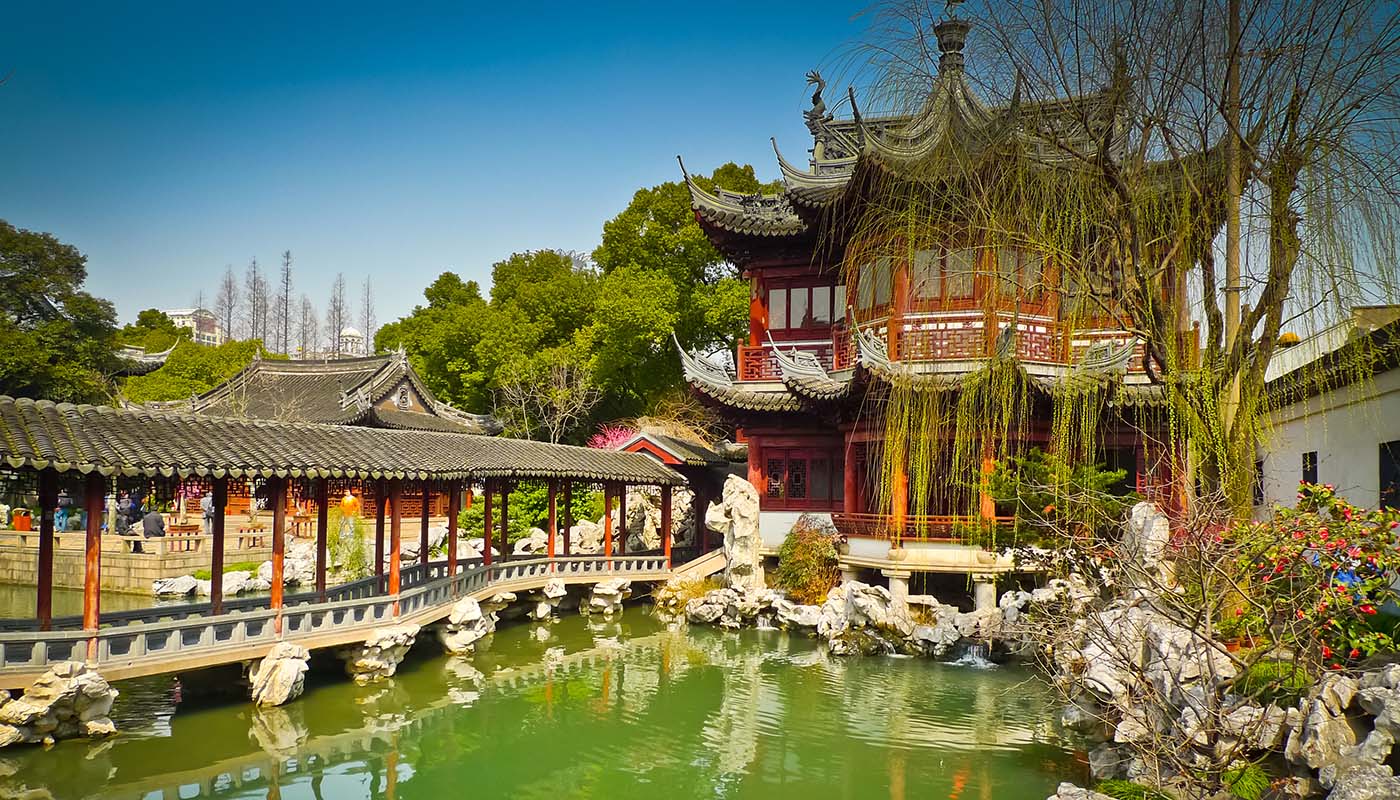
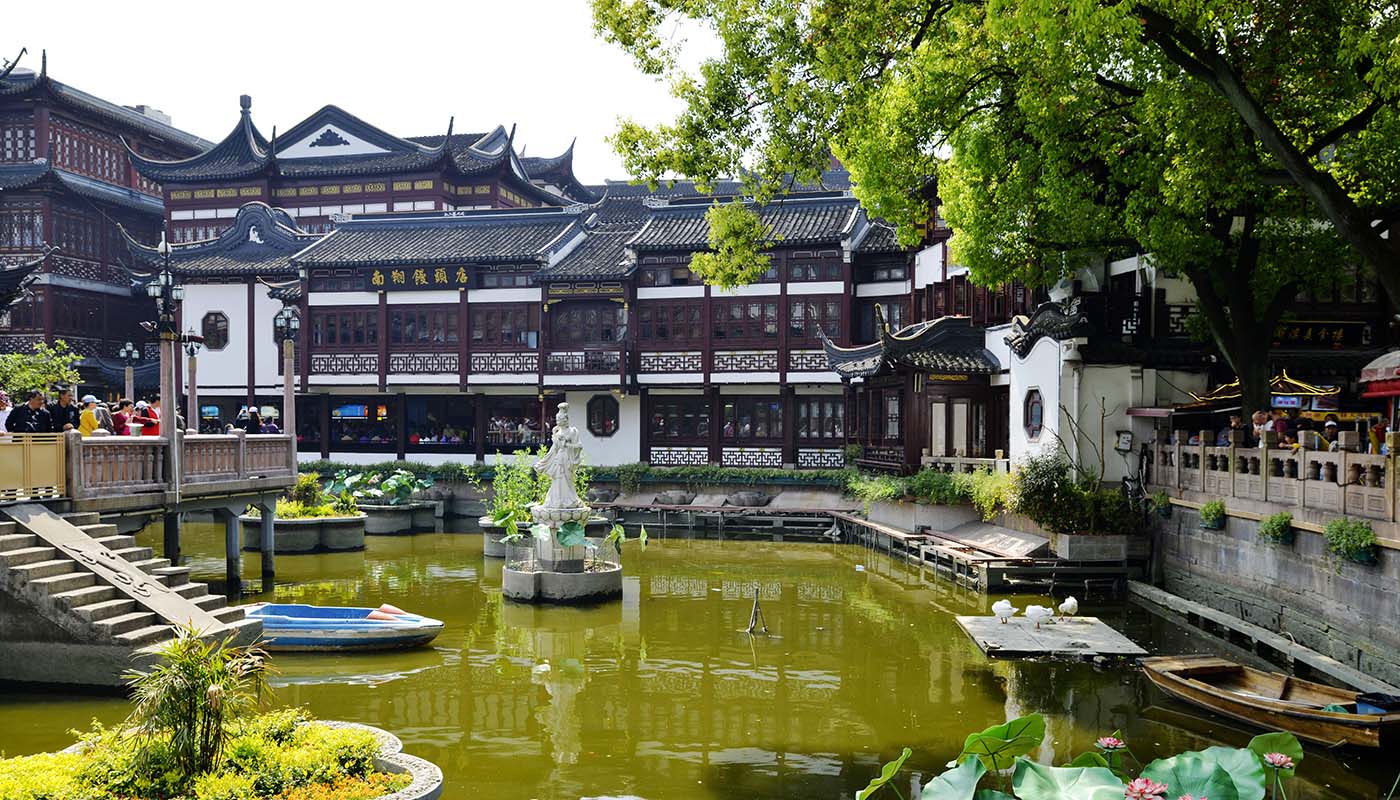
 Appreciate the Yu Garden with a beautiful lotus pond, a bridge and a pavilion in the center where you can take a stroll on the bridge and enjoy the scenery along the bank.
~ 0 h : Walk to City God Temple Bazaar
~ 1 h : Visit City God Temple Bazaar
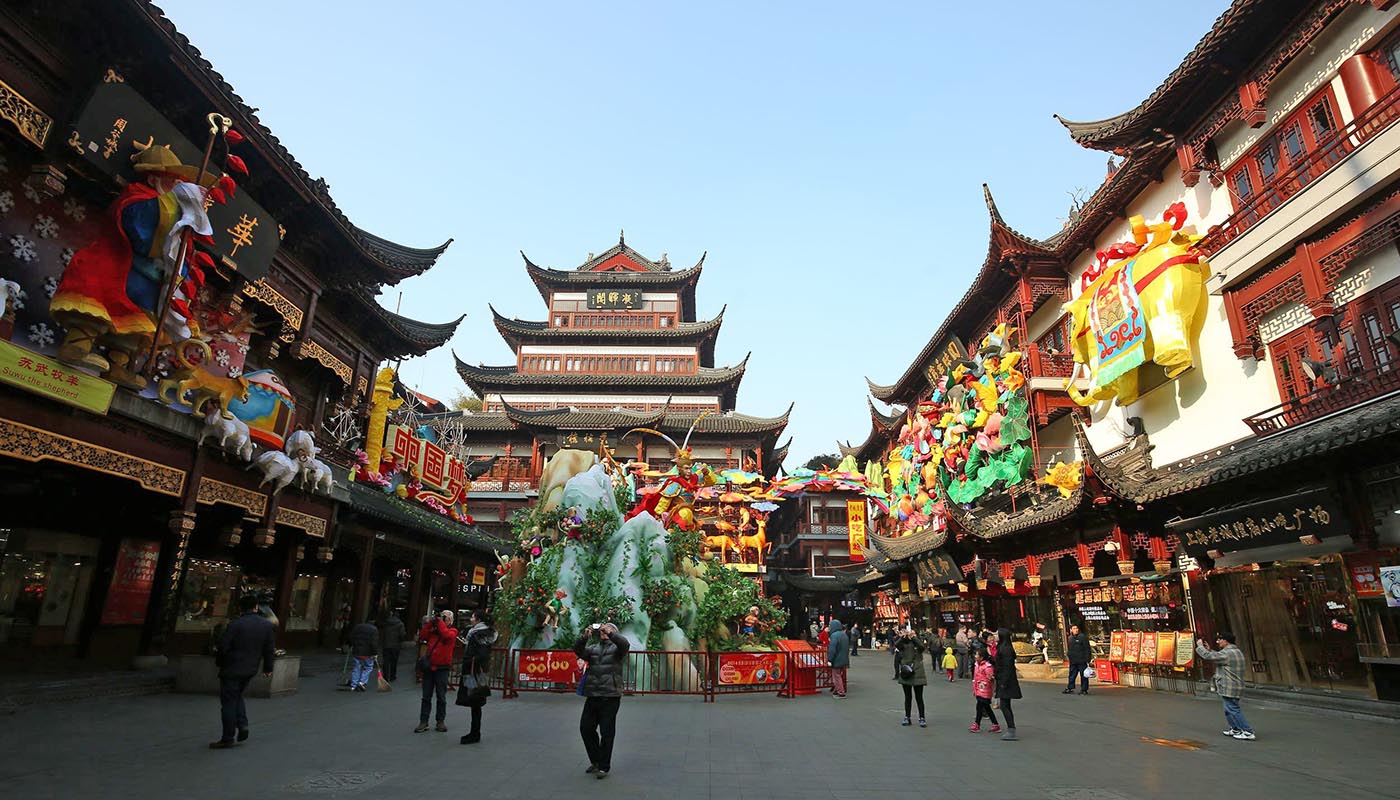
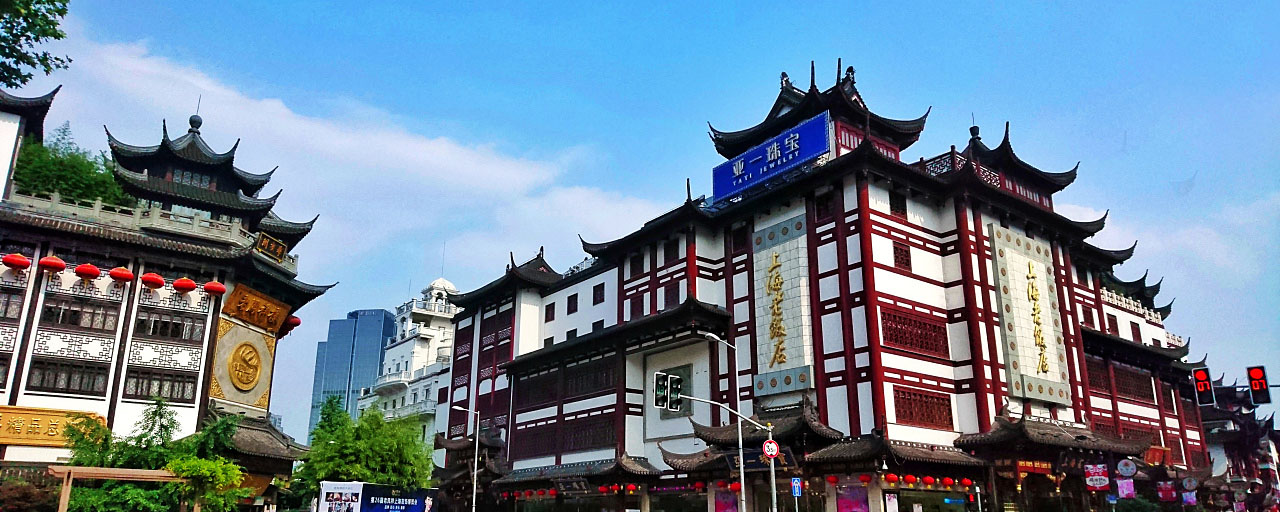
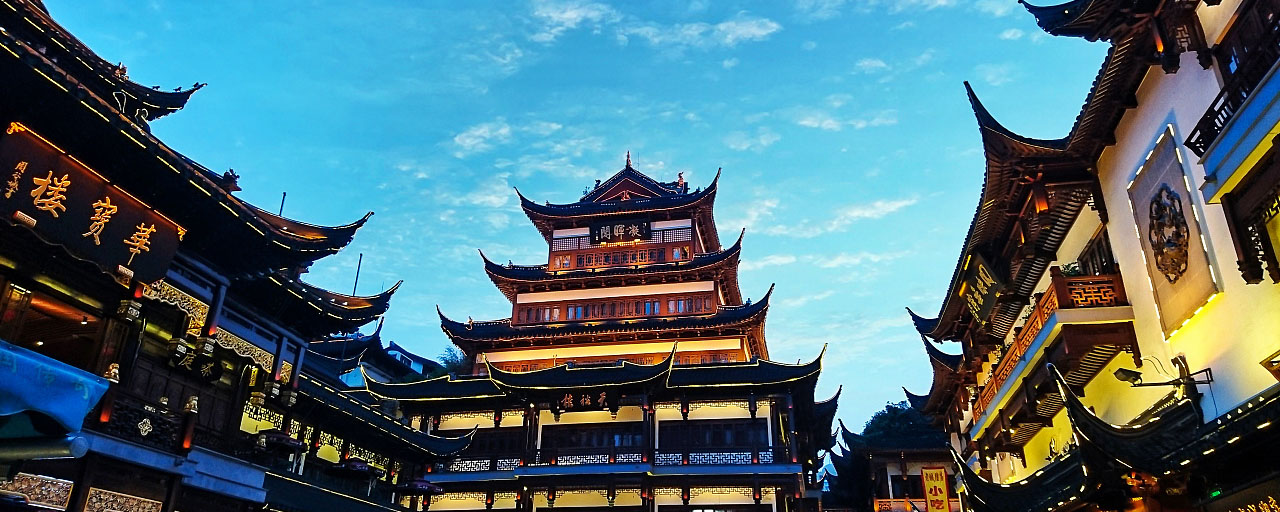
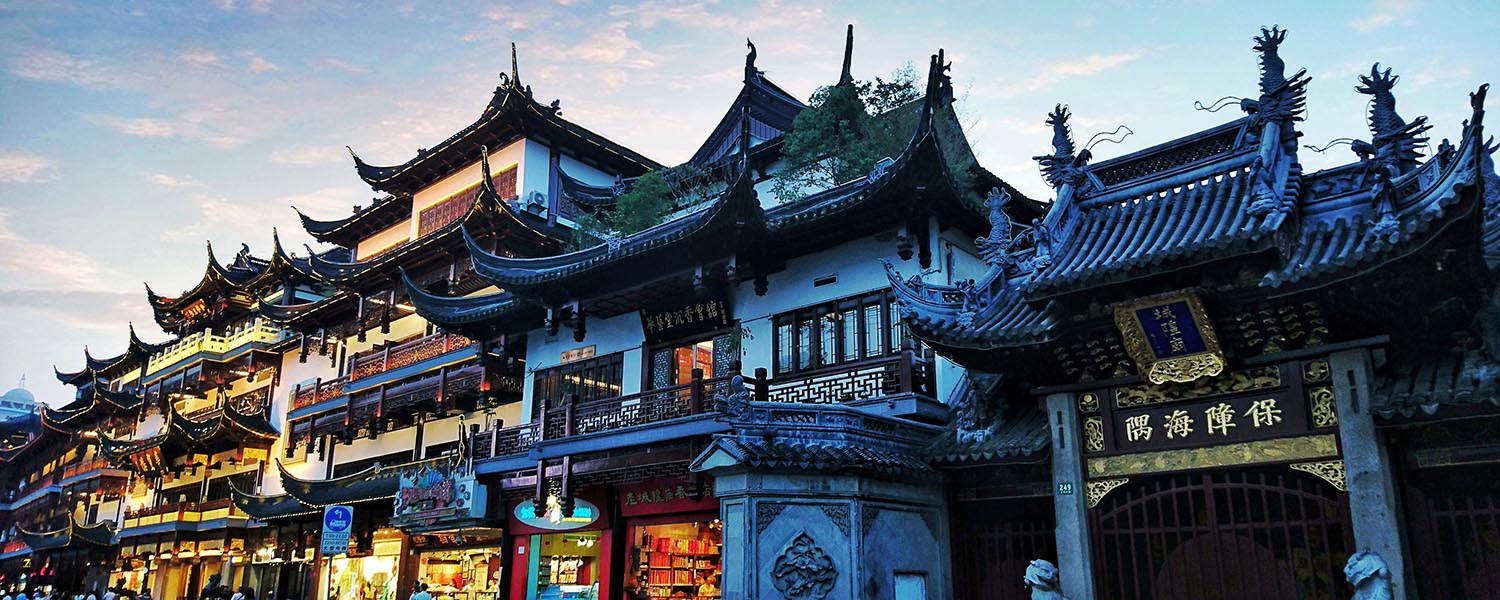
Walk to City God Temple Bazaar where you can find all kinds of goods including artworks, jewelry, clothes, snacks, souvenirs, toys, and special folk handicrafts. Your can taste various local street food here.
~ 20 mins : Drive to Nanjing Road
~ 1 h : Visit Nanjing Road
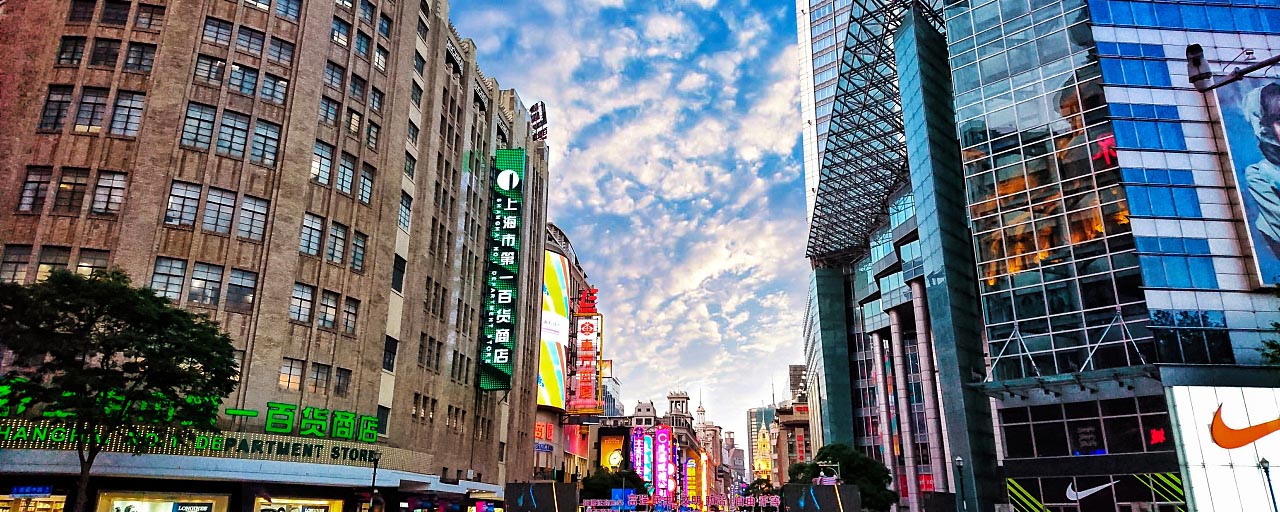
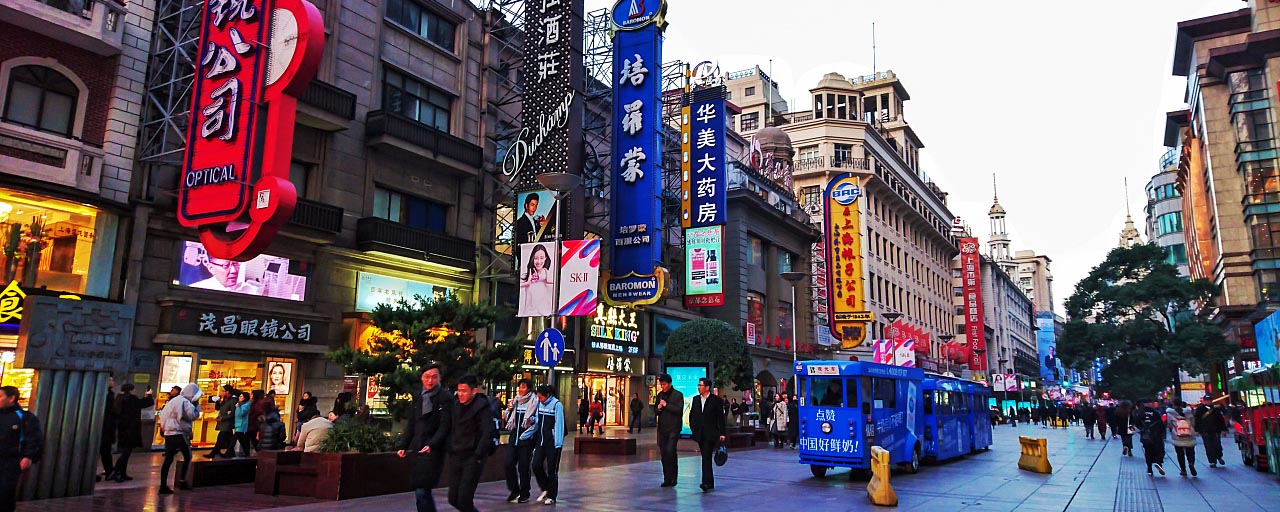
Experience bustling modern shopping center in Shanghai.
~ 15 mins : Drive to Bund
~ 45 mins : Visit Bund
Stroll along the Bund, enjoy beautiful views of the architectural complex, towering buildings, floating cruises along the Huangpu River.
~ 15 mins : Drive to Pudong New Area
~ 1 h : Visit Pudong New Area
Looking up to these towering buildings in Pudong New Area, experience the futuristic city and rapid development of Shanghai.
~ 15 mins : Transfer to Hotel in Shanghai
Day 2 Shanghai
Jade Buddha Temple, Shanghai Museum, Former French Concession, Tianzifang, Transfer to Shanghai Port
~ 0.5 h : Drive to Jade Buddha Temple
~ 1 h : Visit Jade Buddha Temple
Visit the Jade Buddha Temple which is a spiritual oasis in the midst of a booming city containing a priceless collection of jade statues from Burma.
~ 15 mins : Drive to Shanghai Museum
~ 2 h : Visit Shanghai Museum
Explore the Shanghai Museum which is keeping with Fengshui principles in its design and houses a great permanent collection and hosts various exhibitions with over 120,000 pieces showcasing the 5000 years of China's history.
~ 15 mins : Drive to Former French Concession
~ 1 h : Visit Former French Concession
Take a leisurely around Former French Concession, a quiet and idle with lots of European style villas and buildings from the early 20th century. It is a great place to learn the history and unique beauty of the city.
~ 10 mins : Drive to Tianzifang
~ 1 h : Visit Tianzifang
Experience the quite artistic narrow alleys planked with various unique shops, galleries, bars etc. Join in the ancient and modern Shanghai lifestyle.
~ 1.5 h : Transfer to Shanghai Port
The driver will send you to the Shanghai port or downtown hotel at your request!
Day 1
Shanghai
Breakfast ✘
Lunch ✘
Dinner ✘
Shanghai Port Pickup: Your friendly tour guide and driver will greet you at the exit of Shanghai Cruise Port.
Yu Garden:

Appreciate top-rated and charming Yu Garden
Inhale the fresh air and have a relaxing walk
City God Temple Bazaar:

Explore various street food and traditional souvenirs
Appreciate quaint Chinese architecture
Nanjing Road:

Enjoy shopping at modern and bustling Nanjing Road
Experience the vibrancy of Shanghai
Bund:

Enjoy exotic buildings and surrounding sprouting skyscrapers along the Bund
Appreciate the incredible amazing view
Pudong New Area:

Enjoy jaw-dropping skyscrapers
Experience the rapid development of Shanghai
Transfer to Hotel in Shanghai:
Day 2
Shanghai
Breakfast ✘
Lunch ✘
Dinner ✘
Jade Buddha Temple:

Appreciate charming white jade Buddhas
Experience the devout religious culture
Enjoy the rare tranquility in the downtown Shanghai
Shanghai Museum:

Explore beautiful bronzes, ceramics, jade, calligraphy, paintings etc
Experience the splendid of Chinese history and culture
Former French Concession:

Take a leisurely walk along the enchanting street
Trace colonial history from the charming European-style architecture
Tianzifang:

Enjoy shopping in the narrow hutongs full of interesting shops, galleries, bars, street food
Nice photography spot and experience old Shanghai atmosphere
Transfer to Shanghai Port: The driver will send you to the Shanghai port or downtown hotel at your request!
Includes & Excludes
Entrance fee
Air-conditioned vehicle with an experienced driver
English-speaking guide
Bottled mineral water
Shanghai cruise port transfer
Tips to guides and drivers
Meal
Hotel
Booking Notes
Private Shanghai Port Layover Tour:
The private layover tour is only for you and your team, no need to wait for other travelers. Time-saving.
More flexible for picking up time according to your cruise details, will send you back to the Shanghai port or hotel according to your request.
If your cruise delayed, your private tour guide will wait until seeing you at the exit of the Tianjin port, more flexible!
Can customize tour itinerary according to your interests.
Payment Methods
Please book your Shanghai port layover tour on the website in advance, and you can pay full payment or a half deposit through PayPal or optional credit card when booking online. Confirmation will be received at the time of booking.
Cancellation Policy
There is no cancellation fee if you inform us at least 24 hours in advance before the scheduled pick-up time.
100% cancellation fee if you inform us within 24 hours.
Reviews

 Review
 Review

benniejay
Yes everything was spectacular and fascinating very professional and prompt services. There were beautiful places to explore and to see in the 4 hours that we had. The comfort and beauty of the China was incredible, The history, culture and way of life of the local people we bumped into during the layover was beyond our expectations. Hiking on the Great wall after driving through a small remote countryside was very relaxing and rejuvenating. It was the best trip ever to experience on a few hours.
We had not previously used a travel agency for touring. The crew including the driver and tour guide were really funny, friendly and knowledgeable. Despite having limited time we still had free time allowing for shopping and grabbing a meal and drinks. Highly recommend this layover in Beijing. Show less

mirceao455
Bucharest, Romania
Great, compact, amazing tour. Our guide Jenny did the best to show us the most important attractions in Beijing in just a 2 day tour. I recommand her tours, she is great with groups, friendly and well prepared. Show less
More
2funworldtravers
Mike and Karen, Tucson, Arizona Show less
More
pedro148595
Highly recommend for everyone coming to Beijing Show less
MoreFAQ
Got Question & Quick Answer


©2013- www.chinavisafreelayovertour.com

Price

Itinerary

Booking Notes

Reviews

FAQ

User Name:
Email:
Password:


Confirm Password:
Verification Code:
Email:
Password:
Email:
New Password:
Confirm Password:
Verification Code:


Yu Garden
Yu Garden
Introduction
A completely restored classical Chinese Garden located on number 137, Anren Street in Huangpu District near the Old City God Temple, Yu garden occupies an area of approximately 20,000 square meters and is ranked as one of the must-see destinations in Shanghai. It was inaugurated 400 years during the Ming dynasty (1368-1644) and was owned by Pan Yunduan, a government official. Pan built this garden for his parents as a place for relaxing in their old age and gave it the name Yu which is a Chinese name that means satisfying and pleasing. Pan hired expert horticulturists to design the layout of the garden making it the most famous and the biggest garden of his time. However, the garden really cost him a fortune to the extent of making him bankrupt.
It has more than 40 scenic spots and are divided into six sections by five walls. The six scenic spots include the Ten Thousand-Flower Pavilion, the Lotus Pool, Grand Rockery, the Hall of Jade Magnificence, the Hall of Heralding Spring and the Inner Garden. The garden was later inherited by Zhang Zhaolin, who was Pan’s granddaughter's husband and was then passed down to different owners.
Between 1760 and 1780, the garden was face-lifted by a group of merchants and the West Garden was eventually opened to the public. The gardens went through damage for a couple of times during the 19th century. However in 1842, the garden succumbed damage due to the First Opium War when the British army used the Huxinting Teahouse, during the Taiping Rebellion, the Small Swords Society used Dianchun Hall as its headquarters. Between 1956 and 1961, the garden was repaired by the Shanghai government and was later opened to the public in 1961.
Things to do and see on a layover
Exquisite Jade Rock and Carvings
This exquisite jade rock is the true treasure of Yu Garden and is amongst three other famous rocks in south China. The jade rock measures 3.3 meters in height and weighs 5 tonnes. It is shaped beautifully and has spikes and is porous with 72 holes. It is a very unique rock and has interesting characteristics that fascinate tourists. For instance, when water is poured from the top of the rock it will flow out from every single hole creating the most flattering view and also when a joss stick is burnt from below the rock, smoke magically flows out through all the holes.
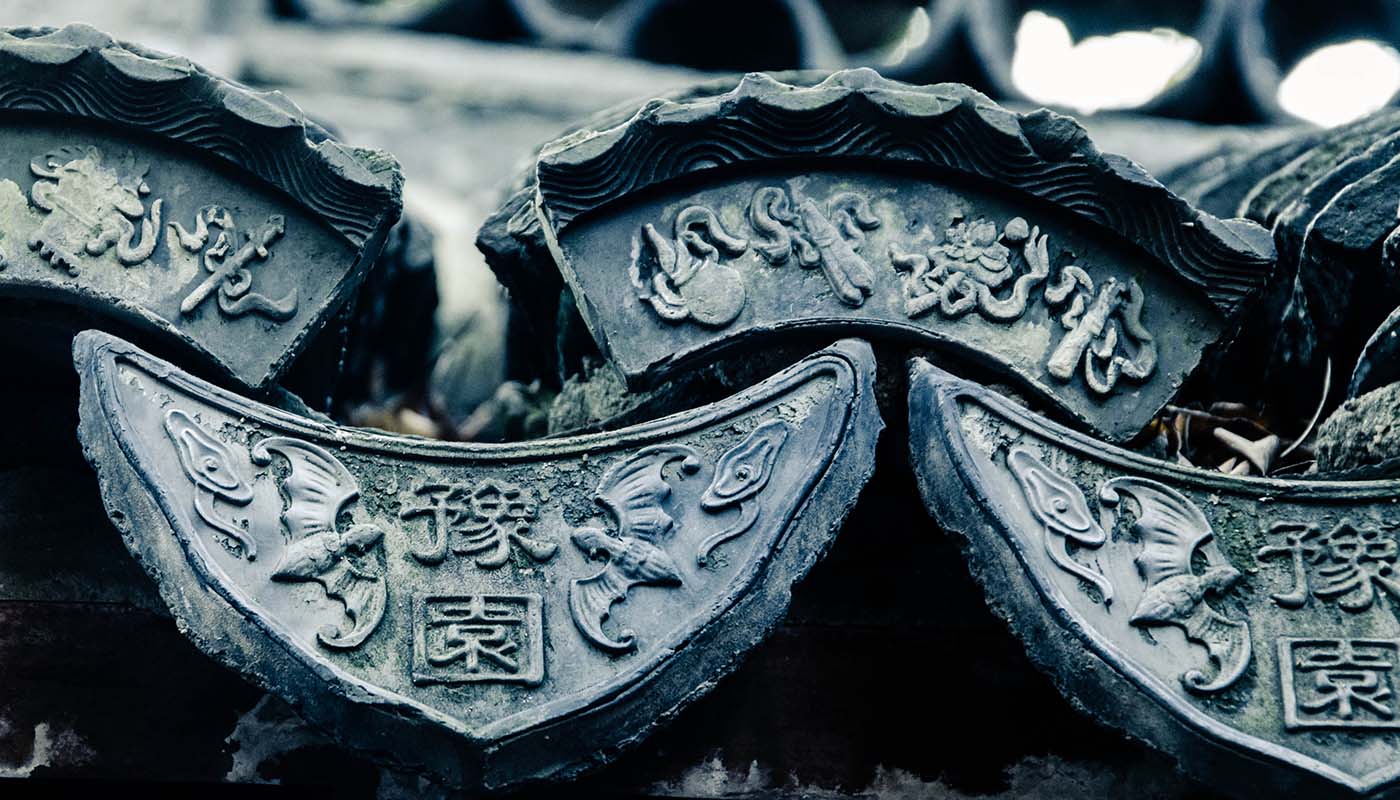
In addition to the big rocks, there are also small brick carvings and clay sculptures that are very interesting to look at.
Yuhua Hall
Yuhua Hall is located in front of the exquisite Jade Rock to appreciate the existence of the magical rock. The furniture inside the hall was made during the Ming Dynasty using top-grade rosewood and displays the most natural and graceful looks.
Flower Show
Every year there are flower shows such as the orchid show is held in April, plum flower show held in January and chrysanthemum show held in September. The shows are organized by private individuals.
Great Rockery
In the garden, there is a great rock that is known as the Great Rockery built with thousands of tons of rocks standing at 14 meters high and is the oldest and largest rock in the southern region of the Yangtze River. From the top of the rock, visitors can get a bird's eye view of the garden.
Lantern Show
This Lantern Show is held every New Year from first January to eighteenth of every lunar calendar.
Sansui Hall
Sansui Hall was named from the book of the history of Han Dynasty which means propitious and lucky. It was constructed at a height of 9 meters with five rooms this hall is the most accommodating area in the garden that was used initially used as an entertainment area for events and ceremonies.
Cuixiu Hall
Located at the foot of the Great Rockery near Cuixiu Hall, this elegant and quiet hall is surrounded by the most magical flowers and old trees. Visitors can also walk through curio shops in the hall.
Wanhua Chamber
This delicate building is enclosed by spring bamboo surrounded by cloisters. Right in front of the chamber are two old trees. One of which is believed to have been planted by Pan and has over the years grown to 21 meters high.
Nine Bend Bridge
This Nine Bend Bridge is zigzag in shape and is also part of the Yu Garden. When night falls, the area around the bridge glows under colorful lights creating a very attractive scene. During the Chinese New Year, lantern exhibitions are held here and they attract great crowds. Locals believe that walking across the bridge brings people good luck in that the number nine symbolizes auspiciousness.
Painting and Calligraphy Exhibition
There are paintings and calligraphy exhibitions sometimes held in the garden where famous artists display their work, inscriptions and couplets.
Food and Shopping
Outside of the garden, visitors can also taste numerous Shanghai snacks like Nanxiang steamed buns, chop rice cakes and crispy fried cakes that are really juicy and soft. On the bazaar, visitors can shop for souvenirs like jewelry, antiques, decorations, arts, handicrafts, lanterns, silk, crafts and many more products.
City God Temple Bazaar
City God Temple Bazaar
Introduction
Originally known as the Jinshan Temple, the Yu Garden Market and locally known as Chenghuangmiao, the City God Temple is a Taoist temple located at the Middle of Fangbang Road and is connected to the Yu Garden in the south near the bustling Yuyuan Market. It was constructed during the Ming Dynasty between 1402 and 1624 during the reign of Emperor Yongle to protect the safety of the people in the city where the gods are referred to as patron Taoism saints.
The street where the temple is located now covers an area of 2000 square kilometers and has developed over time and expanded to accommodate shopping centers, open-air stalls and snack streets stretching from Anren Street towards the east, Old Xiaochang Road on the west side and Fuyou Road in the north. Presently, the temple includes nine palaces Sixty-year Cycle Palace, Parents Palace, City God Palace, Empress Palace, God of Fortune Palace, Huo Guang Palace, Cihang Palace, Wenchang Palace and Guansheng Palace. The temples halls have immortal statues that receive endless prayers and are perceived to be in charge of different aspects of life. There are also three god towns like the Qin Yubo, Huo Guang and Chen Huacheng. Qin Yubo was constructed to resemble the emperor's throne room because his mum wished to see it but when the emperor discovered his intentions, Qin Yubo transformed it to look a temple to escape punishment.
Things to see and do on a visit
Ancient activities
At the temple visitors can watch folk performances, acrobatics, learn special calligraphy and participate in cockfighting.
Local snacks
The area around the temple is full of local snack vendors and a wide variety of restaurants. There are many renowned restaurants such as Lu Bo Lang that have had the privilege of hosting various international guests including former American president Bill Clinton and Queen Elizabeth II. In addition, there are many others like Shanghai De Xing Guan, Songyue Vegetarian Restaurant and Nanxiang Small Steamed Buns. The area has delicacies such as Shepherd's-purse Wonton, Crystal Shelled Shrimp, Eight Delicacies in Hot Sauce, a variety of buns like Crab Soup Buns, Barbecued Pork Buns, Mini Steamed Buns and Vegetable Buns, desserts such as Black Rice Balls, Date Mash Cakes, Osmanthus Cakes, Chop Rice Cakes and Plum Flower Cakes among many more.
Worshipping
At the City God Temple immortals such as Huo Guang who was a famous general in the Western Han Dynasty is worshipped. Guan Yu is honored as the general during the Three Kingdoms period and the national martial icon for centuries. There are also immortals responsible for fame, wealth, and literature amongst other many human needs. Sacrifices are also offered here to local deities to appreciate their honesty and favors.
The temple is also known as two city gods because two gods share the same temple with Huo Guang occupying the front hall and the god of Shanghai city Qin Yubo occupying the back hall.
Shopping
Apart from worship, the temple area is a flourishing shopping area with handicrafts, buttons, souvenirs, holiday decorations, plush, antiques, snacks, gadgets and different types of gifts.
Nanjing Road
Nanjing Road
Introduction
Nanjing Road is the premier shopping street in China starting from the Bund in the east and ending in the west at the junction of west Yan'an Street covering and area of 5.5 km. Over the years it has been reconstructed to undergo significant changes where ancient stores still remain standing although they are no longer dominant because the market is now dominated by over 600 businesses including ultra-modern shopping malls, theaters, cafes, restaurants, specialty stores and world-class hotels. The pedestrian section of Nanjing East Road is the popular section receiving thousands of visitors every single day while Nanjing West Road right after the Peoples Square Metro Station is also a renowned section.
Things to do and see on a visit
Shopping
Visitors can satisfy their shopping appetite at both traditional department stores and the latest fashion stores. Currently there are at least 600 running businesses in the area offering latest fashion designs and quality merchandise. There are upscale stores like Mont Blanc, Dunhill, Tiffany and Omega. On local stores, visitors can shop for jade, silk products, wool and embroidery.
Amongst the historical shops along on east Nanjing Road are Duo Yun Xuan selling paintings and Chinese calligraphy, Guanlong Photographic Equipment Company selling photography equipment, Shanghai Laojiefu Department selling different fabrics, silk products and fashionable cloths, Lao Feng Xiang Jewellers selling souvenirs, gifts and jewellery and Heng Da Li Clocks and Watches Company selling high end clocks and watches and Cai Tong De Pharmacy selling Chinese Traditional Medicine.
On West Nanjing Road there is the Shanghai New World Company with shopping malls, dining areas, entertainment centers and also houses Madame Tussauds Wax Museum, HKRI Taikoo Hui with many restaurants and over 250 brands, Jiuguang Department Store with shopping areas, entertainment areas, dining areas, CITIC Square with dining and fashion areas, Starbucks Reserve Roaster which the largest Starbucks store in the world with coffee bars, tea bars, pastry and roaster, Plaza 66 with high end stores like Fendi, Chanel, Hugo boss, Hawkes, Celine, Louis Vuitton and Bvlgari, Shanghai Center with luxury stores like Gucci, Paul & Shark and Salvatore Ferragamo and TAG Heuer for the Swiss watch brand.
The modern malls such as Shanghai Landmark sell accessories and homewares, Shanghai Sports Goods General Shop selling all sorts of sporting equipment, Hualian Commercial Building also selling fashion accessories and Shanghai no.1 Department Store.
Food
At Nanjing Road visitors can taste the most authentic and tasty Shanghai snacks from time horned brands. There are food stalls such as Shanghai First Food Hall with different local snacks and traditional cakes, Shen Da Cheng serving moon cakes with meat fillings, Zhen Lao Da Fang serving smoked fish and moon cakes, Wangjiasha Pastry Shop serving all sorts of desserts, special snacks normally served on traditional Chinese festivals and wontons and Shao Wan Shen serving the best wine cured crabs and mud snails.
Riding the Dangdang sightseeing tram
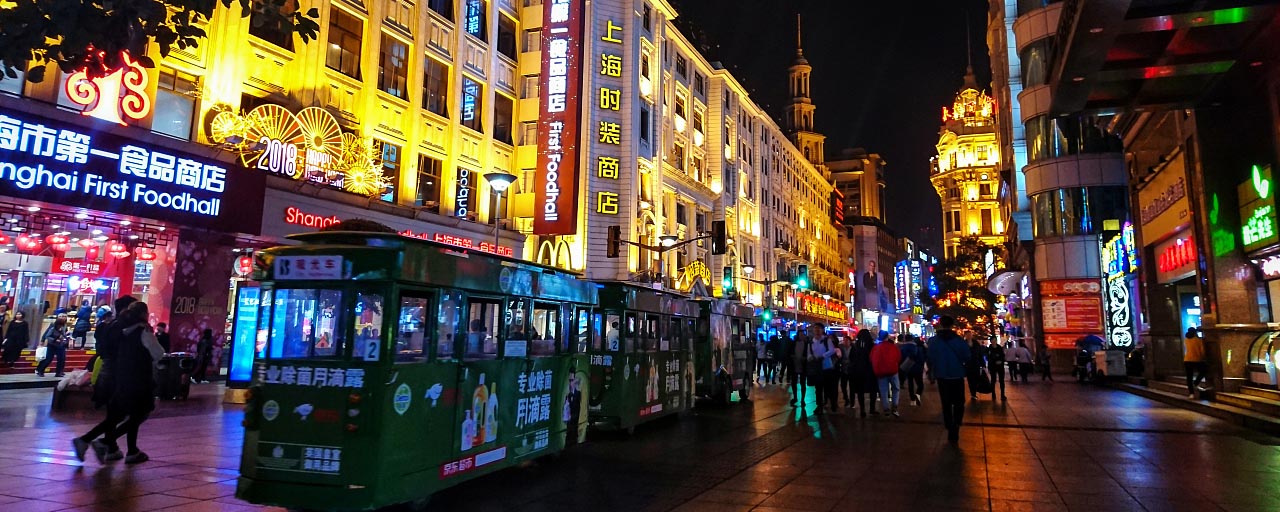
Taking the tram creates a memorable experience for visitors to view Nanjing Road different sections. The tram operates from 8:30 to 10:00 pm daily and a single trip lasts for 10 minutes.
Night view
When darkness covers Nanjing Road, neon lights light up its fascinating skyline of the lively street with upscale buildings, street vendors, live bands, open-air restaurants and bars. The street is a beehive of activities at night with visitors strolling, relaxing, people watching and even shopping.
Bund
Bund
Introduction
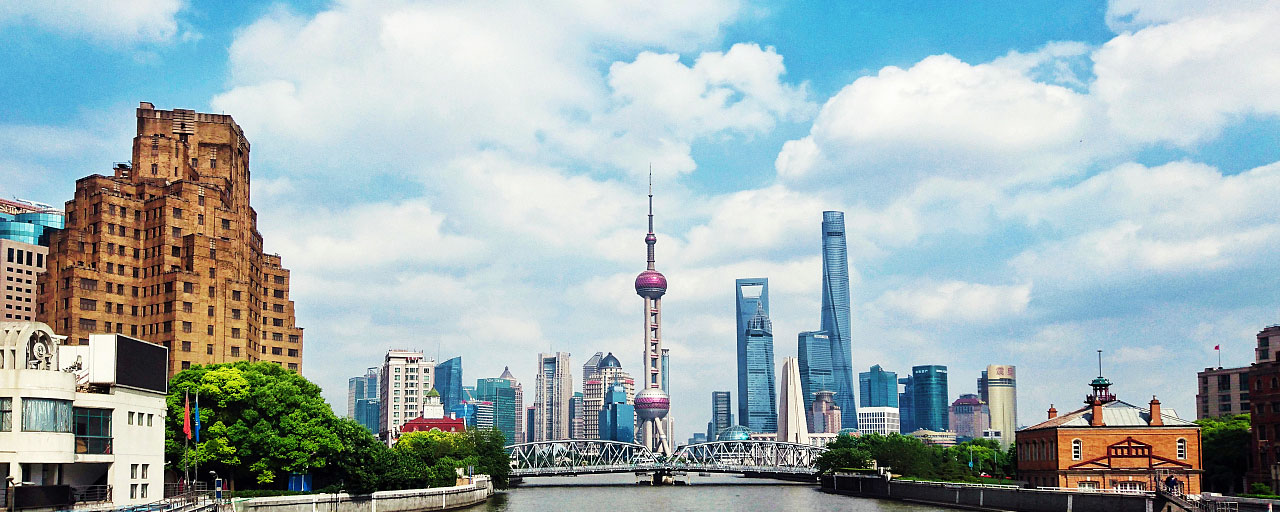
The Bund popularly known as Wai Tan is a renowned waterfront on the west bank of Huangpu River in Huangpu District, Shanghai. The waterfront stretches for 1500 meters from Waibaidu bridge to the east of Jinling Road and it faces the Oriental Pearl Tower. There are 52 different classical buildings bearing western, Baroque, Romanesque, Gothic and Chinese styles which make up the financial center of old Shanghai and the concentration zone of foreign trade agencies. The area is located on East Zhongshan number one road and is recognized as the pride and symbol of Shanghai.
The name Bund is of Anglo Indian origin and it means an embankment of a muddy waterfront. The area where the Bund stands now used to be a muddy towpath for boats from Huangpu River. In 1842 after the First Opium War Shanghai opened up and became an open port where Great Britons settled. In 1845 the British colonialists seized the Bund and set up the British concession. Afterward, many other foreign nations such as the United States of America, France, Russia, Italy, Belgium, Japan and Netherlands set up their distinct buildings raising the status of Shanghai to become Asia’s leading cosmopolitan and thriving financial and commercial center.
Things to do and see on a visit
The Bund Sightseeing Tunnel
This sightseeing Tunnel is a three to five minutes ride that goes through colorful lights in a distance of about 646.7 meters running between Puxi and the Oriental Pearl Tower in Pudong.
Sunset on Waibaidu Bridge
Waibaidu Bridge is the best place to have a view of the old Shanghai complex. When the sun sets this bridge is shrouded by golden rays and creates a romantic scene for love birds. Many film directors and producers choose this location for scenes and it has become very famous amongst locals and tourists alike.
Stroll at the waterfront avenue
Strolling along a mile-long stretch at the Huangpu waterfront from the north end to the south end gives visitors the perfect opportunity to see colonial-era architecture from western roots that are graceful and rich antiques. Visitors get to see arches from ancient Greece, Spanish balconies, pointed Gothic roofs and Baroque columns.
Cruise on the Huangpu River
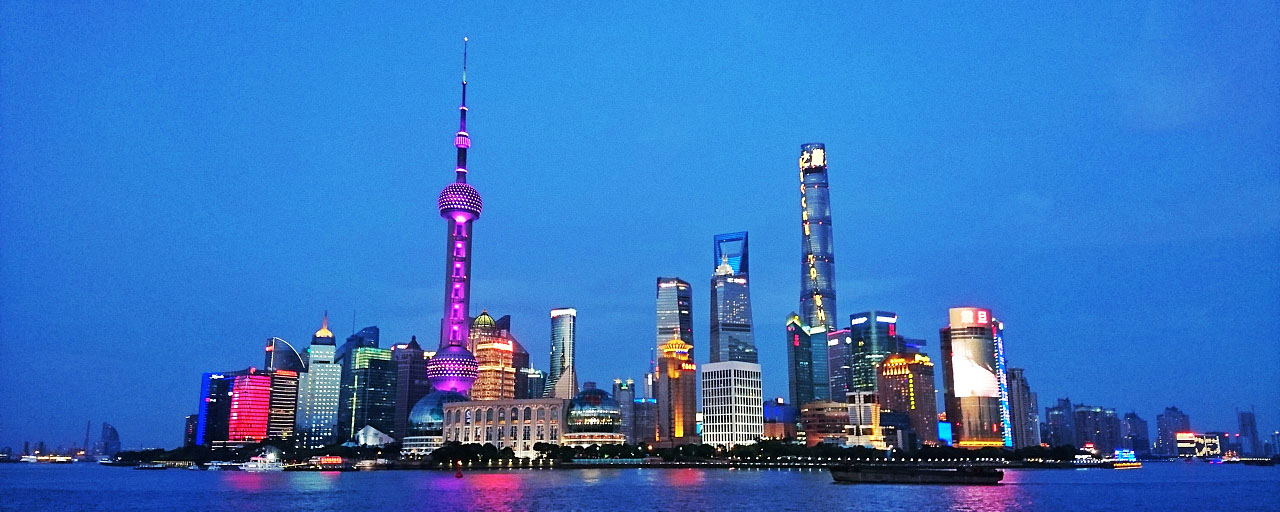
A cruise on Huangpu River presents visitors with the chance to see historical architecture and soaring skyscrapers on the opposite side of the river. At night the buildings on the banks are illuminated and present a very enchanting view of Shanghai. The florid Bund night view from a Huangpu River cruise. Dazzling lights completely enlighten the area and exhibit the magnificence of the buildings on the banks and flashing light shadows reflect on the floating river water.
Most of the cruises last as long as thirty minutes to three and a half hours cruises. In addition there is a ferry ride across to Pudong where visitors can also experience the scenic views on both sides of the river.
Watch the Locals Doing Their Morning Exercises
At the Bund, locals can be seen taking their regular morning exercises. Some will be seen jogging, walking, practicing tai chi and flying kites.
Spend Some Time in Huangpu Park
At the northern end of the Bund is Huangpu Park. It is like a small oasis situated between the Bund and busy shopping areas. The manicured lawn and gardens particularly stand out as there is not much green space in this part of Shanghai. It is a wonderful place to have a rest and to take photos, day or night.
Where to Shoot Panoramic Views of the Bund?
There are three ideal locations to see the full view of the Bund: Pudong Binjiang Avenue, on a Huangpu River Cruise, and one of the skyscrapers in Pudong like Shanghai World Financial Center, Oriental Pearl TV Tower, Jin Mao Tower and Shanghai Tower. If you want to take beautiful photos of the Bund, we advise you to hire a guide who can give you tips about when and where to go. A knowledgeable guide can arrange different places to take photos according to the weather.
Appreciate high rises across the Huangpu River
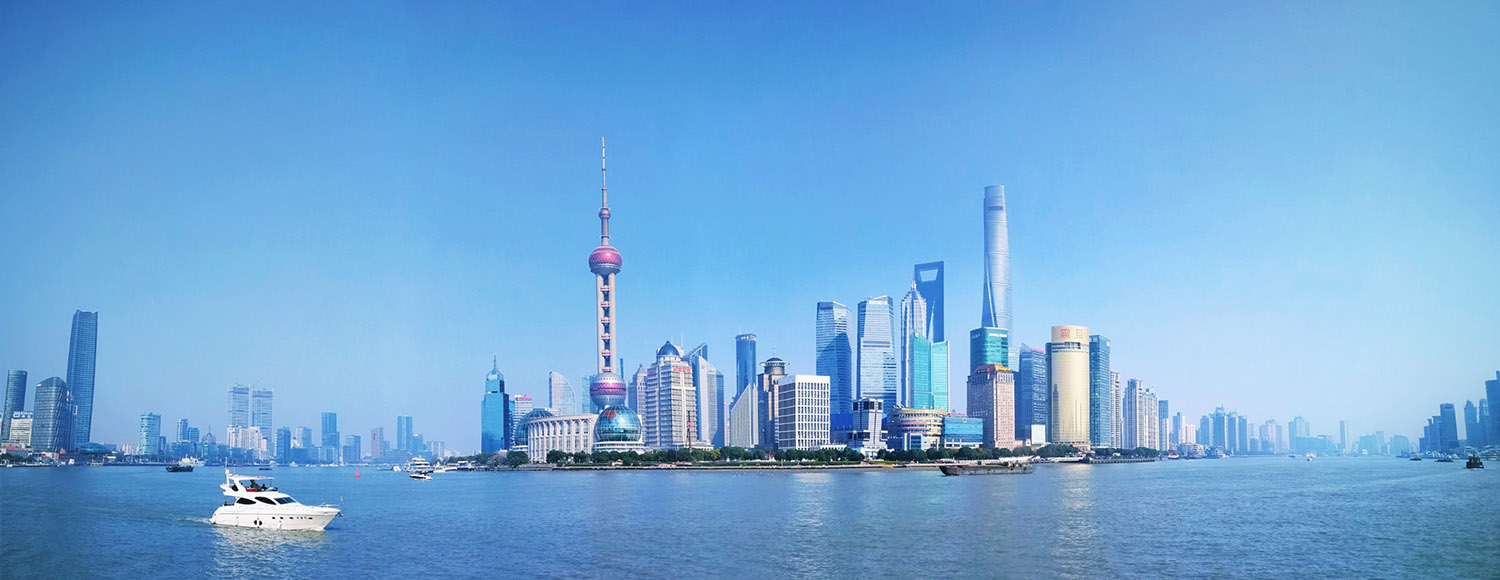
At the Bund, visitors can feel the charm of the exotic old Shanghai and also experience modern Shanghai across Huangpu River dominated by dense high rises in Pudong New Area on the opposite bank. There are buildings such as the Shanghai Tower, the World Financial Center, the Oriental Pearl Tower, Jin Mao Tower and the top four highest skyscrapers in the city. These skyscrapers dominate the skyline and create a perfect backdrop for photographers.
Pudong New Area
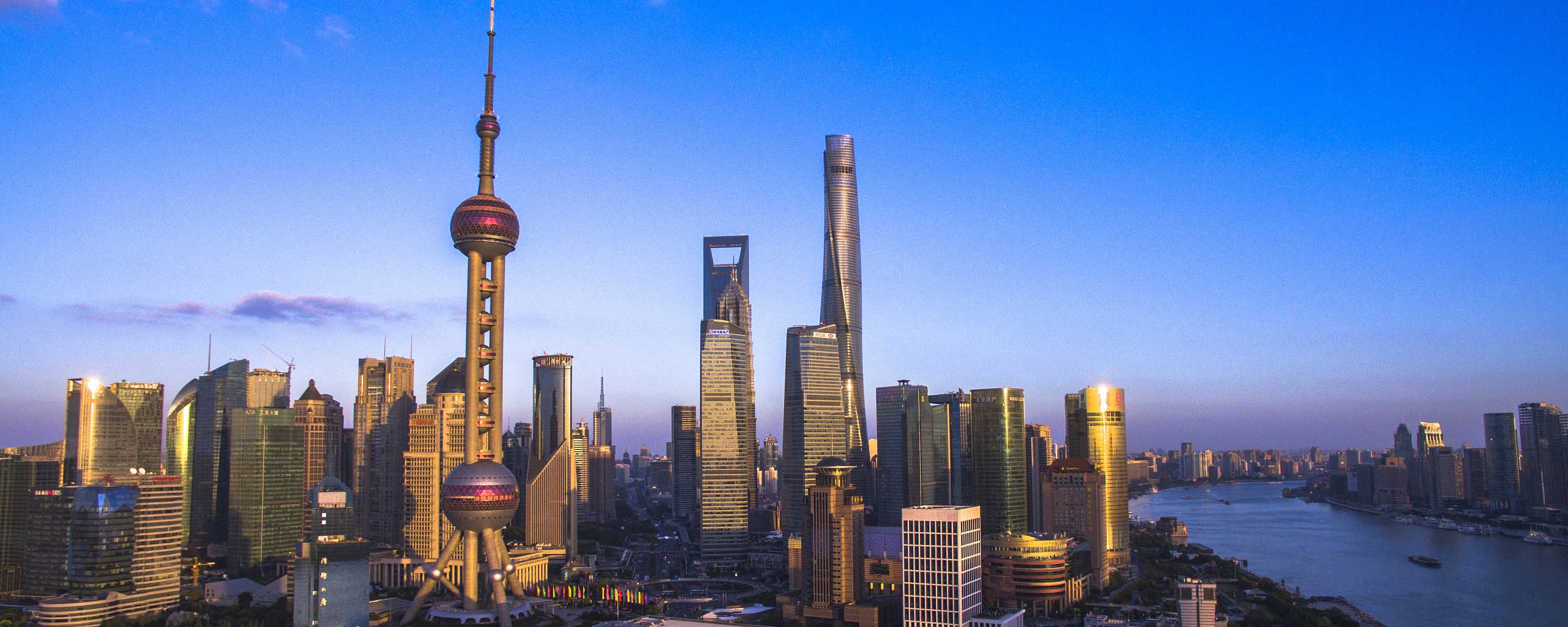
Pudong New Area
Introduction
Pudong New Area is located in the east of Shanghai right in the middle of China’s open area along the coast covering a total area of 533.44 square kilometers with a population of 2.8 million people as of 2013. In 2005 the Shanghai municipal government set a strategy to structure a socialist and harmonious society, to advance scientific development and to execute the Four Center national strategy. After 16 years of elaborate planning and implementation, the project achieved its goal and now Pudong is the window of China's reform. Right now there are more than 360 foreign and domestic institutions, security companies, future and property right companies in Lujiazui finance and trade zone. Leading to the financial exchange scale of Shanghai to rank first place in China.
Pudong has the most interesting business experience in the city and has since become home to new foreign talent, investors and world-class innovations. The area where Pudong sits today used to be covered in farms, rice paddies and marshes but is now characterized by office buildings on skyscrapers owned by at least 2000 foreigners amongst which is a General Motors plant producing the renowned Buicks.
Futuristic first free trade zone area formerly farmland transformed with a vibrant financial center aimed at promoting international level influence in the global market. In addition to this, it is also an area full of glitzy attractions like Century Park and a serene outdoor environment viable for activities like boating, cycling and golfing.
Things to do and see on a visit
Oriental Pearl TV Tower
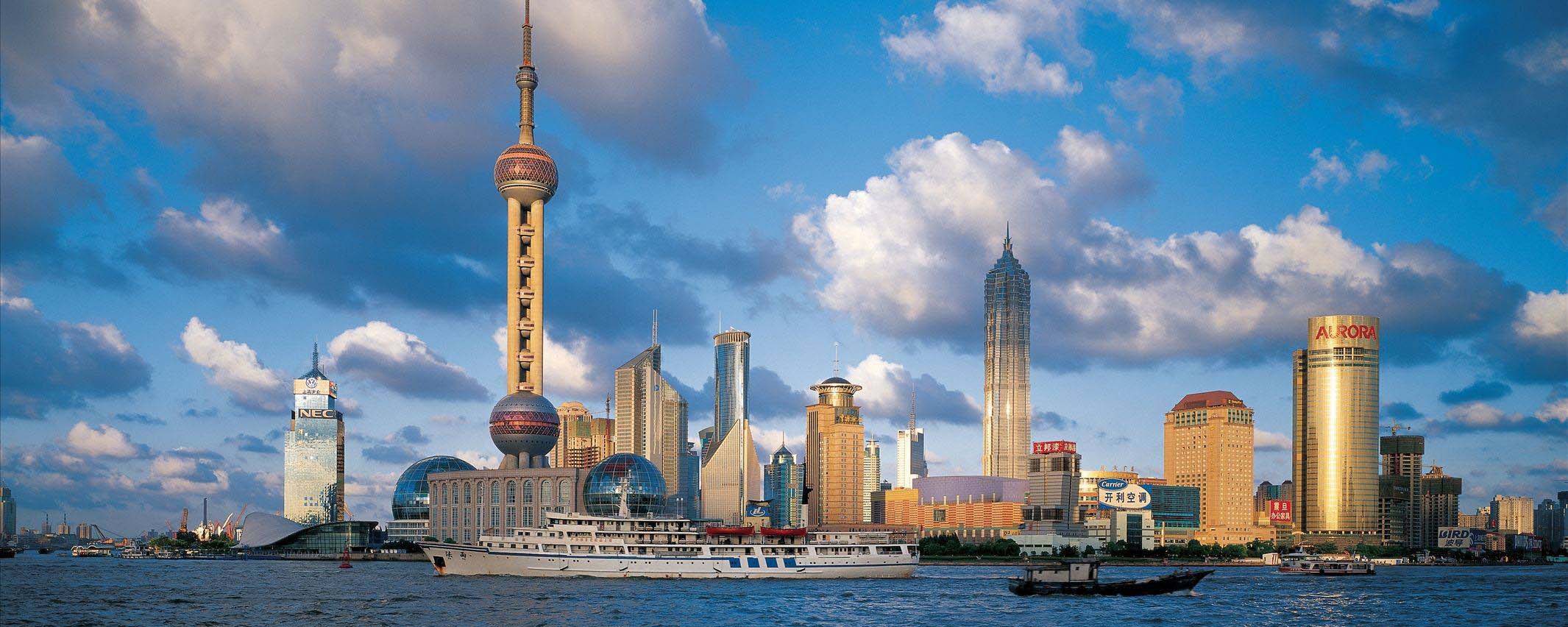
The most recognizable building in Shanghai that faces the Bund and has a long standing symbol of China with eleven spheres of different sizes connected by three towering columns. The Oriental Tower is also renowned for its glass bottomed sightseeing deck that allows visitors to get the most beautiful views of the city. It also houses a museum recounting the rich history of China.
Shanghai Tower
Shanghai Tower is the tallest buildings in Shanghai standing at 632 meters high with 127 floors and 5 basement levels. It is one of the newest towers in the area with observation decks, sky gardens and a museum.
Shanghai World Financial Centre
Shanghai World Financial Centre is the third tallest skyscraper in Shanghai and the fifth tallest in the world exhibiting monetary talents, art and cultural exhibitions and information from all over the world. Visitors can see the world’s tallest observation deck at 474 meters high and experience the contrast between old and new Shanghai with buildings such as the Bund, Jinmao Tower and Oriental Pearl TV Tower.
Jinmao Tower
Jinmao Tower is one of the tallest buildings in Shanghai that was once competing with buildings such as the Petronas Twin Towers in Malaysia and the Willis Tower in Chicago in terms of height. The Tower stands at 1,380 feet high and has 88 floors covering an area of 2.3 hectares. Its construction began in 1994 and was completed in 1999 by an architect by the name Adrian D. Smith. It now houses financial and trade businesses in addition to a five-star hotel.
Shanghai Science and Technology Museum
The most sought after museum offers both an educational and fun venture. It has a world of robots center, a space navigation center, four science theaters, thirteen permanent exhibitions amongst other temporary exhibitions.
Century Boulevard
This is the largest park in Shanghai spanning 5 kilometers from Oriental Pearl TV Tower to Century Park. It is a botanical garden with trees of willows, cherries, redbuds and Camellias.
Shanghai Ocean Aquarium
Covering an area of over 22,000 square feet right next to Oriental Pearl TV Tower, this ocean aquarium is home to one of the world's longest underwater tunnels displaying shark caves, coral reefs among other waterline exhibits. The aquarium also includes a fun and informative section dedicated to China’s aquatic life.
Jade Buddha Temple
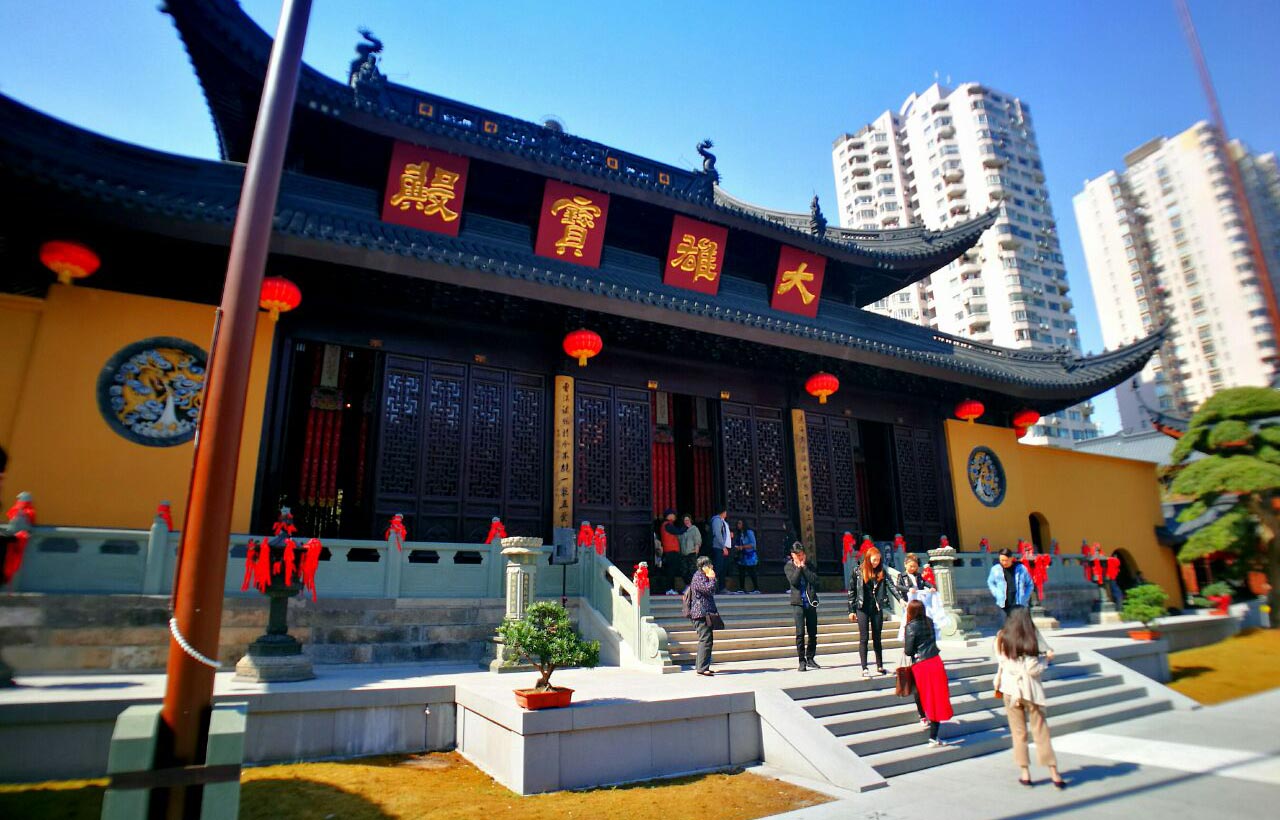
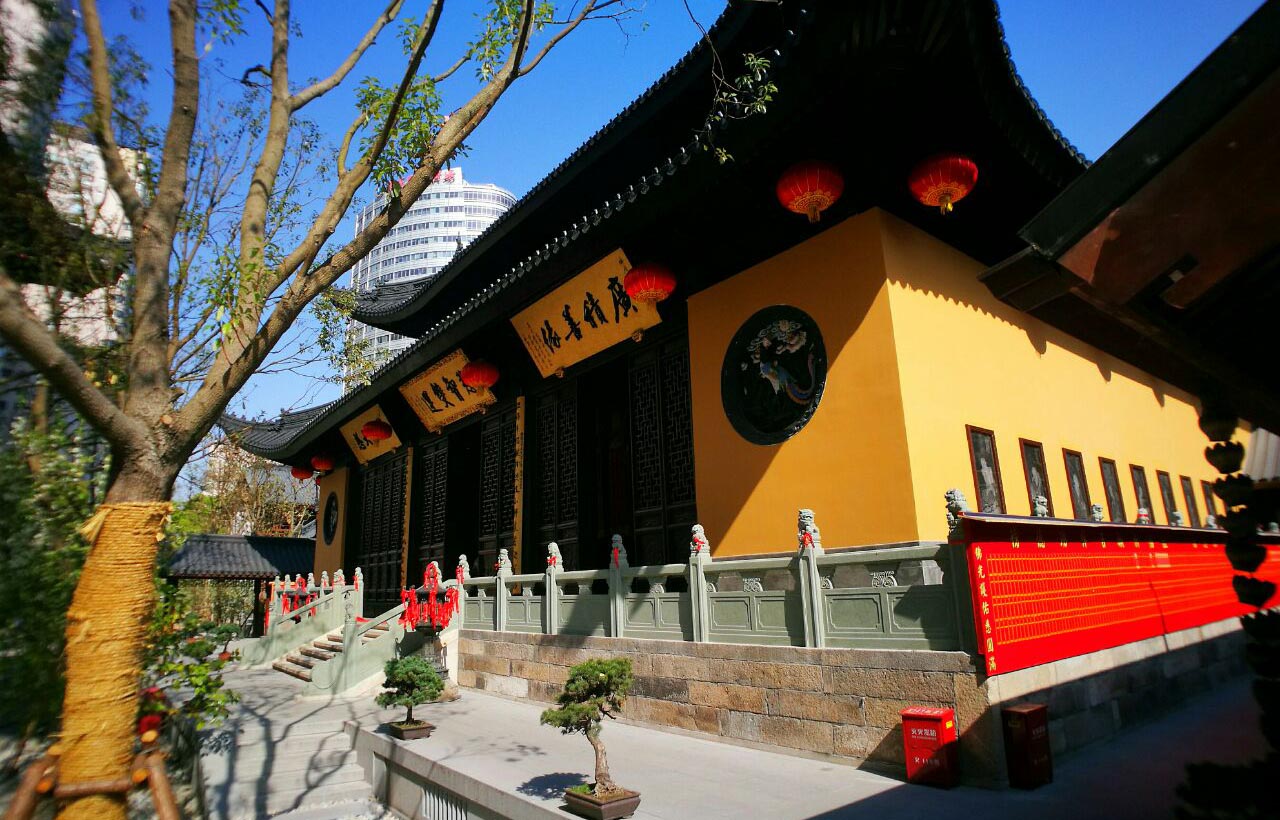
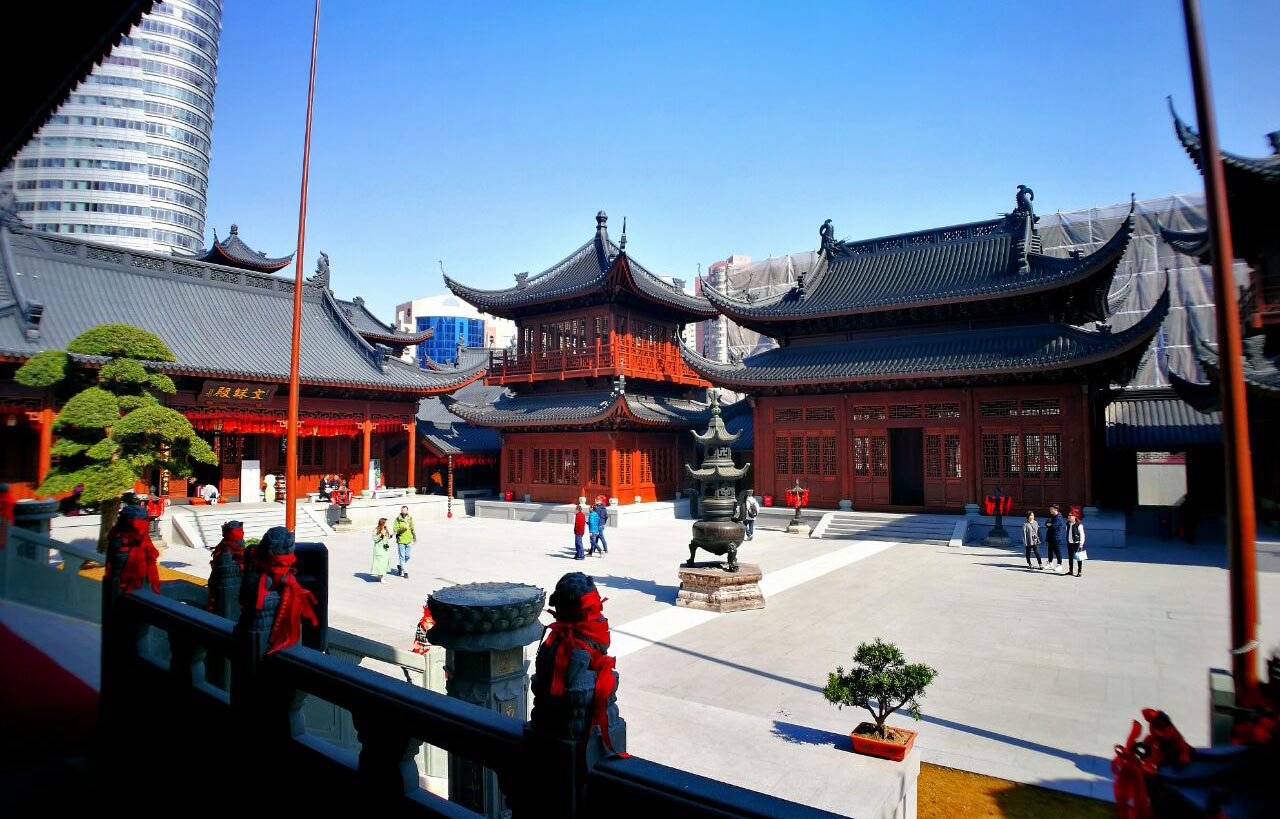
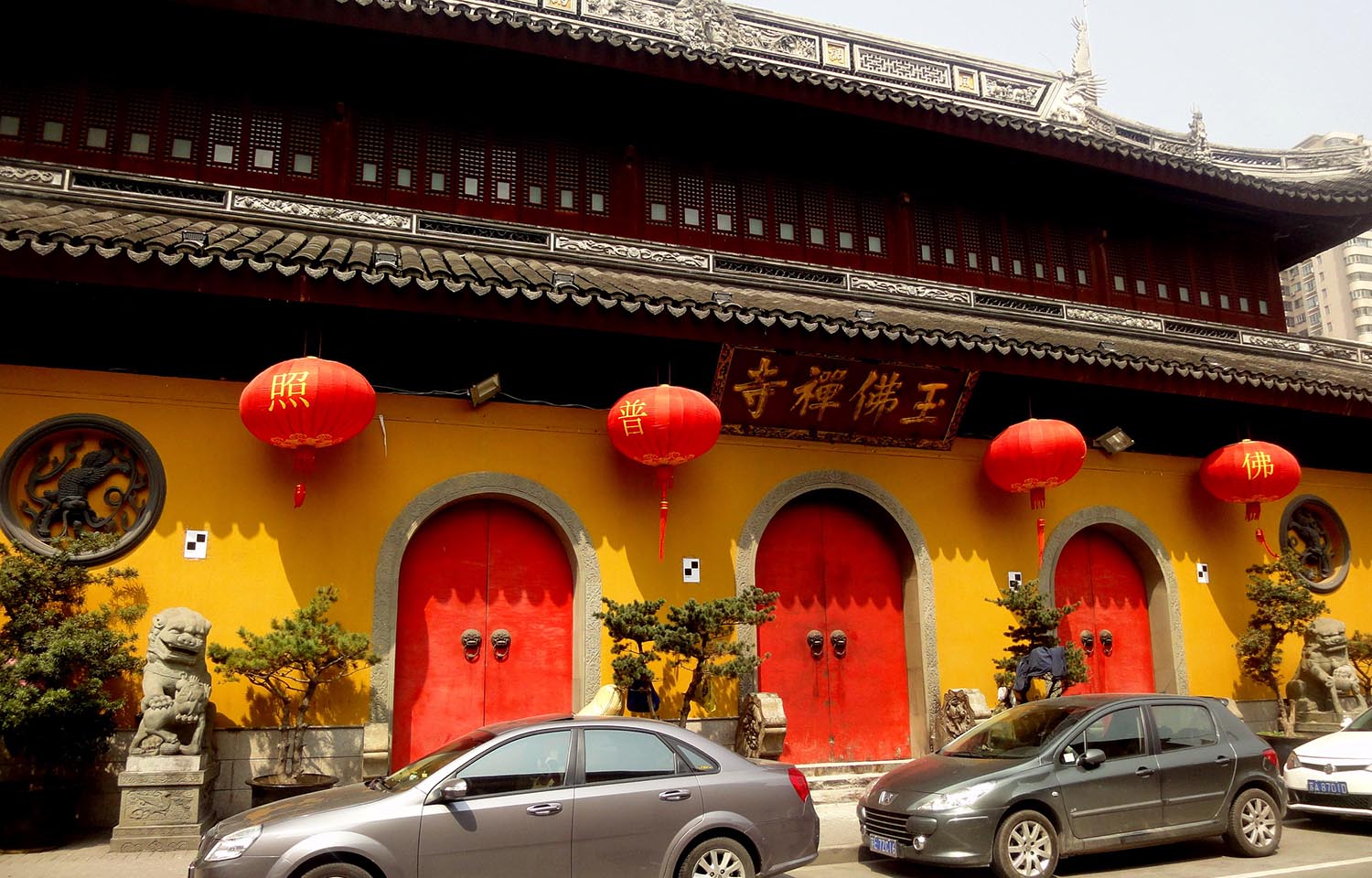
Jade Buddha Temple
Introduction
Located on Anyuan Road, Putuo District in Shanghai, the Jade Buddha Temple was built in 1882 to house two jade Buddha statues which had been brought from Burma by a monk Huigen. He was a native from an island located close to Shanghai and had made a pilgrimage to Tibet. When he visited Burma after his pilgrimage he met a Chinese native called Chen Jun who donated five Buddha statues made of jade to him and he was able to bring only two of them to Shanghai. During the Chinese Revolution in 1911, the original temple was taken over by rebels and was destroyed hence leading to the shifting of the jade statues location. In 1918 monk Kechen, oversaw the construction of a new temple that was built on the present site in 1928 and was named the Jade Buddha Temple.
Buddhas
In the Jade Buddha Tower is a sitting Buddha measuring 190 centimeters high and encrusted by the agate and the emerald, portraying the Buddha at the moment of his meditation and enlightenment.
At the Recumbent Buddha Hall is where the Recumbent Buddha is located. It measures 96 centimeters long and lies on its right side with the right hand supporting the head and the left hand resting on the left leg, this posture is known as the 'lucky repose'. Its sedate face displays the peaceful mood of Sakyamuni when he left this world.
In the temple there is also another Reclining Buddha, made of marble that measures around 12 feet long and was donated from Singapore the tenth abbot of the temple in 1989.
Chamber of Four Heavenly Kings
The Hall of Heavenly Kings is a two-floor structure with three doors opening to its south. There is a collection of statues representing Buddhist figures inside the front hall of the temple. There is Maitreya the bodhisattva with smiling faces that will apparently appear on the face of the Earth in the future, Skanda the bodhisattva with vajra pestle in his hands to protect the temple and the Four Heavenly Kings. These represent favorable conditions in terms of wealth, wisdom, passion and peace in the east, west, north and south directions.
Mahavira Hall
Inside the Grand Hall of the temple, there are the following collection of figures.
Cultural Relics and Artworks
These interesting relics can also be seen at the temple
Vegetarian Restaurant
This restaurant is accessible without entering the entrance of the temple where visitors can taste dishes such as vegetarian duck, Arhat noodles, mushroom noodles, vegetarian ham, double mushroom and lion head noodles and vegetarian chicken amongst many other vegetarian dishes.
Shanghai Museum
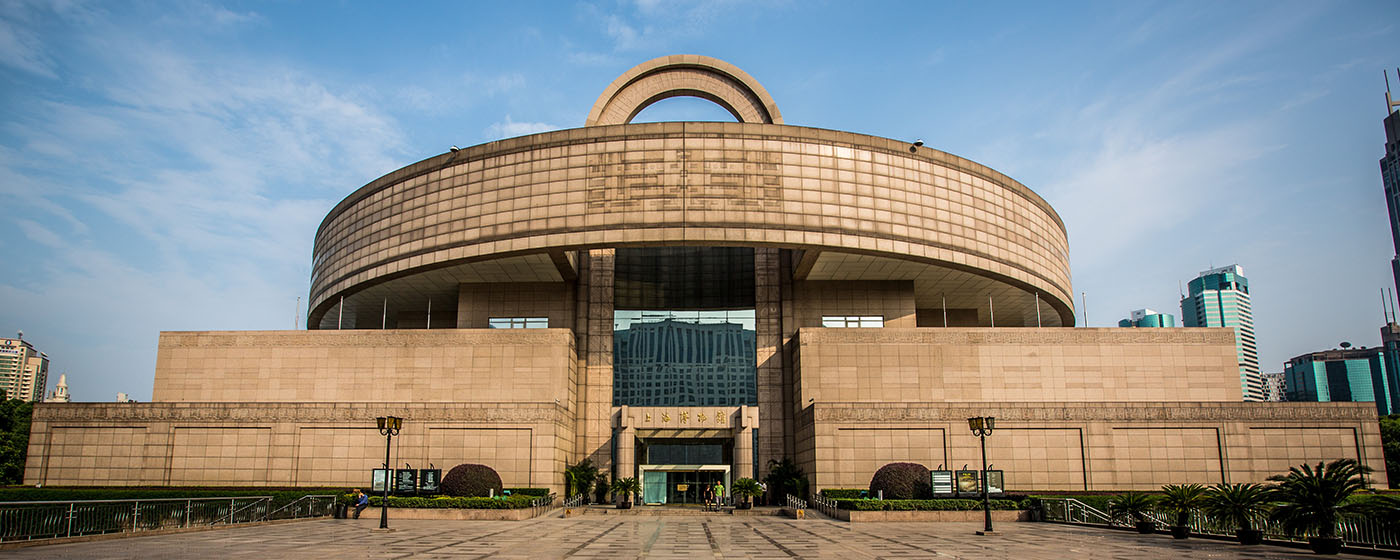
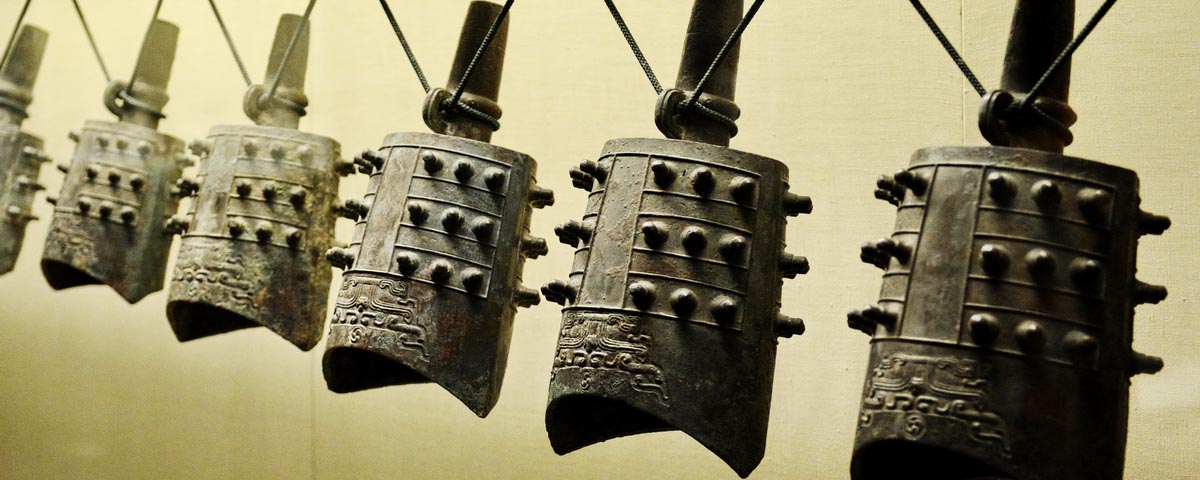
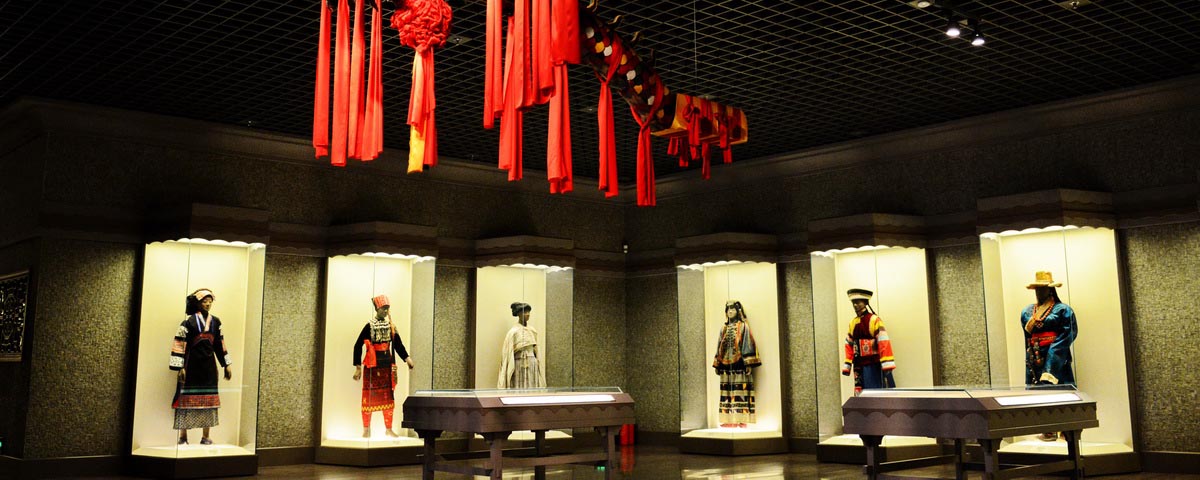
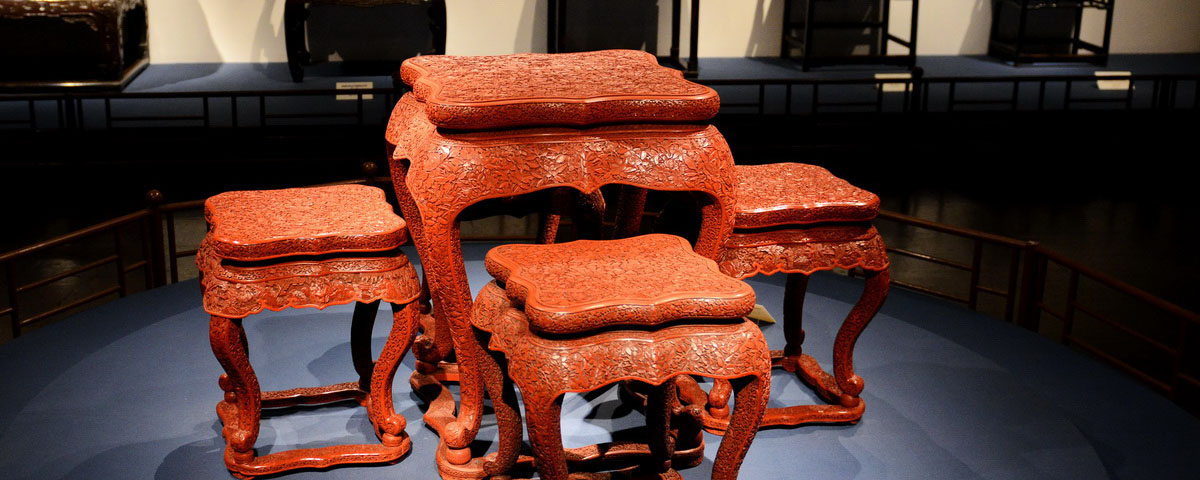
Shanghai Museum
Introduction
The Shanghai Museum is located in Huangpu District at the People's Square right at the center of Shanghai. It is a large museum of ancient Chinese art, wisdom and philosophy. Its exterior design takes the shape of a round dome representing heaven and a square base that symbolizes a squared land.
The museum is divided into eleven galleries and three exhibition halls. The eleven galleries display Ancient Sculpture, Calligraphy, Ancient Bronze, Ancient Ceramics, Ancient Jade, Paintings, Ming and Qing Furniture, Coins, Seals and Minority Nationalities.
Things to see and do on a visit
Bronze
The bronze ware of the Zhou and Shang dynasties contribute to the learning of ancient civilization with over 400 pieces of exquisite bronze wares. Tourists can learn and see the rich culture of bronze. Visitors can see Da Ke Ding (food vessel) originally from Shaanxi province measuring 93.1cm high and weighing 201.5kg with 3 hoof feet. It is a symbol of power and social level whose surface bears inscriptions of 290 characters giving the vessel essential respectable status being one of the only two biggest round bronze Dings with inscriptions in China. In addition to this, there are smooth and excellent carvings of beast faces and curly lines. Da Ke Ding is used for the study of the economy and history of the West Zhou dynasty.
There is an Ox-shaped Zun (Wine Vessel) is a unique and rare vessel for heating liquor because of its descriptive shape of an imposing and strong ox. It was made during the late Autumn and Spring periods between 699 BC and 476 BC. The vessel combines heating and filling liquor and is the only one found in the Shanghai Museum.
In the museum, there are also bronze relics such as a vessel for measuring volume known as Fangsheng of Shangyang displaying the advancement of ancient Chinese in mathematics and instrument manufacture. There is an old water container called Pan of Zi Zhong Jiang with sculptures of birds, fishes, turtles and frogs.
Ceramics
Another treasure in the museum is the ancient ceramics collection. Visitors can appreciate over 500 pieces of ceramics like the grey pottery from the Neolithic Age. Celadon or tri-colored glazed potteries of the Shang, Zhou and Warring states of the Han and Tang Dynasty. Blue, white and black glazed painted porcelain from the Song, Jin and Liao, and the brilliant works from Jingdezhen, Jiangxi which was the center of the industry during the Yuan, Ming and Qing dynasties. The beauty of fire and clay on the displays in addition to uniquely shaped works such as the Celadon Li shaped Censer and a masterpiece from Longquan kiln that represents high skill sets of celadon from ancient China. The Celadon Begonia in the shape of a Bowl from Yue kiln in Tang dynasty looks like a full blooming begonia flower. An olive vase with a peach pattern, known as a Peerless Treasurable Vase, has fresh pink peaches growing on vigorous light green branches with perfectly ordered blossoms in color yellow and rose. The Figure Playing Lute created from Sichuan displays a relaxed and satisfied player who is enchanted by the sound of music.
Paintings
The museum is home to over 120 pieces of outstanding works of Chinese paintings from renowned artists from the Tang dynasty to modern times. Visitors can see authentic work such as Mr. Sun’s silk painting work from the Tang dynasty displaying multiple techniques and undivided efforts. There are also fancy paintings and vivid pieces all over the museum to amuse visitors.
Calligraphy
Shanghai Museum has a unique collection of works of calligraphy from thousands of years ago to the Qing dynasty to allow visitors with the opportunity to appreciate the brilliant writing of all styles. For instance, Ya Tou Wan Tie, Letter from 317 AD to 420 AD is one of the most important pieces housed in the museum displaying both talent, the use of art in a graceful charm and conveys a message in the most informal way. Pieces of Zhu Zhishan can also be seen and they express his wild personality amongst many other pieces from other renowned individuals.
Jade
In the Shanghai Museum, visitors can see beautiful jade wares with delicate carvings and learn more about its decorative and symbolic meaning in addition to its fortune and many other magical significance of the rock in ancient China. Visitors can also see pieces such as Cong with the Anthropomorphic Mask, the Hindustan Octagonal Case, the Funerary Face, Gu with Three Chi-dragons Design and the flying bird design. Another renowned piece is the 4,200-year-old Jade Divine figure standing at 10.3 centimeters high as the only one of its kind in the world testifying the best quality of jade glittering through the translucent material.
Sculpture
The Gallery of Chinese Ancient Sculpture focuses mainly on Buddhist sculptures in the key colors of black, red and gold. The Head of Kashyapa showcases a simple yet unadorned inner beauty with a broad forehead, fine brows, kind sight and warm smile. The kneeling Bodhisattva stone sculpture is also worth a visit and the Thousand Buddha Stele with countless carvings of Buddha.
Seal
At the museum, the importance of seals in history from the Western Zhou to the end of the Qing Dynasty is displayed. There are more than 500 seals of different materials. For instance, the Seal with Inscription Jin Gui Yi Di Wang is a rare masterpiece made of gold and is more than 1,650 years old. Furthermore, there is the seal with Inscription Wu Yi that is a seal character transformed from the images of fish and birds amongst many other seal to enable visitors to learn more about their history and origin.
Other Exhibits
Shanghai Museum also has a huge collection of other valuable treasures. There is a collection of over 7,000 pieces of currency showing its origin and development over time from the time Bronze was being used till the Modern era.
There is also a gallery showing a refined garden like a residence during the Ming and Qing dynasties. Visitors can see the elegant and fine ancient designs from back in the days to the development of modern designs.
In addition, there is a colorful display for the minority nationalities ranging from metal wares, clothes, pottery, bamboo wares, sculptures and lacquer.
Former French Concession
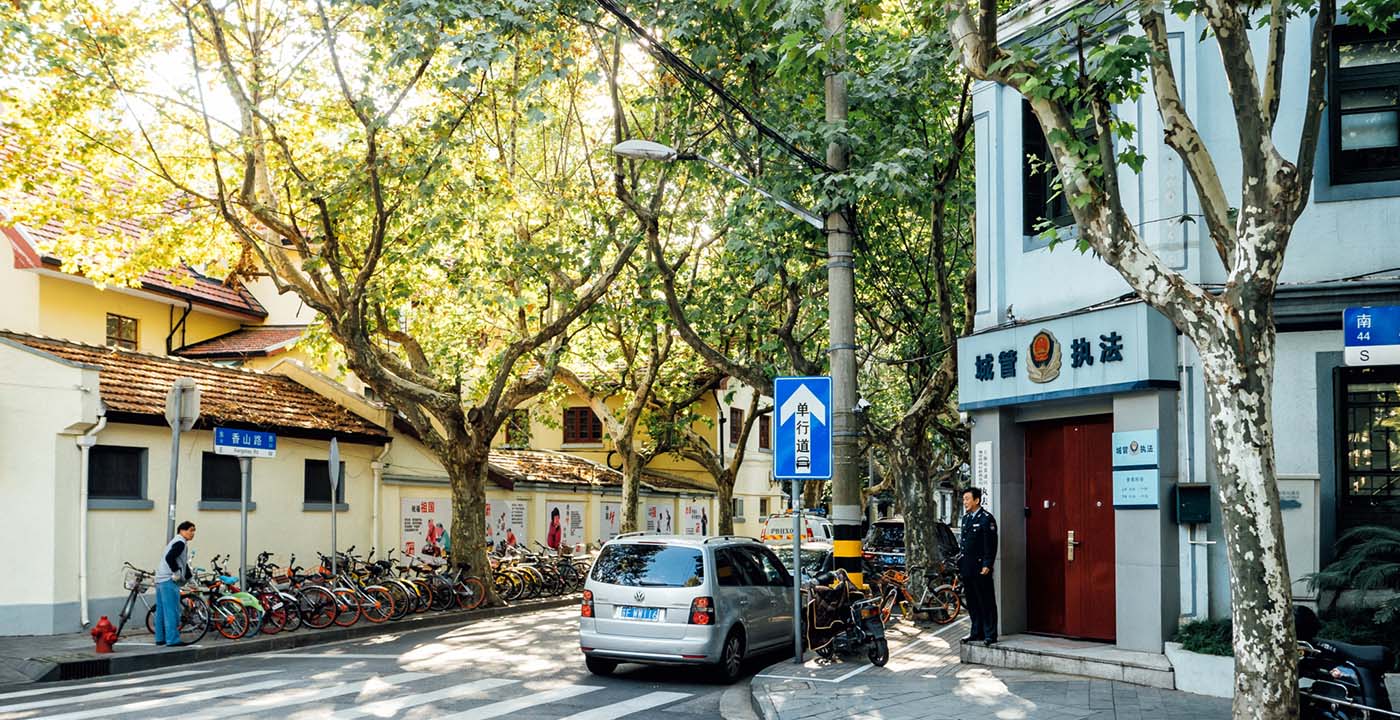
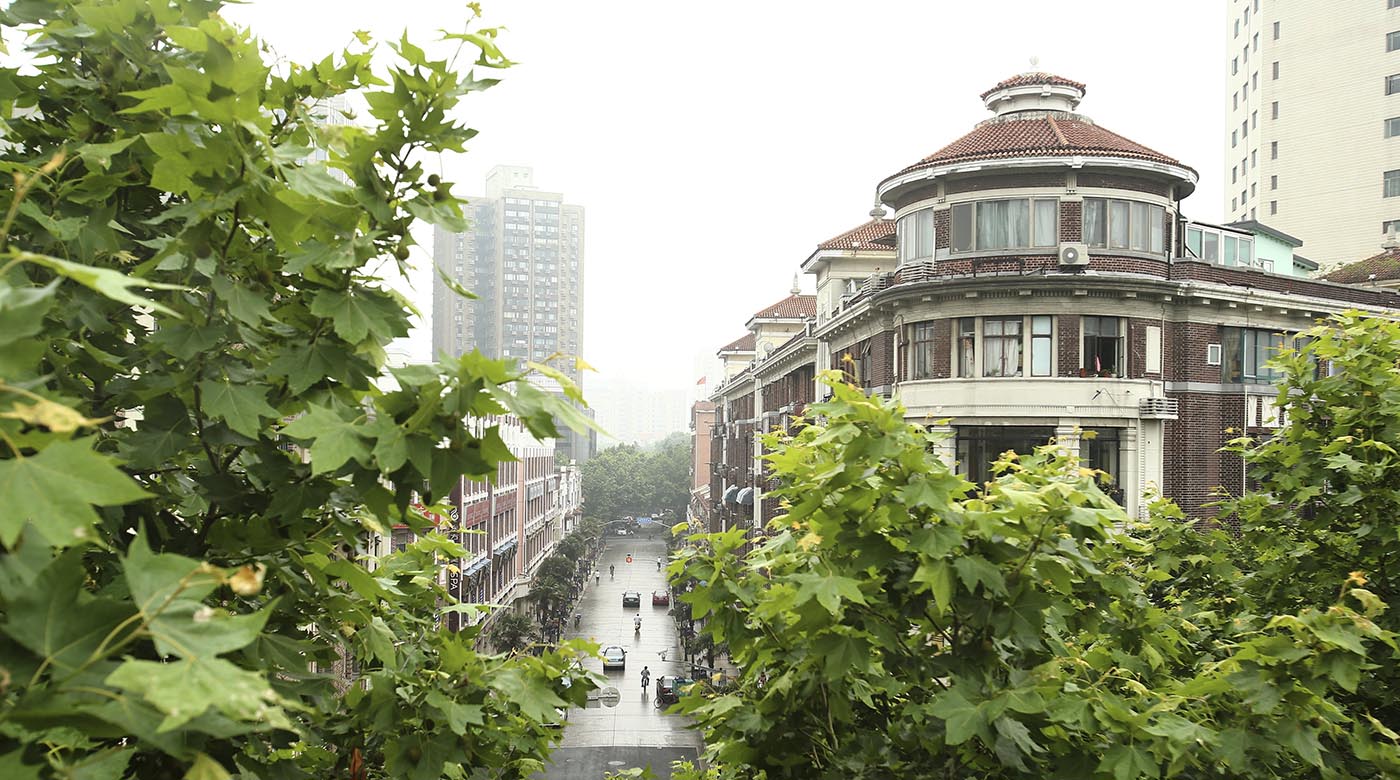
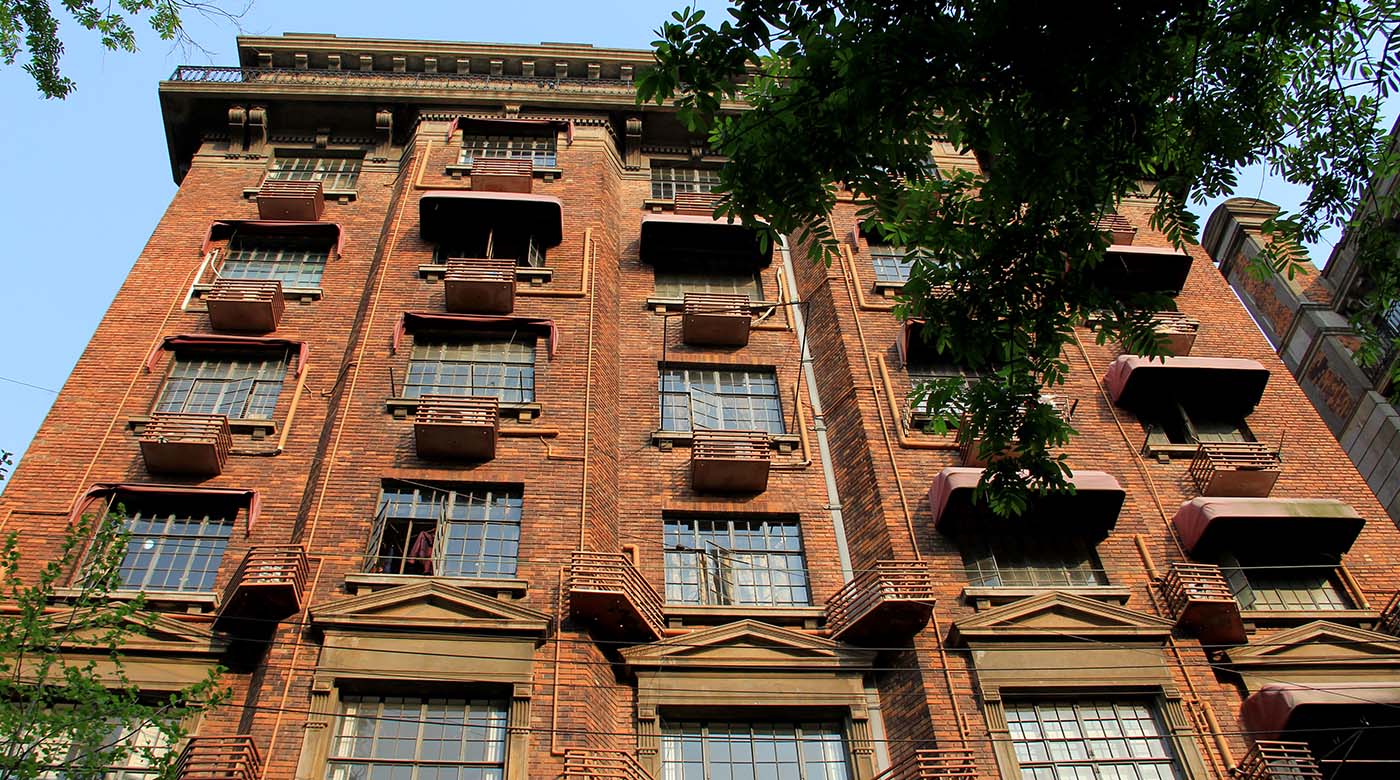
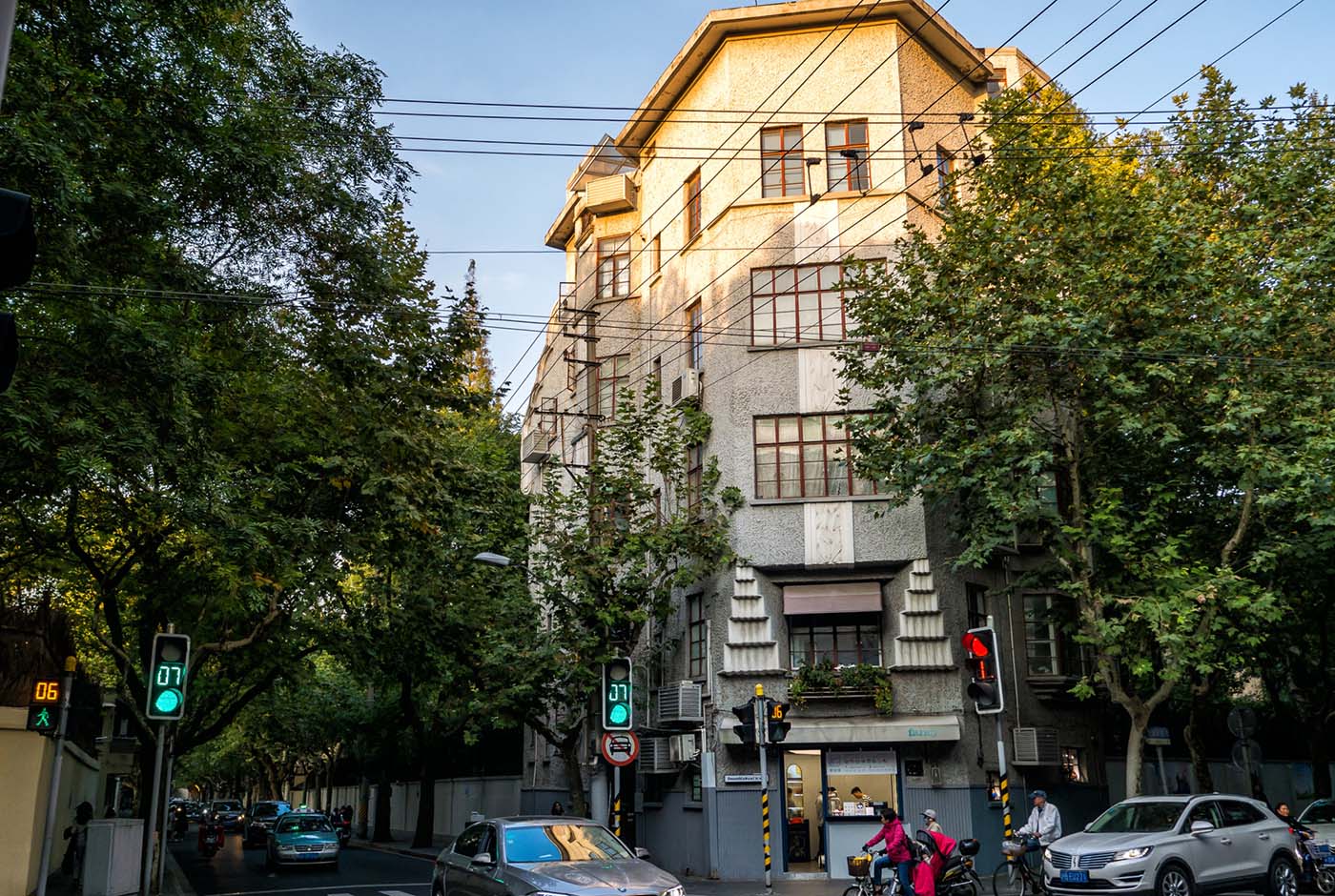
Former French Concession (FFC)
Introduction
The Former French Concession is a former concession of France which lasted between 1849 and 1943. It occupies an area of around 8 kilometers stretching west of the Bund. It is to the east of Huashan Road, to the south of Yan’an Road, to the west of Huangpu River and to the north of Zhaojiabang Road Xujiahui Road.
The French consulate office was allowed to recreate 66 hectares into their liking to improve Franco Chinese relations and expand the consulate’s land. In addition to French government officials, other wealthy civilians from Britain, Russia and the USA also lived in this elegant location creating it into what it is today. The Former French Concession history dates back to 1849 when it developed to be the greatest and most prosperous French Concession in China. In the 1920s it was the most prosperous area in Shanghai and in 1943 the government took it over and shut the French concession that had been in power for close to 100 years.
Things to see and do on a visit
Residential area
A visit to the neighborhood clearly brings out a perfect juxtaposition from other Shanghai neighborhoods with its unique architecture and tree-lined streets. At Sinan Road, there are at least twenty garden houses on opposite sides representing almost all the residential buildings that were in Shanghai since the early 20th century. The FFC is a great residential area amongst foreigners and expats. Visitors can see residences of Soong Ching Ling: the Honorary President of the People’s Republic of China, Sun Yat Sen and Zhou Enlai.
Strolling, shopping and eating
FFC is the best place to take long walks along tree-lined streets, perfect boulevards, narrow alleyways protected by wrought iron gates featuring cafes, restaurants, breweries, boutiques, antique stores and galleries giving visitors a feeling of the spirit of walking in the foreign land of Europe. Walking along streets such as Wukang Lu, Wulumuqi Lu, Fuxing Lu, Dongping Lu, Changle Lu, Julu Lu, Taojiang Lu, Yongfu Lu, Xinle Lu and Tai'an Lu guarantee a good time whether you are looking to shop for international products such as European cheese, jams, all kinds of oils, wine, exotic herbs, local fresh produce and local merchandise. There are also art stores, galleries, exhibitions and artistically decorated buildings. Middle Huaihai Road is one of the busiest streets keeping up with the latest trends and is home to numerous top-rated restaurants. Visitors who wish to relax over a meal or drink can find both indoor and outdoor establishments serving both local and international cuisine.
Fuxing Park
At Fuxing park, visitors can see how dominant the European influence is. The park is full of life with people showcasing the art of water calligraphy, elderly couples dancing away to classical hits as others practice tai chi
Moller Villa
This Moller Villa is situated at the corner of South Shaanxi Road on Yan'an Middle Road. It is a Nordic style garden villa that was constructed by an Englishman named Moller who lived in Shanghai. Moller wanted to fulfill his daughter’s dream by building this villa. It has a small gate, colorful walls and tiles, Chinese glazed tiles, gothic spires and buddha statues. Visitors feel like they are walking in a fairy tale somewhere in northern Europe when they visit this place. Its interior was inspired by a luxurious cruise ship and its floors were paved with fine wooden strips to form the pattern of seaweed and kelp.
Tianzifang
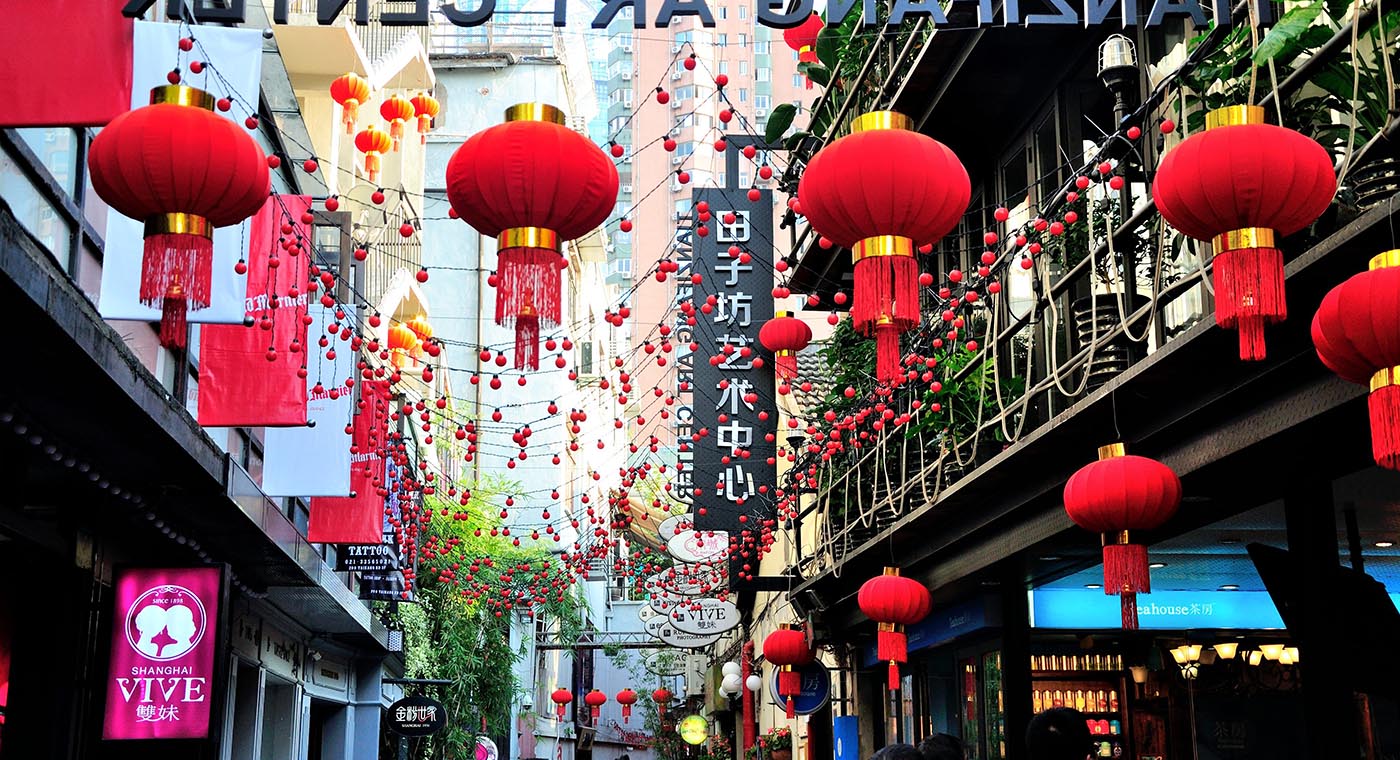
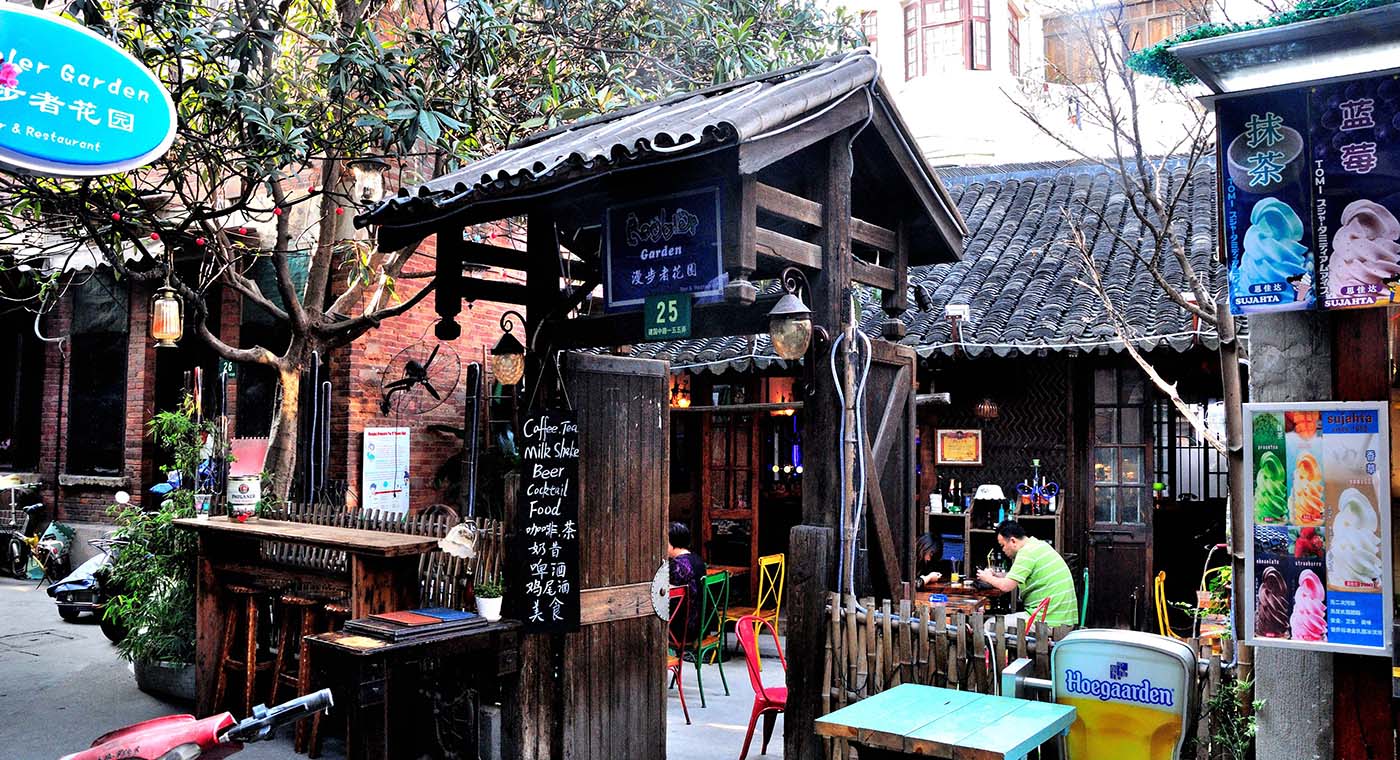
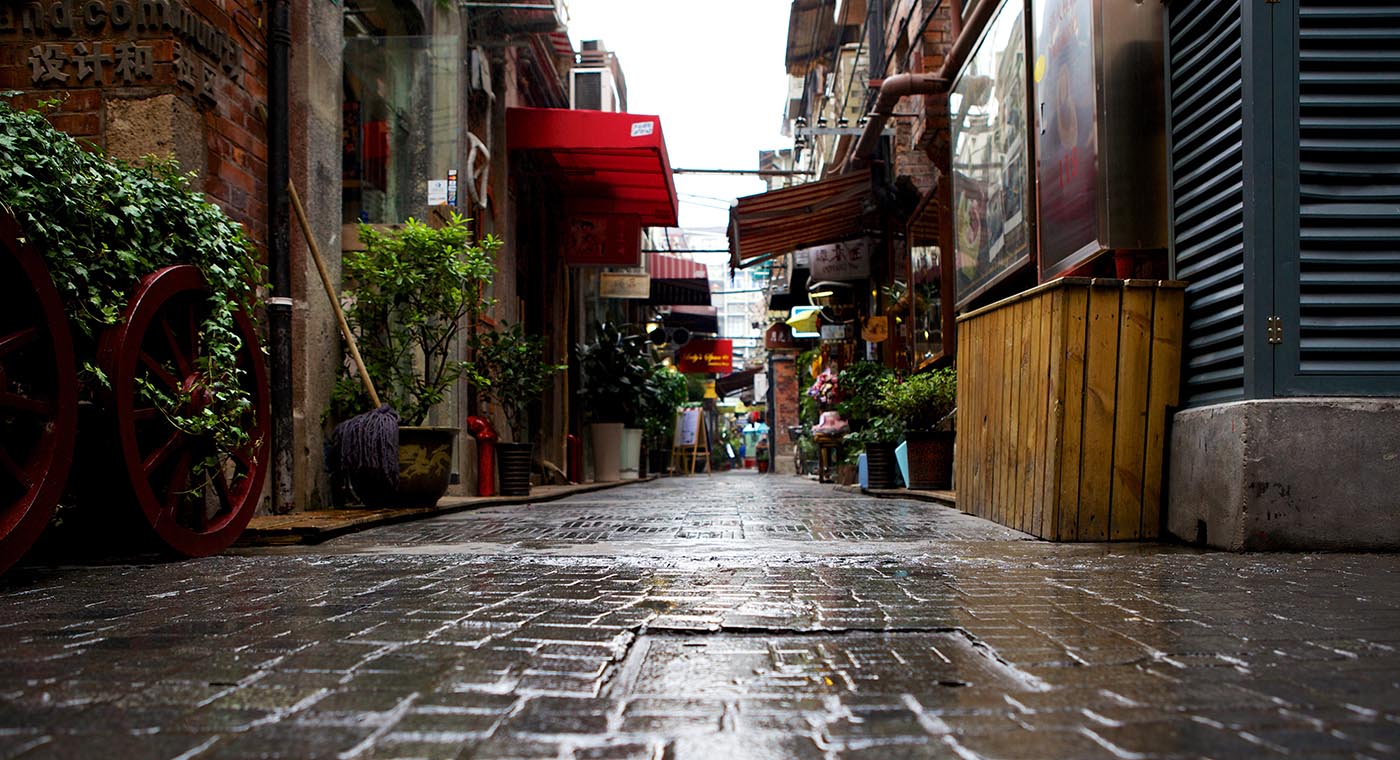
Tianzifang
Introduction
An Old French Quarter which has managed to retain its organic feel in terms of architecture where international brands, as well as local designer merchandise, are found in plenty. The traditional alleys and shikumen most featured Shanghai dwellings which mix western culture and traditional style of Han Nationality are home to art galleries, cafes, restaurants, studios and craft stores.
In the late 1990s, Chen Yifei, one of China’s most renowned contemporary artists renovated abandoned factory buildings converting them into art studios. With time many other local artists followed suit due to the availability of cheap rental rates and availability of ample space creating a thriving district with a commercial neighborhood.
Things to see and do on a visit
Architecture
Tianzifang is full of old Shikumen houses which are stone framed-door houses set up with lanes with infinite novelties. Shikumen buildings combine Western and Chinese architectural styles and feature distinctive large doorways framed in stone and were built in the 1930s. Now these shikumen buildings house bars, shops and restaurants. There are very good examples of these Shikumen buildings all over Tianzifang but on the upper part of Lane 248 they dotted all over.
Art
Unique pieces of art can be found on Taikang Road in Tianzifang. On lane 210 is the location of the factory building that Chen took over back in the days and is now an art studio where visitors can see his studio to see his artwork. Further on the same lane, there is an Art Centre that gives local artists with a venue for painting, photography and displaying their artworks in exhibitions. At Shanghai Lu, visitors can shop for unique contemporary Chinese designs printed onto T-shirts.
Shopping
Lane 248 is the center of action of Tianzifang in matters shopping with everything, a visitor would love to shop for ranging from jewelry, clothes, souvenirs and cute handbags. On Beijing Fan at number 37, visitors can buy handmade silk fans. At Shi Yi Ji on lane 248, visitors can find novelty shops, stationery, different accessories, toys and postcards.
Restaurants
On lane 248 there are food stalls and a variety of restaurants. Visitors can experience the culinary beauty of Tianzifang with queer snacks on sticks and tasty snacks in open-air stalls and in cafes serving both local snacks like Chinese dim sum, western snacks like Western hamburgers and chicken heart skewers and even Japanese cuisine.
 Home
Home


