


Email: info@chinavisafreelayovertour.com
Phone: +86-13683536536
WhatsApp/iMessage: +86-13683536536
WeChat: +86-13683536536

Member
Private Tour
1 Person $655
2 Person $373
3 Person $293
4 Person $248
5 Person $237
6 Person $212
7 Person $198
8 Person $191
9 Person $174
10 > Person $162
Price Per Person in USD

Travel personnel
Number of rooms
Price : $1269
Are you going to have a long layover in Beijing? Take the best chance to know and visit the most famous, historical and cultural sites in Beijing, such as the Tiananmen square (the most important square in the whole China), the Forbidden city (ancient home of emperors) and Mutianyu Great Wall (one of the new 7 wonders of the world). Our professional tour guide and driver will pick you up at the airport, we will take you for a quick Beijing tour and get you back on time for your next flight. booking this layover tour can be a memorable part of your epic trip!
Tour Itinerary
Travel Calendar


Day 1 Shanghai-Suzhou-Shanghai by Private Vehicle
Shanghai Port Pickup, Humble Administrator's Garden, Tongli Water Town, Transfer to Hotel in Shanghai
Your friendly tour guide and driver will greet you at the exit of Shanghai Cruise Port.
~ 2-2.5 h : Drive to Humble Administrator's Garden
~ 1.5 h : Visit Humble Administrator's Garden
 Drive to the Humble Administrator's Garden, crowned as the World Cultural Heritage Classical Gardens of Suzhou. Enjoy the most beautiful pavilions, ponds, ancient buildings and rookeries in the garden.
~ 1 h : Drive to Tongli Water Town
~ 1.5 h : Visit Tongli Water Town
Visit thousand-year-old Tongli Water Town which has a profound cultural background and tranquil environment. Visit Chongben Hall, also called Marriage Museum, kiosks and plaques provides a history of how Chinese families once arranged marriages. Display cases are filled with wedding garments and personal items for a bride and groom and the tiny shoes that were worn when foot binding was prevalent in China.
~ 2 h : Transfer to Hotel in Shanghai
Day 2 Shanghai
Shanghai Museum, Former French Concession, Nanjing Road, Bund, Jinmao Tower, Transfer to Shanghai Port
~ 0.5 h : Drive to Shanghai Museum
~ 1.5 h : Visit Shanghai Museum
You will start off the tour at the Shanghai Museum which possesses a collection of 120,000 precious artwork, appreciate rich and high-quality collection of ancient Chinese bronze, ceramics, painting and calligraphy etc.
~ 20 mins : Drive to Former French Concession
~ 1 h : Visit Former French Concession
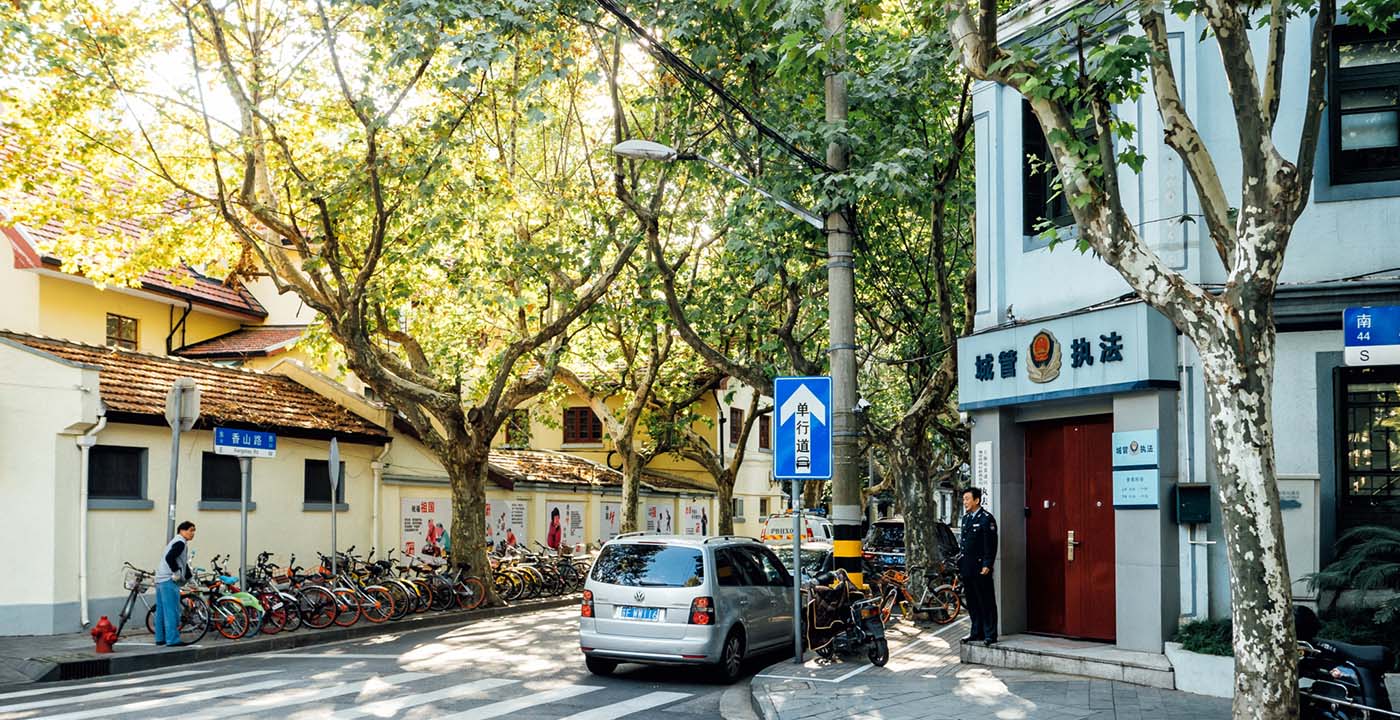
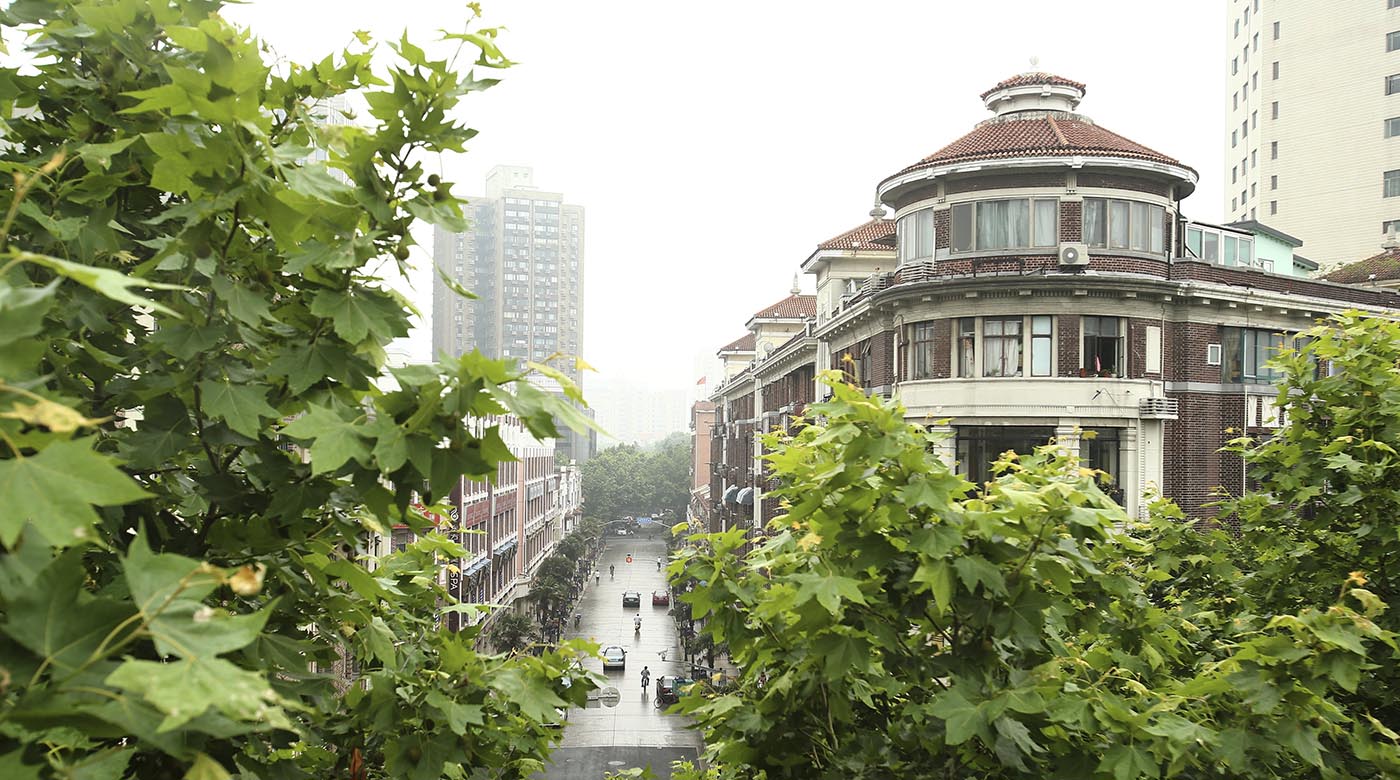
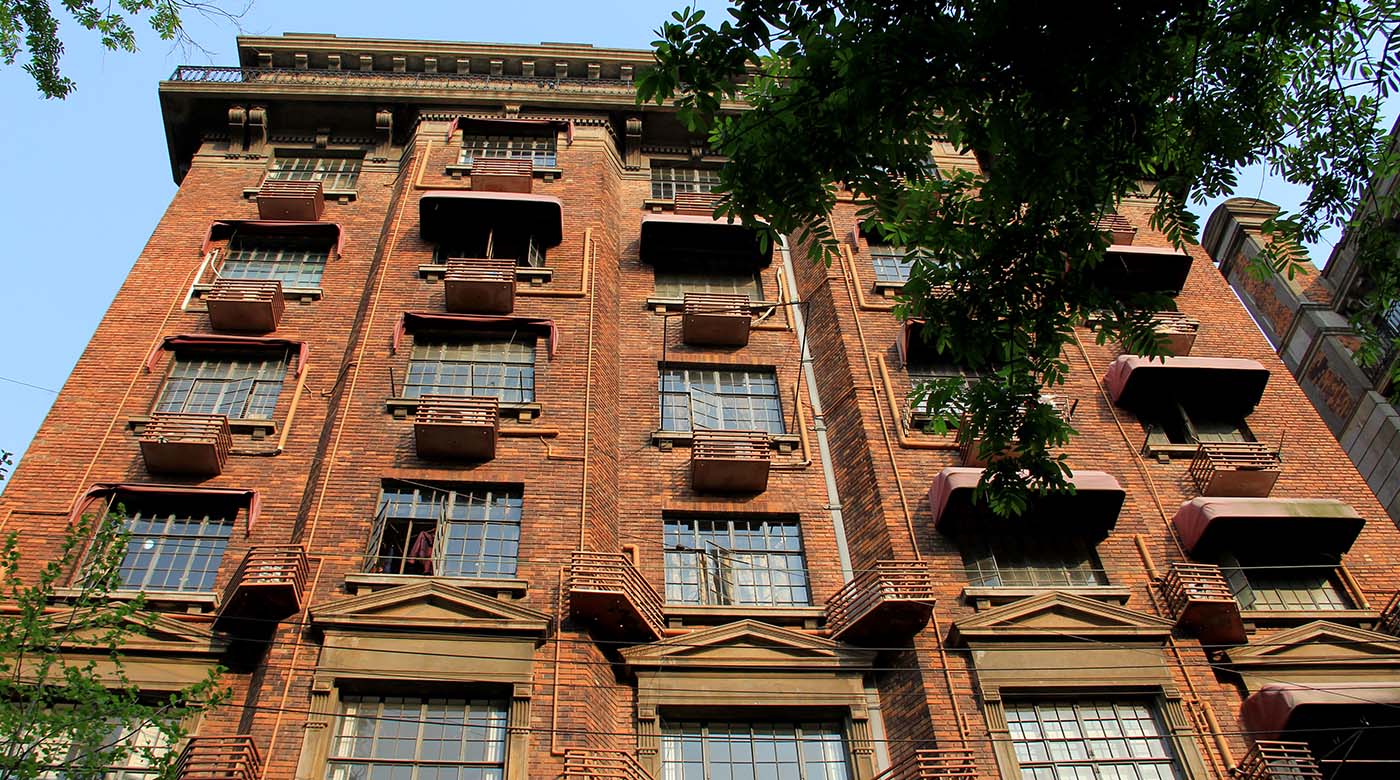
Walk around the tranquil and charming Former French Concession and trace the colonial history as enjoy European-style buildings.
~ 20 mins : Drive to Nanjing Road
~ 1 h : Visit Nanjing Road
Go shopping at bustling Nanjing Road and experience the vibrant city, and you can taste delicious street food at your own cost.
~ 15 mins : Drive to Bund
~ 45 mins : Visit Bund
Take a leisurely walk along the Bund and enjoy the beautiful buildings along the banks of Huangpu River.
~ 15 mins : Drive to Jinmao Tower
~ 1 h : Visit Jinmao Tower
Take the fast elevator up to the top and enjoy the amazing city views, and experience the exciting observation deck along the building edge.
~ 1.5 h : Transfer to Shanghai Port
The driver will send you to the Shanghai port or downtown hotel at your request!
Day 1
Shanghai-Suzhou-Shanghai by Private Vehicle
Breakfast ✘
Lunch ✘
Dinner ✘
Shanghai Port Pickup: Your friendly tour guide and driver will greet you at the exit of Shanghai Cruise Port.
Humble Administrator's Garden:
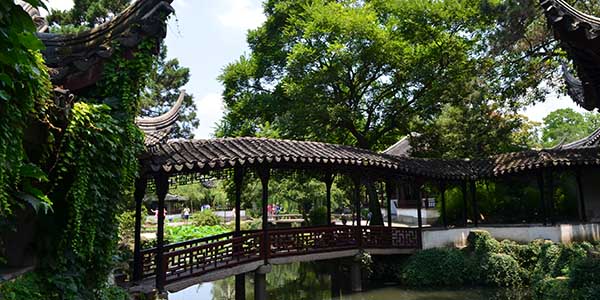
Explore the head of Four Famous Gardens in Suzhou and one of UNESCO World Heritage Site
Enjoy the amazing landscapes in a perfect combination of ancient buildings
Tongli Water Town:
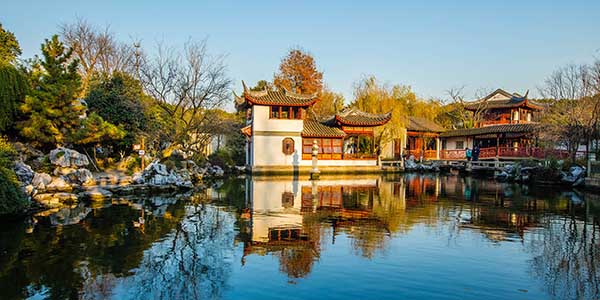
Marvel at picturesque Oriental Venice
Enjoy tranquility and explore the ancient history
Transfer to Hotel in Shanghai:
Day 2
Shanghai
Breakfast ✘
Lunch ✘
Dinner ✘
Shanghai Museum:

Explore beautiful bronzes, ceramics, jade, calligraphy, paintings etc
Experience the splendid of Chinese history and culture
Former French Concession:

Take a leisurely walk along the enchanting street
Trace colonial history from the charming European-style architecture
Nanjing Road:

Enjoy shopping at modern and bustling Nanjing Road
Experience the vibrancy of Shanghai
Bund:

Enjoy exotic buildings and surrounding sprouting skyscrapers along the Bund
Appreciate the incredible amazing view
Jinmao Tower:

Transfer to Shanghai Port: The driver will send you to the Shanghai port or downtown hotel at your request!
Includes & Excludes
Entrance fee
Air-conditioned vehicle with an experienced driver
English-speaking guide
Bottled mineral water
Shanghai Cruise Port transfer
Tips to guides and drivers
Meal
Hotel
Booking Notes
Private Shanghai Port Layover Tour:
The private layover tour is only for you and your team, no need to wait for other travelers. Time-saving.
More flexible for picking up time according to your cruise details, will send you back to the Shanghai port or hotel according to your request.
If your cruise delayed, your private tour guide will wait until seeing you at the exit of the Tianjin port, more flexible!
Can customize tour itinerary according to your interests.
Payment Methods
Please book your Shanghai port layover tour on the website in advance, and you can pay full payment or a half deposit through PayPal or optional credit card when booking online. Confirmation will be received at the time of booking.
Cancellation Policy
There is no cancellation fee if you inform us at least 24 hours in advance before the scheduled pick-up time.
100% cancellation fee if you inform us within 24 hours.
Reviews

 Review
 Review

benniejay
Yes everything was spectacular and fascinating very professional and prompt services. There were beautiful places to explore and to see in the 4 hours that we had. The comfort and beauty of the China was incredible, The history, culture and way of life of the local people we bumped into during the layover was beyond our expectations. Hiking on the Great wall after driving through a small remote countryside was very relaxing and rejuvenating. It was the best trip ever to experience on a few hours.
We had not previously used a travel agency for touring. The crew including the driver and tour guide were really funny, friendly and knowledgeable. Despite having limited time we still had free time allowing for shopping and grabbing a meal and drinks. Highly recommend this layover in Beijing. Show less

mirceao455
Bucharest, Romania
Great, compact, amazing tour. Our guide Jenny did the best to show us the most important attractions in Beijing in just a 2 day tour. I recommand her tours, she is great with groups, friendly and well prepared. Show less
More
2funworldtravers
Mike and Karen, Tucson, Arizona Show less
More
pedro148595
Highly recommend for everyone coming to Beijing Show less
MoreFAQ
Got Question & Quick Answer


©2013- www.chinavisafreelayovertour.com

Price

Itinerary

Booking Notes

Reviews

FAQ

User Name:
Email:
Password:


Confirm Password:
Verification Code:
Email:
Password:
Email:
New Password:
Confirm Password:
Verification Code:


Humble Administrator's Garden
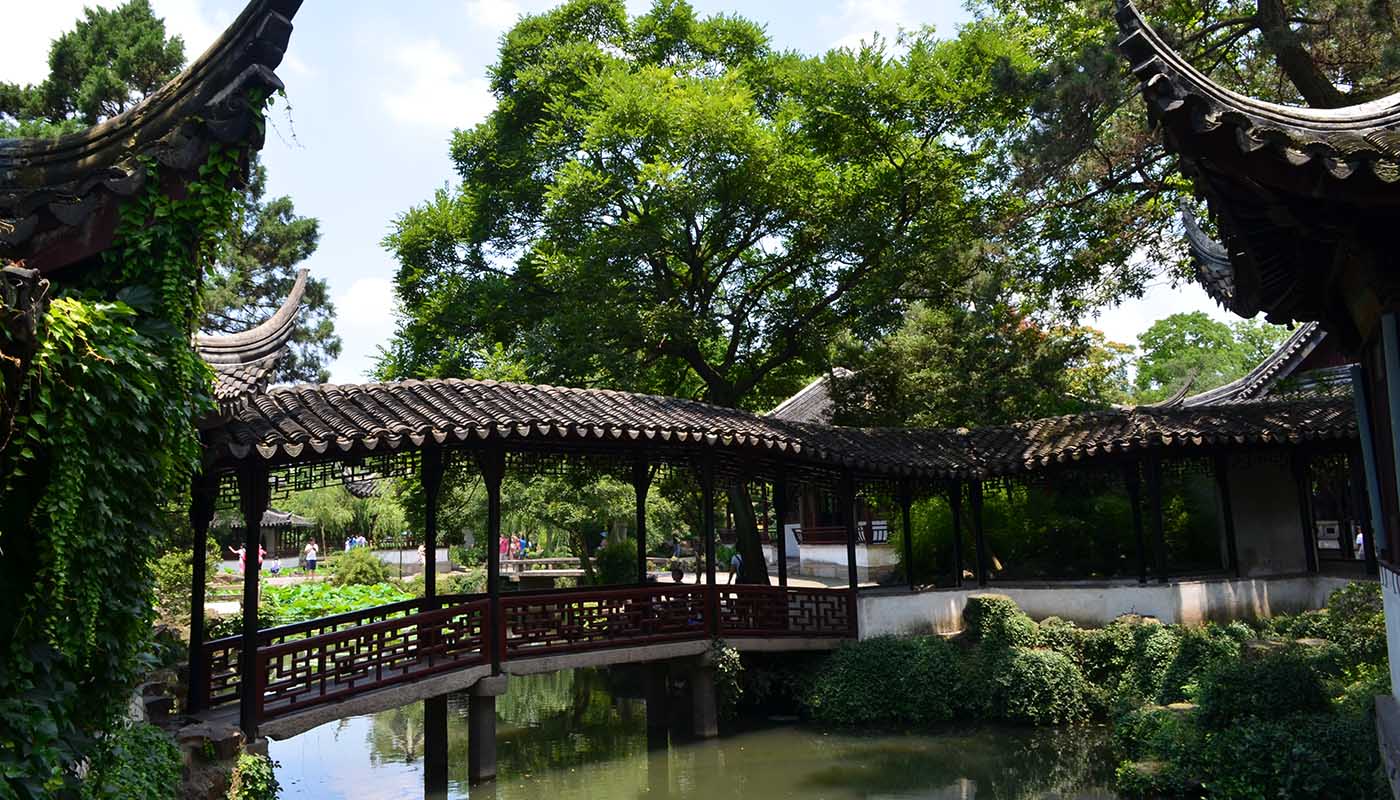
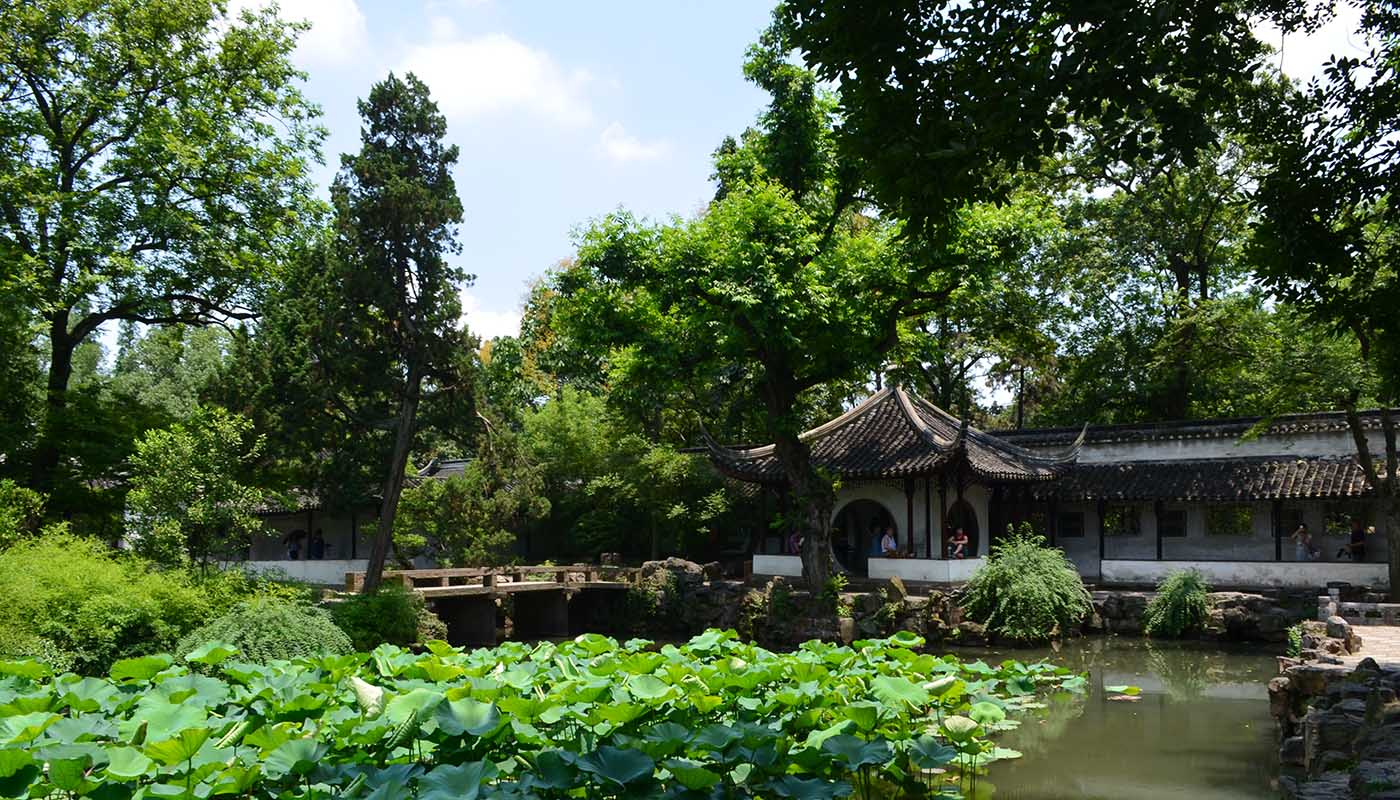
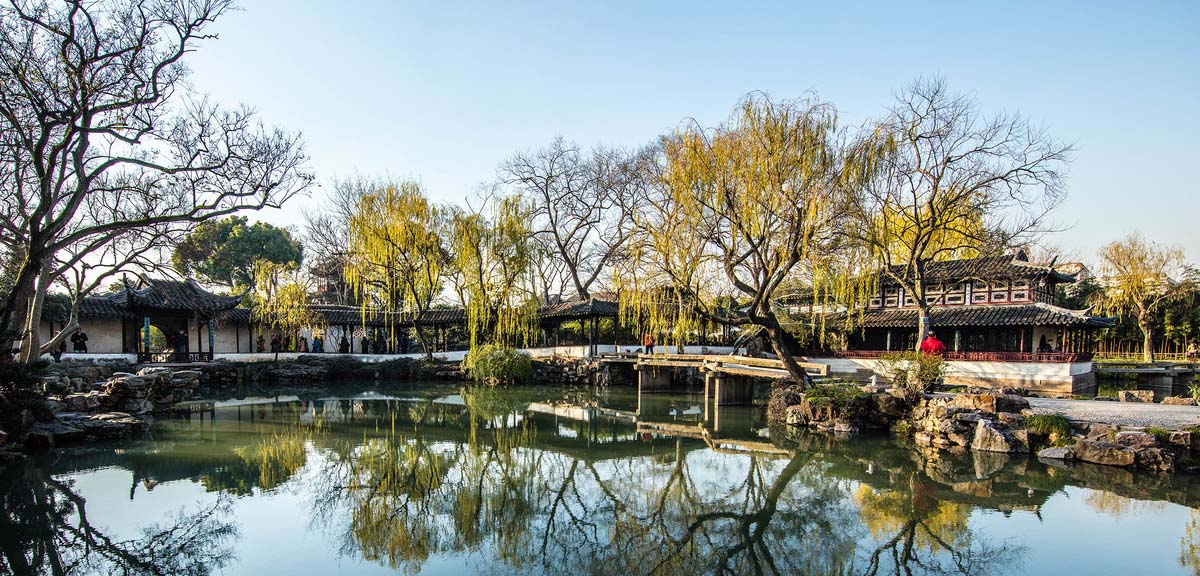
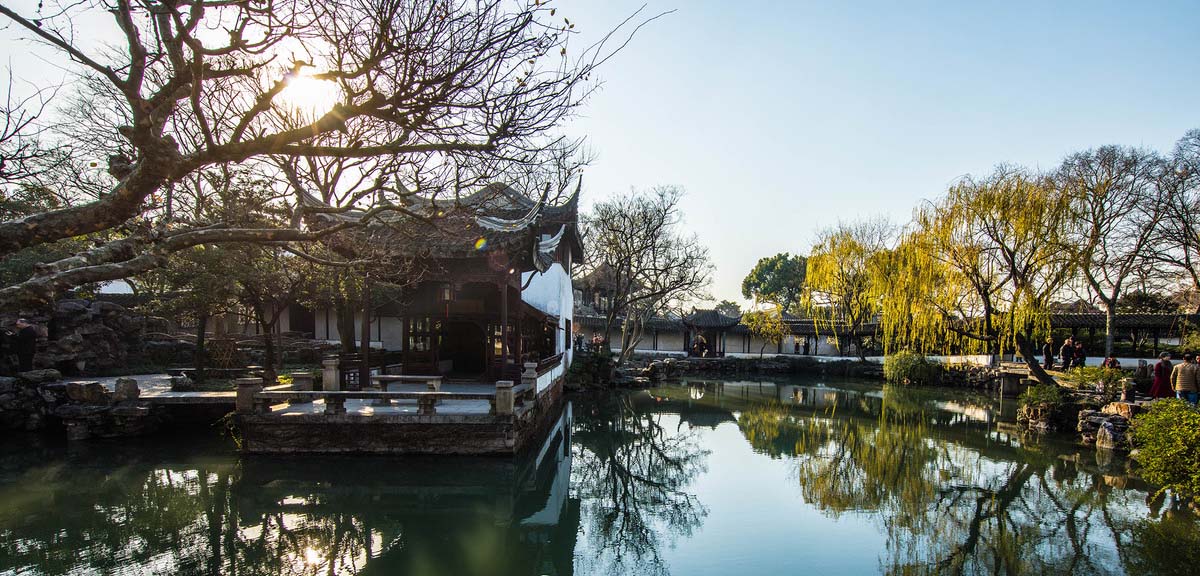
Humble administrator’s garden
Introduction
The Humble Administrator’s Garden is one of four other famous gardens in China like the Summer Palace in Beijing, the Mountain Resort of Chengde in Hebei Province and the Lingering Garden in Suzhou. It covers an area of 52,000 square meters making it the largest garden in Suzhou containing almost all the features of classical Suzhou gardens. The garden has also been listed as a World Cultural Heritage site and has been designated as one of the Cultural Relics of National Importance under the Protection of the State as well as a Special Tourist Attraction of China.
The Humble Administrator's Garden was initially built in 1509 during the Ming Dynasty (1368-1644) as a private garden of a former government servant, Wang Xianchen. The residence was built from what used to be a Taoist Temple with old relics. Wang chose to go build the garden and practice farming and especially gardening because his career was very frustrating and draining. He was a simple and humble man hence the name of the garden.
The garden featured representative Ming Dynasty work including man-made pavilions, parlors, halls and a natural water background with rock formations, hills and small trees.
Things to see and do on a visit
Eastern Section
The main building on the eastern side is the Orchid and Snow Hall (Lanxue Tang) from where visitors can get a panoramic view of the entire garden from the south wall. This section is covered by dense bamboo trees, sheer hills, green grasses and winding streams. In addition, there is a Lotus Pavilion built above the water half of which is built on a terrace. From the pavilion, visitors can admire lotuses when they bloom in summer. The Heavenly Spring Pavilion is also impressive structure and gets its name from an ancient well whose water tastes very sweet.
Central Section
The Central Section of the garden is the highlight of the attraction with one-third of its area covered by water. It is lined with pavilions and exuberant trees and courtyards are dotted throughout. During summer, the pool is filled with lotuses which send a sweet fragrance into the building. Near the lotus pool is the Hall of Distant Fragrance which has oversized glass windows on all of its sides for visitors to enjoy the view of the area. Close to it is a Small Flying Rainbow Bridge (Xiaofeihong) which is unique and the only one in the garden that can be crossed.
Western Section
On the Western Section is an ornate hall that is divided into two by a massive screen creating the 18 Camellias Hall (Shiba Mantuoluohua Guan) on the southern part is and 36 Pairs of Mandarin Duck's Hall (Saliu Yuanyang Guan) on the northern part. Nearby there is an octagonal Pagoda Reflection Pavilion (Taying Ting) which reflects its own structure on the pool of water with ducks appearing as though it is being lifted up in an optical illusion. The Azalea Festival and the Lotus Festival are held in this hall. There are also bonsai shows in the Bonsai Garden (Penjing Yuan) located in this section and precious Chinese stones are displayed in the Elegant Stone House (Yashi Zhai) in the Central Section.
Tongli Water Town
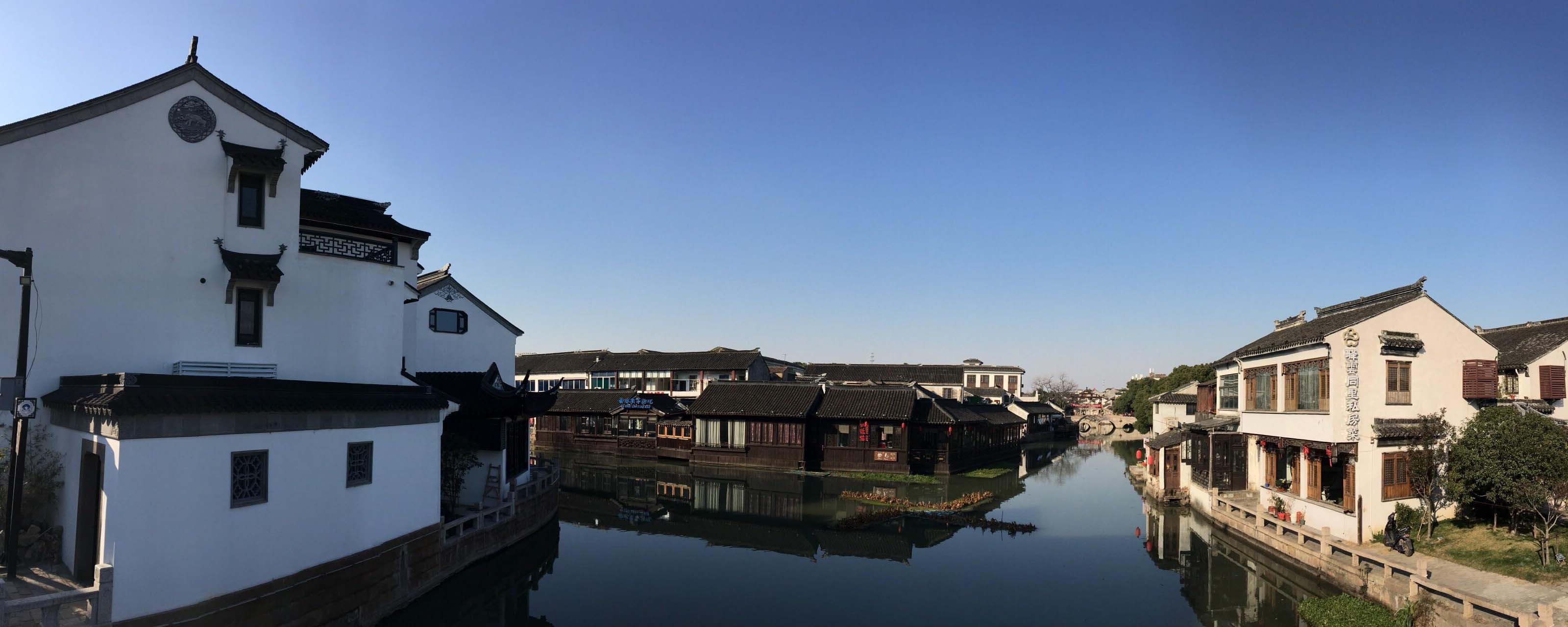
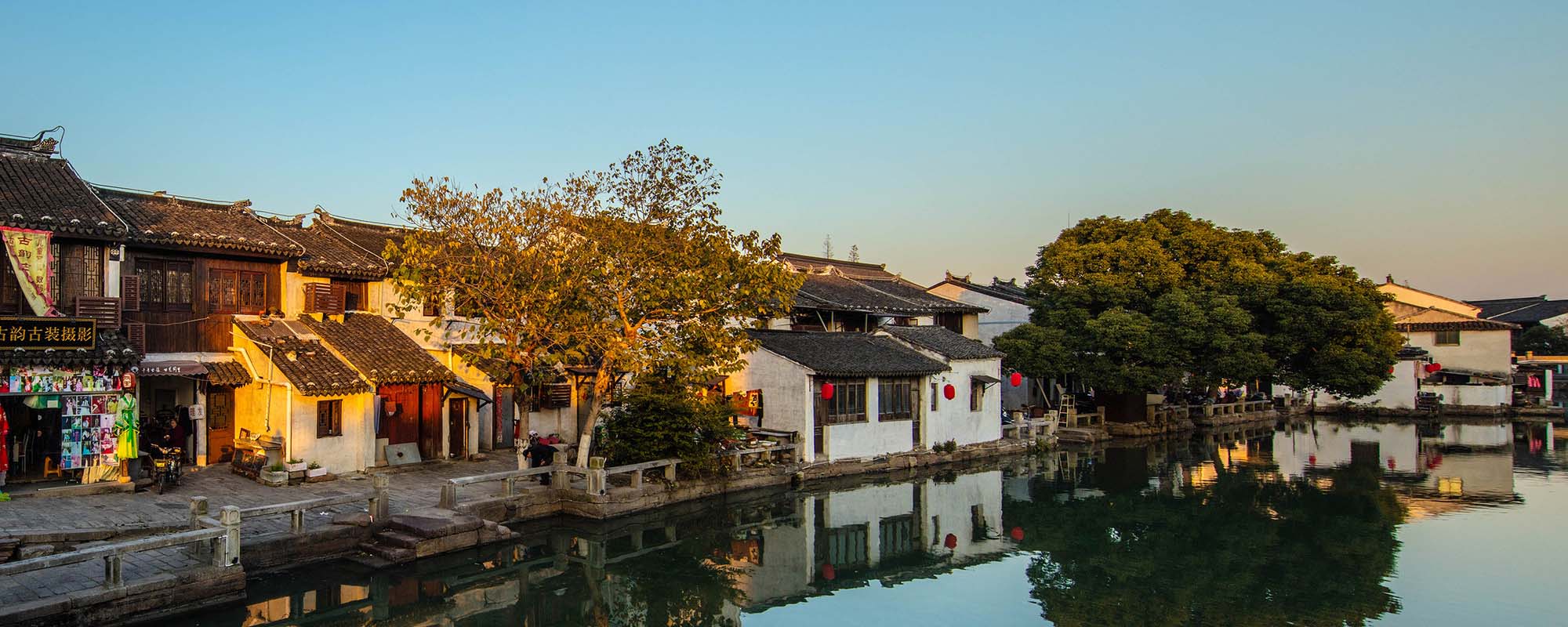
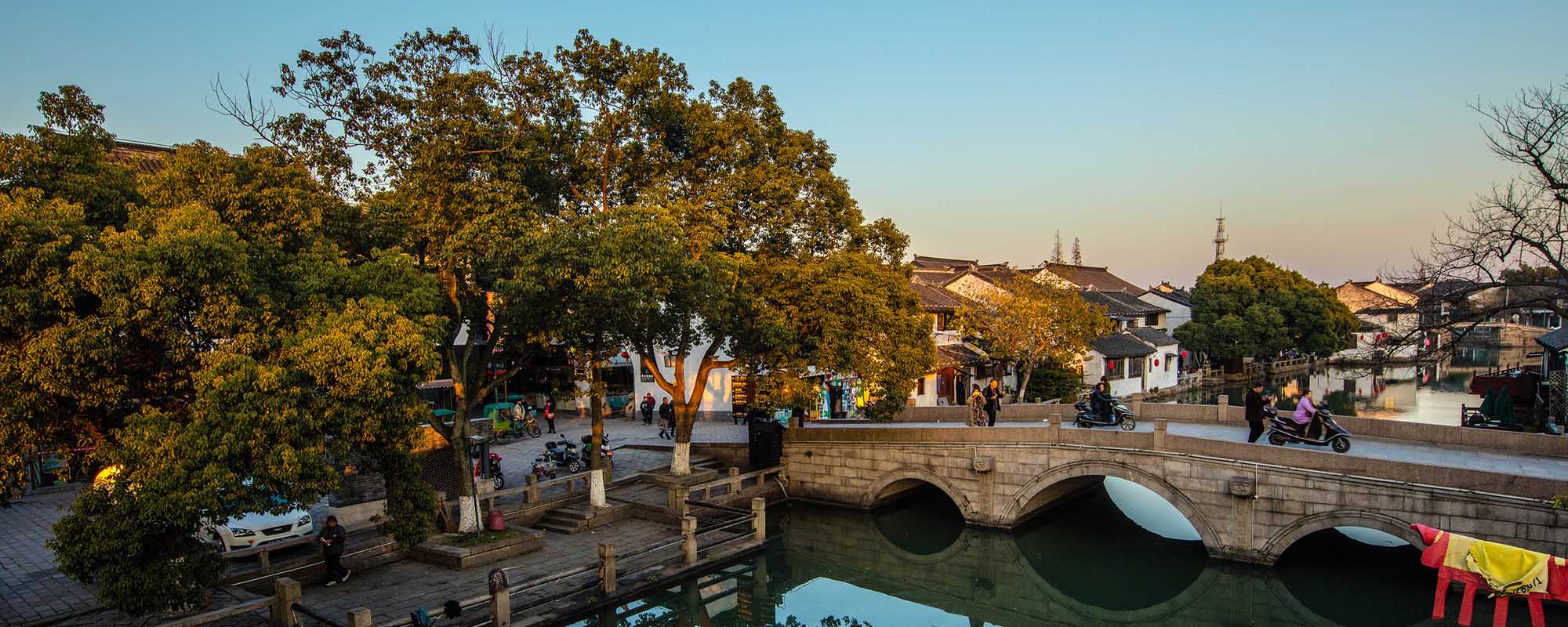
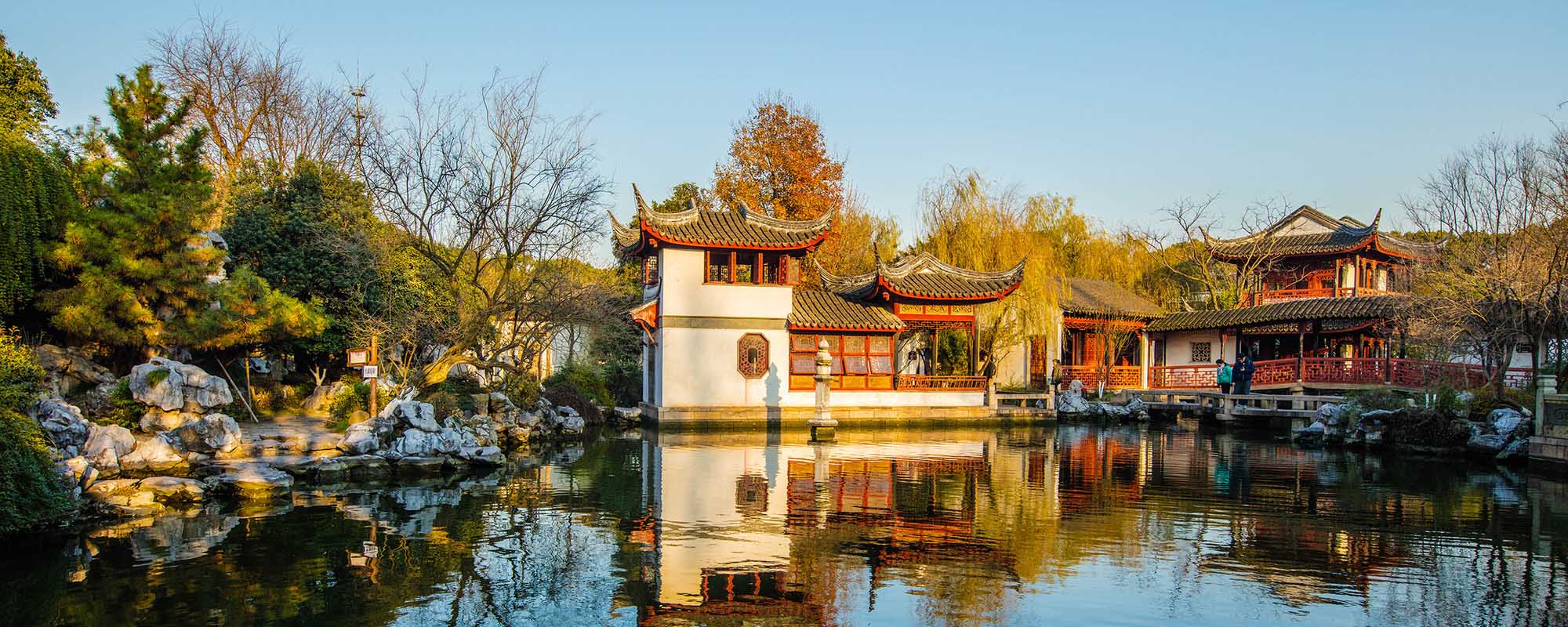
Tongli Water Town
Introduction
Built during the Song Dynasty (960–1279), Tongli Water Town is located 18 kilometers from Suzhou and is the most preserved ancient water town in Jiangsu province maintaining affluent history as well as culture. The water town was rather inaccessible saving it from attacks and war damage meaning that most of its ancient structures are really well preserved. For instance, its scenic stone bridges, private gardens, temples, and houses are all still standing and were built hundreds of years ago during Ming and Qing dynasties.
Also best referred as the Venice of the east packed with culture, beautiful sprawling architecture and plenty of novelty, its streets echo stories and legends from back in the days with ancient bridges and house complexes. The town has a total of 38 gardens, 55 ancient bridges, 47 temples and hundreds of residences still retaining their traditional styles from the Ming and Qing Dynasties surrounded by 5 lakes from outside and divided by 15 rivers.
Major attractions and activities to do on a visit
Tuisi Garden/ Retreat and reflection garden
The most famous location in the town is Tuisi Garden built between 1885 and 1887 by Ren Lansheng and designed by Yuan Long. The garden is complete with ancient architecture including small wooden buildings with typical Chinese roofing styles and a perfectly reflecting pond. Almost half of the garden is covered by water and all the buildings are situated close to the surface of the water. The atmosphere in the garden makes visitors get the feeling of an ancient charm from the historic wood building and delight of rockeries, pavilions, halls, pools, old trees, lovely flowers, adorable fishes and terraces.
The three Bridges
The three Bridges here are the Taiping Bridge, Changqing Bridge and Jili Bridge which are a must-see while on a visit to Tongli water town. They were built in 1470 and were later rebuilt in 1704 each with its own unique features and meanings. Their shape forms the character “品” in Chinese which is a treasured place in the water town. On a visit here visiting can experience the tradition of crossing the three stone arc bridges important during weddings and special traditional ceremonies which signify luck and happiness to the locals.
As a local custom, locals walk across the three bridges during happy events like during weddings. Locals also believe that walking across Taiping Bridge symbolizes good health throughout the year. For people who wish to benefit from prosperous business ventures, crossing Jili Bridge is considered a good start. Visitors who want an and evergreen life walk across Changqing Bridge.
Visitors can also float through the canals as they enjoy a relaxing, breathtaking and unforgettable gondola ride and also see locals participating in an ancient fish-catching cormorant method.
Fuguan Bridge
Fuguan Bridge has a vivid stone carving known as the Fish Fossil in the Peach Blossom Wave. It is believed that it came to exist when a fish swam against the waves along a peach covered riverbank aiming to become an immortal dragon by jumping over the Dragon Gate. However, it saw a beautiful girl on the bridge as it was mid-air resulting to its head changing into a dragon head but the rest of its body remained as it was.
Pu'an Bridge
Pu’an bridge is also known as the Little East Stream Bridge. It was constructed during the Ming Dynasty in the first year of 1506 during the time of Emperor Zhengde. It is the most representative bridge that reflects the local's diligence and eagerness to acquire knowledge.
Siben Bridge
Siben Bridge was constructed during the Southern Song Dynasty between 1127 and 1279. It is the oldest bridge in Tongli water town and still remains standing after being exposed to rain and wind for over 700 years.
Jiayin Hall
Jiayin hall was built in the first year of the Republic of China between1911 and 1949. It is famous for its articulate carvings of ancient Chinese classics. Jiayin hall has a gauze cap like beam decorations. Jiayin Hall has four courtyards with carved beams and painted rafters, which originally cost about 20,000 taels of silver. The skill put in to bring out the profound cultural connotations that the carvings highlight leave a great impression to every visitor that sets foot in this location.
Congben Hall
Chongben Hall is located to the north of Changqing Bridge on Fuguan Street. It is side lined by stone-paved riverbanks and faces Jiayin Hall across the river in the east connecting Changqing Bridge in the west. The hall has exquisite sculptures and is considered to be a masterpiece of delicately carved handicraft belonging to the museum.
Gengle Hall
Built during the Ming Dynasty, the hall has seen the rise and fall of several dynasties and has been classified as one of the eight most famous attractions in Tongli. The hall has several interesting spots like the flower tree, figures, the eagle and the lion not forgetting the very clear pool with red fishes and exquisite winding stone bridges.
Pearl tower
The famous Tower opens up to ancient houses and a wide water garden where you can go back in time where the heartfelt drama and love story between Chen and Fang Qing took place at the Pearl Tower and feel the beauty of the power of love above poverty.
Ancient streets
There are a total of eight major streets in Tongli Ancient Town: Fuguan Street, Zhuxing Street, Yuxing Street, Nanxing Street, Xinzhen Street, Shangyuan Street, Sanyuan Street and Dongxi Street. All these streets are special in their own unique way. The streets in this water town bear an antique flavor. For instance, Mingqing street measuring 160 meters long still maintains its initial look from the Ming and Qing dynasties. The street is stone-paved and lined with stores on both sides such as snack stores, specialty stores and handicraft stores.
Meeting Immortals
Every year on April 14th is Tongli's Meeting of the Immortals day where locals row on the boats taking short boat rides and stilt walk.
Cruise
Cruising in the numerous rivers and bridges of the water town is the most essential activity for most visitors. This way visitors can appreciate the towns antique beauty and the ancient architecture clusters from the Ming and Qing dynasties.
There is also a night cruise available every Friday, Saturday, and Sunday night where visitors can enjoy the beauty of traditional stringed and woodwind music on the south of Yangtze River.
Shanghai Museum
Shanghai Museum
Introduction
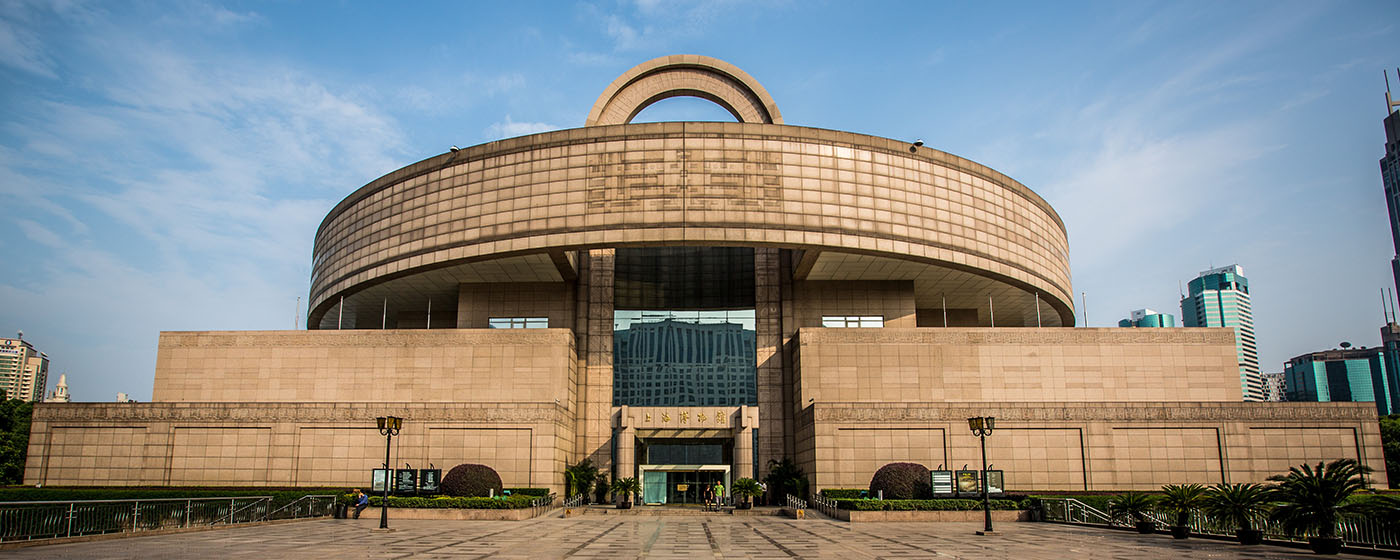
The Shanghai Museum is located in Huangpu District at the People's Square right at the center of Shanghai. It is a large museum of ancient Chinese art, wisdom and philosophy. Its exterior design takes the shape of a round dome representing heaven and a square base that symbolizes a squared land.
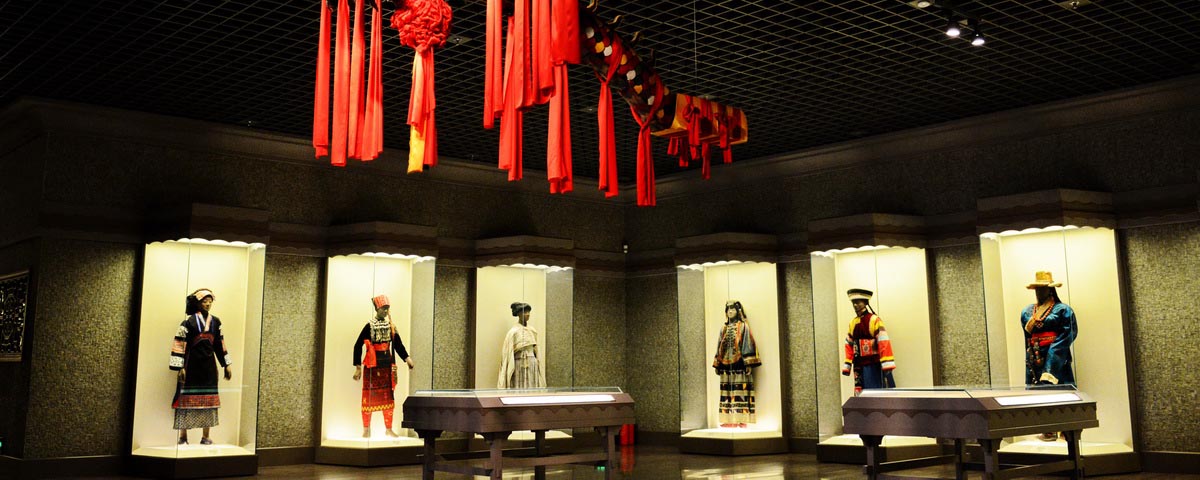
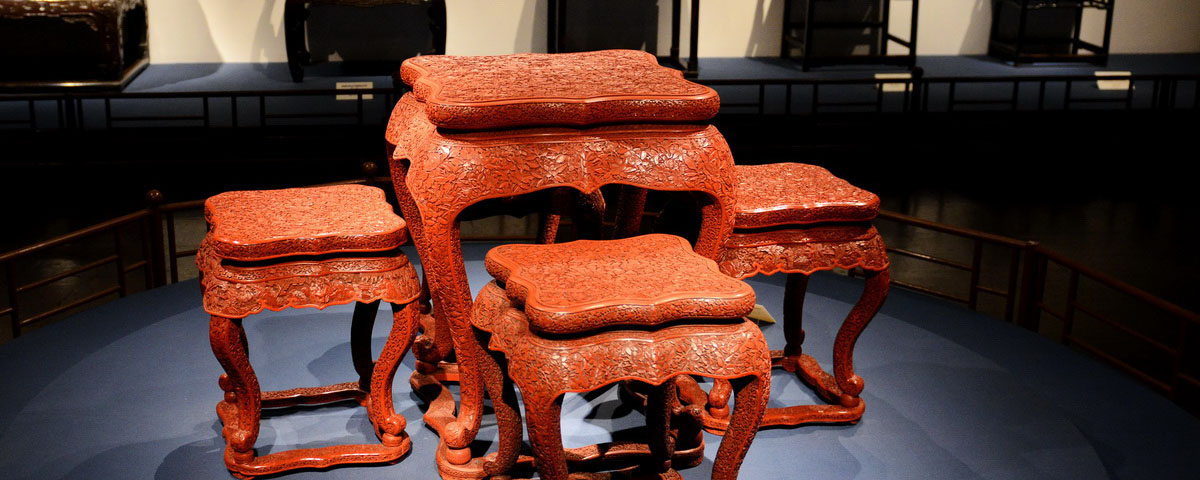
The museum is divided into eleven galleries and three exhibition halls. The eleven galleries display Ancient Sculpture, Calligraphy, Ancient Bronze, Ancient Ceramics, Ancient Jade, Paintings, Ming and Qing Furniture, Coins, Seals and Minority Nationalities.
Things to see and do on a visit
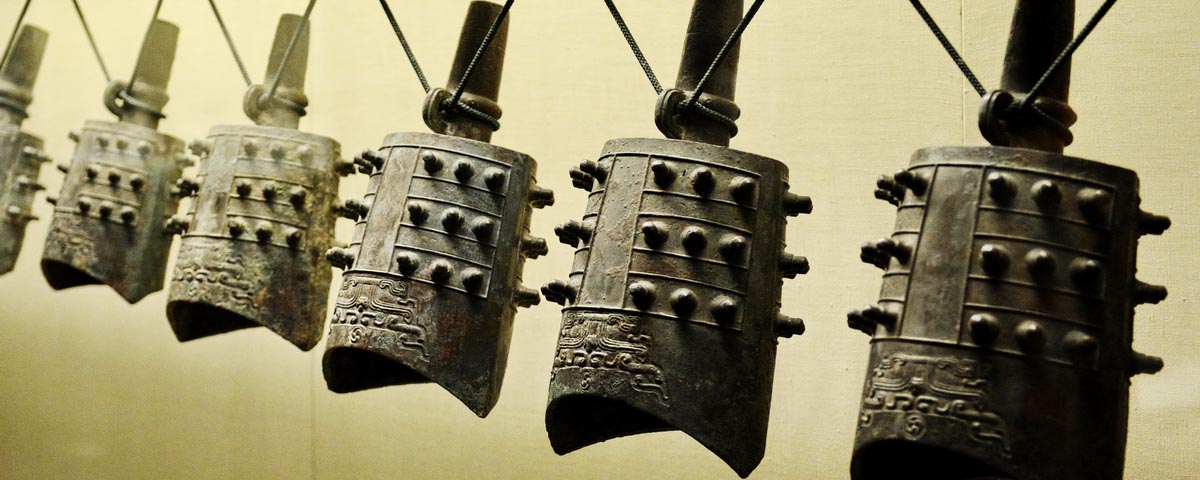
Bronze
The bronze ware of the Zhou and Shang dynasties contribute to the learning of ancient civilization with over 400 pieces of exquisite bronze wares. Tourists can learn and see the rich culture of bronze. Visitors can see Da Ke Ding (food vessel) originally from Shaanxi province measuring 93.1cm high and weighing 201.5kg with 3 hoof feet. It is a symbol of power and social level whose surface bears inscriptions of 290 characters giving the vessel essential respectable status being one of the only two biggest round bronze Dings with inscriptions in China. In addition to this, there are smooth and excellent carvings of beast faces and curly lines. Da Ke Ding is used for the study of the economy and history of the West Zhou dynasty.
There is an Ox-shaped Zun (Wine Vessel) is a unique and rare vessel for heating liquor because of its descriptive shape of an imposing and strong ox. It was made during the late Autumn and Spring periods between 699 BC and 476 BC. The vessel combines heating and filling liquor and is the only one found in the Shanghai Museum.
In the museum, there are also bronze relics such as a vessel for measuring volume known as Fangsheng of Shangyang displaying the advancement of ancient Chinese in mathematics and instrument manufacture. There is an old water container called Pan of Zi Zhong Jiang with sculptures of birds, fishes, turtles and frogs.
Ceramics
Another treasure in the museum is the ancient ceramics collection. Visitors can appreciate over 500 pieces of ceramics like the grey pottery from the Neolithic Age. Celadon or tri-colored glazed potteries of the Shang, Zhou and Warring states of the Han and Tang Dynasty. Blue, white and black glazed painted porcelain from the Song, Jin and Liao, and the brilliant works from Jingdezhen, Jiangxi which was the center of the industry during the Yuan, Ming and Qing dynasties. The beauty of fire and clay on the displays in addition to uniquely shaped works such as the Celadon Li shaped Censer and a masterpiece from Longquan kiln that represents high skill sets of celadon from ancient China. The Celadon Begonia in the shape of a Bowl from Yue kiln in Tang dynasty looks like a full blooming begonia flower. An olive vase with a peach pattern, known as a Peerless Treasurable Vase, has fresh pink peaches growing on vigorous light green branches with perfectly ordered blossoms in color yellow and rose. The Figure Playing Lute created from Sichuan displays a relaxed and satisfied player who is enchanted by the sound of music.
Paintings
The museum is home to over 120 pieces of outstanding works of Chinese paintings from renowned artists from the Tang dynasty to modern times. Visitors can see authentic work such as Mr. Sun’s silk painting work from the Tang dynasty displaying multiple techniques and undivided efforts. There are also fancy paintings and vivid pieces all over the museum to amuse visitors.
Calligraphy
Shanghai Museum has a unique collection of works of calligraphy from thousands of years ago to the Qing dynasty to allow visitors with the opportunity to appreciate the brilliant writing of all styles. For instance, Ya Tou Wan Tie, Letter from 317 AD to 420 AD is one of the most important pieces housed in the museum displaying both talent, the use of art in a graceful charm and conveys a message in the most informal way. Pieces of Zhu Zhishan can also be seen and they express his wild personality amongst many other pieces from other renowned individuals.
Jade
In the Shanghai Museum, visitors can see beautiful jade wares with delicate carvings and learn more about its decorative and symbolic meaning in addition to its fortune and many other magical significance of the rock in ancient China. Visitors can also see pieces such as Cong with the Anthropomorphic Mask, the Hindustan Octagonal Case, the Funerary Face, Gu with Three Chi-dragons Design and the flying bird design. Another renowned piece is the 4,200-year-old Jade Divine figure standing at 10.3 centimeters high as the only one of its kind in the world testifying the best quality of jade glittering through the translucent material.
Sculpture
The Gallery of Chinese Ancient Sculpture focuses mainly on Buddhist sculptures in the key colors of black, red and gold. The Head of Kashyapa showcases a simple yet unadorned inner beauty with a broad forehead, fine brows, kind sight and warm smile. The kneeling Bodhisattva stone sculpture is also worth a visit and the Thousand Buddha Stele with countless carvings of Buddha.
Seal
At the museum, the importance of seals in history from the Western Zhou to the end of the Qing Dynasty is displayed. There are more than 500 seals of different materials. For instance, the Seal with Inscription Jin Gui Yi Di Wang is a rare masterpiece made of gold and is more than 1,650 years old. Furthermore, there is the seal with Inscription Wu Yi that is a seal character transformed from the images of fish and birds amongst many other seal to enable visitors to learn more about their history and origin.
Other Exhibits
Shanghai Museum also has a huge collection of other valuable treasures. There is a collection of over 7,000 pieces of currency showing its origin and development over time from the time Bronze was being used till the Modern era.
There is also a gallery showing a refined garden like a residence during the Ming and Qing dynasties. Visitors can see the elegant and fine ancient designs from back in the days to the development of modern designs.
In addition, there is a colorful display for the minority nationalities ranging from metal wares, clothes, pottery, bamboo wares, sculptures and lacquer.
Former French Concession
Former French Concession (FFC)
Introduction
The Former French Concession is a former concession of France which lasted between 1849 and 1943. It occupies an area of around 8 kilometers stretching west of the Bund. It is to the east of Huashan Road, to the south of Yan’an Road, to the west of Huangpu River and to the north of Zhaojiabang Road Xujiahui Road.
The French consulate office was allowed to recreate 66 hectares into their liking to improve Franco Chinese relations and expand the consulate’s land. In addition to French government officials, other wealthy civilians from Britain, Russia and the USA also lived in this elegant location creating it into what it is today. The Former French Concession history dates back to 1849 when it developed to be the greatest and most prosperous French Concession in China. In the 1920s it was the most prosperous area in Shanghai and in 1943 the government took it over and shut the French concession that had been in power for close to 100 years.
Things to see and do on a visit
Residential area
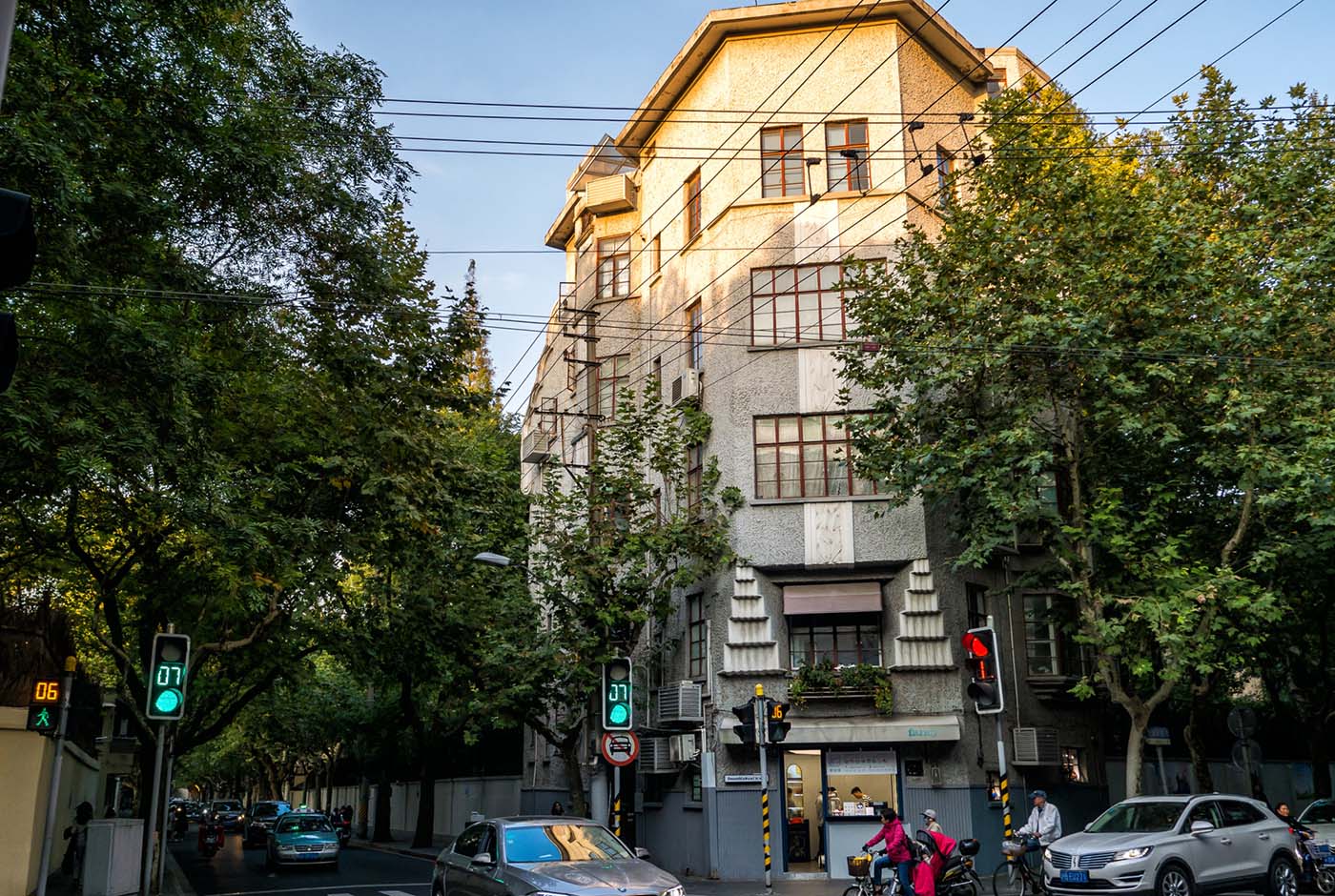
A visit to the neighborhood clearly brings out a perfect juxtaposition from other Shanghai neighborhoods with its unique architecture and tree-lined streets. At Sinan Road, there are at least twenty garden houses on opposite sides representing almost all the residential buildings that were in Shanghai since the early 20th century. The FFC is a great residential area amongst foreigners and expats. Visitors can see residences of Soong Ching Ling: the Honorary President of the People’s Republic of China, Sun Yat Sen and Zhou Enlai.
Strolling, shopping and eating
FFC is the best place to take long walks along tree-lined streets, perfect boulevards, narrow alleyways protected by wrought iron gates featuring cafes, restaurants, breweries, boutiques, antique stores and galleries giving visitors a feeling of the spirit of walking in the foreign land of Europe. Walking along streets such as Wukang Lu, Wulumuqi Lu, Fuxing Lu, Dongping Lu, Changle Lu, Julu Lu, Taojiang Lu, Yongfu Lu, Xinle Lu and Tai'an Lu guarantee a good time whether you are looking to shop for international products such as European cheese, jams, all kinds of oils, wine, exotic herbs, local fresh produce and local merchandise. There are also art stores, galleries, exhibitions and artistically decorated buildings. Middle Huaihai Road is one of the busiest streets keeping up with the latest trends and is home to numerous top-rated restaurants. Visitors who wish to relax over a meal or drink can find both indoor and outdoor establishments serving both local and international cuisine.
Fuxing Park
At Fuxing park, visitors can see how dominant the European influence is. The park is full of life with people showcasing the art of water calligraphy, elderly couples dancing away to classical hits as others practice tai chi
Moller Villa
This Moller Villa is situated at the corner of South Shaanxi Road on Yan'an Middle Road. It is a Nordic style garden villa that was constructed by an Englishman named Moller who lived in Shanghai. Moller wanted to fulfill his daughter’s dream by building this villa. It has a small gate, colorful walls and tiles, Chinese glazed tiles, gothic spires and buddha statues. Visitors feel like they are walking in a fairy tale somewhere in northern Europe when they visit this place. Its interior was inspired by a luxurious cruise ship and its floors were paved with fine wooden strips to form the pattern of seaweed and kelp.
Nanjing Road
Nanjing Road
Introduction
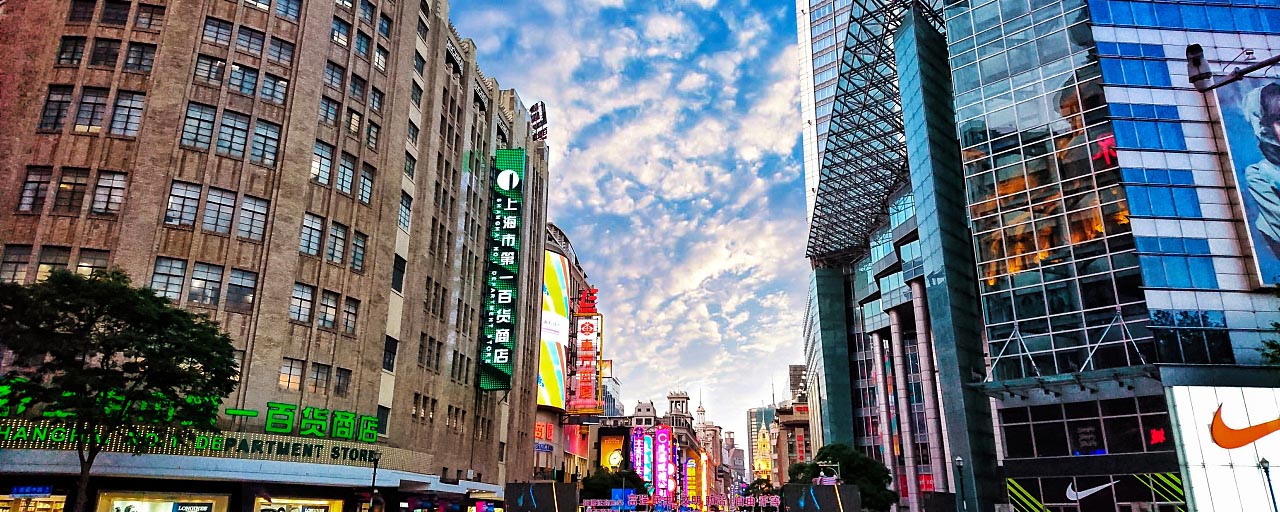
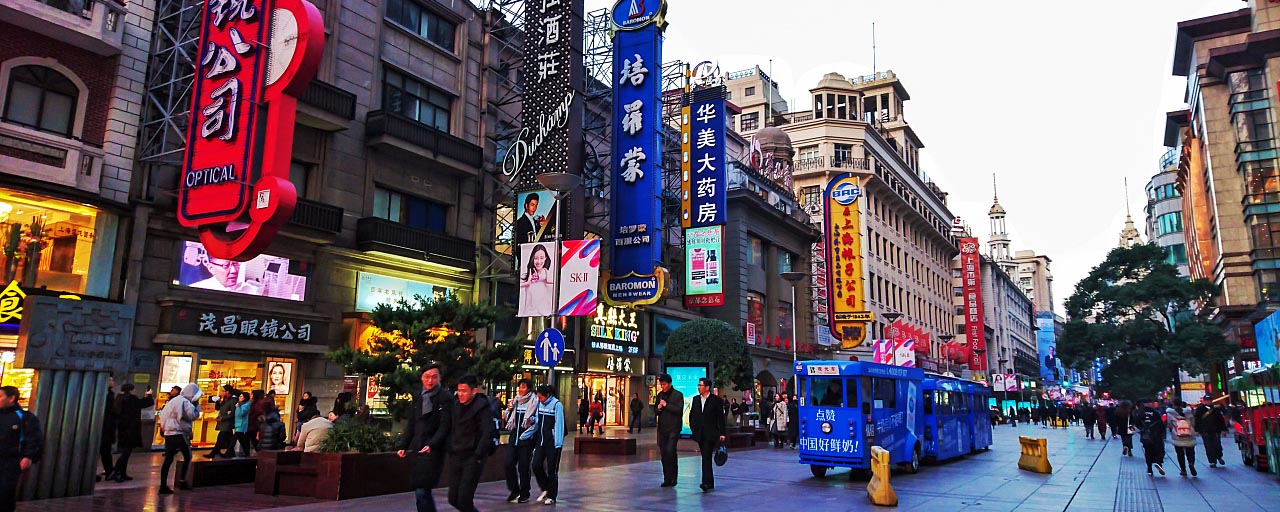
Nanjing Road is the premier shopping street in China starting from the Bund in the east and ending in the west at the junction of west Yan'an Street covering and area of 5.5 km. Over the years it has been reconstructed to undergo significant changes where ancient stores still remain standing although they are no longer dominant because the market is now dominated by over 600 businesses including ultra-modern shopping malls, theaters, cafes, restaurants, specialty stores and world-class hotels. The pedestrian section of Nanjing East Road is the popular section receiving thousands of visitors every single day while Nanjing West Road right after the Peoples Square Metro Station is also a renowned section.
Things to do and see on a visit
Shopping
Visitors can satisfy their shopping appetite at both traditional department stores and the latest fashion stores. Currently there are at least 600 running businesses in the area offering latest fashion designs and quality merchandise. There are upscale stores like Mont Blanc, Dunhill, Tiffany and Omega. On local stores, visitors can shop for jade, silk products, wool and embroidery.
Amongst the historical shops along on east Nanjing Road are Duo Yun Xuan selling paintings and Chinese calligraphy, Guanlong Photographic Equipment Company selling photography equipment, Shanghai Laojiefu Department selling different fabrics, silk products and fashionable cloths, Lao Feng Xiang Jewellers selling souvenirs, gifts and jewellery and Heng Da Li Clocks and Watches Company selling high end clocks and watches and Cai Tong De Pharmacy selling Chinese Traditional Medicine.
On West Nanjing Road there is the Shanghai New World Company with shopping malls, dining areas, entertainment centers and also houses Madame Tussauds Wax Museum, HKRI Taikoo Hui with many restaurants and over 250 brands, Jiuguang Department Store with shopping areas, entertainment areas, dining areas, CITIC Square with dining and fashion areas, Starbucks Reserve Roaster which the largest Starbucks store in the world with coffee bars, tea bars, pastry and roaster, Plaza 66 with high end stores like Fendi, Chanel, Hugo boss, Hawkes, Celine, Louis Vuitton and Bvlgari, Shanghai Center with luxury stores like Gucci, Paul & Shark and Salvatore Ferragamo and TAG Heuer for the Swiss watch brand.
The modern malls such as Shanghai Landmark sell accessories and homewares, Shanghai Sports Goods General Shop selling all sorts of sporting equipment, Hualian Commercial Building also selling fashion accessories and Shanghai no.1 Department Store.
Food
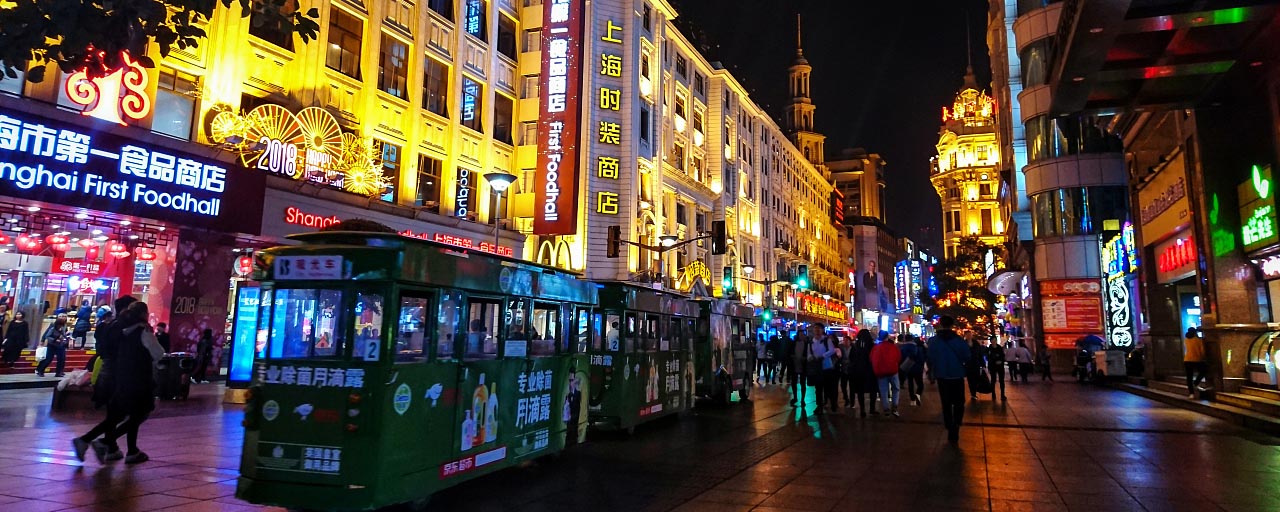
At Nanjing Road visitors can taste the most authentic and tasty Shanghai snacks from time horned brands. There are food stalls such as Shanghai First Food Hall with different local snacks and traditional cakes, Shen Da Cheng serving moon cakes with meat fillings, Zhen Lao Da Fang serving smoked fish and moon cakes, Wangjiasha Pastry Shop serving all sorts of desserts, special snacks normally served on traditional Chinese festivals and wontons and Shao Wan Shen serving the best wine cured crabs and mud snails.
Riding the Dangdang sightseeing tram
Taking the tram creates a memorable experience for visitors to view Nanjing Road different sections. The tram operates from 8:30 to 10:00 pm daily and a single trip lasts for 10 minutes.
Night view
When darkness covers Nanjing Road, neon lights light up its fascinating skyline of the lively street with upscale buildings, street vendors, live bands, open-air restaurants and bars. The street is a beehive of activities at night with visitors strolling, relaxing, people watching and even shopping.
Bund
Bund
Introduction
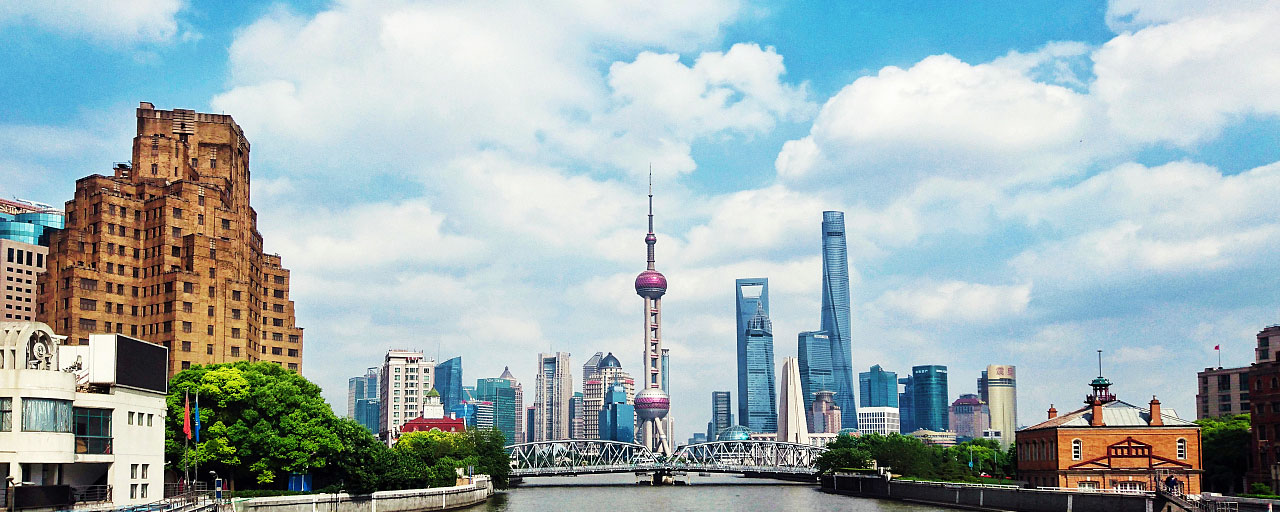
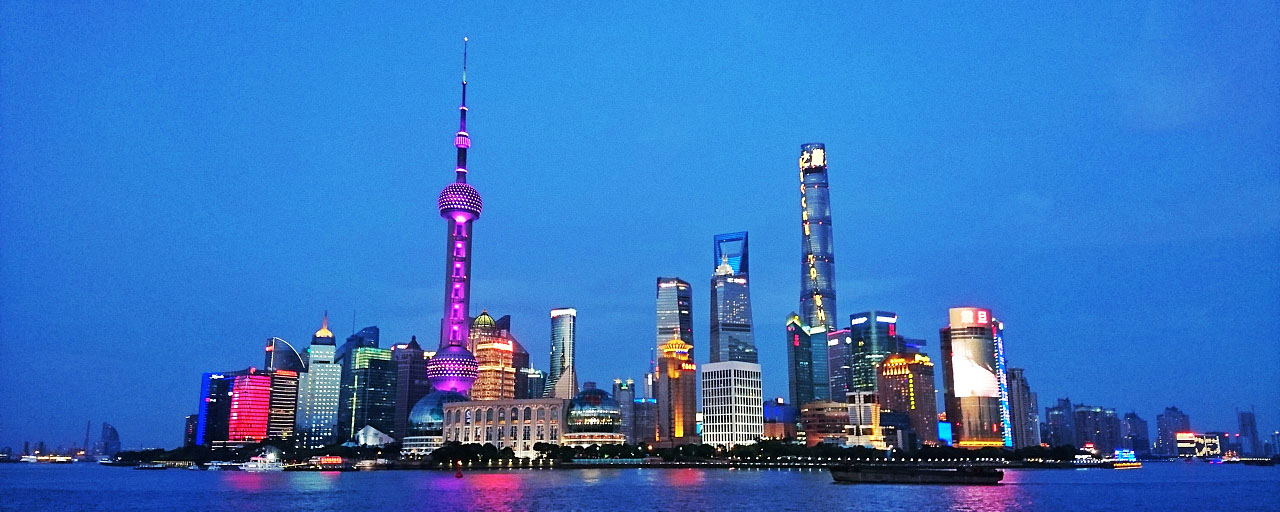
The Bund popularly known as Wai Tan is a renowned waterfront on the west bank of Huangpu River in Huangpu District, Shanghai. The waterfront stretches for 1500 meters from Waibaidu bridge to the east of Jinling Road and it faces the Oriental Pearl Tower. There are 52 different classical buildings bearing western, Baroque, Romanesque, Gothic and Chinese styles which make up the financial center of old Shanghai and the concentration zone of foreign trade agencies. The area is located on East Zhongshan number one road and is recognized as the pride and symbol of Shanghai.
The name Bund is of Anglo Indian origin and it means an embankment of a muddy waterfront. The area where the Bund stands now used to be a muddy towpath for boats from Huangpu River. In 1842 after the First Opium War Shanghai opened up and became an open port where Great Britons settled. In 1845 the British colonialists seized the Bund and set up the British concession. Afterward, many other foreign nations such as the United States of America, France, Russia, Italy, Belgium, Japan and Netherlands set up their distinct buildings raising the status of Shanghai to become Asia’s leading cosmopolitan and thriving financial and commercial center.
Things to do and see on a visit
The Bund Sightseeing Tunnel
This sightseeing Tunnel is a three to five minutes ride that goes through colorful lights in a distance of about 646.7 meters running between Puxi and the Oriental Pearl Tower in Pudong.
Sunset on Waibaidu Bridge
Waibaidu Bridge is the best place to have a view of the old Shanghai complex. When the sun sets this bridge is shrouded by golden rays and creates a romantic scene for love birds. Many film directors and producers choose this location for scenes and it has become very famous amongst locals and tourists alike.
Stroll at the waterfront avenue
Strolling along a mile-long stretch at the Huangpu waterfront from the north end to the south end gives visitors the perfect opportunity to see colonial-era architecture from western roots that are graceful and rich antiques. Visitors get to see arches from ancient Greece, Spanish balconies, pointed Gothic roofs and Baroque columns.
Cruise on the Huangpu River
A cruise on Huangpu River presents visitors with the chance to see historical architecture and soaring skyscrapers on the opposite side of the river. At night the buildings on the banks are illuminated and present a very enchanting view of Shanghai. The florid Bund night view from a Huangpu River cruise. Dazzling lights completely enlighten the area and exhibit the magnificence of the buildings on the banks and flashing light shadows reflect on the floating river water.
Most of the cruises last as long as thirty minutes to three and a half hours cruises. In addition there is a ferry ride across to Pudong where visitors can also experience the scenic views on both sides of the river.
Watch the Locals Doing Their Morning Exercises
At the Bund, locals can be seen taking their regular morning exercises. Some will be seen jogging, walking, practicing tai chi and flying kites.
Spend Some Time in Huangpu Park
At the northern end of the Bund is Huangpu Park. It is like a small oasis situated between the Bund and busy shopping areas. The manicured lawn and gardens particularly stand out as there is not much green space in this part of Shanghai. It is a wonderful place to have a rest and to take photos, day or night.
Where to Shoot Panoramic Views of the Bund?
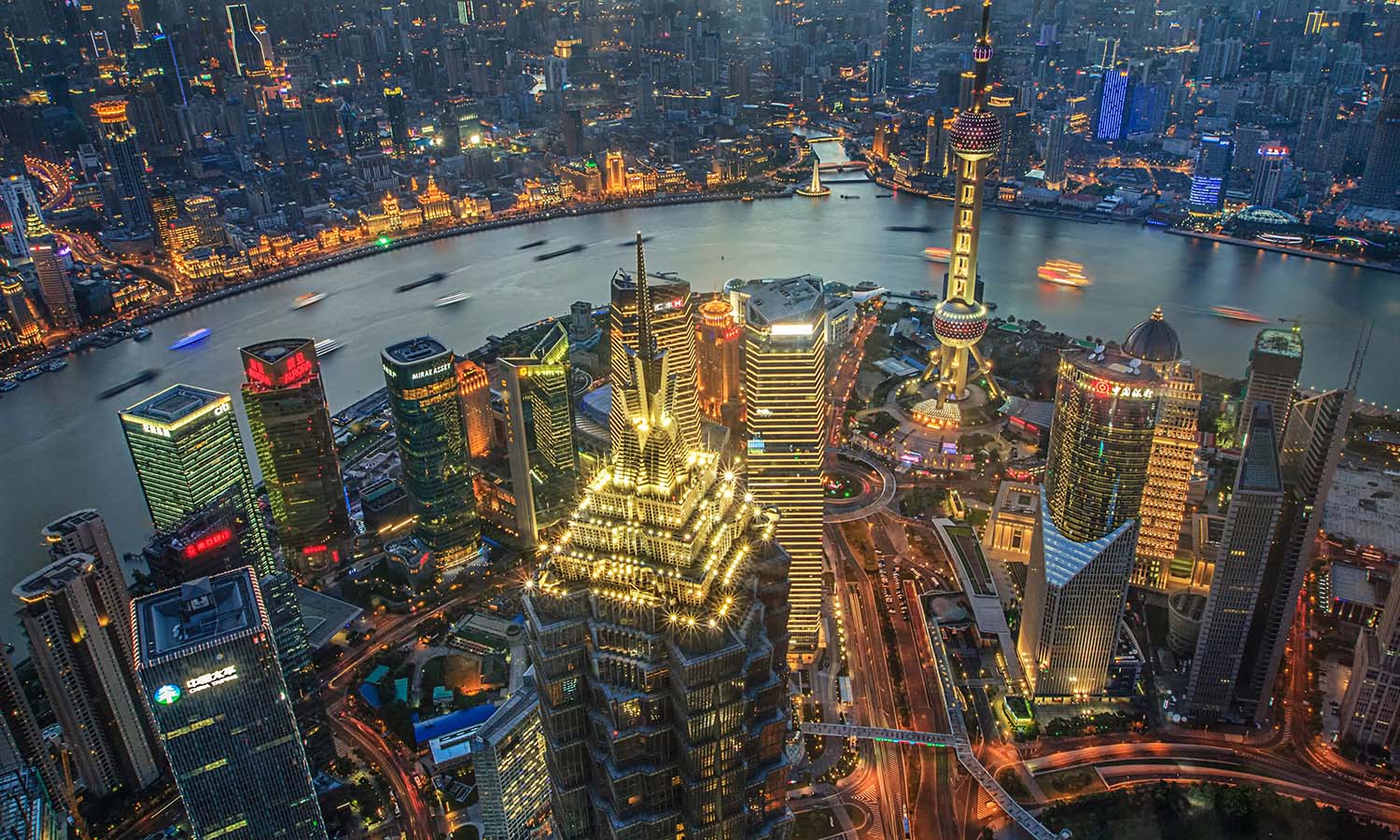
There are three ideal locations to see the full view of the Bund: Pudong Binjiang Avenue, on a Huangpu River Cruise, and one of the skyscrapers in Pudong like Shanghai World Financial Center, Oriental Pearl TV Tower, Jin Mao Tower and Shanghai Tower. If you want to take beautiful photos of the Bund, we advise you to hire a guide who can give you tips about when and where to go. A knowledgeable guide can arrange different places to take photos according to the weather.
Appreciate high rises across the Huangpu River
At the Bund, visitors can feel the charm of the exotic old Shanghai and also experience modern Shanghai across Huangpu River dominated by dense high rises in Pudong New Area on the opposite bank. There are buildings such as the Shanghai Tower, the World Financial Center, the Oriental Pearl Tower, Jin Mao Tower and the top four highest skyscrapers in the city. These skyscrapers dominate the skyline and create a perfect backdrop for photographers.
Jinmao Tower
Jinmao Tower
Introduction
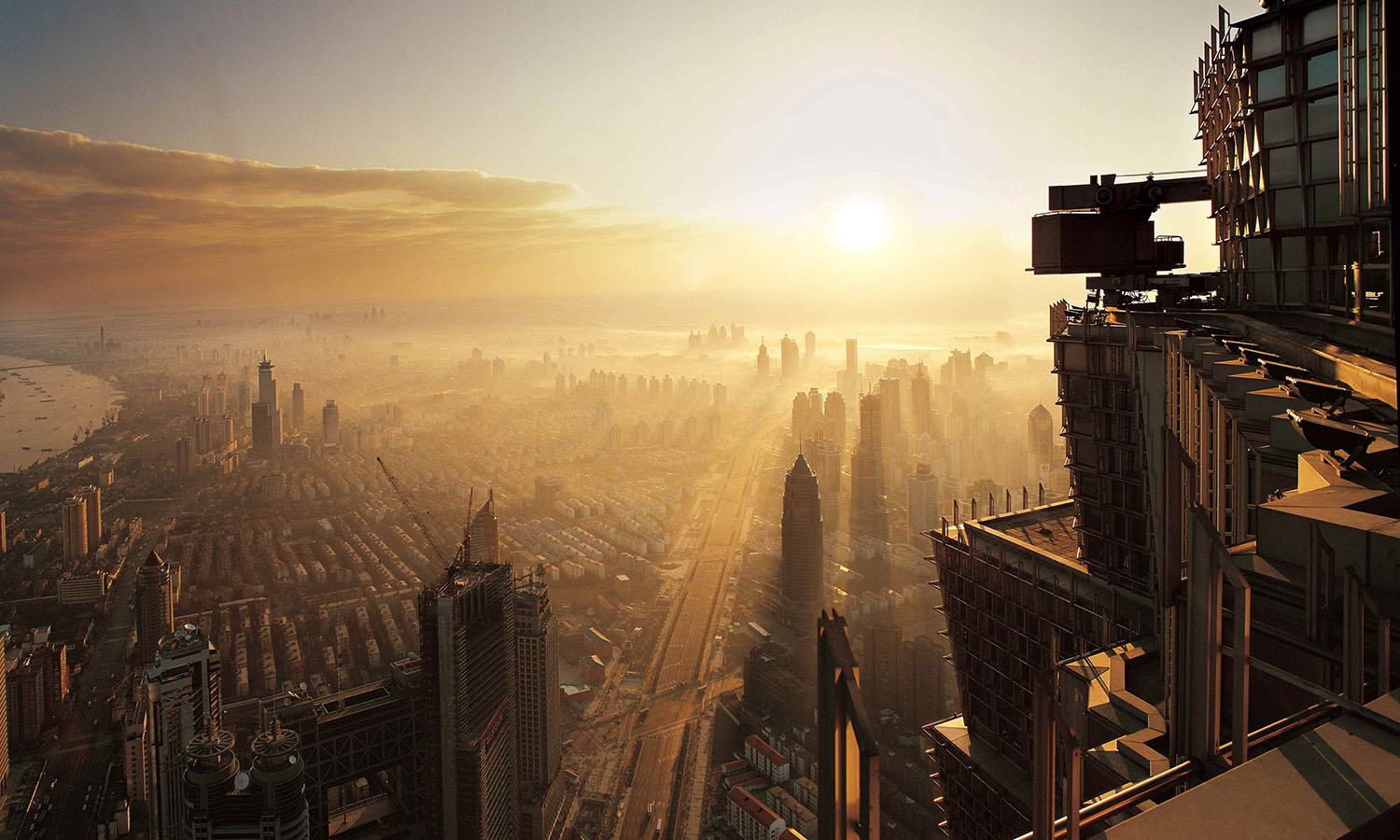
Located in the center of Lujiazui in Pudong New District, Jinmao Tower stands 1,380 feet high and has 88 floors covering an area of 2.3 hectares. It was designed by Skidmore, an American architectural firm and Owings & Merrill of Chicago. Its construction began in 1994 and was completed in 1999 by an architect by the name Adrian D. Smith. Ever since it was opened it uses a computerized energy management system to achieve high performance in addition to a broader enterprise asset management (EAM) system.
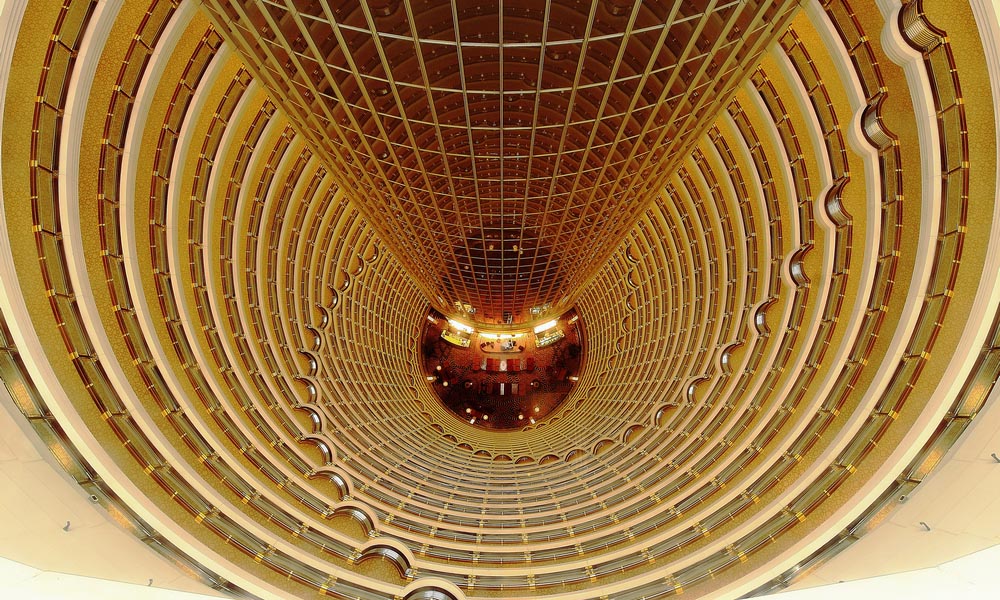
It now houses financial and trade businesses in addition to a five-star hotel. It has an annex building that occupies 6 floors occupied by multifunctional halls with banquet halls, conference halls, exhibition halls and a recreational area. In 2013 the building received a LEED-EB: OM (Existing Buildings: Operations and Management) Gold certification.
There are two super-fast elevators operating at 9.1 meters per second between the ground floor and the 88th floor which takes visitors only 45 seconds from the ground floor to the 88th floor. In addition to this, there are six other elevators in every 10 floors that help save waiting time up to 35 seconds even when its rush hour. The basement has parking that is 3 stories deep and can accommodate up to 800 vehicles and 2,000 bicycles.
Things to see and do on a visit
Jin Mao Tower Skywalk
Located on the 88th floor, this 60 meters long and 1.2 meters wide glass skywalk is a thrill and a great observation area for comprehensive and sweeping views of Huangpu River and its bank. The skywalk has a capacity of 1000 people who wear safety helmets and ropes for safety purposes.
The general building
The 1st and 2nd floors are occupied by a lobby. The lower floors of the building from the 3rd up to the 50th floor are office spaces but above it is a deluxe 5-star hotel that is the Grand Hyatt hotel occupying 35 floors. After that, there is a six-story structure called the Podium Building that is occupied by an art exhibition space, restaurants, shops and a 395 seat concert hall. The 86th floor is occupied by a club exclusive for Grand Hyatt guests and the 87th floor has the hotel restaurant.
 Home
Home


