


Email: info@chinavisafreelayovertour.com
Phone: +86-13683536536
WhatsApp/iMessage: +86-13683536536
WeChat: +86-13683536536

Member
Private Tour
1 Person $884
2 Person $516
3 Person $430
4 Person $362
5 Person $324
6 Person $293
7 Person $290
8 Person $259
9 Person $256
10 > Person $251
Price Per Person in USD

Travel personnel
Number of rooms
Price : $1269
 NO HIDDEN CHARGES
BEST PRICE GUARANTEE
CATCH UP CRUISE GUARANTEE
NO FORCE SHOPPING
NO HIDDEN CHARGES
BEST PRICE GUARANTEE
CATCH UP CRUISE GUARANTEE
NO FORCE SHOPPING
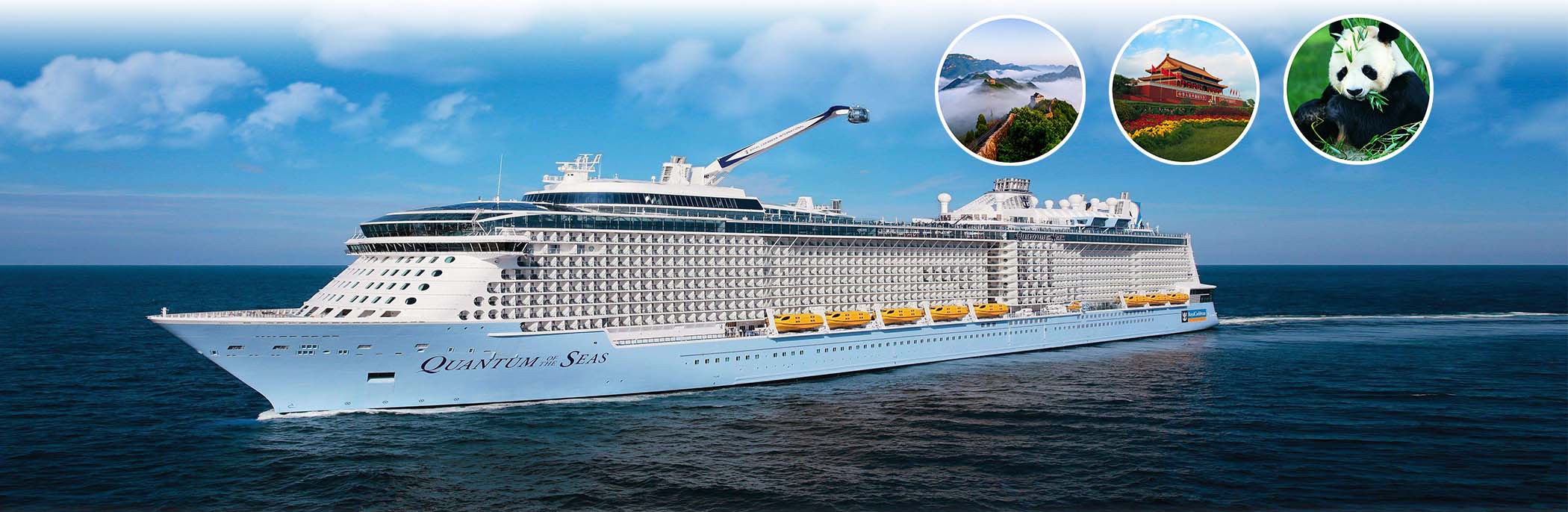
Are you going to have a long layover in Beijing? Take the best chance to know and visit the most famous, historical and cultural sites in Beijing, such as the Tiananmen square (the most important square in the whole China), the Forbidden city (ancient home of emperors) and Mutianyu Great Wall (one of the new 7 wonders of the world). Our professional tour guide and driver will pick you up at the airport, we will take you for a quick Beijing tour and get you back on time for your next flight. booking this layover tour can be a memorable part of your epic trip!
Tour Itinerary
Travel Calendar


Day 1 Tianjin Port-Beijing by Private Vehicle
Tianjin Port Pickup, Temple of Heaven, Lunch, Tiananmen Square, Forbidden City, Transfer to Hotel in Beijing

Your friendly tour guide and driver will greet you at the exit of Tianjin Cruise Port.
~ 3.5 h : Drive to Temple of Heaven
~ 1 h : Visit Temple of Heaven
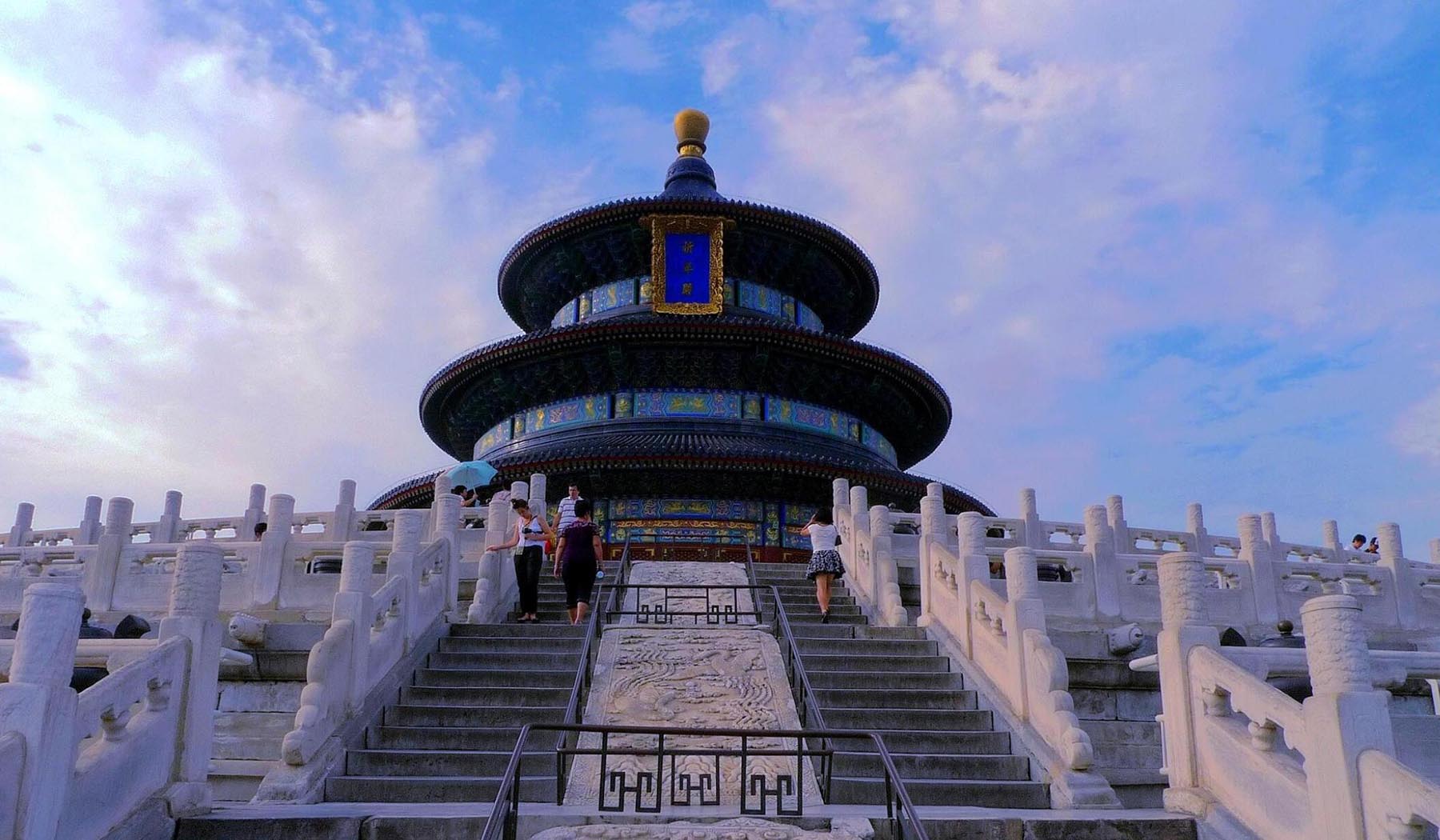
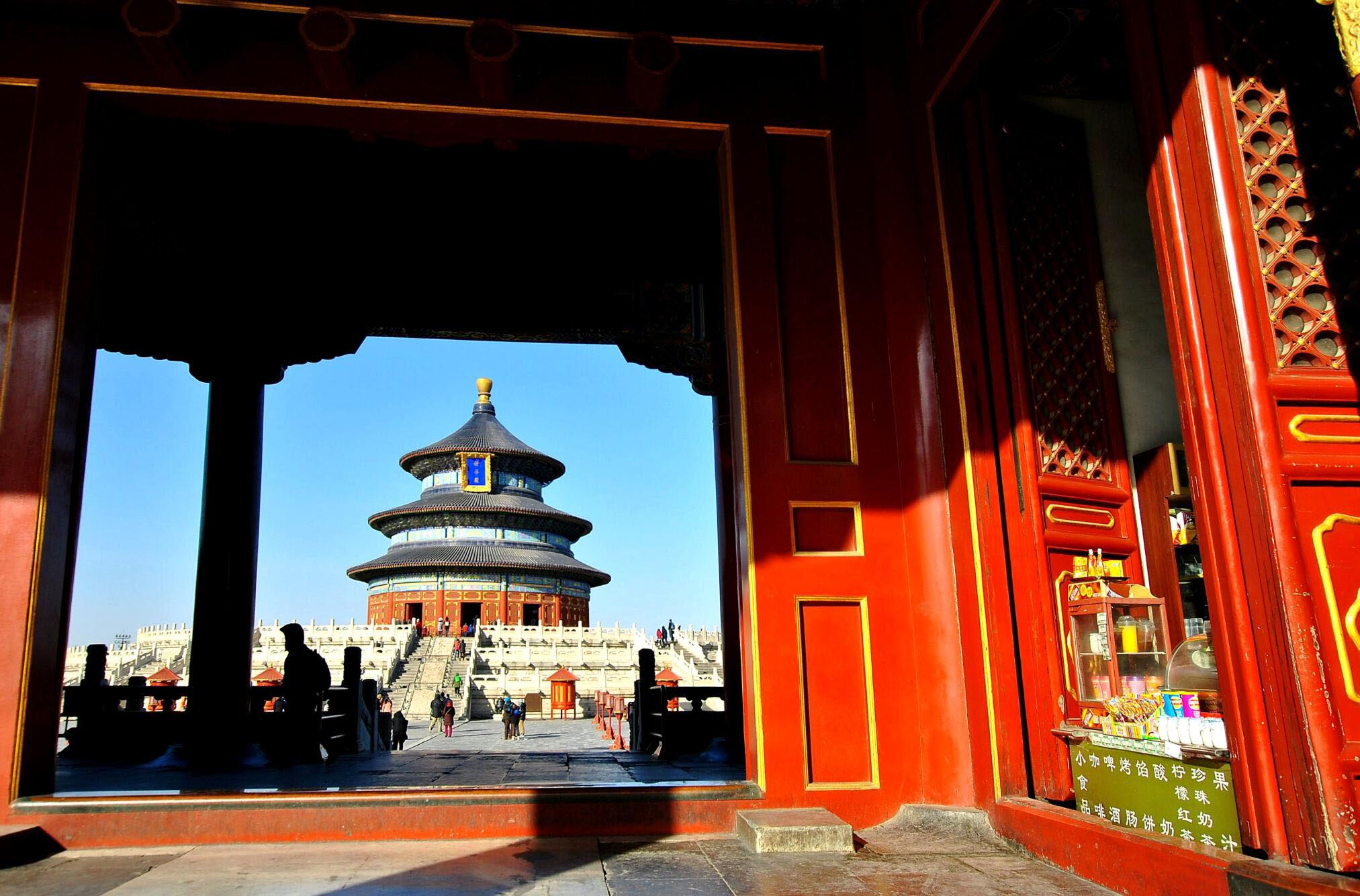
 Enjoy traditional Chinese architecture of the Temple of Heaven and learn traditional Chinese culture, such as number nine represents the emperor; colored glazes signify heaven and earth; and pillars represent the months, seasons and time.
~ 20 mins : Drive to Lunch
~ 1 h : Lunch
Enjoy delicious Chinese lunch.
~ 20 mins : Tiananmen Square
~ 0.5 h : Visit Tiananmen Square
Head to Tiananmen Square, the biggest city plaza in the world. Learn the revolution period history of China. Admire The Great Hall of the People from the square, National Museum, Monument of the People's Heroes and Tiananmen Gate.
~ 0 h : Forbidden City
~ 1.5 h : Visit Forbidden City
Walk along the central axis of the Forbidden City, which is the largest and best-preserved palatial complex of the imperial era. (Forbidden City is closed on Mondays.)
~ 0.5 h : Transfer to Hotel in Beijing
Day 2 Beijing
Mutianyu Great Wall, Lunch, Ming Tombs(Changling), Transfer to Hotel in Beijing
~ 1.5 h : Drive to Mutianyu Great Wall
~ 2 h : Visit Mutianyu Great Wall
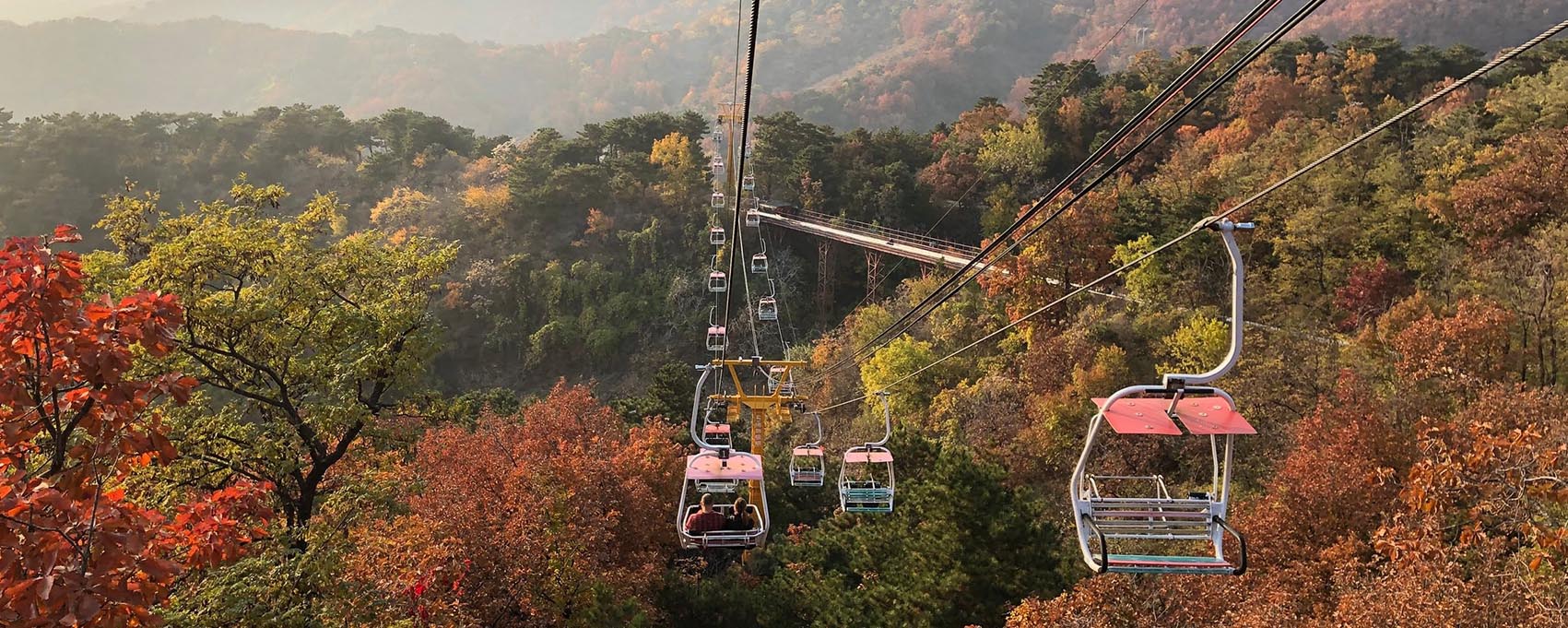
The morning excursion will take you to the Great Wall at Mutianyu, one of the greatest man-made projects in the world and a focal point of China to wander amidst its beauty and grandeur. Choose to either hike or ride the cable car up and down or the fun toboggan slide down after enjoying the views.
~ 10 mins : Drive to Lunch
~ 1 h : Lunch
Enjoy delicious lunch at a local restaurant.
~ 1.5 h : Drive to Ming Tombs(Changling)
~ 1 h : Visit Ming Tombs(Changling)
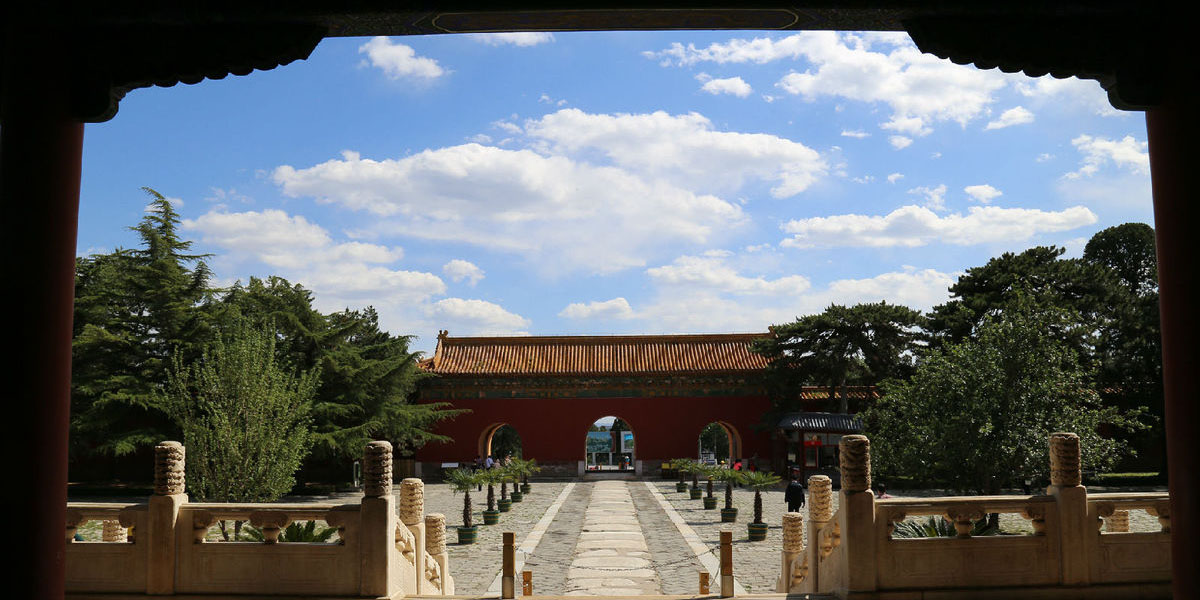
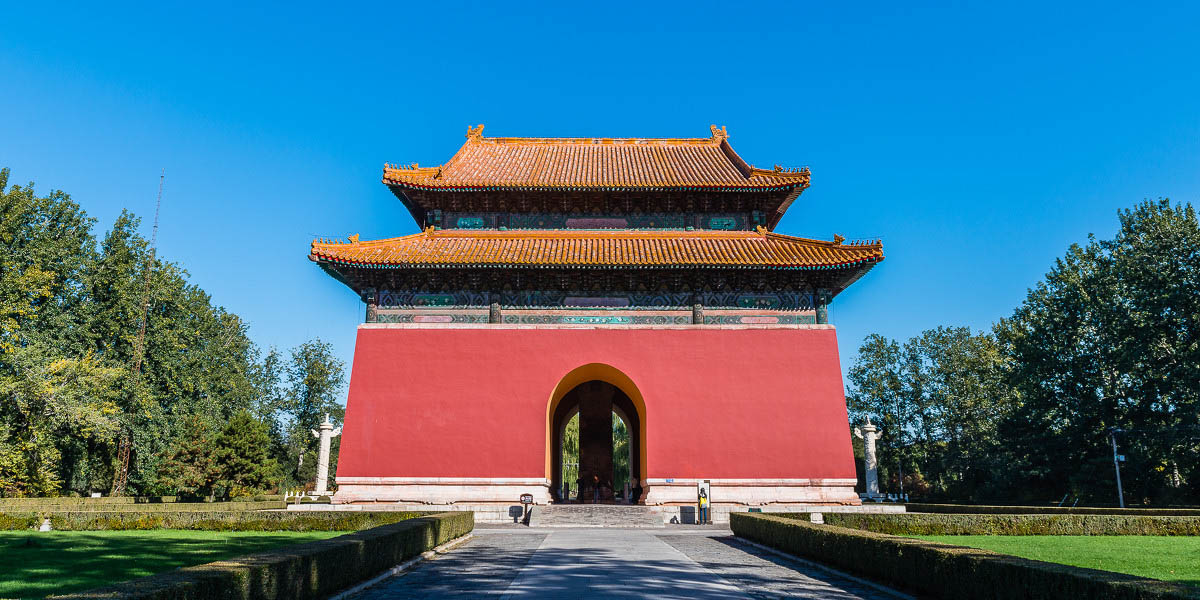
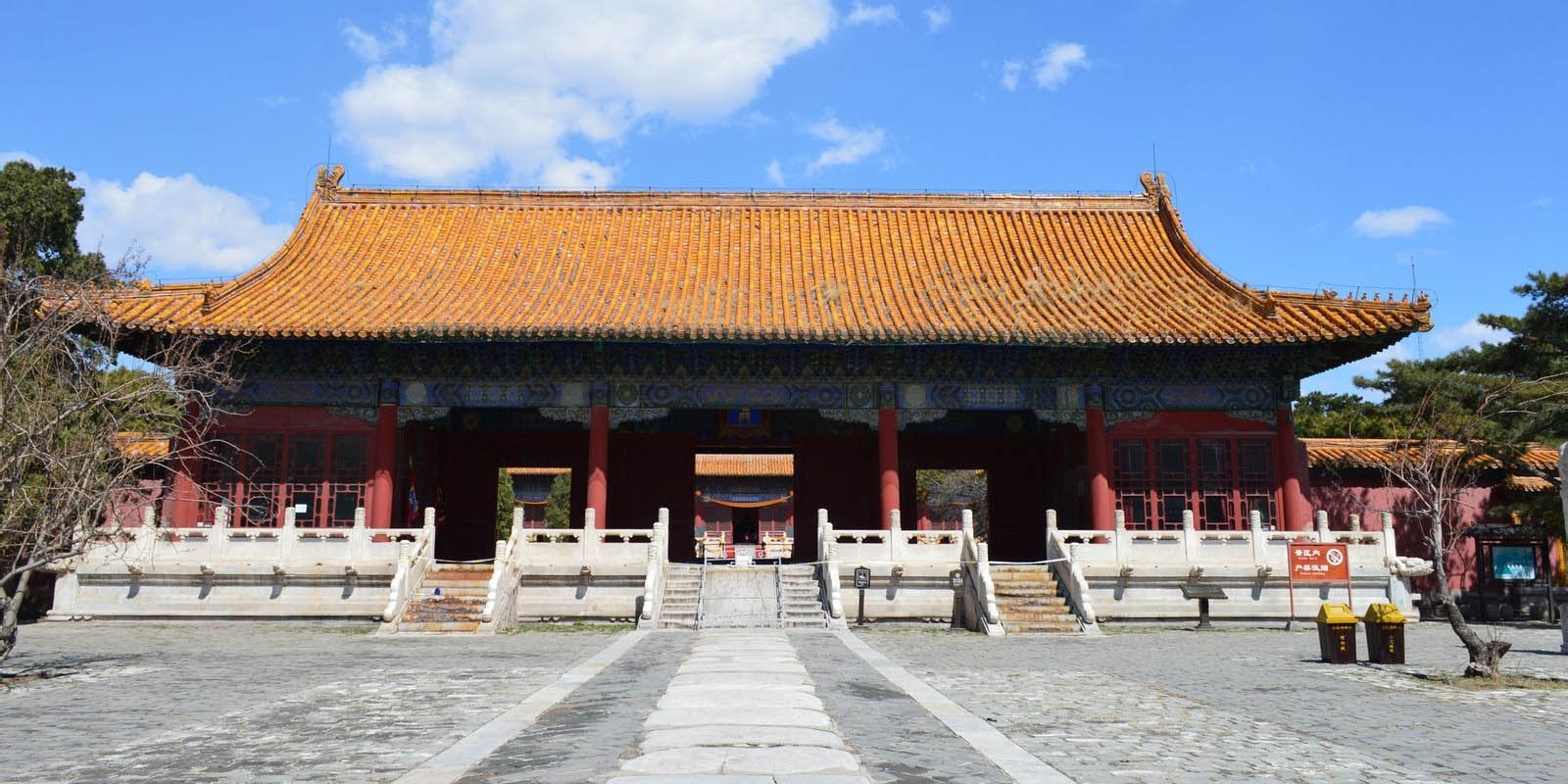
Proceed to the Ming Tombs(Changling); a massive tomb and well-preserved ground palace. Enjoy the grand architecture and explore the history of emperor Yongle.
~ 1.5 h : Transfer to Hotel in Beijing
Day 3 Beijing-Tianjin Port by Private Vehicle
Beijing Zoo, Summer Palace, Hutong, Lunch, Transfer to Tianjin Port
~ 0.5 h : Drive to Beijing Zoo
~ 1 h : Visit Beijing Zoo
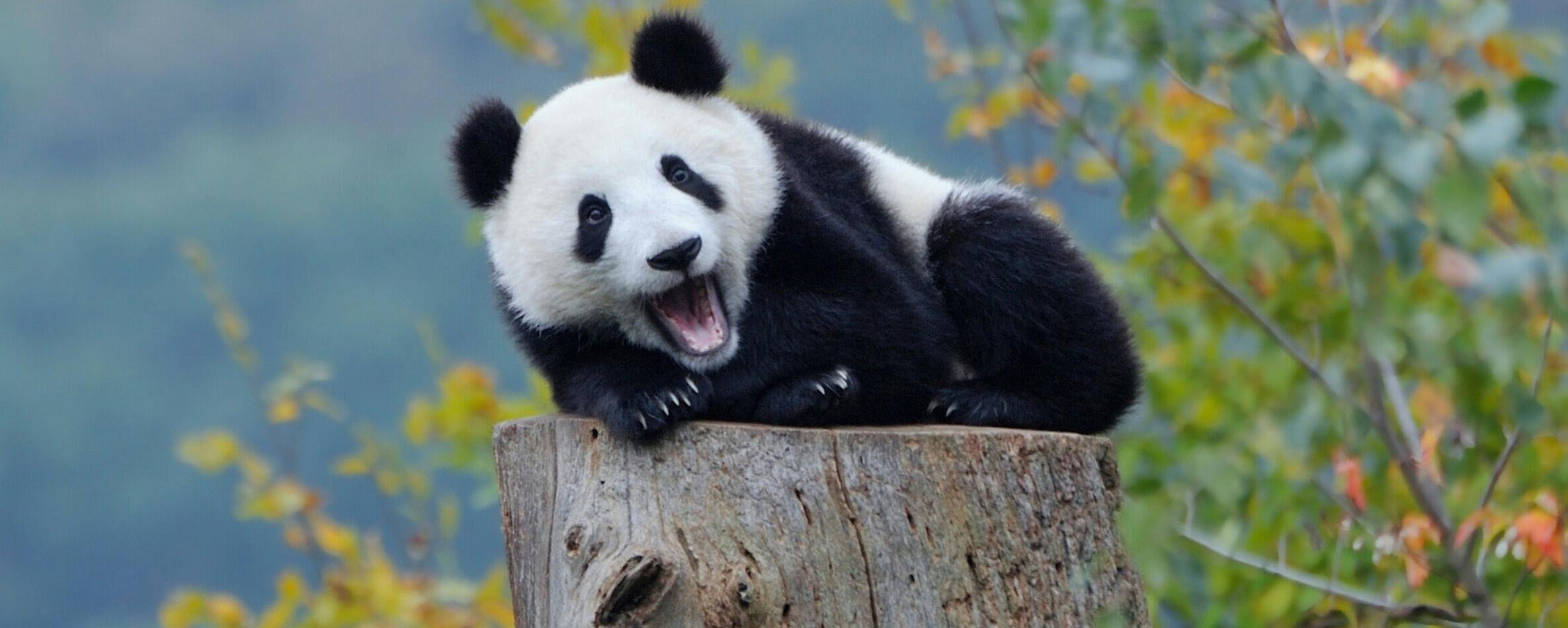
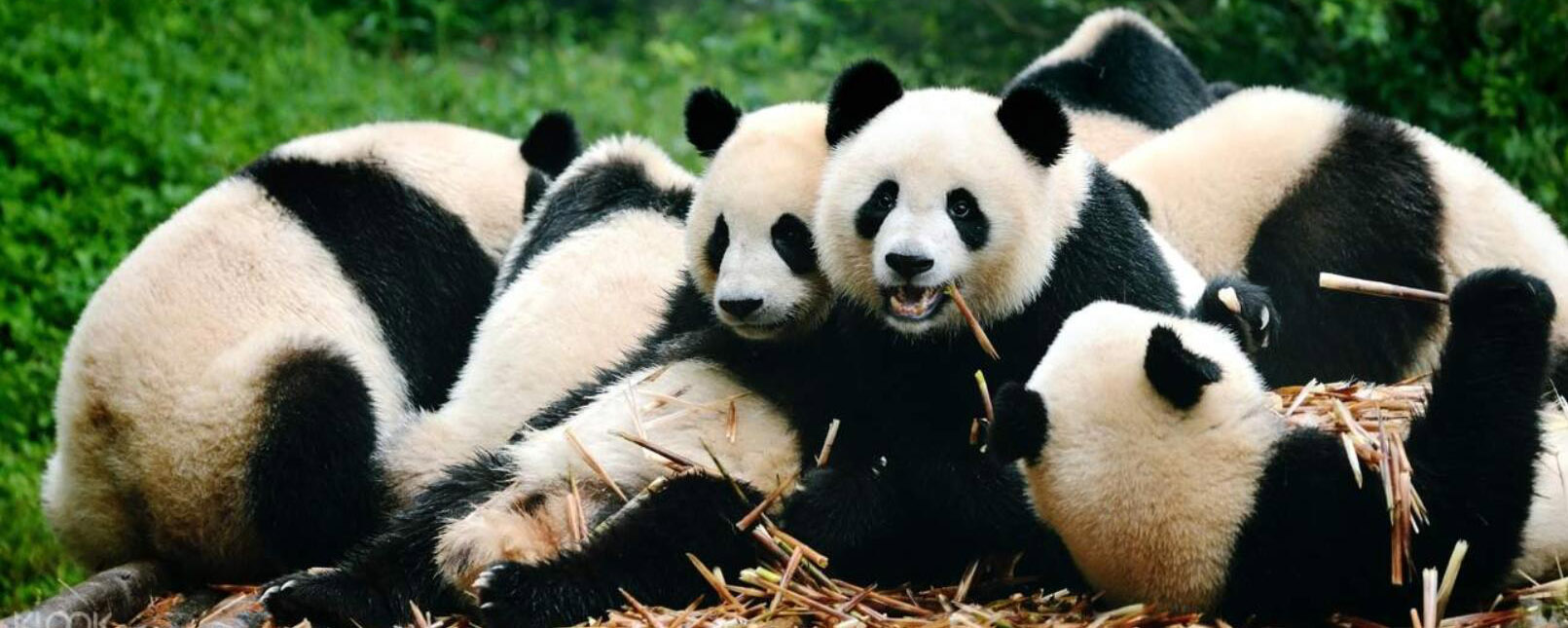
Start the day at the Beijing Zoo after an early morning pick up from your hotel and watch adorable giant pandas playing, sleeping, eating etc. Take brag-worthy selfies with the cute pandas.
~ 0.5 h : Drive to Summer Palace
~ 1 h : Visit Summer Palace
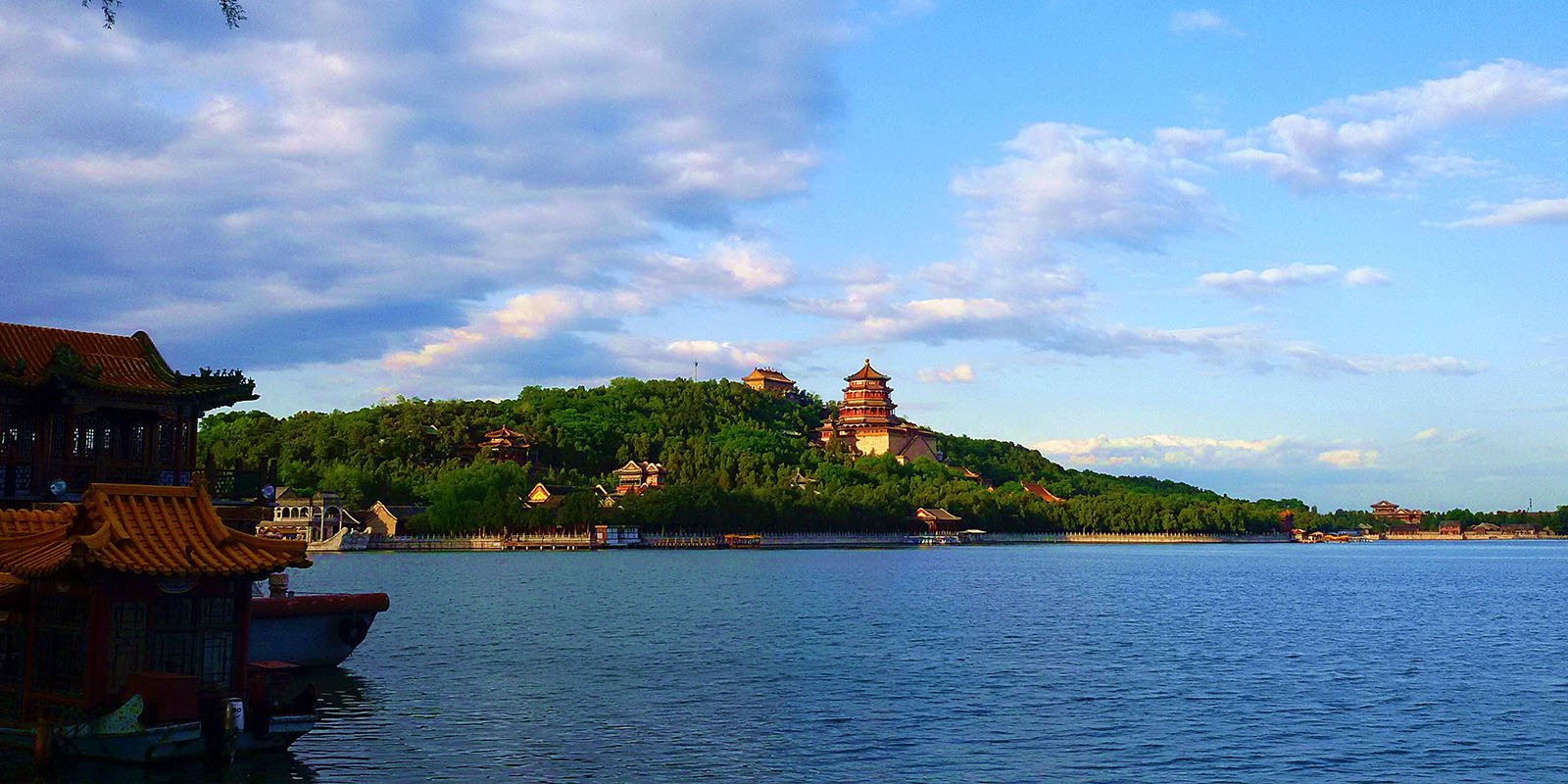
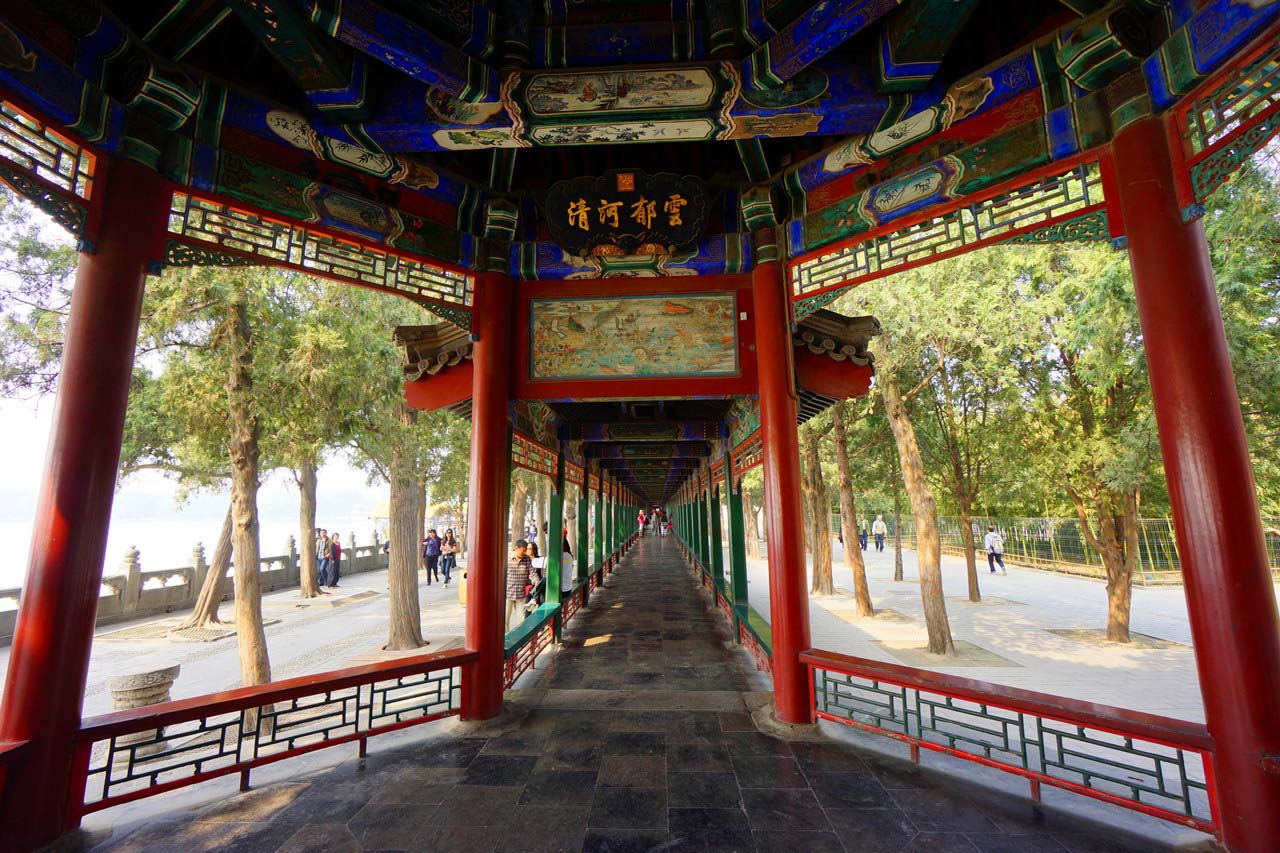
Enjoy charming views along the banks of Kunming Lake and beautiful Chinese paintings on the long corridors.
~ 1 h : Drive to Hutong
~ 0.5 h : Visit Hutong
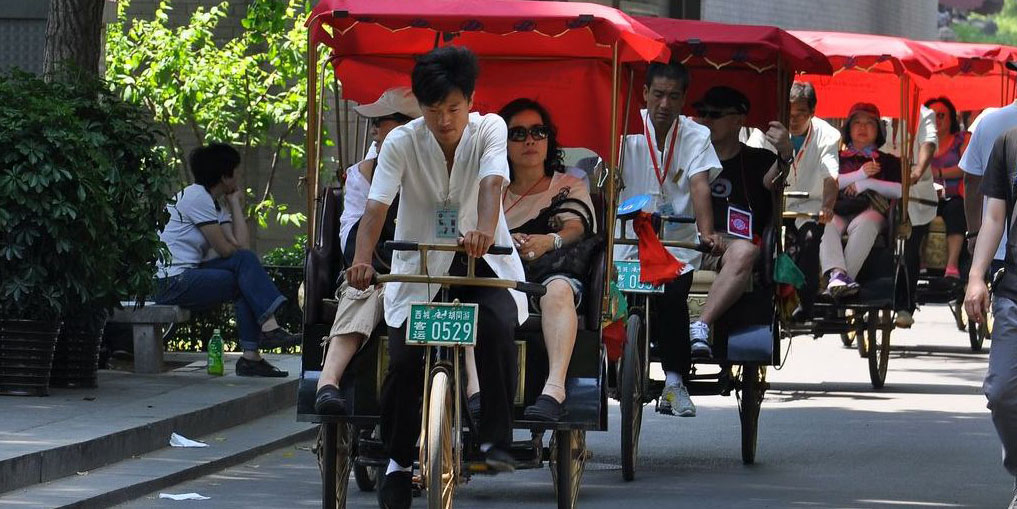
Tour the narrow hutong on a traditional rickshaw, experience the lifestyle of local people.
~ 0 h : Drive to Lunch
~ 1 h : Lunch
Enjoy tasty home-made lunch at a restaurant.
~ 4 h : Transfer to Tianjin Port
Your private driver will transfer you back to the Tianjin port, or airport in Beijing or Tianjin for departure!
Day 1
Tianjin Port-Beijing by Private Vehicle
Breakfast ✘
Lunch ✔
Dinner ✘
Tianjin Port Pickup: Your friendly tour guide and driver will greet you at the exit of Tianjin Cruise Port.
Temple of Heaven:

Tiananmen Square:

Forbidden City:

Explore the largest ancient palatial structure in the world and splendid Chinese history
Appreciate spectacular and grand imperial palace
Transfer to Hotel in Beijing:
Day 2
Beijing
Breakfast ✘
Lunch ✔
Dinner ✘
Mutianyu Great Wall:

Enjoy the top-rated and attractive Mutianyu Great Wall all year around
Easy to hike and suitable for all ages with interesting cable car and toboggan
Less traffic jam and tourists, best travel experience
Ming Tombs(Changling):

Transfer to Hotel in Beijing:
Day 3
Beijing-Tianjin Port by Private Vehicle
Breakfast ✘
Lunch ✔
Dinner ✘
Beijing Zoo:

Watch adorable giant pandas playing in the zoo
Take pictures for pandas and save the happy moment
Summer Palace:

Explore the UNESCO-listed imperial garden
Enjoy charming scenery of Kunming Lake
Appreciate beautiful paintings along the Long Corridor
Hutong:

Wind through a labyrinth of alleyways and explore hidden delicious food
Experience centuries-old Chinese history from hutongs and courtyards
Transfer to Tianjin Port: Your private driver will transfer you back to the Tianjin port, or airport in Beijing or Tianjin for departure!
Includes & Excludes
Entrance fee
Lunch
Rickshaw
English-speaking guide
Bottled mineral water
Air-conditioned vehicle with an experienced driver
Tianjin Cruise Port Terminal transfer
Hotel
Dinner
Tips to guide and driver
Booking Notes
Private Tianjin Port Layover Tour:
The private layover tour is only for you and your team, no need to wait for other travelers. Time-saving.
More flexible for picking up time according to your cruise details, will send you back to the Tianjin port, airport or hotel according to your request.
If your cruise delayed, your private tour guide will wait until seeing you at the exit of the Tianjin port, more flexible!
Can customize tour itinerary according to your interests.
Payment Methods
Please book your Tianjin port layover tour on the website in advance, and you can pay full payment or a half deposit through PayPal or optional credit card when booking online. Confirmation will be received at the time of booking.
Cancellation Policy
There is no cancellation fee if you inform us at least 24 hours in advance before the scheduled pick-up time.
100% cancellation fee if you inform us within 24 hours.
Reviews

 Review
 Review

benniejay
Yes everything was spectacular and fascinating very professional and prompt services. There were beautiful places to explore and to see in the 4 hours that we had. The comfort and beauty of the China was incredible, The history, culture and way of life of the local people we bumped into during the layover was beyond our expectations. Hiking on the Great wall after driving through a small remote countryside was very relaxing and rejuvenating. It was the best trip ever to experience on a few hours.
We had not previously used a travel agency for touring. The crew including the driver and tour guide were really funny, friendly and knowledgeable. Despite having limited time we still had free time allowing for shopping and grabbing a meal and drinks. Highly recommend this layover in Beijing. Show less

mirceao455
Bucharest, Romania
Great, compact, amazing tour. Our guide Jenny did the best to show us the most important attractions in Beijing in just a 2 day tour. I recommand her tours, she is great with groups, friendly and well prepared. Show less
More
2funworldtravers
Mike and Karen, Tucson, Arizona Show less
More
pedro148595
Highly recommend for everyone coming to Beijing Show less
MoreFAQ
Got Question & Quick Answer


©2013- www.chinavisafreelayovertour.com

Price

Itinerary

Booking Notes

Reviews

FAQ

User Name:
Email:
Password:


Confirm Password:
Verification Code:
Email:
Password:
Email:
New Password:
Confirm Password:
Verification Code:


Temple of Heaven
Introduction
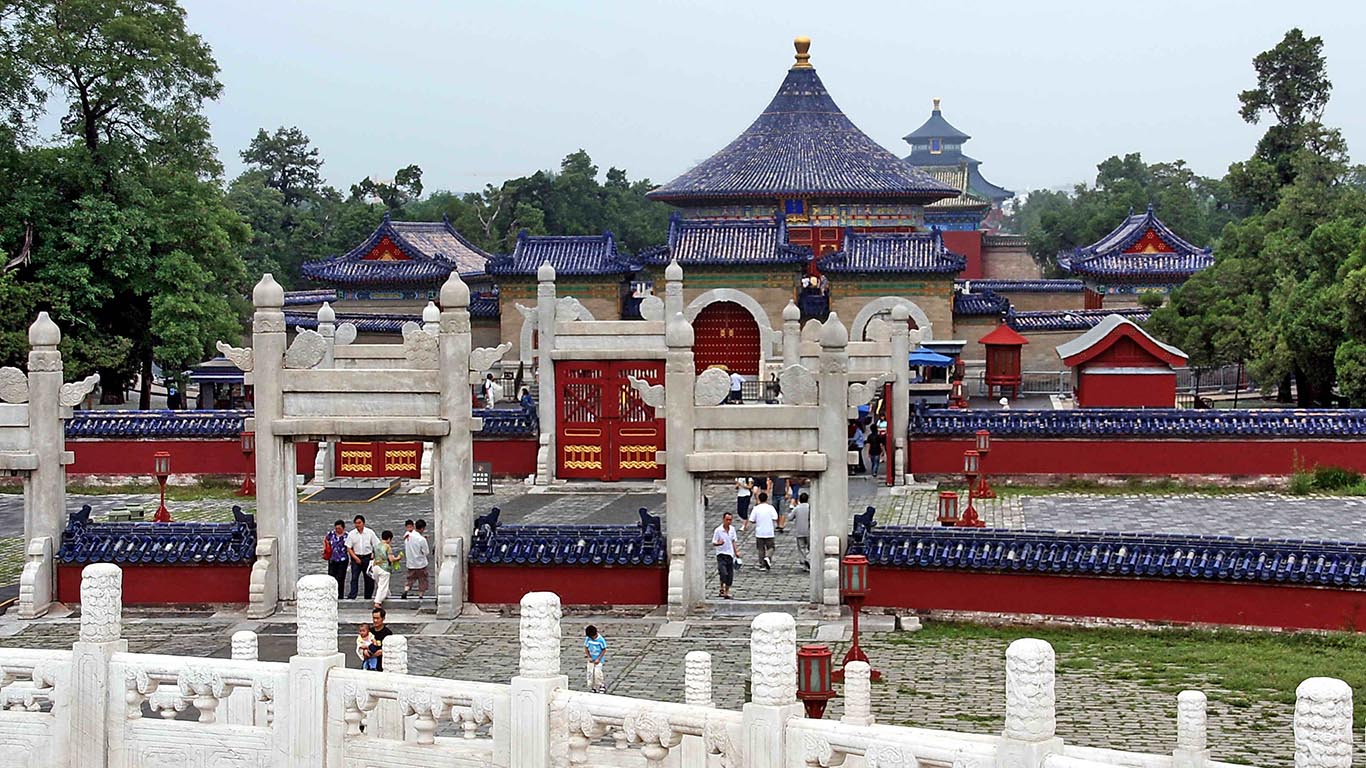
The Temple of Heaven is located in Dongcheng District towards the southeast side of the Forbidden City. It was built in the first half of the 15th century and covers an area of 273 hectares and can be estimated to be four times larger than the size of the Forbidden City. Emperor Zhu Di spent 14 years to complete the construction of the temple after which it was named Temple of Heaven and Earth at that time but was later renamed in the Ming Dynasty by Emperor Jiajing to the Temple of Heaven.
The layout of the Temple of Heaven takes a rectangular ambulatory plane shape made up of two wall altars that are subdivided into the inner altar measuring 3292 meters and the outer altar measuring 6416 meters. The arrangement of the buildings of the temple reflects the relationship between heaven and earth with the southernmost wall being rectangular in shape and is lower representing the earth while the northern wall that takes the shape of a semi circle symbolizing heaven which is higher.
The Temple reflects the core mystical Chinese cosmological laws that represent the relationship between heaven and earth considered to be the central to the workings of the universe.
Things and activities to do on a visit
Circular Mound Altar
A three-layered altar made of marble that is located in the south side of the Temple of Heaven. The Circular Mound Altar was used by emperors uses for carrying out the winter solstice ceremony normally on September 9th of the Lunar Calendar. This impressive engineering feat was designed such that it makes sounds travel in a certain way ensuring the emperor will be heard in the heavens.
Imperial Vault of Heaven
Imperial Vault of Heaven was reconstructed by Emperor Qianlong and is situated inside the Temple of Heaven, towards the northern side of the Circular Mound Altar. It was the hall dedicated to housing stone tablets also known as God’s tablets that were used in the harvest prayer ceremony.
Echo Wall is a round wall outside the Imperial Standing at 3.72 meters high, 0.9 meters thick and 5.2 meters in diameter, this wall has a circumference of 193.2 meters. The wall has a special sound transmission effect because the wall’s eaves and its hermetically laid bricks create a refraction of sound effect. If one person speaks inside the wall facing the north direction, the sound will echo for many times and be heard throughout the wall so long as the courtyard is not so crowded.
Hall of Prayer for Good Harvests
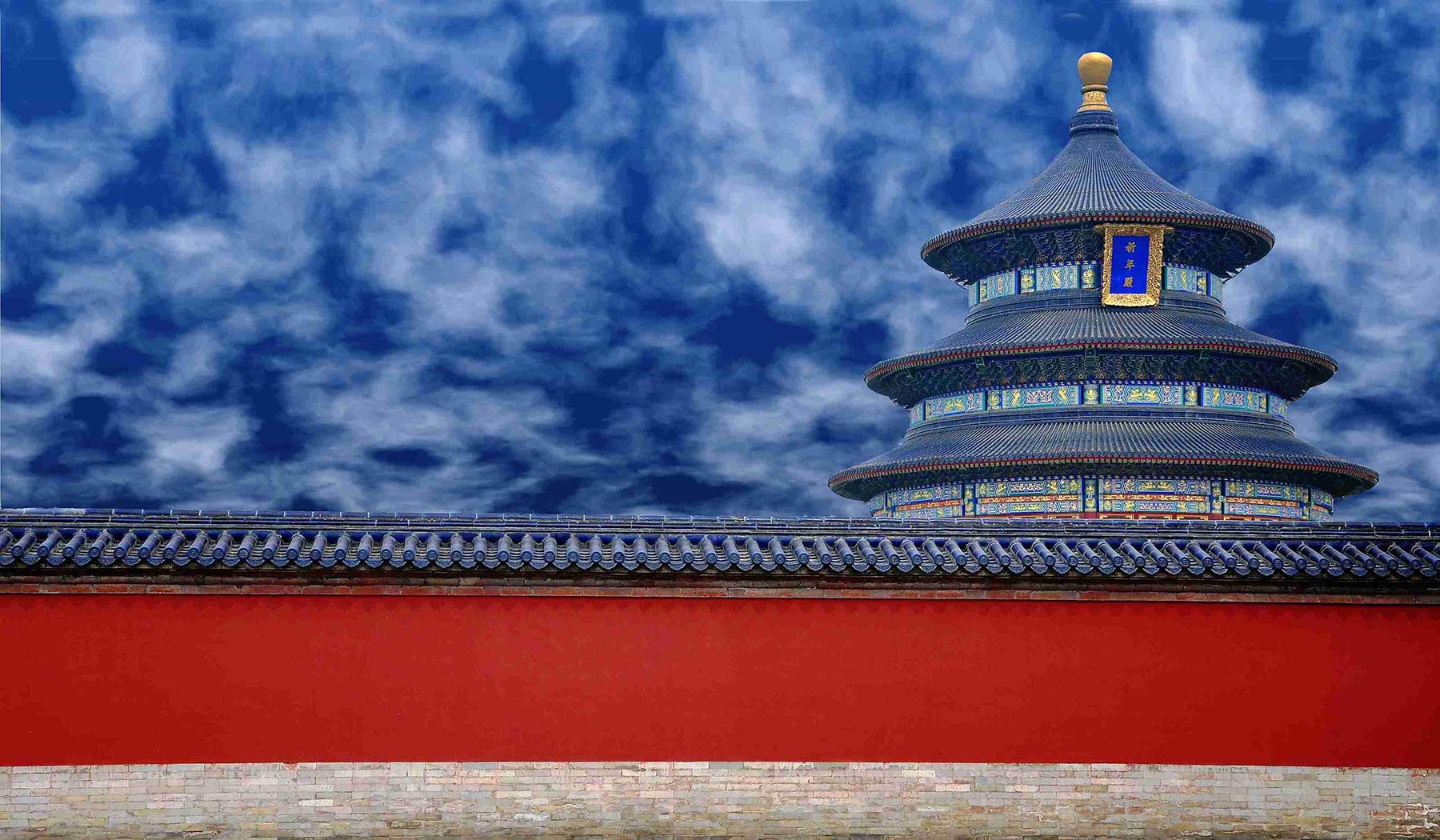
Located on the northern side of the Temple of Heaven, this Hall of Prayer for Good Harvests is a national treasure and is the main building at the Temple that emperors prayed yearly for good harvests. Its original structure was struck by lightning and reduced to pieces in 1889 but was later rebuilt in the same Ming Dynasty style.
It is made up of three-tiered circular roof painted dark blue and paved with blue glazed tiles with hues of yellow and green symbolizing heaven and earth. There 28 pillars supporting the entire roof and all have a symbolic meaning. The four innermost pillars represent the four seasons and the 12 middle pillars represent the 12 months of the year and the outermost 12 pillars represent the two 12 hours that make a day.
Hall of Abstinence
Covering an area of about 40,000 square meters, this hall is located inside the West door of the Temple of Heaven. It is made up of double walls and its inner wall is surrounded by a long corridor that was used as a shelter for soldiers. At the front of the main hall are a Time Pavilion and Abstinence Pavilion that has five chambers that were worship grounds for emperors to abstain from wine and meat amongst other meals.
Seven Star Stones
With eight stones in total, the Seven Star Stones were set up according to the Big Dipper sky constellation where seven stones all of the same size comply with the similar brightness of the stars as seen by the naked eye from down on earth and the eighth stone that is smaller in size is believed to be the Alcor; a companion star to Mizar.
Winter Solstice Ceremony
The winter solstice sacrifice ceremony was carried out for good harvests in the first month of the lunar year and remained the most important religious and political activity. The ceremony was always carried out following set procedures and it was perceived that even a small deviation would upset the heavens.
Three days prior to the commencement of the ceremony, the emperor and his officials camped at the temple from their residence in the Forbidden City. The Emperor would dress up into ceremonial robes and abstain from eating meat, drinking wine, music, sex and politics as a sign of piety. A day before, sacrificial offerings would be prepared by slaughtering cattle and putting in place over 700 utensils used for the rituals.
Danbi Bridge
This is a 360 meter bridge that connects the north and south altars extending from the Circular Mound Altar all the way to the Hall of Prayer for Good Harvests which is the main road through the Temple of Heaven and Beijing’s first overpass. There are three marble walks on this bridge where emperors followed the right lane, officials followed the left lane while the middle walk was for the gods.
Morning Exercises
The Temple of Heaven is a beehive of activity every early morning and tourists get an interesting experience watching local people doing morning exercises, watching locals practicing tai chi, kung fu and even martial arts. Many visitors get the opportunity to join in the activities during their visit to the Temple.
Tiananmen Square
Introduction
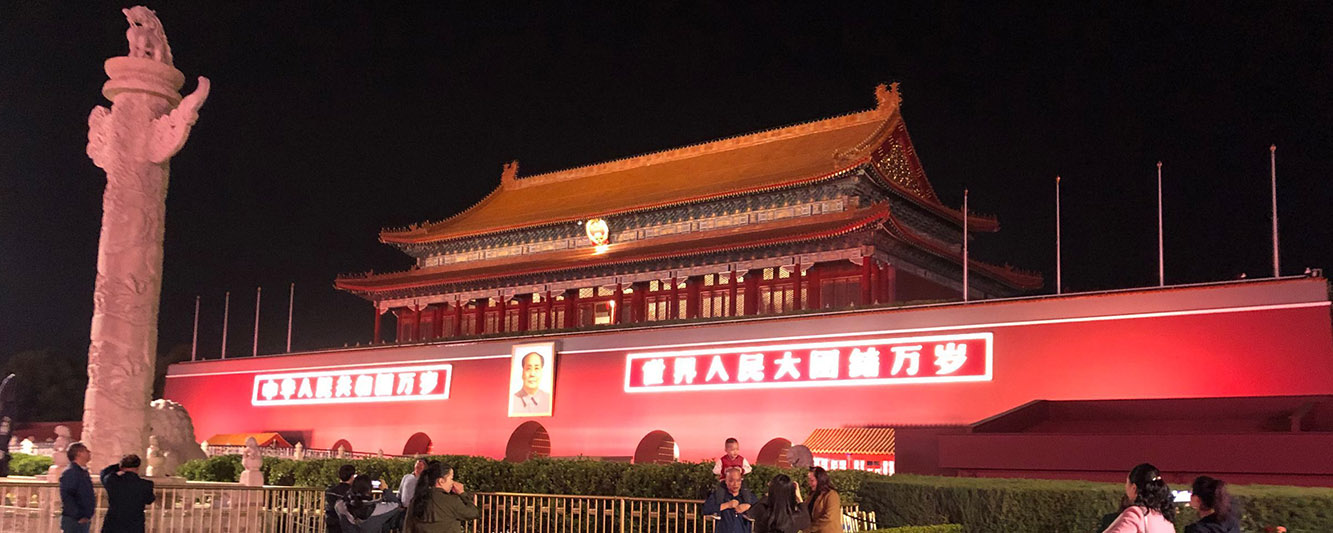
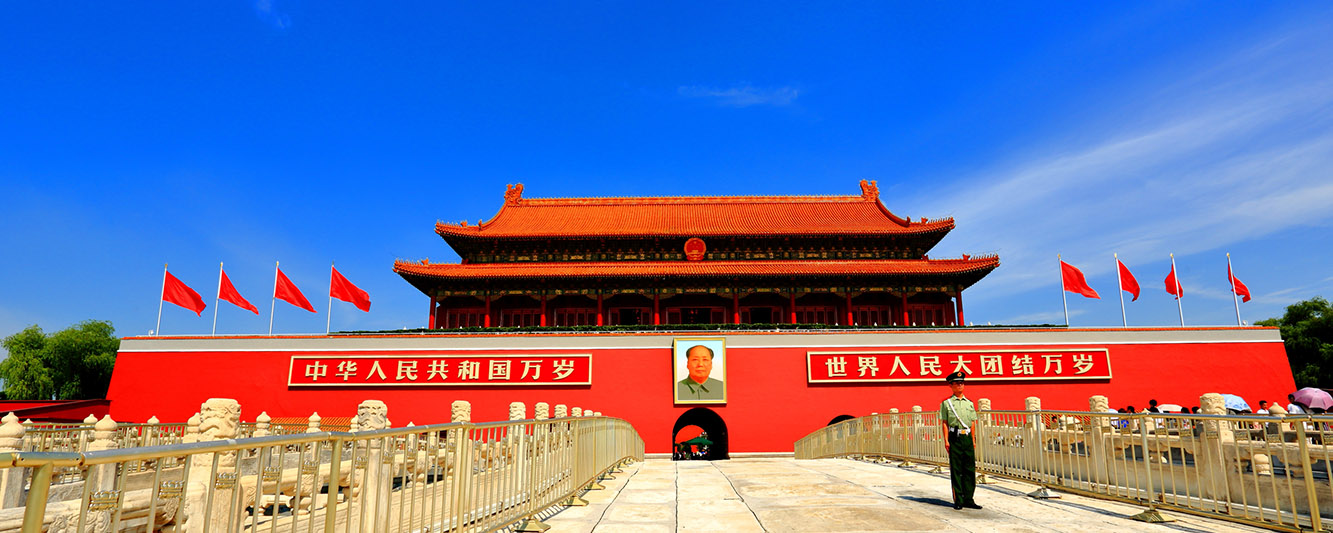
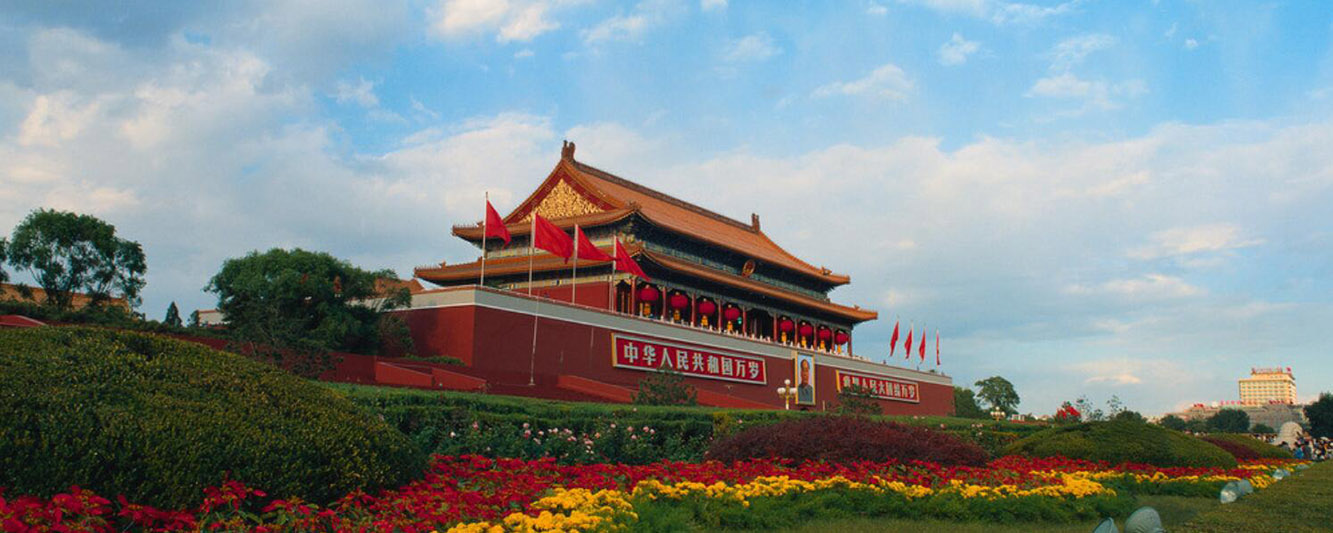
Tiananmen Square is also known as the gate of heavenly peace and is located in the center of Beijing, at Changan avenue. Tiananmen Square is named after Tiananmen Gate which is the entrance to the Forbidden City. The Square was originally built in 1651 and was later enlarged by four times when it was cemented with concrete in 1958.
It is enclosed by two imperial gates in the north and south with the north side being the Gate of Heavenly Peace also known as the Tiananmen Gate and the Front Gate towards the south known as Qianmen Gate.
As you approach Tian'anmen there is a Golden Water Bridge, a pair of columns made from white marble sculptured with lion and dragon designs that is not only for decoration but also the expect for the emperor.
Things and activities to do on a visit
Chairman Mao Zedong Memorial Hall
Located on the southern side of Tiananmen Square, this hall is divided into three parts and in one of the halls is the place where peple admire Chairman Mao at his crystal coffin surrounded by fresh flower bouquets. People offer respect to the greatest founder of the modern nation of China.
The Great Hall of the People
Situated on the west of Tiananmen Square is where the Great Hall of the People is located. This building was constructed in 1959 and is the site where congress meetings and diplomatic activities take place. Twelve marble posts are in front of the hall which has three parts the Central Hall, the Great Auditorium and a Banqueting Hall. The floor of the Central Hall is paved with marble and crystal lamps hang from the ceiling.
Monument to the People's Heroes
At the center of Tiananmen Square is a granite and marble monument that weighs over 10,000 tonnes that is known as the Monument to the People's Heroes built in 1952 and is one of the largest monuments in China's history. On the monument, Chairman Mao engraved “Eternal glory to the People's Heroes”, and visitors can testify the gradual development of Chinese modern history. It serves as a memorial to heroes who lost their lives in the revolutionary struggle and conflicts of the early 19th and 20th centuries from the First Opium War to the Civil War.
Tiananmen Tower
Built in 1417 during the Ming Dynasty at the north end of the Square, this tower has been built and rebuild through the course of time until 1661 during the reign of Emperor Shunzi when it was remodeled, rebuilt and named the Tiananmen Tower. It measures 38 meters in height and 66 meters in length and has five arched gates, only royalty was allowed to enter from the middle gate. Today the tower is widely recognized by the Chairman Mao portrait which hangs above the archway gates.
China National Museum
The China National Museum location is right in front of the Great Hall of the People and was constructed in the year 2003 with a set up of a mix of Chinese History Museum and Chinese Revolutionary Museum. It occupies close to 200,000 square meters in exhibition space and is the third largest museum in the world with over a million priceless relics dating back to 1.7 million years. The museum is home to cultural relics, material objects, books, pictures and models to present the growth of China through its long history and rich culture of China. Get into concise Chinese General History, and visit remains of the prehistoric Yuanmou Man.
Flag Raising and lowering Ceremony
This is one of the focal points in the Tiananmen Square attractions flying high in the sky above Tiananmen Square. A seven-ton flagpole that is renowned for the raising ceremony takes place very early in the morning and lowering takes place in the evening and many tourists both from home and abroad look forward to seeing the guard of honor raise the flag and change guard. The reviewing stands flanks were opened on the west and the east sides to watch the ceremony. The flag is affixed and raised in time to the rising sun and the lowering is at dusk over an approximate two minutes and seven seconds after which the national anthem plays afterwards.
Statues
Situated at the back of the Monument of the People’s Heroes there are a couple of statues that pay tribute to workers, soldiers and just normal people who took part in China’s revolutions; the eastern statue represents the New Democratic Revolution period and the western side statues pay homage to those who contributed to the construction of chairman Mao’s leadership structure.
Magnificent Flower Beds
Tiananmen Square is home to the most extraordinary and ever-changing colorful floral displays according to seasons and it gets into its peak during special occasions and national holidays.
Forbidden City
Introduction
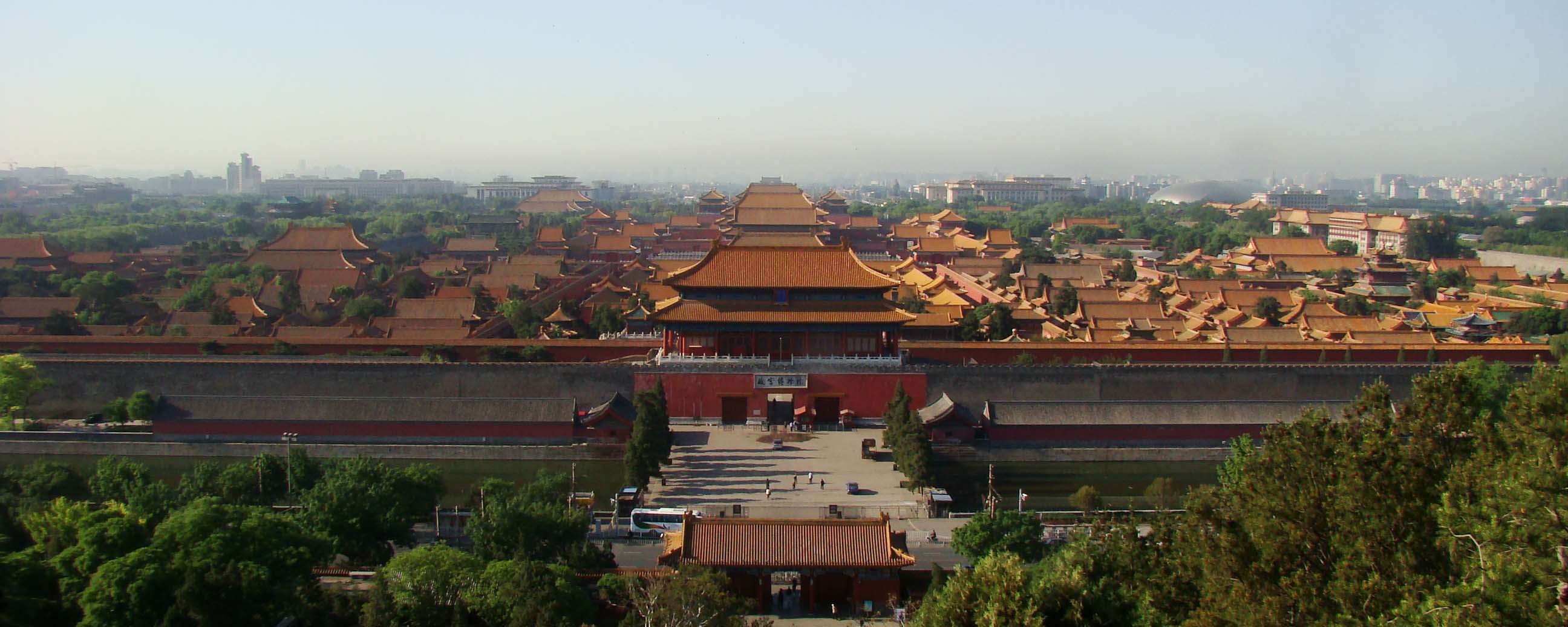
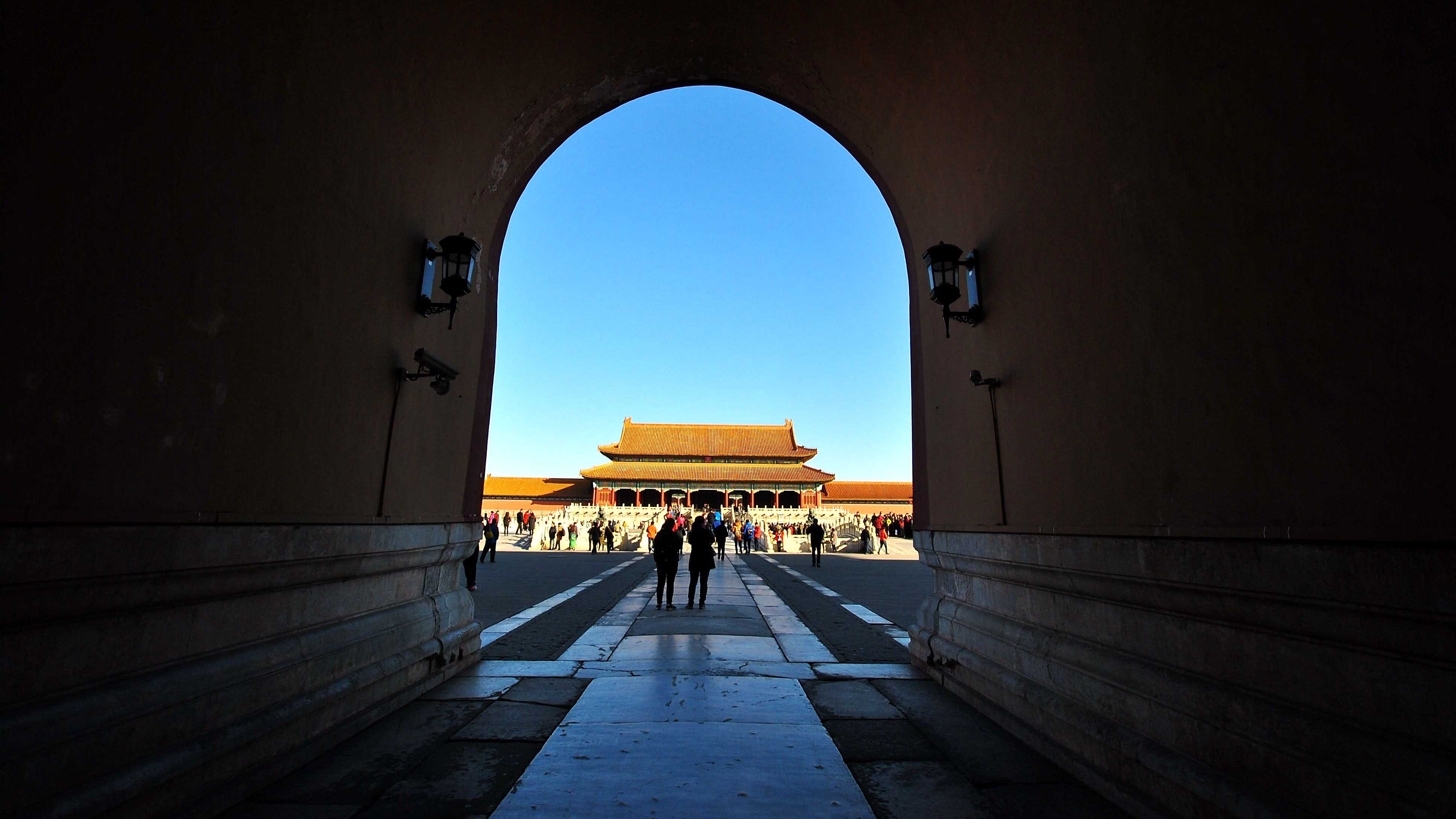
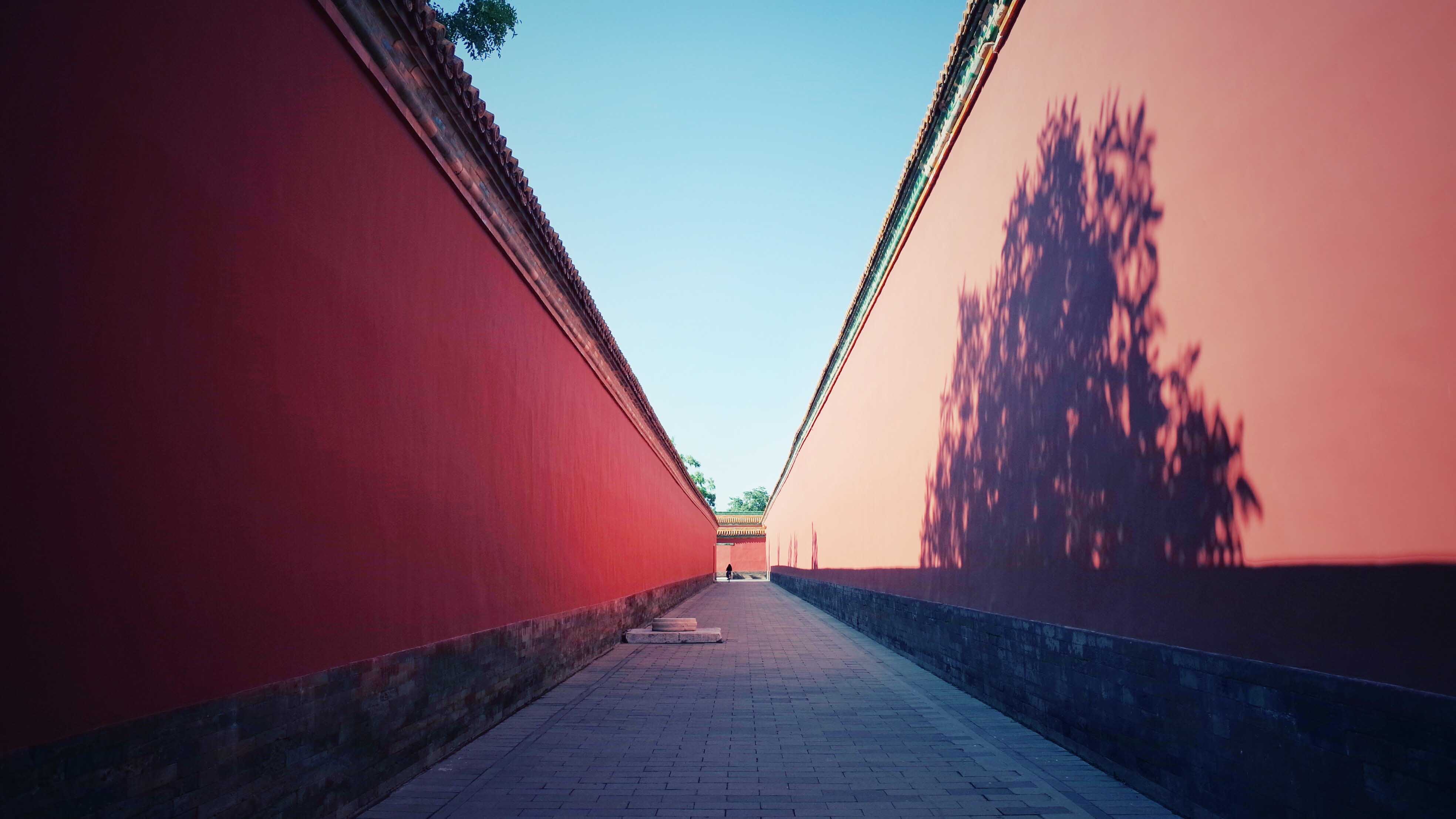
The Forbidden City is an awe-inspiring building situated in the center of Beijing city and towards the northern side of Tiananmen Square. It was constructed during the early Ming Dynasty in 1420 and took a total of 14 years to build from 1406 to 1420. Construction was done by a million workers and another one hundred thousand artisans who were subjected to long term hard labor yet displayed very impressive and considerable skills in building the City. For instance, the bricks used are extremely strong and were made from white lime and glutinous rice and the cement used was made from glutinous rice and egg whites.
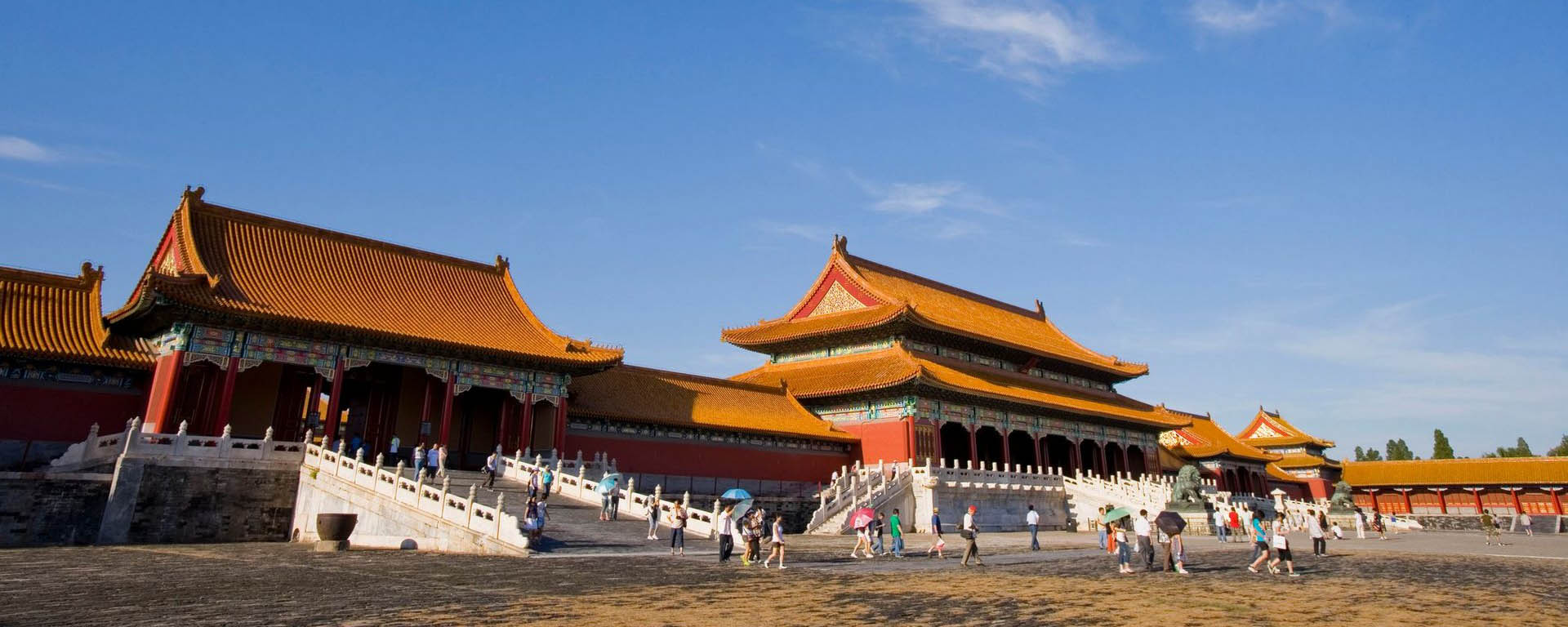
The city is one of the world's most captivating royal structures and global landmarks where visitors can discover Chinese history more comprehensively as well as learn about Chinese culture. It actually once served as the imperial palace for 24 emperors during the Ming and Qing Dynasties (1368 - 1911) and people were forbidden to enter into this city without special permission from the emperor. The last occupant who was even the last emperor of imperial China: Puyi left in 1925 after which the precinct was converted into the Palace Museum. The city covers a total of 74 hectares and it is surrounded by a 52 meters wide moat and a 10 meters high wall with gates on each side of the wall. The distance between the south Meridia Gate and the North Gate is 961 meters and the distance between the east and west gates is 753 meters. There are also other unique towers on each of the four corners of the wall that give excellent views of both the palace inside and the city outside.
The Forbidden City is divided into two parts. The southern section where the emperor exercised his supreme power and the northern section where the emperor lived with his royal family. The architectural style chosen for the Forbidden City reflects a sense of hierarchy with each structure designed in accordance with State Building Standards in Chinese social structure. Its design features a central axis, a symmetrical design of the outer court in the front and inner court at the rear part including courtyards derived from Yuan city layout.
Things and activities to do on a visit
Tickets of the attraction get tourists advanced reservation to visit the Beijing Palace Museum housed inside the Forbidden City and discover the rich and varied history of this breathtaking palace.
Palace Museum
The Forbidden City holds more than a million rare and valuable works of art, cultural relics and countless cultural artifacts from China’s long and splendid history dating all the way back from its earliest dynasties. There are also numerous exhibits going on in the Palace Museum with a collection of jade pieces, calligraphy, ceramics, paintings, bronzes, ancient books, historical documents and timepieces. In addition to this, there are also digital presentations with numerous sights to see and learn.
The Outer Court
The outer court has three main buildings, where emperors attended grand ceremonies and conducted state affairs. It contains spectacular palace compounds including the emperor’s places for religious rituals, formal reception halls and where state ceremonies are carried out. The first hall known as the hall of supreme harmony is the most important and largest structure in the Forbidden City and is where the emperors' Dragon Throne is situated. The second hall situated behind the Hall of Supreme Harmony is the place where Emperors would rehearse their presentations and speeches before heading to the Temple of Heaven for sacrificial ceremonies. It is also the resting place of the emperors before presiding over grand events held in the Hall of Supreme Harmony. The last hall is the hall used for banquets and imperial examinations.
Inner Court
This inner court is what was known as the domestic space, dedicated mainly to the imperial family. It includes the palaces in the northern part of the Forbidden City. The northeastern corner of the complex is known as the Tranquil Longevity Sector where the Empress Dowager and the many imperial concubines resided where visitors can see well preserved nine dragon wall particularly noted as one of just three of this type of decorations that remains prominent in China. The Palace of Heavenly Purity (Qianqinggong) is located on the south while the Hall of Celestial and Terrestrial Union (Jiaotaidian) where imperial weddings and familial ceremonies took place. In addition to the living quarters, you can admire the beautifully preserved architecture.
The western and eastern sides of the inner court were back in the days reserved for the retired emperor and empress dowager. The last major construction in the imperial precinct took place when Emperor Qianlong built his post-retirement palace and the Hall of Pleasant Longevity in the northeast corner of the Forbidden City. There are also structures for the imperial family’s religious activities in the inner court towards the eastern and western sides where the Buddhist and Daoist temples are located.
Hall of Clocks
This impressive Hall of Clocks features unique, intricate and lavish timepieces that were gifted to Qing emperors by different European leaders from the 17th.
Traditional Gardens
There are a couple of gorgeously preserved grounds side gardens to explore and learn Chinese history through the countless cultural artifacts.
Mutianyu Great Wall
Introduction
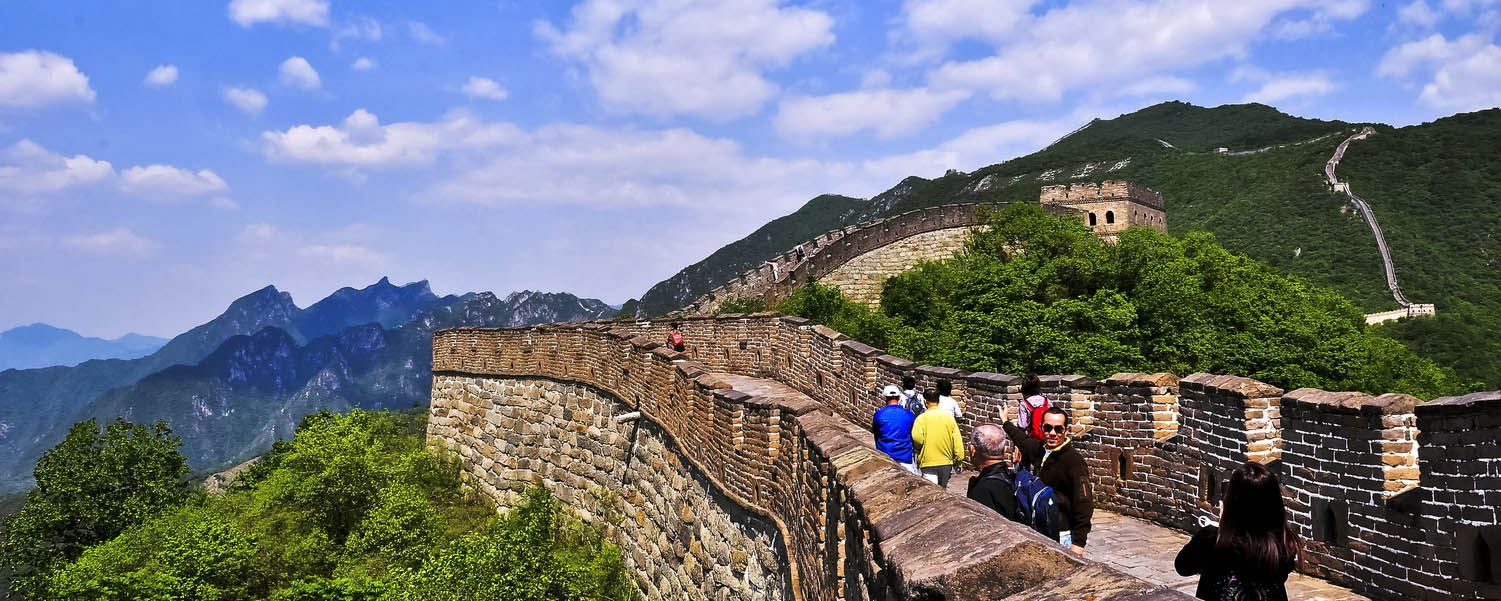
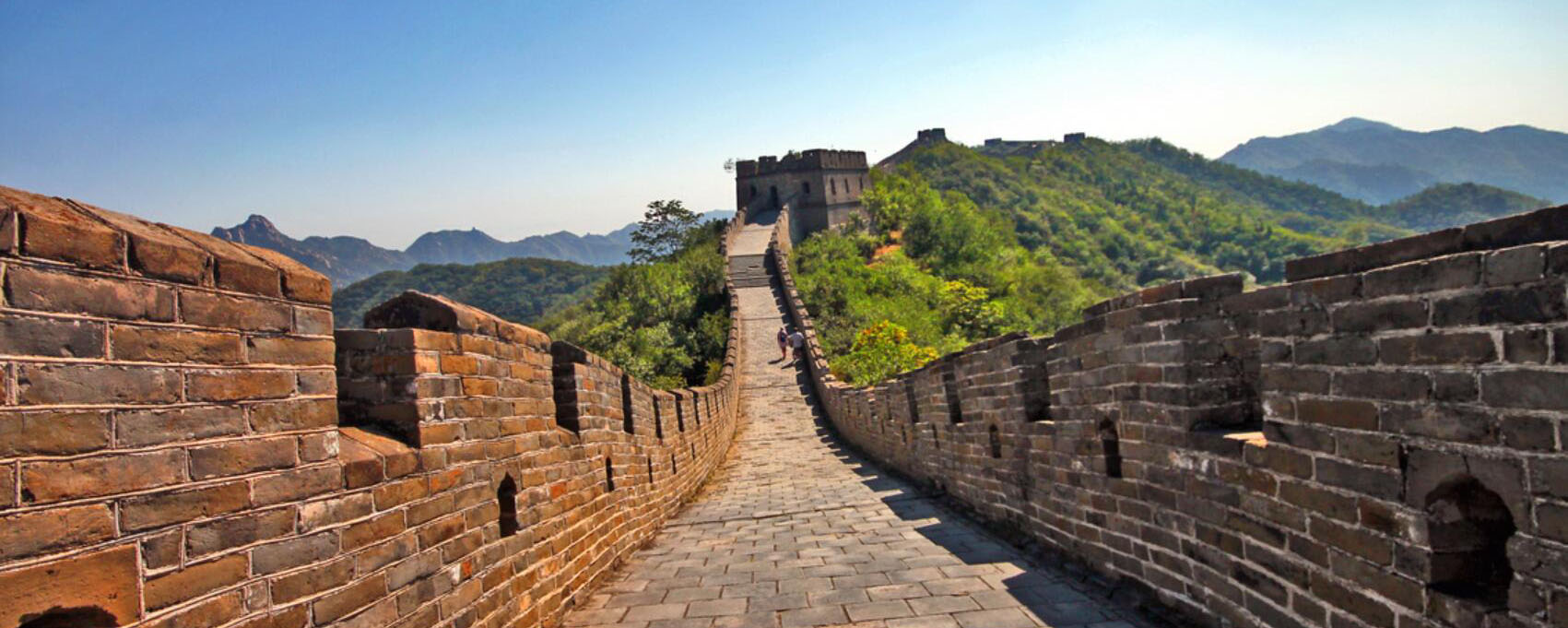
Mutianyu Great Wall is located in Huairou County at least 1.5 hours drive from downtown Beijing and from Peking International Airport it is 1 hour 20 minutes. It covers a total length of 3.4 miles and is made up of a total of 23 watchtowers which are densely distributed. This section of the Great Wall connects with Gubeikou towards the east and Juyongguan Great Wall section towards the west. This section of the wall attracts thousands of visitors because of its easier hiking conditions in addition to a range of convenient facilities including chairlift, cable car and toboggan.
The wall was first built during the Northern Qi Dynasty and during the Ming Dynasty Tan Lun and Qi Jiguang: two patriotic generals, reconstructed to further strengthen its defensive capabilities. Mutianyu was the northern protective screen and it guarded the capital and imperial mausoleums for so many years. The material used to construct the wall is mainly granite slabs measuring 8 meters by 4 meters by 5 meters. On both side of the wall are parapets that were used for the purpose of defense against enemies. Their normal shape is rectangular while others are unique and are saw tooth shaped.
Hiking from the base of the wall to the top watch towers takes around 40 to 60 minutes while exploring and walking the entire wall might take approximately 2 to 3 hours factoring in time for resting, relaxing and admiring the fortification.
Things and activities to do on a visit
Hiking
Mutianyu Great Wall is the best place for hiking as it has a smooth terrain. The section between tower 1 and 6 are very vertical and steep while from tower 19 to 20 the approximate 450 steps get too steep and most visitors find climbing these vertical steps quiet thrilling and exciting. The section between tower 4 and 19 is generally flat and suitable for visitors with less hiking capabilities and people with limited mobility abilities. For a much tough climb, hiking to tower 1 or Tower 23 is highly recommended.
Entering from the northern entrance, visitors start hiking to tower 10, from the southern entrance the hike starts at tower 8 or 6.
Scenery
This section of the wall is particularly famous for its natural and breathtaking beauty offering very beautiful scenery as it is well restored and has unique views throughout the year. Woods dominate ninety six percent of the total area and flowers can be seen dotting the area in spring beautifully decorating the scene. Green grass dresses the hillside during summer. In autumn trees bear the sweetest fruits before they turn golden yellow and red. In winter, the area gets dressed up with white snow in the most magical way. The section between tower 14 and 23 bears the most stunning Great Wall views. Standing on tower 4 which is named Zheng Guan Terrace, a unique structure of the wall can be seen here with three watchtowers arranged on a terrace, two small towers standing on either side of one large tower. Beyond these towers, the wall is completely unrestored parts and is also not open to tourists but you can still see just how beautiful the wild Great Wall can get.
Cable car and Chair lift
The cable car in Mutianyu Great Wall takes visitors straight to tower 14 while the chairlift goes to Tower 6. The section between Tower 14 and Tower 23 has the most stunning views of the Great Wall. The cable car and chairlifts offer safe and smooth rides compared to the toboggan and are highly recommended for senior tourists and also children.
Toboggan slide
This long and thrilling ride is perfect for thrill seekers and is one of the most preferred ways of descending the wall. It is perfectly safe and its speed can be controlled with the availability of both single and double cars for parents who wish to ride together with their kids.
Nearby Village
Back in nearby Mutianyu Village, there are rustic restaurants where you can enjoy the popular local specialty made with fresh trout, the perfect end to your Great Wall trip.
Ming Tombs(Changling)
Changling Tomb
Introduction
Constructed by Emperor Zhudi also known as Emperor Yongle in his seventh year of power, in 1409 this Changling Tomb took a total of 18 years to be completed. This imperial tomb covers a ground of 120,000 square meters and is the largest of all other Ming Tombs. The Changling Tomb is located in Changping County, 40 kilometers from Beijing at the foot of Heavenly Longevity Hill; a location that followed the principle of Feng Shui which is meant to harmonize everyone with nature. The Emperor started by building his tomb and then other emperors followed suit and eventually there was a cluster of tombs in the same valley leading to its development into a Cultural Protection Unit and a 5A Scenic Spot. In 2003, it was UNESCO listed amongst other World Cultural Heritage sites.
Other tombs are usually located 8 kilometers away from Changling Tomb and they all have a common layout with a square yard at the front and a round yard at the back. Each tomb has the main structure built in the axis with a huge temple on the ground from front to back in this order; the Front Gate to the tomb, the Gate of Eminent Favor, the Hall of Eminent Favors (LingEn Dian), the Dragon and the Phoenix Gate, Soul Tower and the Wall-Encircled Earth Mound.
Things to do and see on a visit
Ling En Gate
Ling En Gate is located in the second courtyard of Changling Tomb area and has white marble railings curved with phoenixes and dragon with three stone steps at the front and the back of the basement stone. The gate is 31 meters wide, 14 meters deep and 15 meters high. At the corners of its steps and under the railings of the gate are dragon head shaped stone drainages. The lower part of the carved stones is a surging sea in which mountains stand and two sea horses are leaping out and in the upper part, two vigorous dragons are flying up and down, chasing fire beads.
Ling En Hall
Ling En Hall was initially a place of worship for the heirs of Emperor Yongle. It is 66 meters wide and 29.12 meters long. In the middle of the hall is a copper statue of Emperor Yongle on the throne decorated with nine dragons and the hall is the largest Nan wood building in China. It is supported by 60 wooden columns made of precious Nan wood. This is a special brand of wood originally found in the mountains in the southern part of China. The wood is believed to dispel mosquitoes during summer. The hall is set on a three story high pedestal of white marble and its ceiling is colorfully painted and supported by sixteen solid Nan wood, being 13 meters high and 1.1 meters wide and the floor is covered with golden bricks.
The Hall now serves as a museum for precious artifacts found in the imperial coffins as well as an indispensable source of material for study about Ming’s architectural design. In addition, there is a portrait of Emperor Zhu Di and Empress Xu. In another picture is a list of achievements that Emperor Zhudi achieved including moving the capital to Beijing, organizing scholars to compile the Yongle Encyclopedia, constructing the Forbidden City and dispatching Zheng He to sail to the Atlantic. The palace also displays a live video of the underground excavation, which enlightens visitors on how to unlock the mystery of the underground palace.
Stele Pavilion
In the courtyard inside a double eave and hip pavilion stands a perfectly preserved dragon stele built in the 21st year during Emperor Jiajing’s reign. The dragon stele poses like a turtle yet it is a crawling dragon whose body is covered with protruding scales. There were no inscriptions on the stele except those written by three Qing Emperors.
Treasure City
This is the back portion of Changling Tomb which when seen from above looks like an enclosed circular castle with a diameter of 300 meters. It is inside this 'city' that Emperor Zhu Di and Empress Xu were buried.
Divine Burner
There are two yellow glazed pottery burners that were used for burning silver ingots, prayer paper made of gold after sacrificial ceremonies.
Beijing Zoo

Introduction
Beijing Zoo is located on Xizhimenwai Street in downtown Beijing, Xicheng District. It was built in 1906 during the Qing Dynasty at a time when the zoo only occupied an area of only 10 hectares with just a few pavilions and was popularly known as wansheng garden meaning ten thousand animal garden but was renamed to Beijing Zoo in 1955. The zoo now occupies an area of 222 acres and is home to at least 600 animal species making a total of up to 5,000 animals. Over the years, the zoo has fostered a good relationship with other zoos in over fifty countries hence representing unique breeds. There are hippos, pandas, elephants, rhinos, golden monkeys, amphibians, giraffes and orangutans among many other animal species.
To make it more inhabitable, there are man made zones such as hills for lions, Siberian and bengal tigers, monkeys, white and black bears, deers, pheasants, jaguars, panthers, clouded and amur leopards amongst other african and Australian animals. The zoo is made up of 16 different exhibition halls with the most popular one being the Panda Hall built in 1989 occupying an area of 2.5 acres. This space is big enough to house the cute yet humongous pandas in buildings resembling ancient Chinese buildings shaped in Tai Chi patterns in the most aesthetic form.
Then interaction of the Chinese government contributed to the immense growth and development of the zoo giving visitors from both home and abroad the chance to come face to face with exotic animals and their interaction with their habitat.
Things to do and see on a visit
Most tourists visit the Beijing Zoo with the soul purpose of seeing giant pandas but the zoo is also home to rare Chinese species like the Sichuan golden monkey, Indian elephant, Golden Monkey, yaks, Manchurian tigers, sea turtles, giraffes and zebras from Africa.
Pandas in panda houses
The Panda House is located near the gate of the zoo. Pandas are the most visited animals in the zoo. They are housed in panda houses and there is the Asian Games Panda House and Beijing Olympic Games Panda House. In 1978, artificial insemination was used to breed pandas for the first time in the world at the zoo and in March 1955, it began to exhibit the huge pandas for the public to see. In 1992, the artificial breeding method was officially accepted to breed and raise giant panda cubs.
The Asian Games Panda House was constructed in 1990 during the 1990 Asian Games when the giant panda Pan Pan was the mascot of the 11th Asian Games that were held in Beijing. The giant panda Jing Jing was then selected to be one of the mascots of the 29th Olympic Games in 2008. These panda houses are very habitable because their architectural design resembles the natural habit of pandas like that of central China in Chengdu full of bamboo trees and lush greens.
Beijing Aquarium
This aquarium was opened in 1999 and is the largest inland aquarium in the world measuring 35,000 square meters and in the park it is situated in the northeast side. The aquarium takes the shape of a gigantic ocean trumpet shell. It is divided into zones: the Hall of the Shark, the Ocean Theater, the Hall of Tropical Rain Forest and the Ocean Library and Reading Hall amongst many more.It features numerous aquatic species such as precious Chinese sturgeon, sea elephants and fierce sharks.
At the aquarium, visitors get to mesmerize at dolphin shows, whales and sea lions in the aquarium ocean theatre. Furthermore they get a feeling of harmony with the sea through a dynamic visible ocean bottom that presents extensive sea life through close proximity as if they are deep at the bottom of the ocean.
Historical sites
The zoo is rich with historical sites and visitors can see sites like the Changguan Tower which is a two storey baroque style building made of wood and bricks. This tower was home to Empress Dowager Cixi (1835-1908) in the late 19th century, Sun Yat-sen (1866-1925); the founder of the Kuomintang and the ruler of the Qing court between 1861 and 1908.
In addition to this there is the Lemarck Hall which is now used as a Chinese Botanical Science Research Base but was initially built to commemorate the life of Lemarck (1744-1829) who was a renowned French historian. Also in the vicinity is the Song Jiaoren Memorial Tower set up to commemorate Song (1882-1913) who was one of the early leaders of the Kuomintang, but was assassinated soon after he was elected as China's premier in 1913.
Halls
Halls and exhibition in the zoo were articulately constructed to make it fit for the animals to have a cosy living environment and to display the history of the zoo of over 100 years. At the Gorilla Hall is a collection of artificial hillocks and wooden apparatus for the animals which sit against a backdrop of attractive gorilla murals. which was constructed in the early 1987.
Facilities introduced for the gorillas include a medical room, a mating room and a specialist feeding room. The hall itself is decorated by a series of rockeries and pools. The Changguan Hall, built as Xanadu in 1908, is a two-storey building in the European style, yet it isn't open to the public. In addition to the animals, visitors can also appreciate the peonies in a peony garden.
Summer Palace
Summer palace
Introduction
The Summer Palace is located in the Haidian District northwest of Beijing and 15 kilometers from downtown. The Summer Palace was first built in 1750 by Emperor Qianglong but was later destroyed in the war of 1860 by the Anglo-French Allied Forces and later restored on its original foundations in 1886. In 1888, the Summer Palace was given its present Chinese name, Yihe Yuan. It was later destroyed by the Allied Forces of the Eight Powers in 1900 but was later reconstructed in the Qing Dynasty before it was opened to the public as a tourist attraction in 1924. In 1998 it was listed as a World Heritage Site by UNESCO.
The Summer Palace covers a total of 2.9 square kilometers and has been used as a spot for retreat, residence and relaxation area for imperial families. As other dynasties occupied the palace they modified it but it was during the late Qing dynasty and the regency of Empress Dowager Cixi that the palace obtained its current grandeur. The general landscape of the Summer Palace incorporates natural hills and open water with artificial features like halls, pavilions, palaces, bridges and temples to create a harmonious setting that strives to maintain a conducive environment. Due to its layout, the Summer Palace was able to combine its residential, administrative, political, recreational and spiritual functions.
Things to see and do on a visit
The Long Corridor
This is a 728-meter long walkway that was constructed in 1750 so that everyone would have sheltered walks in the garden regardless of the weather condition. The corridor is magnificently endowed with at least 14,000 paintings from famous Chinese legends. Its overall landscape creates a completely pleasant atmosphere for unwinding surrounded by willows, lotus flowers, boats and bridges.
Kunming Lake and Boating
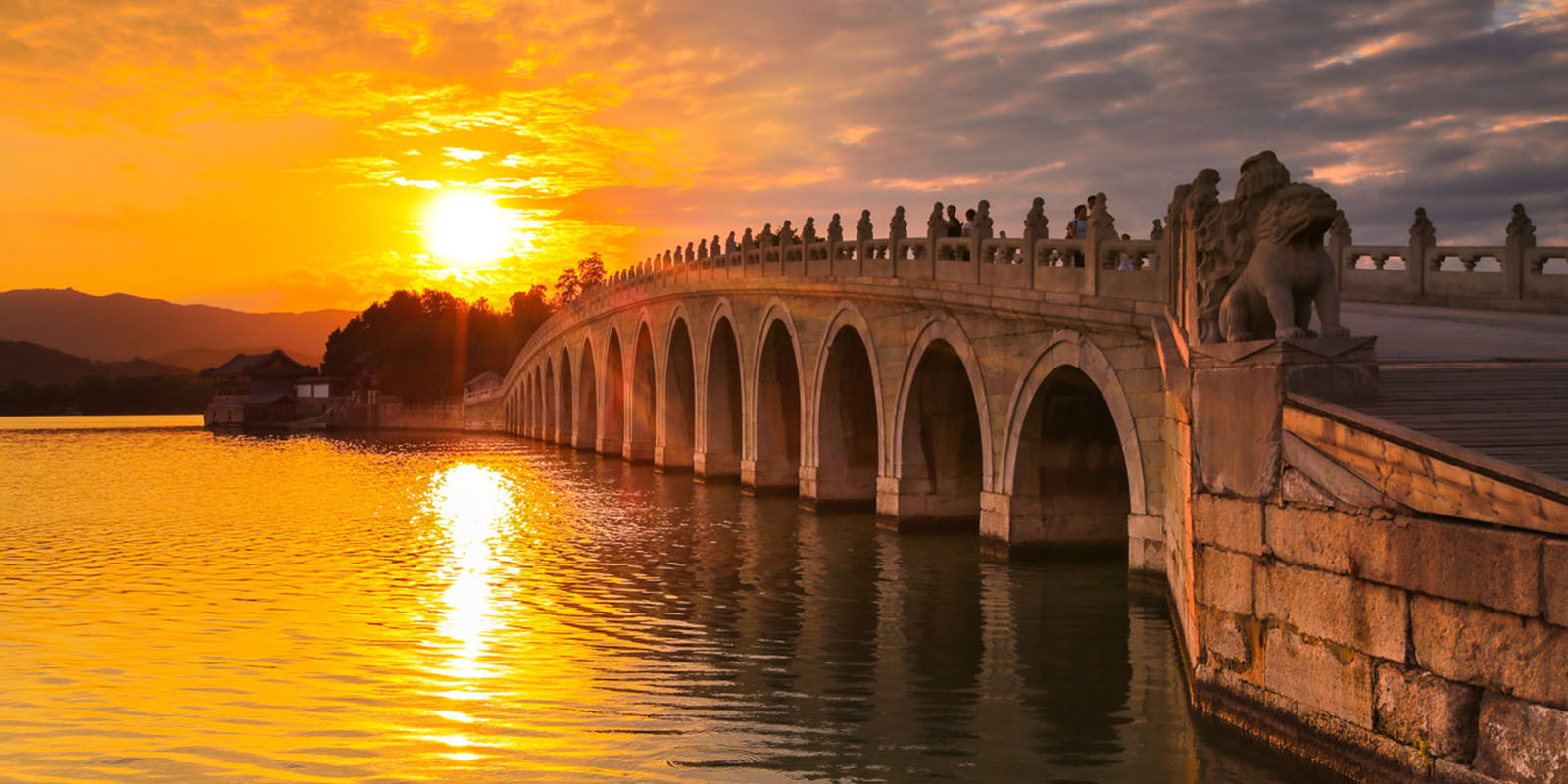
Kunming Lake is located at the center of the park taking up 75% of the park area and is the key landscape element in the Summer Palace. Visitors can take a boat ride on Kunming Lake in summer to see an island temple and three large islands taking the aspect of ancient Chinese symbolic mountain garden design. Towards the south, of which is linked to the East Dike by the Seventeen Arch Bridge. An essential feature is the West Dike with six bridges in different styles along its length.
Longevity Hill
Longevity Hill is a man-made steep hill that rises 60 meters high and sits beside a lake dotted with excellent halls and temples that have superbly decorated gates. It is made out of mound extracted from the area that is the current Kunming Lake.
The Court Area
The Court area is near the East Palace Gate in the palace buildings where Empress Cixi and Emperor Guangxu used to conduct government business. They also used to stay in the area that includes a number of courtyards and halls.
Wenchang Gallery
This is an exhibition of artifacts, relics, jade, furniture and bronze dating back to the Shang dynasty. These materials are collected from imperial families.
The Heralding Spring Pavilion
The Heralding Spring Pavilion is the only pavilion that displays the most stunning and comprehensive view of the whole palace all the way to western mountains. The pavilions name comes from the fact that its the topmost spot where visitors can admire spring colors throughout the palace. It also sits over the water making it more unique surrounded by rocks. Before you reach the pavilion on the path leading to it there are interesting water calligraphers who display their artwork on the pavings.
The Garden of Virtue and Harmony
The Garden of Virtue and Harmony is located on the right of the administrative Hall of Benevolence and Longevity. The garden is an imperial leisure complex and is home to the imposing Grand Theatre. The restored theater in the palace where visitors can sit and watch traditional Chinese performances. Empress Cixi was a fan of the Peking opera and she requested the construction of a performing space that remains to date the country’s largest and most impressive.
Just directly opposite is the ornate Hall of Nurtured Joy, where the Empress Dowager relaxed and watcher performances with his special invited guests.
The Bronze Ox
This bronze ox dates back to 1755 and is located near a pavilion facing Kunming lake with its back inscribed a poem of eighty characters written by the Qianlong Emperor.
The Spacious Pavilion
The Spacious Pavilion is the palace’s largest pavilion amongst all the other pavilions. Inside the pavilion is an impressive work of art and colorful wooden structures.
Marble Boat
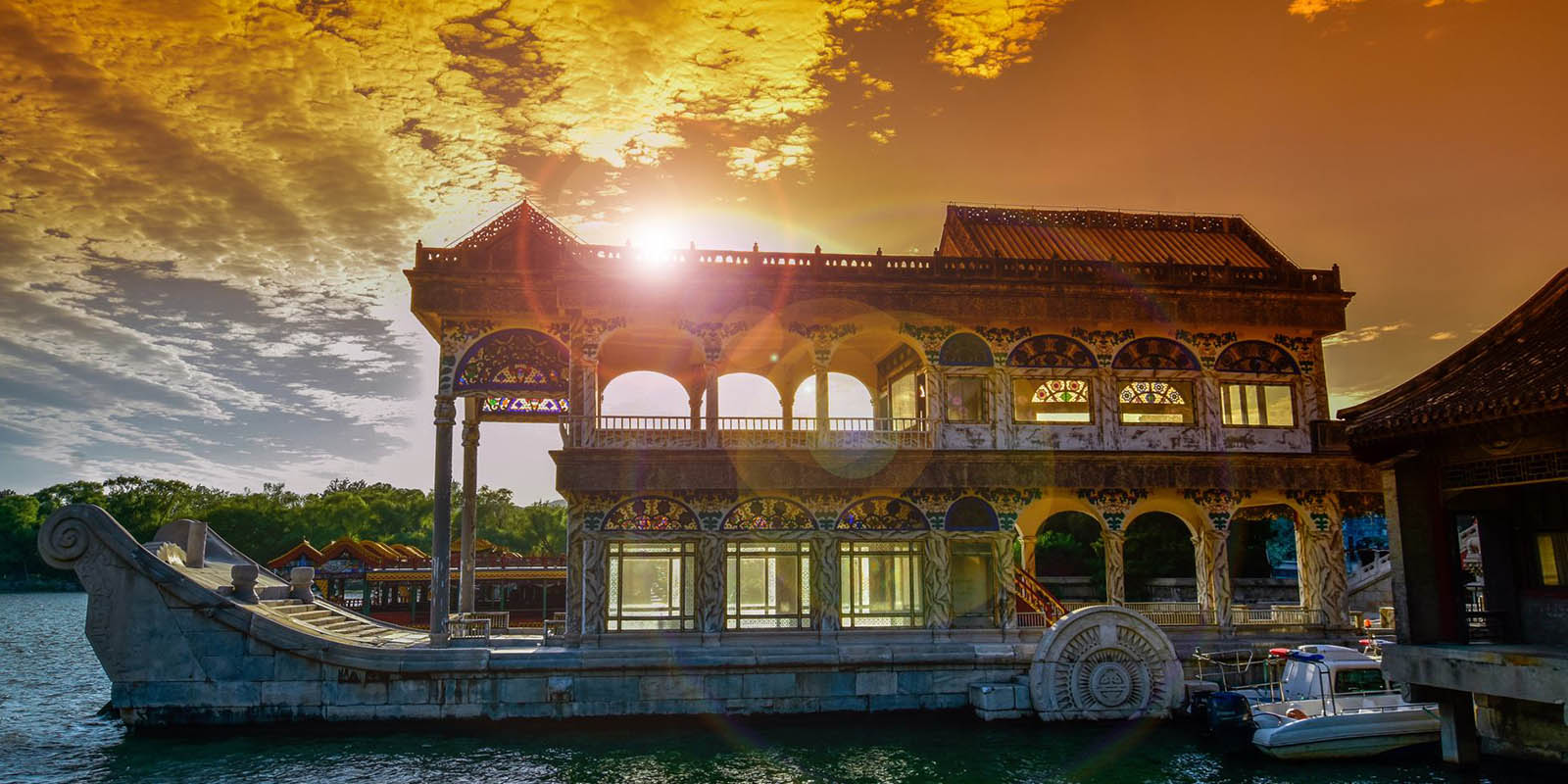
At the northern edge of the lake sits the only western-style building in a very interesting form that is in the shape of a Marble Boat. It was constructed in 1755 but was burned down by the French and Britons in 1860 during the Second Opium War. The current building was reconstructed in 1893 and is decorated with colored bricks, wheels and glass windows.
Suzhou Market Street
Suzhou Market Street was set up during Qianlong’s Emperor resembling the architectural design of the southern city of Suzhou. It was actually built to impress one of the emperors homesick concubines but the strip was damaged by the French and British forces in 1860 and was later reconstructed in 1990. Nowadays it is home to shops and many boats can be seen floating and riding through its 300-meter canal.
Through these boats, there are riverside shops and most of them can only be accessed through boats. Back in the days, emperors and their concubines would pretend to be shopping although everything was bought for them.
South Lake Island
At the south lake island, visitors can get the best view of the Longevity Hill from way across the lake. In addition to this, there is an imperial Hall of Embracing the Universe where locals relax and unwind.
The Jade Belt Bridge
This jade belt bridge is also known as a moon bridge and it features a series of Japanese and Chinese gardens and arches steeply. Looking from a distance the bridge’s arc reflects on the lake creating an illusion of a circle hence the name the moon bridge. The high arch was also set in high levels to allow Qianlong Emperor’s elaborate dragon boat to effectively pass beneath it.
The Four Great Regions
These series of temples combine Tibetan and traditional Chinese architecture mixing color white and red creating the most magical and shimmering buddhas in the midst of steep steps.
The Tower of Buddhist Incense
This majestically decorated Tower of Buddhist Incense is home to an impressive five meter tall Thousand Handed Guanyin Buddha. The tower is very pleasing to look at.
The Sea of Wisdom
This is yet another conspicuous Buddhist monument that is also the highest building in the area. It is characterized by repeating Buddhas both big and small on the inside and its facade is yellow glazed in green.
Baoyun Bronze Pavilion
Located near the Longevity Hill, this pavilion is made of 207 tonnes of bronze and has a blackish green color sitting in the middle of other colorful buildings.
The West Causeway
This West Causeway was built in the same criterion as Hangzhou’s renowned West Lake. This western strip is completely calm and quiet and is lined with pavilions and bridges shaded by the most colorful flowers and green trees.
The Seventeen Arch Bridge
This 150 meter high Seventeen arch bridge is very conspicuous and is decorated by hundreds of lion statues. During summer, the sun shines on this Bridge to form the most auspicious sight.
The Hall of Joyful Longevity
The hall of joyful longevity is set up in a siheyuan style courtyard environment that was built in 1750 as a gift to Emperor Qianlong’s mother 60th birthday. The courtyard was later rebuilt by empress Dowager Cixi after it was destroyed by British and French forces. It is home to an 8 meters wide and 4 meters tall rock that was first discovered in the southwest of Fangshan district by Ming dynasty official and stone enthusiast Mi Wanzhong, who spent all his fortune trying to transport it back to his city residence but he left it halfway due to lack of funds. When emperor Qianlong came across it and saw its resemblance to a renowned fungus perceived to miraculous extend powers, he moved the stone to the summer palace. However, to date many suspicious visitors connect the rock to bad lick and even choose not to take photos with it fearing their own bankruptcy.
Dragon and phoenix statues
This pair of bronze statues are located on either side of the entrance as it is traditionally with the Chinese customs representing the empress and the Phoenix represents the power that empresses Cixi held.
Hutong
Hutongs
Introduction
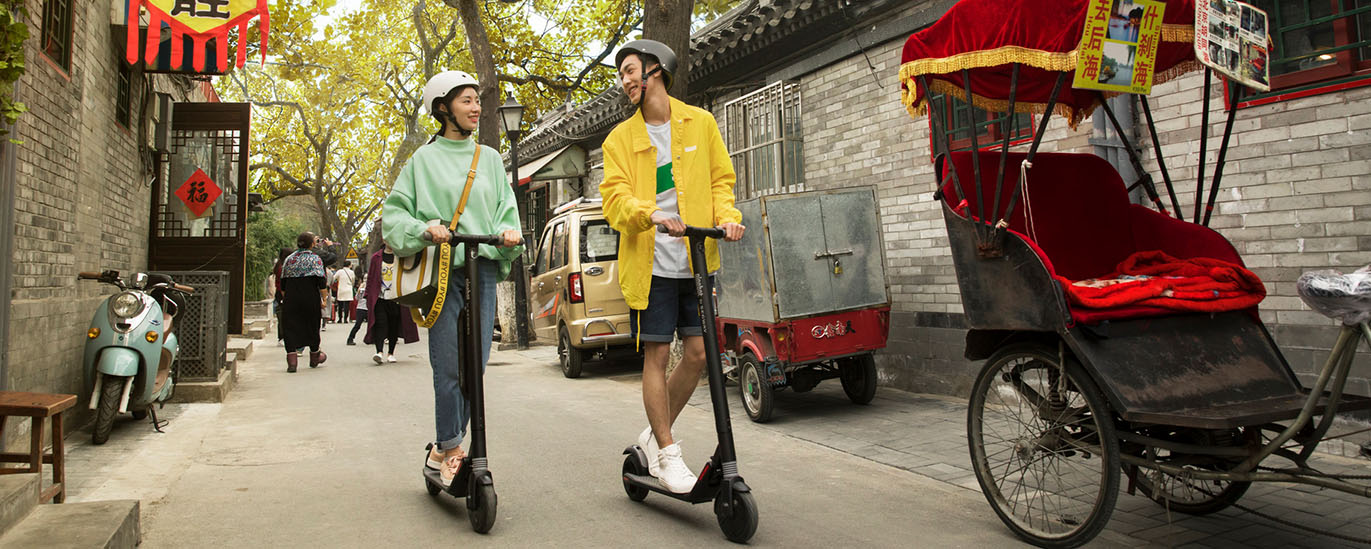
A Hutong is a local name given to a narrow lane or small street between rows of single storey houses where Beijingers lived in the past. These Hutongs were built hundreds of years ago during the Ming and Qing dynasty era between 1368 and 1912 and up to date retain the same traditional culture and way of life of the past times.
These hutongs are as little as 40 centimeters to as wide as 10 meters. The compounds that line the alleys are known locally as "siheyuan" meaning four joined-together courtyards. They are mainly old buildings taking a four-sided layout enclosed by a wall. These dwellings give an insight to the ancient lifestyle of typical locals and have gained a great appeal to tourists who wish to witness first hand the evolution of locals from a simple lifestyle to the rapid urbanized that is China today. The hutong streets and alleys crisscross with each other and meander in confusing ways. It is fun to walk around them trying to uncover and figure them out.
In 1215 Mongolians captured the Beijing area and started to build the Yuan Empire in 1271 and during this time, a 36-meter wide road was a standard street, an 18-meter wide road was considered a small street and a 9-meter wide road was named a Hutong. Therefore the word hutong originated from the Mongolian word hottog that means water well. In ancient times, villagers dug a well and then lived around it.
In the Ming and Qing Dynasty reign, wealthy families like the Qiao Family built their siheyuan compound close to the Forbidden City along hutong lanes and as time passed their number gradually increased. In Beijing, there are many hutongs but all of them maintain a unique charm that keeps attracting tourists all year round. As time went by due to urban development and in the process of giving way to building roads, the number of hutongs rapidly decreased. The remaining ones like Nanluoguxiang and Yandaixiejie Street are remaining ideal hutong destinations for most foreign visitors and Jiuwan and Wudaoying Hutong are the best destinations for sightseeing, shopping, unwinding and trying local delicacies and traditional tea. Now, these courtyards are preserved and most of them are even under the protection of the government.
Things to see and do on a visit
Take a Hutong tour by rickshaw
Riding a rickshaw is the best way to comfortably take a close glance at the traditional settings in a short time but visitors who wish to take a walk by foot or rent a bike can also appreciate the simple and tranquil atmosphere of the traditional settings with locals going by their day to day life.
Visit family’s run restaurants
Visitors who wish to interact on a more personal level with the locals can visit family-owned restaurants where they can learn cooking skills and their meal preferences with regards to health philosophies followed by Chinese locals.
Explore the hutongs at night to hunt for traditional Beijing snacks and eateries
Wudaoying hutong and Baocaho hutong offers a peaceful and quiet destination for visitors who want to catch up, relax or read a book as they savor local snacks, meals, coffee and traditional Chinese tea. There are brunch deals in many of its restaurants and cafes with a wide variety of international cuisines. For visitors who want to try local dishes, there are noodles and dumplings amongst many other local dishes.
Shop at interesting shopfronts
Nanluoguxiang has small thrift shops and brand name stores where people can shop for a variety of interesting souvenirs.
Enjoy quality drinks in hutong cafés and bars
In Fangjia Hutong and Nanluoguxiang Hutong visitors can relax in quiet cafes and bars as they unwind and catch up in the midst of the spirit of local life enjoying locally brewed beers from Peiping Machines and extra large cocktails in stylish bars and cafes. There are live music bands and performances in some of the restaurants.
 Home
Home


