


Email: info@chinavisafreelayovertour.com
Phone: +86-13683536536
WhatsApp/iMessage: +86-13683536536
WeChat: +86-13683536536

Member
Hefang Street Details

Tour Code : C0080
Type : Historic sites
City / Province : Hangzhou
Built in : 2002
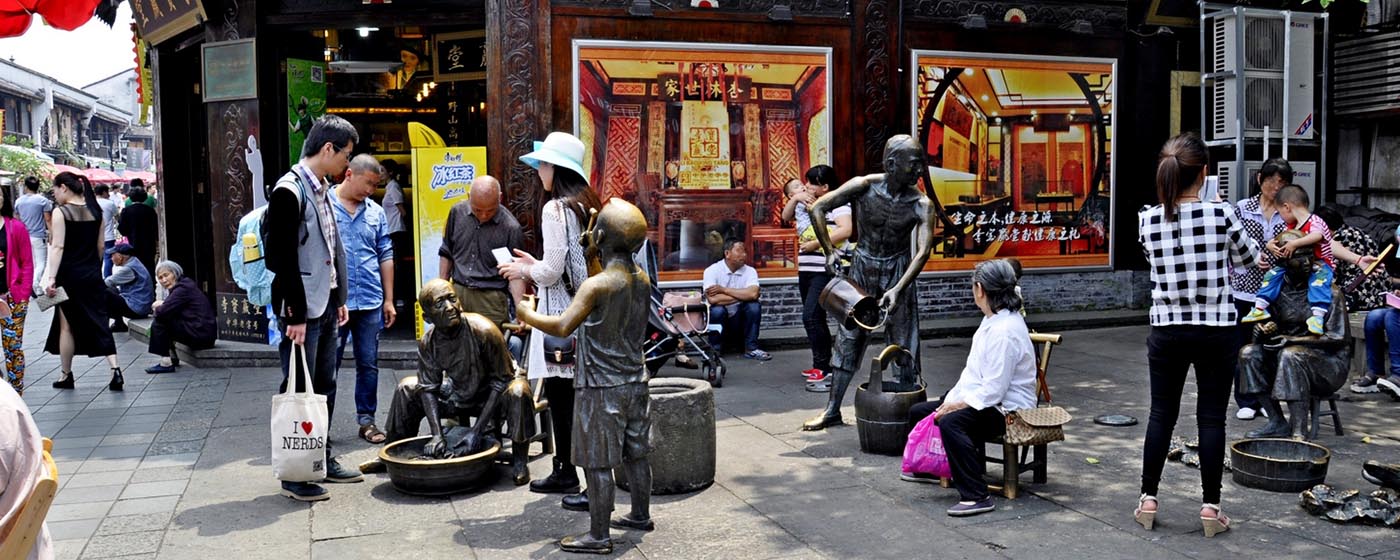
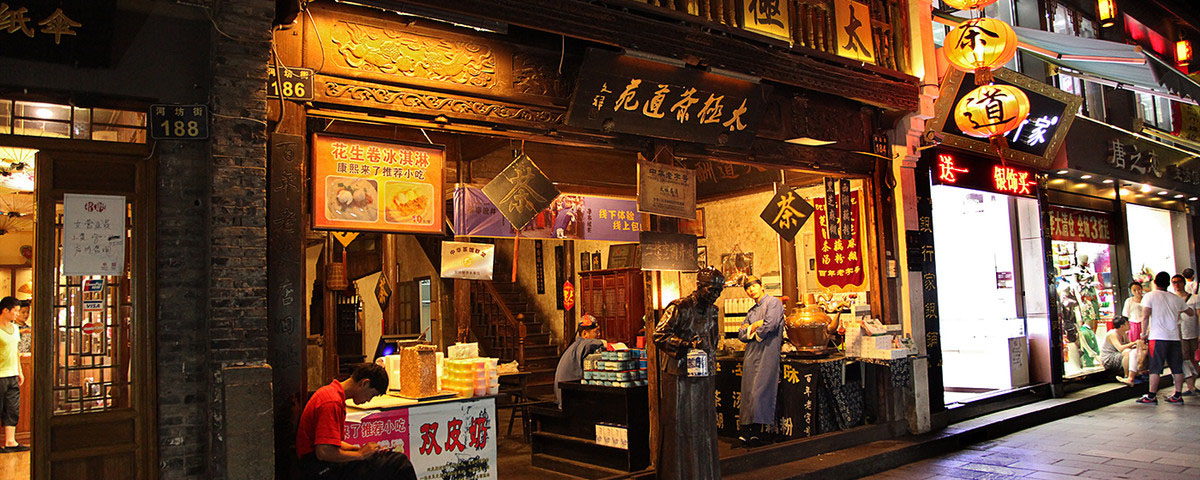
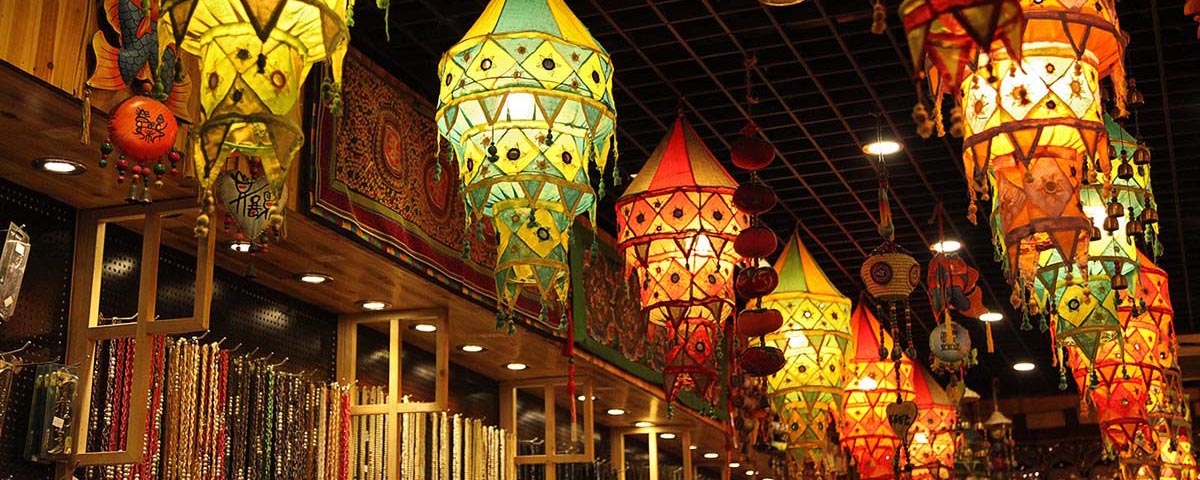
Take a stroll at the most prosperous business area and historical cultural street area that is home to stores that are more than 100 years old to discover traditional arts and crafts, traditional Chinese medicine culture, drink the famous Longjin tea, taste famous dishes and have fun playing dress up.
Hefang Street
Hefang Street
Introduction
Hefang Street was known as Taiping Street when Hangzhou was the capital city during the Song Dynasty. The street came to existence when General Zhang Jun became Qinghe County King and begun to build a mansion on Taiping street that is when people renamed it to Hefang Street. During the South Song Dynasty, the street became a prosperous business site and the center of culture and politics. To date, it is believed that Zhang Jun invited Emperor Gaozhong for an unprecedented feast of China’s history in Qinghe Street and the menu that was served at the feast became what is today’s Hangzhou Dishes.
Hefang Street now represents the old story of Hangzhou and showcases its folk culture. Its cobbled street are lined with time-honored stores from where visitors can get an understanding of ancient Hangzhou and Ancient China practices.
Things to see and do on a visit
Traditional Chinese Medicine Culture
Hefang Street is the first option for visitors in Hangzhou who wish to learn more about the traditional Chinese medicine culture. During ancient times traditional Chinese medicine halls were set up on this still and still survive to date. Visitors can visit Baohe Tang, Fanghuichun Tang, Hu Qing Yu Tang and Yezhongde Tang.
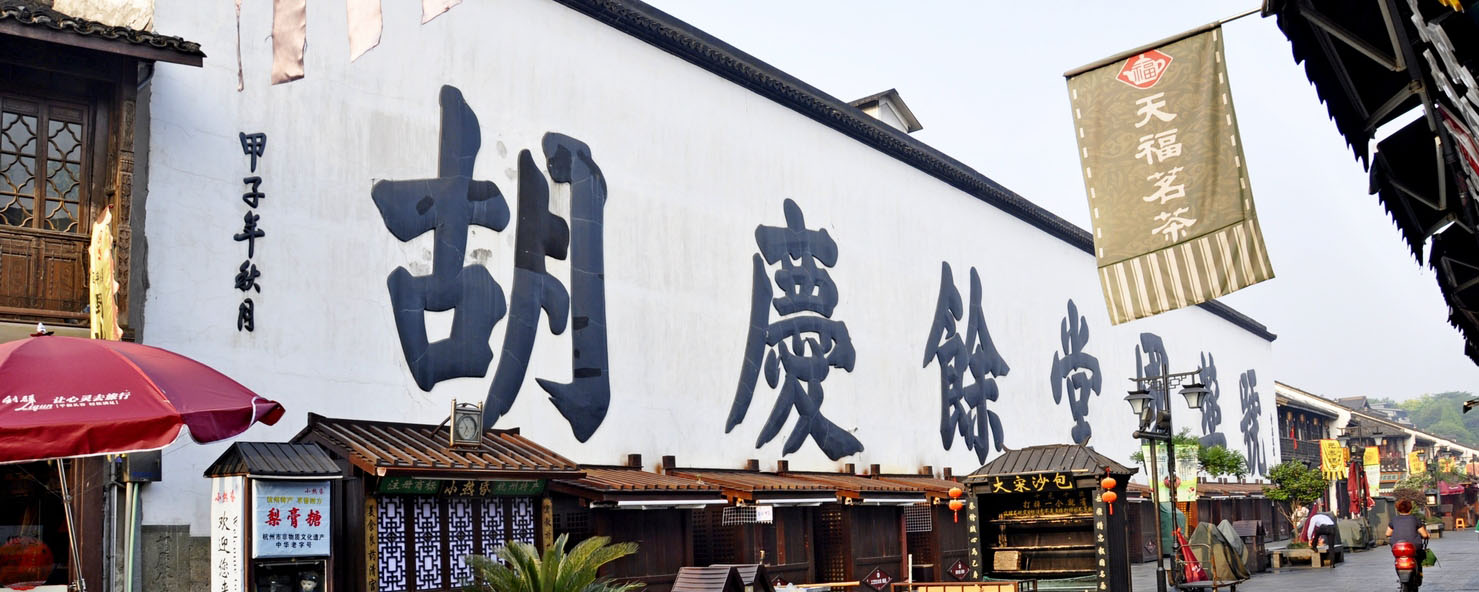
Hu Qing Yu Tang
Hu Qing Yu Tang is a combination of a museum and a traditional Chinese medicine shop built in 1874 by Hu Xueyan and occupying an area of over 4,000 square meters. Inside the building, visitors can see a unique layout, the great hall and exquisite carvings. In addition, there are materials to read about the essence of Chinese medicine treasure, anecdotes of renowned Chinese doctors and learn about traditional pharmaceutical technology
Baohe Tang
Baohe Tang is also a herbal medicine shop with more than a thousand years. At Baohe Tang visitors can see a renovated building with medicinal liquor and medicinal tea on offer. The medical center provides treatment and medicines to poor people for free and has a good reputation in Qinghefang Ancient Street. Legend had it that an apprentice at Baohe Tang known as Xu Xian met Lady White at West Lake and began a sad but sweet love story. The bronze statue of Xuxian is located at the front of Baohetang.
Visiting Interesting Museums
Hefang Street is home to interesting museums and exhibition halls where visitors can get to learn about Hangzhou art and culture.
Zhu Bingren Copper Sculpture Museum
This museum is an honored Jiangnan Copper House where everything apart from its floor and wall are made out of copper weighing up to 56 tonnes. It is the only museum in China that focuses on copper sculpturing. The museum occupies an area of 3,000 square meters displaying Jiangnan style during the Ming and Qing Dynasty. Visitors get a strong feeling of copper culture visiting the museum with beautiful copper statues, copper paintings and calligraphies and copper murals.
Elegant Handicrafts
Hangzhou is the "capital" of knives, fans, umbrellas and scissors. At Hefang Street there are stores of Zhang Xiaoquan Scissors and Wangxingji Fans.
Midachang Store
Midachang Store there is an exhibition hall for tobacco where visitors can learn about the history and culture of tobacco and smoking set. At the center of the main hall, there is an enormous tobacco stem weighing 102.5 kilograms and is 5.06 meters high. At the exhibition hall smoking sets from different periods of time and districts are on display amongst many other exhibitions.
Wuyue Family shop
Wuyue Family shop in Hefang Street sells merchandise for daily use and clothing supplies made from a piece of cloth known as Medicine Spot Cloth which constitutes of big blue pieces of clothes that are designed in white weaved with pure cotton obtained from indigo plants. This unique and elegant design of cloth is loved by many tourists people buy it as souvenirs. At the exhibition hall of the sores, visitors can watch the process of spinning, weaving and embroidering.
Former Residences
In Hefang visitors can see residences of former celebrities that are now open to the public including Hu Xueyan’s Former Residence, Yu Qian’s Former Residence and Yu Dafu’s Former Residence.
Hu Xueyan was born from a humble and poor family but he gained good character and as he was setting up Hu Qing Yu Tang his business developed well until his career reached a peak that is when he built his own mansion blending traditional Chinese and western architectural features displaying magnificent creativity. There are pavilions, rockeries, wood carvings, paintings, calligraphy, towers, bridges and corridors to create a garden-like environment in this Former Residence.
Another residence is Yu Qian’s residence: a famous official and a national hero in the Ming Dynasty. His devotion to the country and people during his time of service made him very famous. Unlike Hu Xueyan’s Former Residence, Yu Qian’s Residence is very simple and unadorned. Visitors notice that when they set foot into the yard they can have a panoramic view of the whole residence. There is one well, one tablet, one pool, one room, one hall and two pavilions. There is also a household poem carved on a screen wall describing his integrity and workmanship.
Exquisite Art
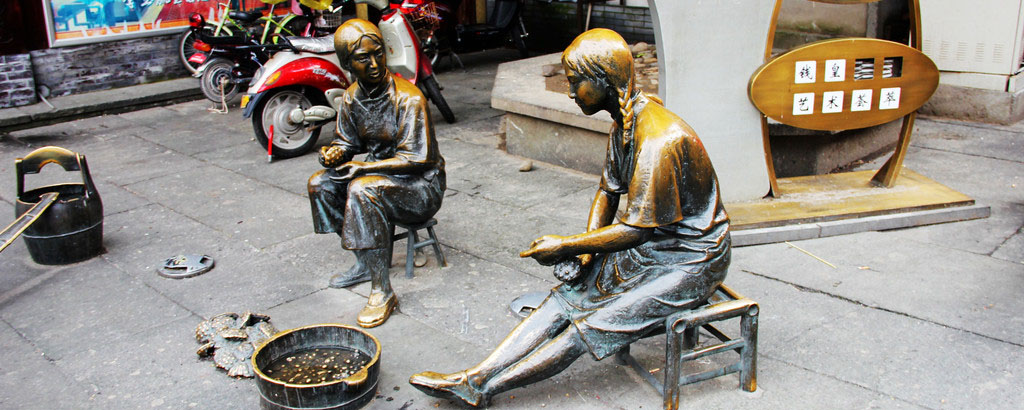
On the street, there are countless roadside markets where visitors can shop either during the day or at night. There are colorful paintings, handicrafts, candy, tasty snacks, lively figurines and sweet beverages ready for visitors to savor and feast their eyes. Visitors can also buy souvenirs and gifts for family and friends.

Got Question & Quick Answer


©2013- www.chinavisafreelayovertour.com

Introduction

Recommend Tour

FAQ
 Home
Home



Entertainment :
Cultural Value :
Environmental Quality :