


Email: info@chinavisafreelayovertour.com
Phone: +86-13683536536
WhatsApp/iMessage: +86-13683536536
WeChat: +86-13683536536

Member
 Shanghai Airport Layover Tour
6 Days Shanghai Suzhou Hangzhou Tour Package with Airport Transfer
Shanghai Airport Layover Tour
6 Days Shanghai Suzhou Hangzhou Tour Package with Airport Transfer
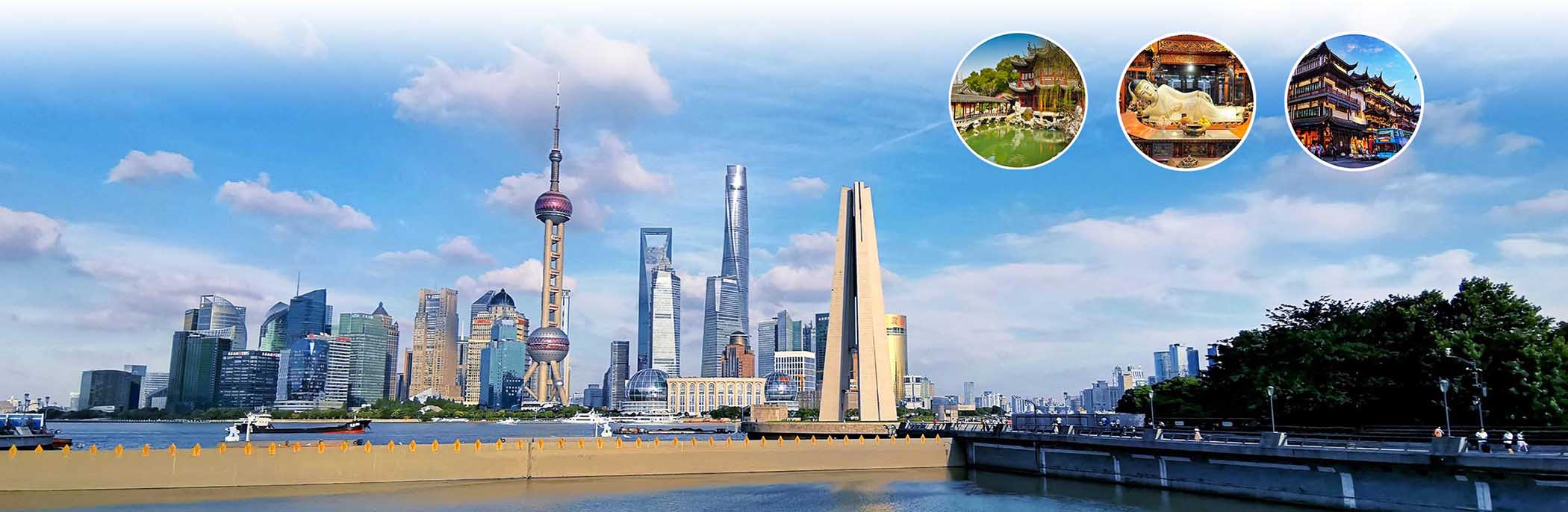
Shanghai Pudong Airport Layover Tours
Shanghai Hongqiao Airport Layover Tours
Private Tour
1 Person $1404
2 Person $853
3 Person $662
4 Person $645
5 Person $565
6 Person $523
7 Person $477
8 Person $454
9 Person $422
10 > Person $393
Price Per Person in USD

Travel personnel
Number of rooms
Price : $1269
Are you going to have a long layover in Beijing? Take the best chance to know and visit the most famous, historical and cultural sites in Beijing, such as the Tiananmen square (the most important square in the whole China), the Forbidden city (ancient home of emperors) and Mutianyu Great Wall (one of the new 7 wonders of the world). Our professional tour guide and driver will pick you up at the airport, we will take you for a quick Beijing tour and get you back on time for your next flight. booking this layover tour can be a memorable part of your epic trip!
Tour Itinerary
Travel Calendar


Day 1 Arrival in Shanghai
Airport Pickup, Transfer to Hotel in Shanghai
Your friendly tour guide and driver will hold your name board and greet you at the arrival hall exit of Shanghai Pudong International Airport. (You will need about 1-1.5 hours to finish the customs clearance and get out)
Your friendly tour guide and driver will hold your name board and greet you at the arrival hall exit of Shanghai Pudong International Airport. (You will need about 1-1.5 hours to finish the customs clearance and get out)
~ 1.5 h : Transfer to Hotel in Shanghai
 Your friendly tour guide and driver will hold your name board and greet you at the arrival hall exit of Shanghai Pudong International Airport. (You will need about 1-1.5 hours to finish the customs clearance and get out)
~ 1.5 h : Transfer to Hotel in Shanghai
Your friendly tour guide and driver will hold your name board and greet you at the arrival hall exit of Shanghai Pudong International Airport. (You will need about 1-1.5 hours to finish the customs clearance and get out)
Day 2 Shanghai-Suzhou by Private Vehicle
Humble Administrator's Garden, Lunch, Pingjiang Road, Panmen City Gate, Transfer to Hotel in Suzhou

~ 2 h : Drive to Humble Administrator's Garden
~ 2 h : Visit Humble Administrator's Garden
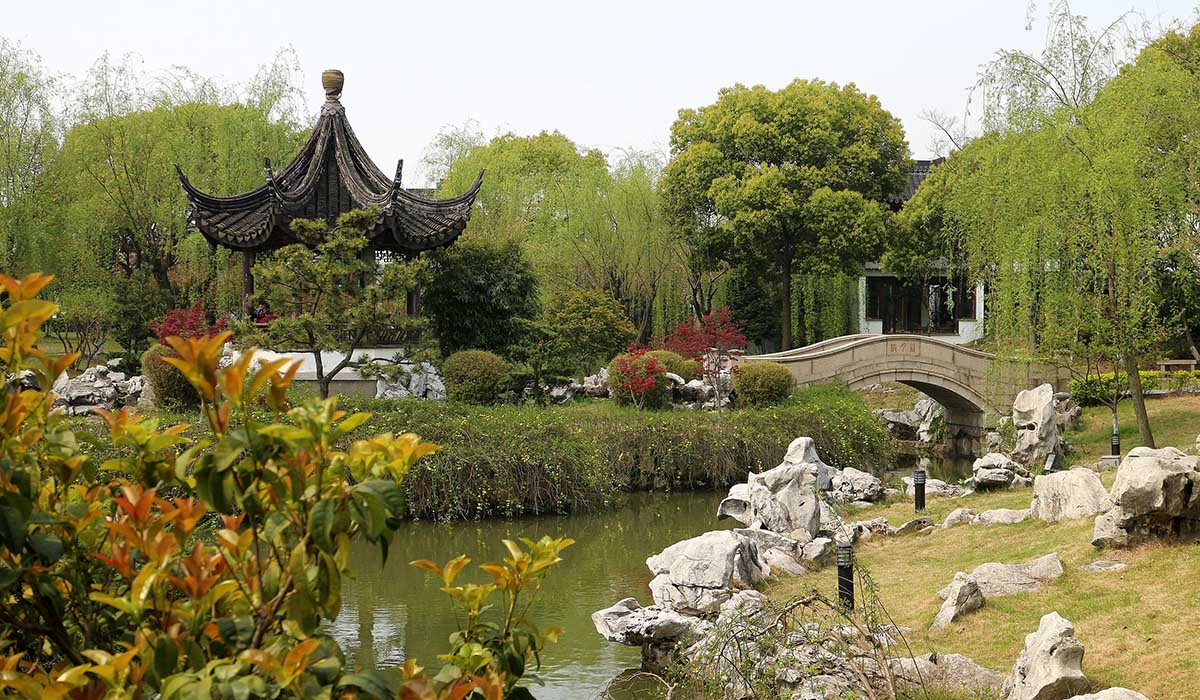
Starting with an early morning pick up from your hotel and head to Suzhou, first stop today is the famous Humble Administrator’s Garden. Enjoy the harmony of rockeries, pines, pools, bamboo groves and pavilions in this garden as passing through the narrow path and corridors.
~ 15 mins : Drive to Lunch
~ 1 h : Lunch
Enjoy a delicious meal at a local restaurant.
~ 10 mins : Drive to Pingjiang Road
~ 1 h : Visit Pingjiang Road
Watch elegant residence buildings and rolling boats as walking on the stone-paved ancient street, get to know the lifestyle of local people and experience the tranquility of this place.
~ 20 mins : Drive to Panmen City Gate
~ 1 h : Visit Panmen City Gate
This historical landmark Panmen City Gate is equipped with all defensive systems such as shooting holes, sluice gateways and lookout towers, which will definitely surprise you when exploring this ancient building.
~ 0.5 h : Transfer to Hotel in Suzhou
~ 0.5 h : Transfer to Hotel in Suzhou
Day 3 Suzhou-Hangzhou by Private Vehicle
Tongli Water Town, Lunch, Hefang Street, Transfer to Hotel in Hangzhou
~ 1 h : Drive to Tongli Water Town
~ 2.5 h : Visit Tongli Water Town
After an early morning pickup from the hotel by the tour guide and driver, enter a world of wonders in a system of canals bringing out Venice vibes at Tongli Water Town, discover friendly people, historic sites and deep-seated traditions on this water town, enjoy the charming waterways and historic bridges, and explore local shops.
~ 0 h : Drive to Lunch
~ 1 h : Lunch
Enjoy delicious lunch at a local restaurant.
~ 2 h : Drive to Hefang Street
~ 1 h : Visit Hefang Street
Head out to Hefang Street to explore the wealth of history and explore Hangzhou local food and various unique shops here.
~ 0.5 h : Transfer to Hotel in Hangzhou
~ 0.5 h : Transfer to Hotel in Hangzhou
Day 4 Hangzhou-Shanghai by Private Vehicle
Lingyin Temple, West Lake, Lunch, Transfer to Hotel in Shanghai
~ 0.5 h : Drive to Lingyin Temple
~ 2 h : Visit Lingyin Temple
After picking up from the hotel, head to Feilai Peak and Lingyin Temple. Enjoy marvellous Buddhist sculptures and engravement dating back to the 10th century. As one of the famous Buddhist temple, it attracts many prayers and travelers every year.
~ 20 mins : Drive to West Lake
~ 2 h : Visit West Lake
Take a boat ride on West Lake to see some of the top ten attraction areas of the lake, such as Spring Dawn at Su Causeway, Melting Snow on Broken Bridge and the Three Pools Mirroring the Moon. Enjoy beautiful landscape of West Lake and relax in the holiday.
~ 10 mins : Drive to Lunch
~ 1 h : Lunch
Enjoy tasty meal in a local restaurant.
~ 3 h : Transfer to Hotel in Shanghai
~ 3 h : Transfer to Hotel in Shanghai
Day 5 Shanghai
Shanghai Museum, Yu Garden, City God Temple Bazaar, Lunch, Bund, Shanghai Tower, Transfer to Hotel in Shanghai
~ 0.5 h : Drive to Shanghai Museum
~ 1.5 h : Visit Shanghai Museum
You will start off the tour at the Shanghai Museum which possesses a collection of 120,000 precious artwork, appreciate rich and high-quality collection of ancient Chinese bronze, ceramics, painting and calligraphy etc.
~ 0.5 h : Drive to Yu Garden
~ 1 h : Visit Yu Garden
Proceed to the 400-year-old Yu Garden and appreciate the beauty of sophistication in the art of combining numerous elements creating a world in miniature.
~ 0 h : Drive to City God Temple Bazaar
~ 1 h : Visit City God Temple Bazaar
Head over to the City Gold Temple Bazaar, wander around this famous food paradise and explore traditional souvenirs in the shops.
~ 10 mins : Drive to Lunch
~ 1 h : Lunch
Enjoy tasty lunch and take a short break.
~ 15 mins : Drive to Bund
~ 45 mins : Visit Bund
Later, stroll along the Bund, the landmark of Shanghai, and admire multinational classical buildings complex.
~ 10 mins : Drive to Shanghai Tower
~ 1 h : Visit Shanghai Tower
View the modern skyscrapers complex in Pudong New Area, you can visit the Shanghai Tower for bird-view of the city and experience the rapid development of China.
~ 0.5 h : Transfer to Hotel in Shanghai
~ 0.5 h : Transfer to Hotel in Shanghai
Day 6 Departure from Shanghai
Transfer to Airport
~ 1.5 h : Transfer to Airport
Be transferred to the airport, have a nice journey!
~ 1.5 h : Transfer to Airport
Be transferred to the airport, have a nice journey!
Day 1
Arrival in Shanghai
Breakfast ✘
Lunch ✘
Dinner ✘
Shanghai Pudong Airport Layover Tours: Your friendly tour guide and driver will hold your name board and greet you at the arrival hall exit of Shanghai Pudong International Airport. (You will need about 1-1.5 hours to finish the customs clearance and get out)
Shanghai Hongqiao Airport Layover Tours: Your friendly tour guide and driver will hold your name board and greet you at the arrival hall exit of Shanghai Pudong International Airport. (You will need about 1-1.5 hours to finish the customs clearance and get out)
Transfer to Hotel in Shanghai:
Day 2
Shanghai-Suzhou by Private Vehicle
Breakfast ✘
Lunch ✔
Dinner ✘
Humble Administrator's Garden:
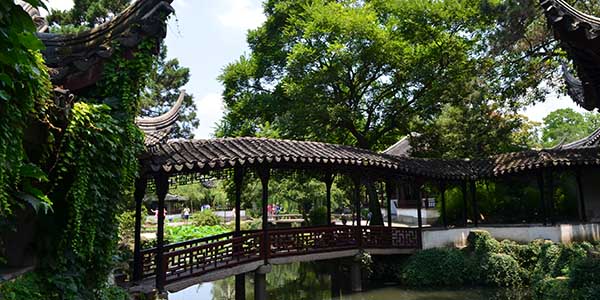
Explore the head of Four Famous Gardens in Suzhou and one of UNESCO World Heritage Site
Enjoy the amazing landscapes in a perfect combination of ancient buildings
Pingjiang Road:
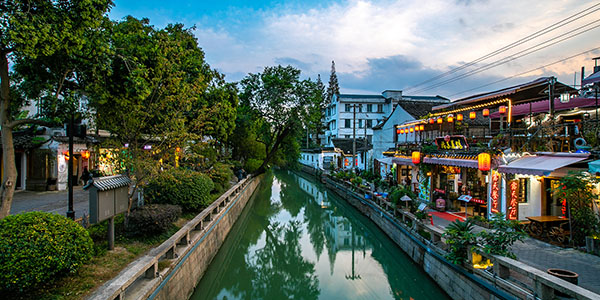
Enjoy unique handicrafts and explore authentic local food
Immerse in the harmonious image combining from ancient architecture, bridges, narrow paths, canals
Panmen City Gate:
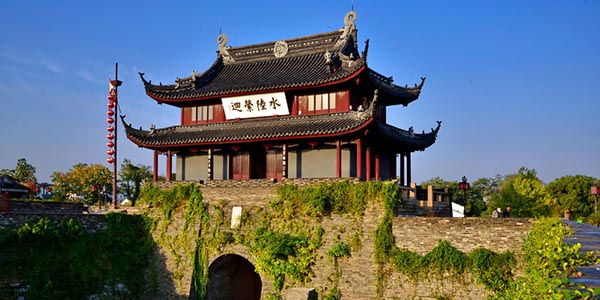
Astonished by the the oldest city gate and the only existing land and watergate in China
Enjoy marvellous views and explore ancient part of Suzhou
Transfer to Hotel in Suzhou:
Day 3
Suzhou-Hangzhou by Private Vehicle
Breakfast ✘
Lunch ✔
Dinner ✘
Tongli Water Town:
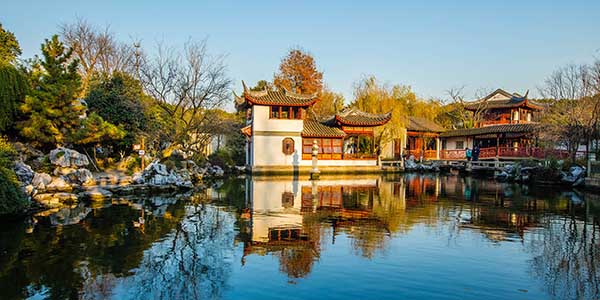
Marvel at picturesque Oriental Venice
Enjoy tranquility and explore the ancient history
Hefang Street:
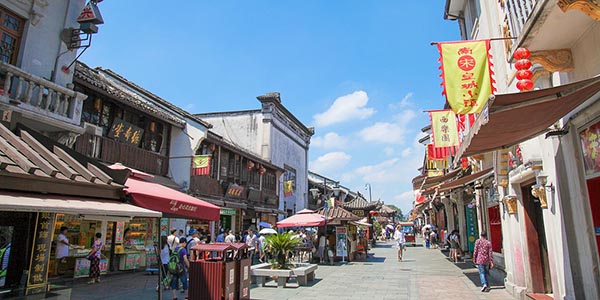
Most prosperous business area and historical cultural street area
Taste famous dishes and have fun playing dress up
Enjoy drink the famous Longjin tea
Transfer to Hotel in Hangzhou:
Day 4
Hangzhou-Shanghai by Private Vehicle
Breakfast ✘
Lunch ✔
Dinner ✘
Lingyin Temple:
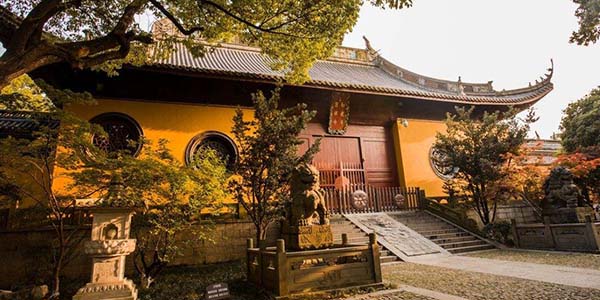
Enjoy vivid like Buddhist statues and exquisite stone carving
Explore Chinese Buddhist culture
Watch the pious chanting monks and worshipping prayers
West Lake:
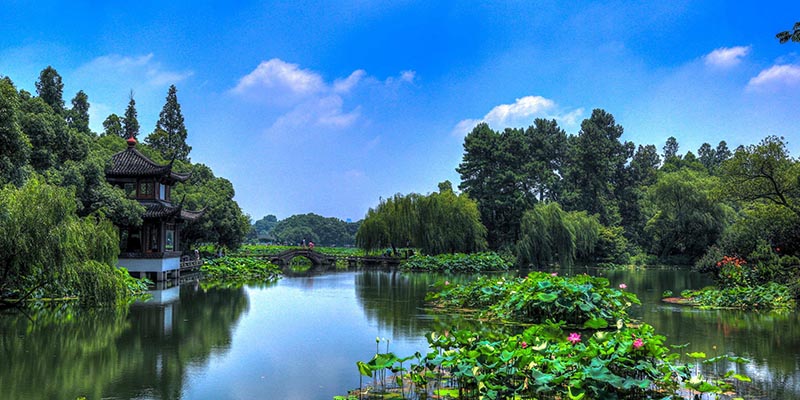
Enjoy intoxicating view while taking a scenic boat
Touched by renowned Chinese romantic legendary story
Transfer to Hotel in Shanghai:
Day 5
Shanghai
Breakfast ✘
Lunch ✔
Dinner ✘
Shanghai Museum:

Explore beautiful bronzes, ceramics, jade, calligraphy, paintings etc
Experience the splendid of Chinese history and culture
Yu Garden:

Appreciate top-rated and charming Yu Garden
Inhale the fresh air and have a relaxing walk
City God Temple Bazaar:

Explore various street food and traditional souvenirs
Appreciate quaint Chinese architecture
Bund:

Enjoy exotic buildings and surrounding sprouting skyscrapers along the Bund
Appreciate the incredible amazing view
Shanghai Tower:

The world's second tallest building after Burji Khalifa
Experience the world's fastest elevator ride up to the top floor
Transfer to Hotel in Shanghai:
Day 6
Departure from Shanghai
Breakfast ✘
Lunch ✘
Dinner ✘
Shanghai Pudong Airport Layover Tours: Be transferred to the airport, have a nice journey!
Shanghai Hongqiao Airport Layover Tours: Be transferred to the airport, have a nice journey!
Includes & Excludes
Entrance tickets
Private vehicle and driver
English speaking tour guide
Lunch as listed
Airport pickup and drop off
One bottled water per day per person
West Lake cruise
Tipping to tour guide and driver
Dinner
Hotel
Booking Notes
Layover Private Tour:
The private tour is only for you and your team, no need to wait for other travelers. Time-saving.
More flexible for picking up time according to your flight arrival time, will send you back to the airport or hotel according to your request.
You can decide how long you will spend on each site.
If flight delayed, your private tour guide will wait until seeing you at the airport.
Can customize tour itinerary according to your interests
Payment Methods
The tour must be booked on the website in advance, and you can pay full payment or a half deposit through Paypal or optional credit card. Confirmation will be received at the time of booking.
How to Apply for 24/144 hours Visa-Free Transit Permit at Shanghai Pudong/Hongqiao International Airport?
Please click here to know more information on applying for visa-free transit permit at the airport step by step.
Cancellation Policy
If you inform us at least 24 hours in advance before the scheduled pick-up time, there is no cancellation fee.
If you inform us within 24 hours in advance, 100% cancellation fee.
Reviews

 Review
 Review

benniejay
Yes everything was spectacular and fascinating very professional and prompt services. There were beautiful places to explore and to see in the 4 hours that we had. The comfort and beauty of the China was incredible, The history, culture and way of life of the local people we bumped into during the layover was beyond our expectations. Hiking on the Great wall after driving through a small remote countryside was very relaxing and rejuvenating. It was the best trip ever to experience on a few hours.
We had not previously used a travel agency for touring. The crew including the driver and tour guide were really funny, friendly and knowledgeable. Despite having limited time we still had free time allowing for shopping and grabbing a meal and drinks. Highly recommend this layover in Beijing. Show less

mirceao455
Bucharest, Romania
Great, compact, amazing tour. Our guide Jenny did the best to show us the most important attractions in Beijing in just a 2 day tour. I recommand her tours, she is great with groups, friendly and well prepared. Show less
More
2funworldtravers
Mike and Karen, Tucson, Arizona Show less
More
pedro148595
Highly recommend for everyone coming to Beijing Show less
MoreFAQ
Got Question & Quick Answer


©2013- www.chinavisafreelayovertour.com

Price

Itinerary

Booking Notes

Reviews

FAQ

User Name:
Email:
Password:


Confirm Password:
Verification Code:
Email:
Password:
Email:
New Password:
Confirm Password:
Verification Code:


Humble Administrator's Garden
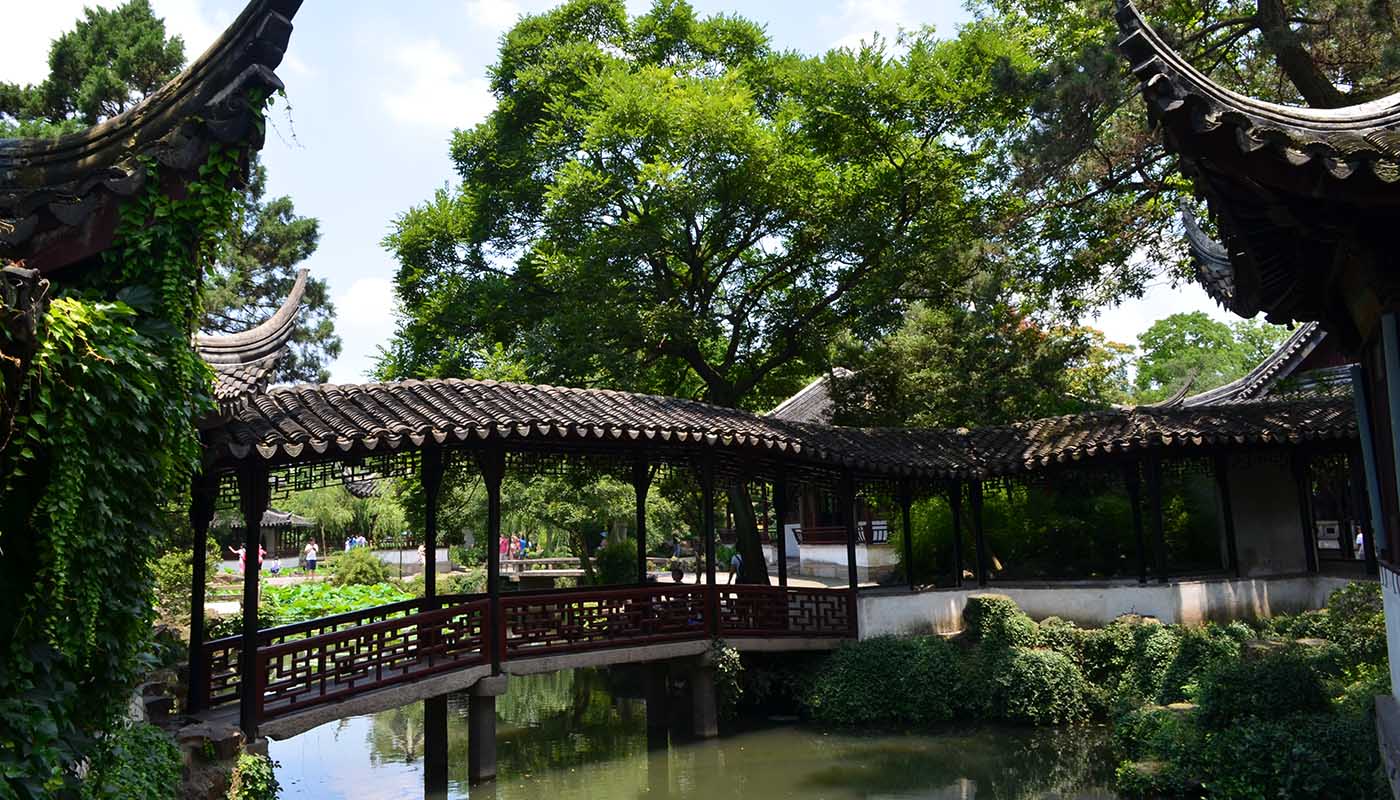
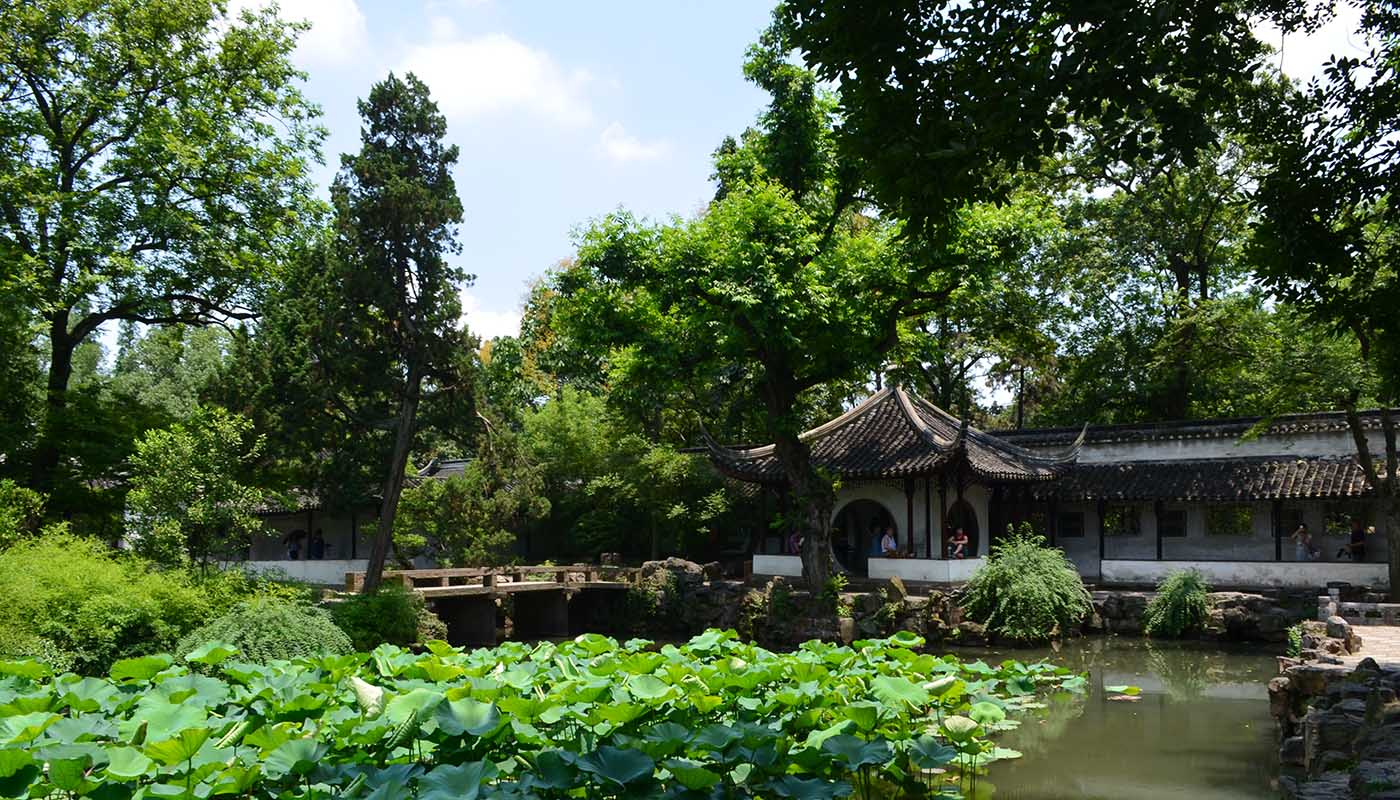
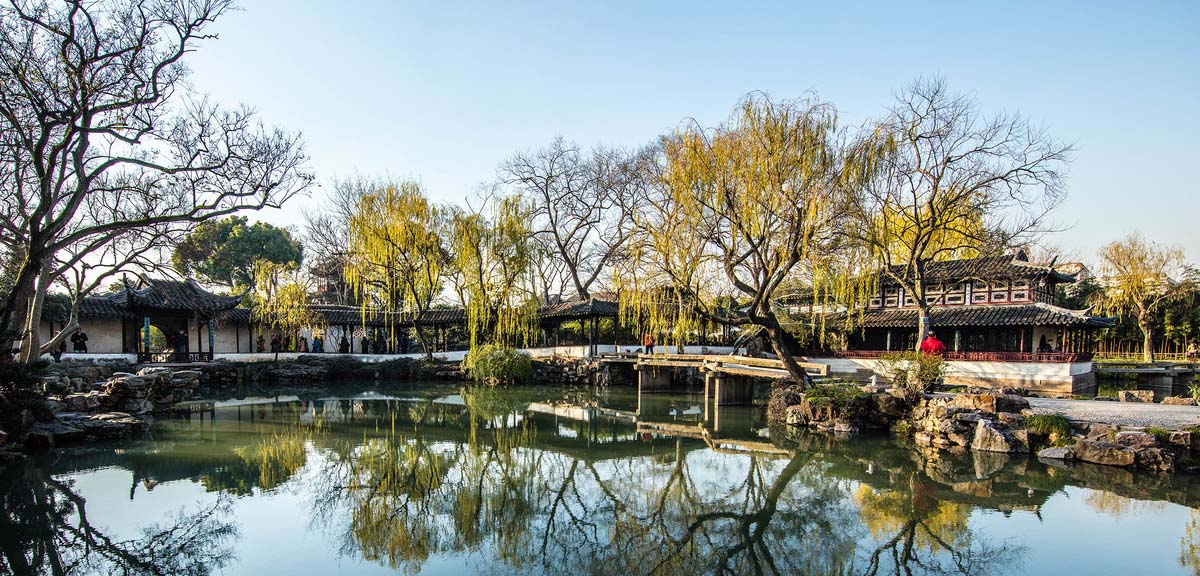
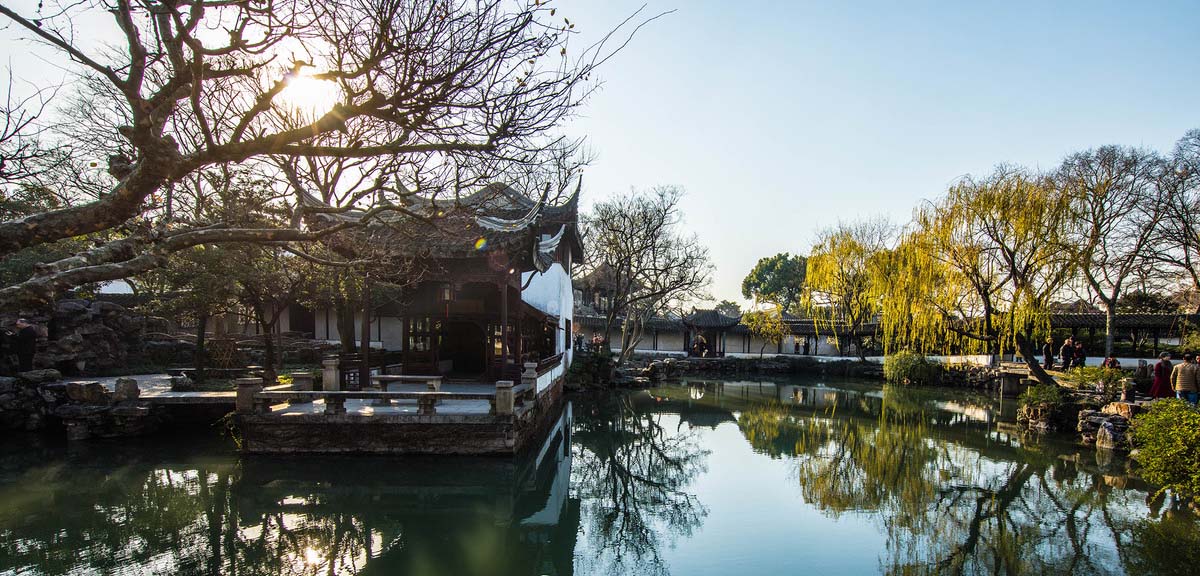
Humble administrator’s garden
Introduction
The Humble Administrator’s Garden is one of four other famous gardens in China like the Summer Palace in Beijing, the Mountain Resort of Chengde in Hebei Province and the Lingering Garden in Suzhou. It covers an area of 52,000 square meters making it the largest garden in Suzhou containing almost all the features of classical Suzhou gardens. The garden has also been listed as a World Cultural Heritage site and has been designated as one of the Cultural Relics of National Importance under the Protection of the State as well as a Special Tourist Attraction of China.
The Humble Administrator's Garden was initially built in 1509 during the Ming Dynasty (1368-1644) as a private garden of a former government servant, Wang Xianchen. The residence was built from what used to be a Taoist Temple with old relics. Wang chose to go build the garden and practice farming and especially gardening because his career was very frustrating and draining. He was a simple and humble man hence the name of the garden.
The garden featured representative Ming Dynasty work including man-made pavilions, parlors, halls and a natural water background with rock formations, hills and small trees.
Things to see and do on a visit
Eastern Section
The main building on the eastern side is the Orchid and Snow Hall (Lanxue Tang) from where visitors can get a panoramic view of the entire garden from the south wall. This section is covered by dense bamboo trees, sheer hills, green grasses and winding streams. In addition, there is a Lotus Pavilion built above the water half of which is built on a terrace. From the pavilion, visitors can admire lotuses when they bloom in summer. The Heavenly Spring Pavilion is also impressive structure and gets its name from an ancient well whose water tastes very sweet.
Central Section
The Central Section of the garden is the highlight of the attraction with one-third of its area covered by water. It is lined with pavilions and exuberant trees and courtyards are dotted throughout. During summer, the pool is filled with lotuses which send a sweet fragrance into the building. Near the lotus pool is the Hall of Distant Fragrance which has oversized glass windows on all of its sides for visitors to enjoy the view of the area. Close to it is a Small Flying Rainbow Bridge (Xiaofeihong) which is unique and the only one in the garden that can be crossed.
Western Section
On the Western Section is an ornate hall that is divided into two by a massive screen creating the 18 Camellias Hall (Shiba Mantuoluohua Guan) on the southern part is and 36 Pairs of Mandarin Duck's Hall (Saliu Yuanyang Guan) on the northern part. Nearby there is an octagonal Pagoda Reflection Pavilion (Taying Ting) which reflects its own structure on the pool of water with ducks appearing as though it is being lifted up in an optical illusion. The Azalea Festival and the Lotus Festival are held in this hall. There are also bonsai shows in the Bonsai Garden (Penjing Yuan) located in this section and precious Chinese stones are displayed in the Elegant Stone House (Yashi Zhai) in the Central Section.
Pingjiang Road
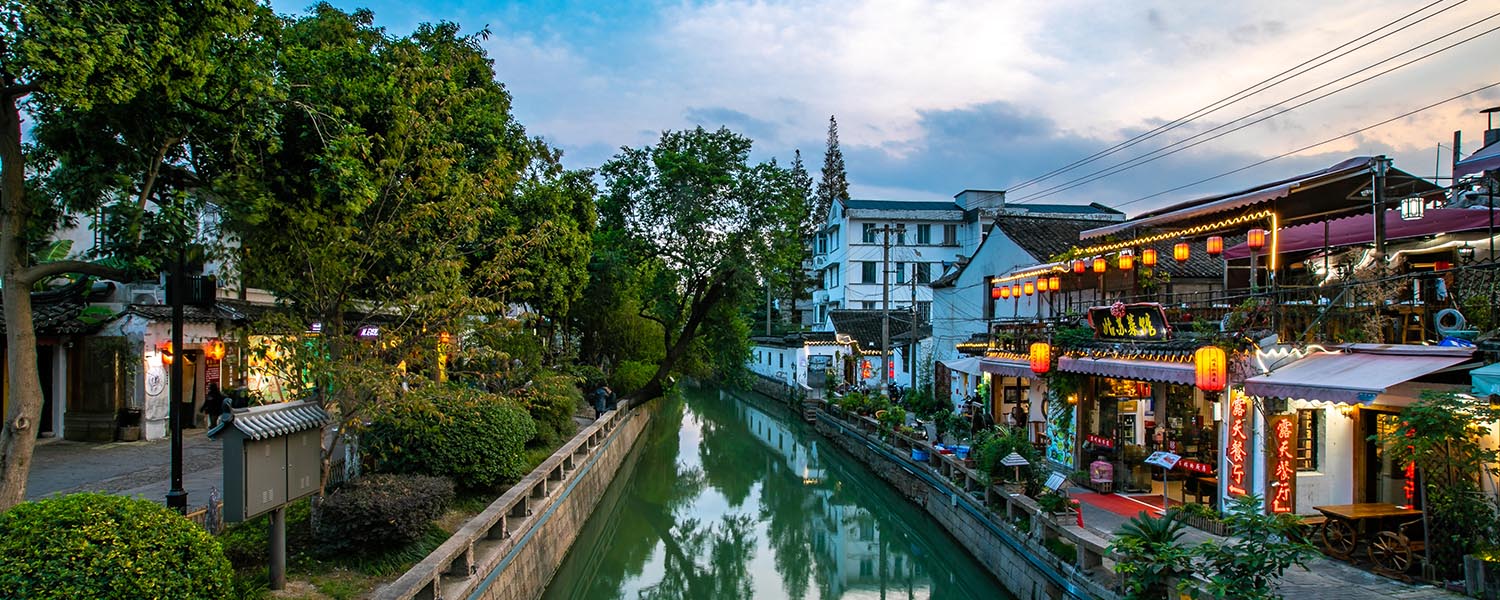
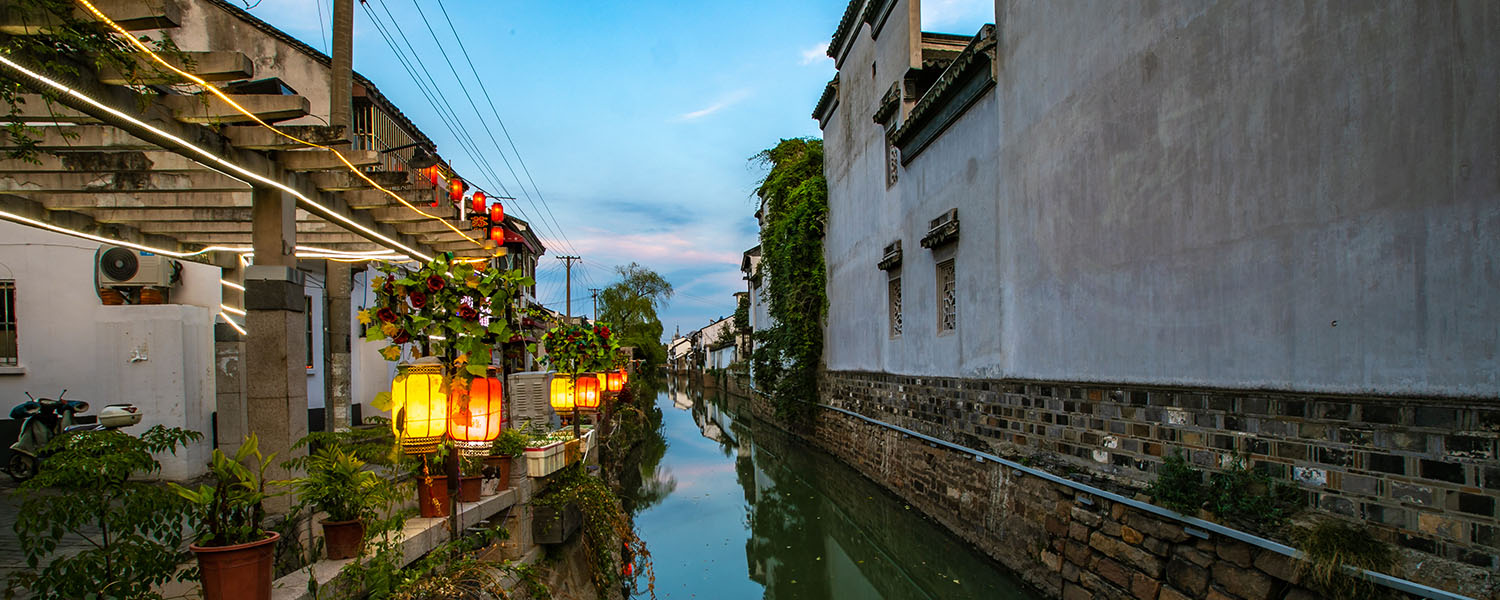
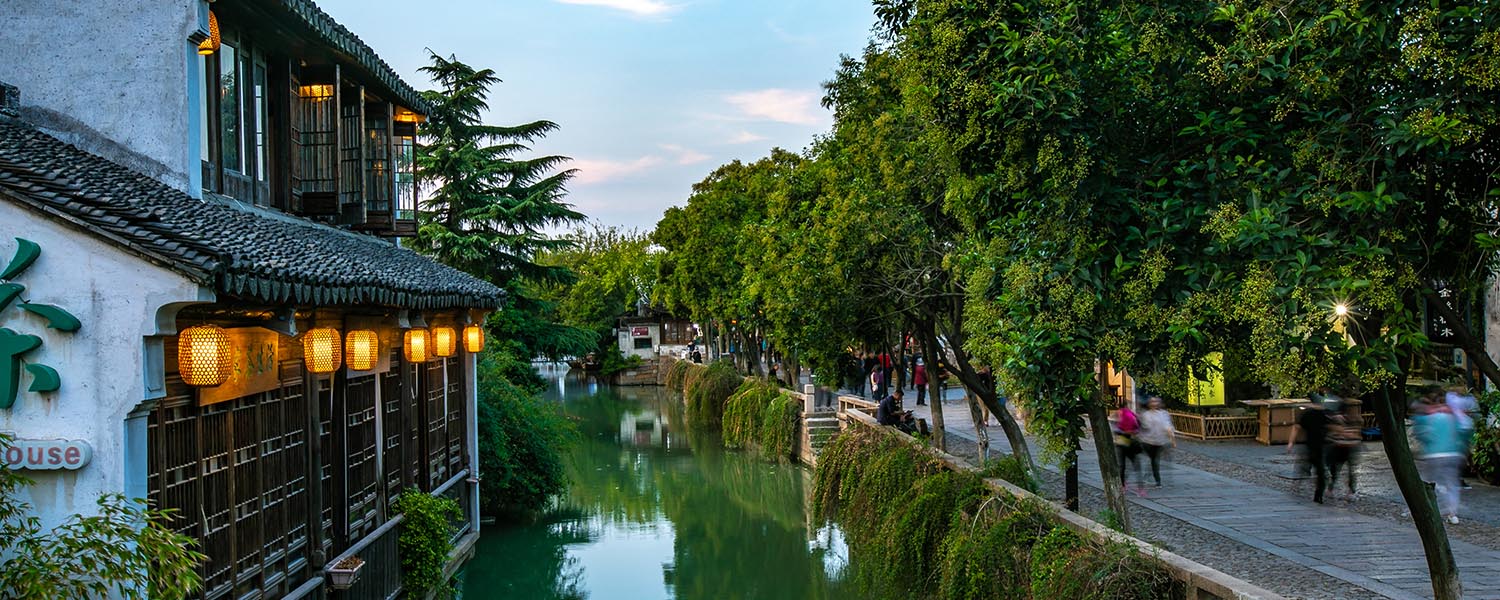
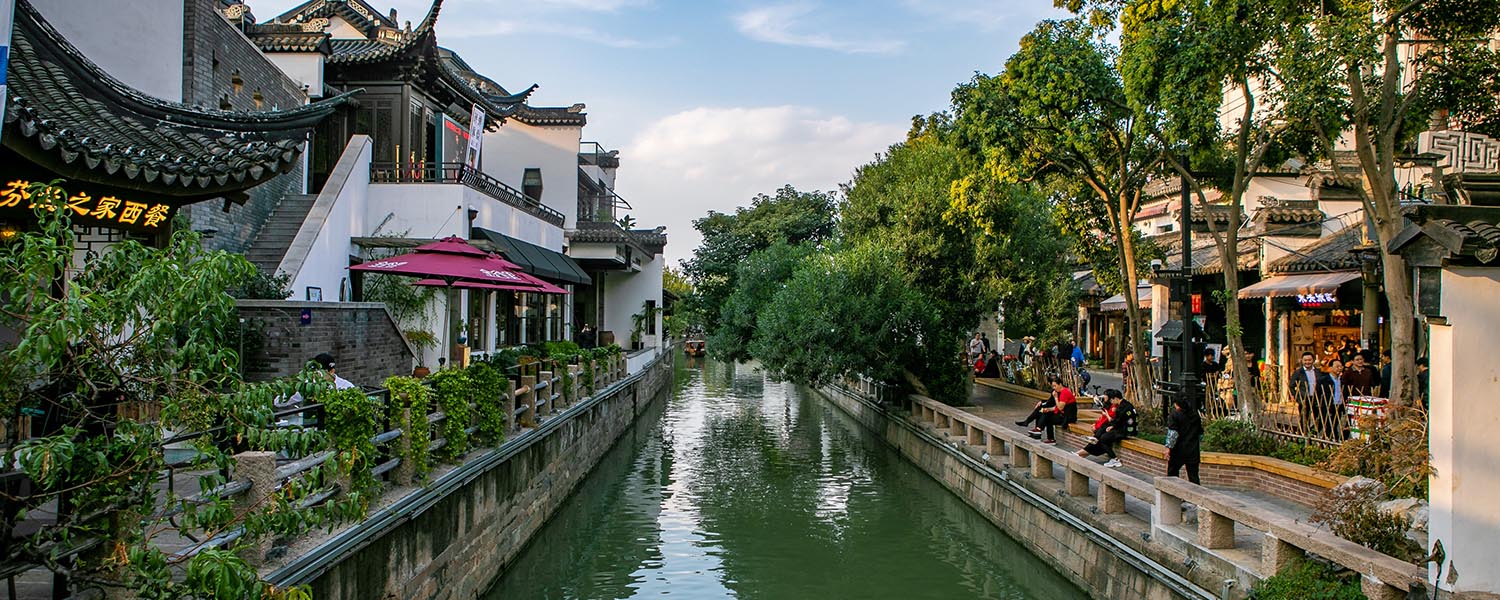
Pingjiang road
Introduction
Pingjiang Road is a historical street that is situated in the northeastern Suzhou ancient city. The road covers a length 1,606 meters and has been in existence since the Song Dynasty and is still very well preserved for 800 years. In ancient Suzhou city during the Song Dynasty, Pingjiang Road was regarded as the main route. This road presents ancient Suzhou local life where locals can be seen leisurely walking along houses with white walls and black roofs with bridges across the river. For visitors, the road is like a backdrop of a traditional Chinese painting which is a scene that attracts many tourists with its beauty. In 2005, the busy street scooped the Asia Pacific Heritage Award for Culture Heritage Conservation and also got an honorable mention from UNESCO.
Things to see and do on a visit
Learn Kun Opera Culture
Situated on Zhangjia Lane of Pingjiang Road, Suzhou Opera Museum houses Kun Opera Museum of China and Suzhou Pingtan Opera Museum of China. It is a professional museum displaying the history, culture and art of Kun Opera. The museum is divided into equipped exhibition halls of Suzhou Opera, Kun Opera, Suzhou Pingtan and some interesting musical instruments. Inside the museum visitors can see ancient architectural designs and also learn the culture of Kun Opera and Pingtan which is storytelling and ballad singing in the local Suzhou dialect. There is an old stage in the museum with a classical stage that was articulately designed sunk panel. The patterns in the sunk panel are unique and the design accentuates voices and tunes to sound magical. Every Sunday, there is a free Kun Opera performance at the museum between 14:00 and 15:30.
Delicious Food
Pingjiang Road has the most mouth-watering dishes and snacks related to the ancient food culture of Suzhou. There are tasty snacks in small shops like different kinds of meat, Pan Fried Pork Bun and yogurt. Visitors can sample different kinds of cake such as Glutinous Rice Cake and Osmanthus Cake. There are also traditional Su dishes cooked in famous restaurants like Squirrel-like Mandarin Fish, Crab Tofu, Minced Pork Congee and Tofu Boiled in Chicken Broth etc.
Cake Bridge
Along Pingjiang road is a bridge known as the “Cake Bridge” named after a man who used to bring cake for his mother every day. However, one day he wasn’t able to raise money to buy his mother a real cake so he opted to make a cake from snow showing just how much he loved his mother.
Former Residences
On Pingjiang Road, there are many former residences of famous people like on Xuanqiao Lane is the former residence of a bookworm named Huang Pilie where he had a little library. Hongjun who was a “Zhuangyuan” (the one who toped the imperial examination) during the Qing Dynasty also lived on the same lane. He lived with Sai Jinhua. Another residence is the home of the famous doctor Qian Boxuan. These residences were turned into modern residential with the main halls and the carve patterns on its woodwork remain in their original form but the high walls separating the life the town center has diminished.
Exquisite Gardens
There are various classical Suzhou style gardens like the Couple Garden that was UNESCO listed as a World Cultural Heritage situated on Xiaoxinqiao Lane covering an area of 7,917 square meters. The garden displays character in its intricate buildings, flowing streams and delicate bridges. The eastern side of the garden has imposing rockeries that look like real mountains and has the best viewing point of the whole garden.
Panmen City Gate
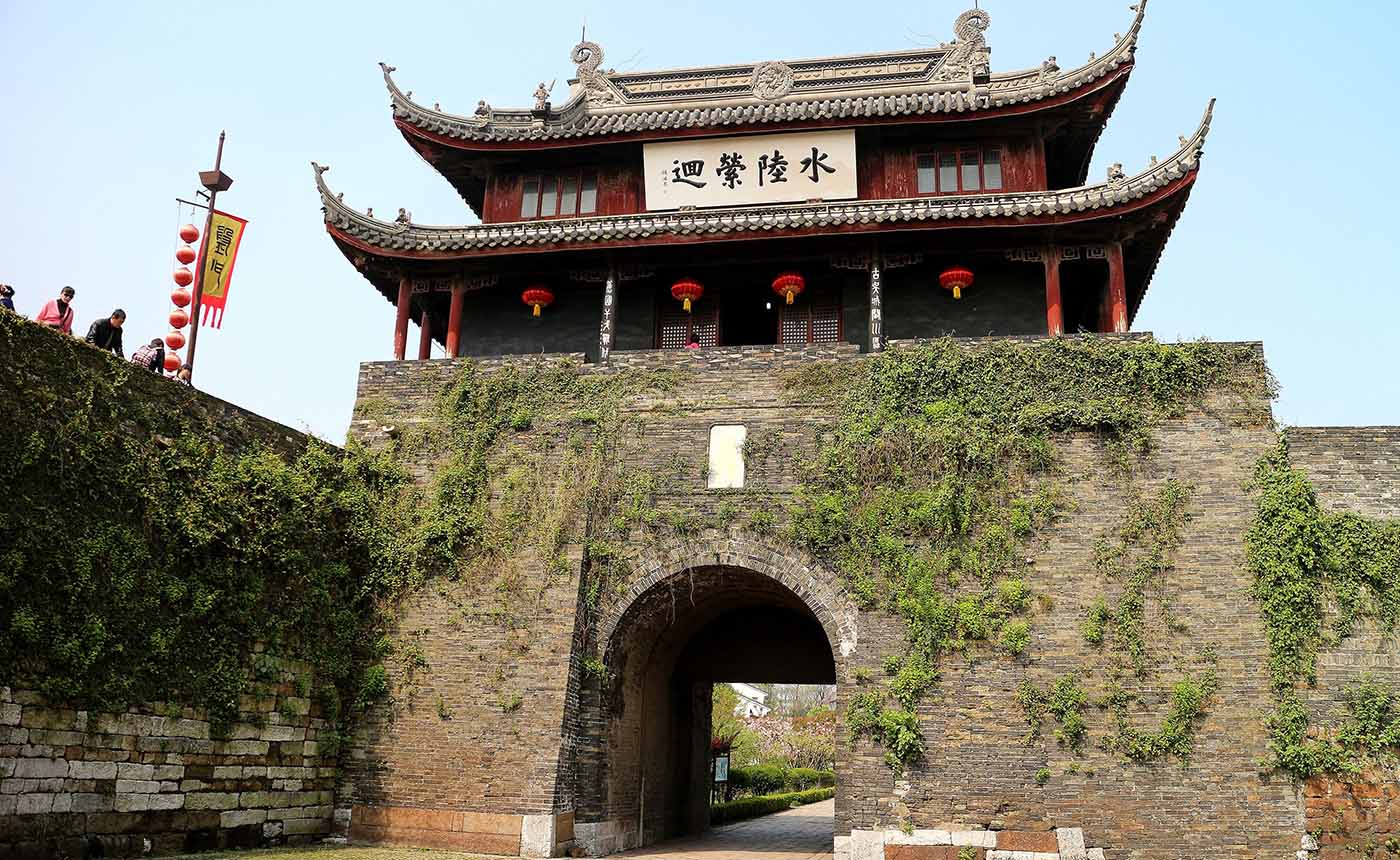
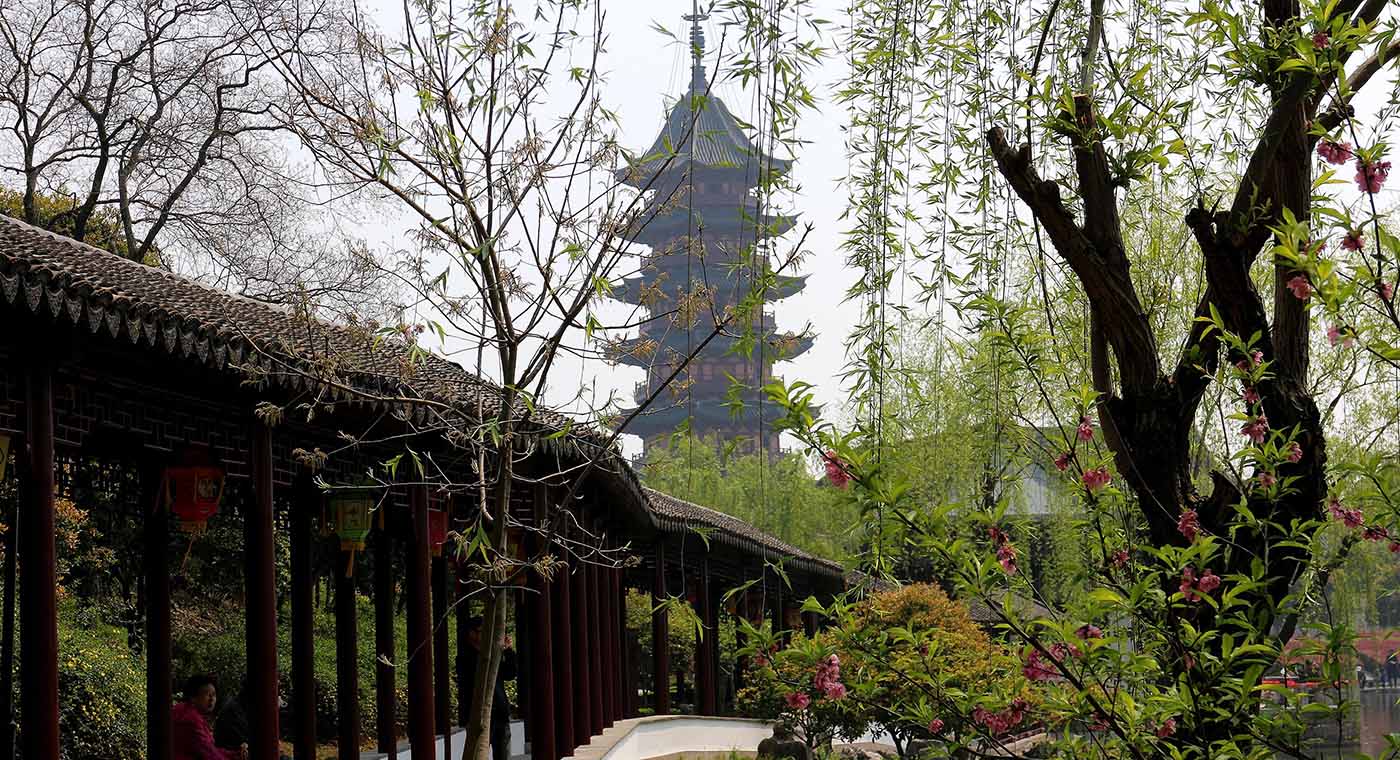
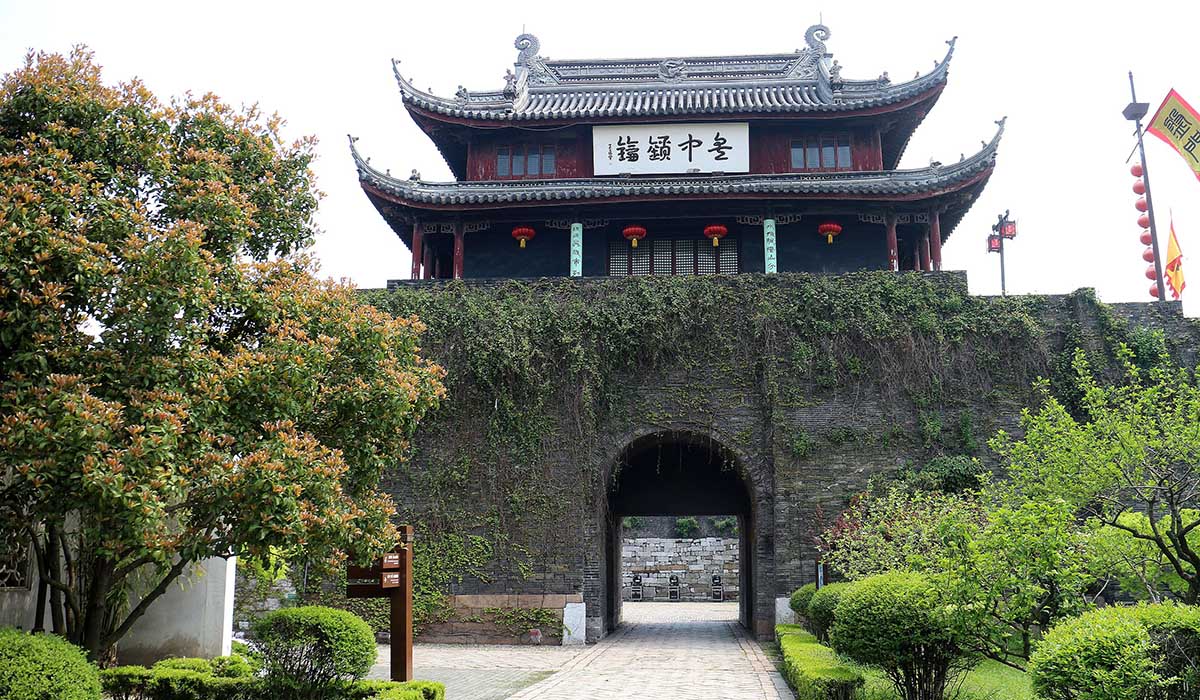
Panmen City Gate
Introduction
Panmen City Gate is located on the southwestern corner of Suzhou Main Canal. It was initially built 2,500 years ago during the Warring States in the reign of Wu. Its construction was based on some historic sites using architectural structures of classical gardens attracting hundreds of tourists both from home and abroad. It is made up of two water passages, three land passages and an outside gate.
Things to see and do on a visit
Ruiguang Pagoda
This is a 1,000-year-old pagoda which is the oldest pagoda built in 247 in Suzhou and it is located at the entrance of the scenic area. It stands 53.57 meters high and was built using masonry timber with eight sides and seven floors. A famous king, Sun Quan built the pagoda and he also established the Wu Kingdom in Three Kingdoms Period between 220 and 280 to pay homage to his mother. However, over the years the pagoda was damaged badly during wars leaving only the brick structures. In 1978, a little pagoda with Sheli (Buddhist relics) was discovered on the third floor of Ruiguang Pagoda with some cultural relics such as Miaofalianhua Scripture and bronze Buddhist statues.
Panmen City Gate
The Panmen City Gate is the center of the scenery area and was first built during the Wu Kingdom of Spring and Autumn Period between 770BC and 476BC. As of date it is the only well preserved water and land city gate in the whole of China constituting a land city gate, a water city gate, a city gate tower, a barbican and a city wall measuring 300 meters long and 5 meters wide on both sides. During ancient times the gate was a strategic army position for guarding equipped with shooting holes, sluice gateways and lookout towers. The sluices on the gate can be closed and opened by a stone gate to control water and to resist aggression. The gate’s city tower was destroyed during wars but wad later reconstructed in 1986 to commemorate the 2,500th year anniversary of the establishment of Suzhou. On the first floor of the tower is a great display of ancient weapons.
Wumen Bridge
Built in 1084, Wumen Bridge is the highest ancient bridge in Suzhou now. The bridge measures 11 meters high and 66 meters long. Originally the bridge was made up of three bridges and has been reconstructed many times in history. There are 50 steps on both sides of the bridge and visitors standing on the bridge can see boat sailing on the river, the high pagoda and the beauty of the area in a bird’s eye view.
Traditional activities
Visitors can also experience traditional Chinese activities like acrobatics, bell tolling, boating and even attend a traditional wedding.
Other scenic spots
In addition to the three major scenic spots, there are other attractions such as the Hall of Sirui, Wu Zixu's Memorial Temple, Double Pavilion Corridor Bridge and Century Bell of Tang.
Tongli Water Town
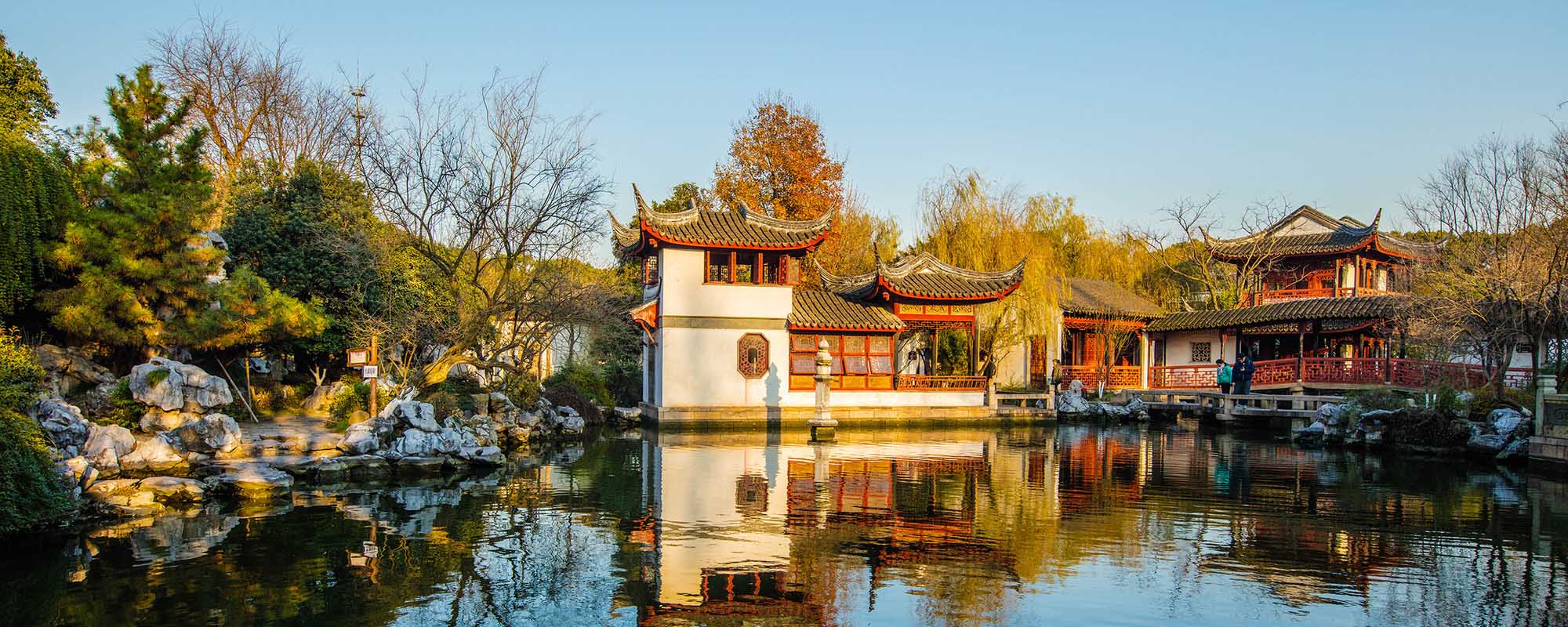
Tongli Water Town
Introduction
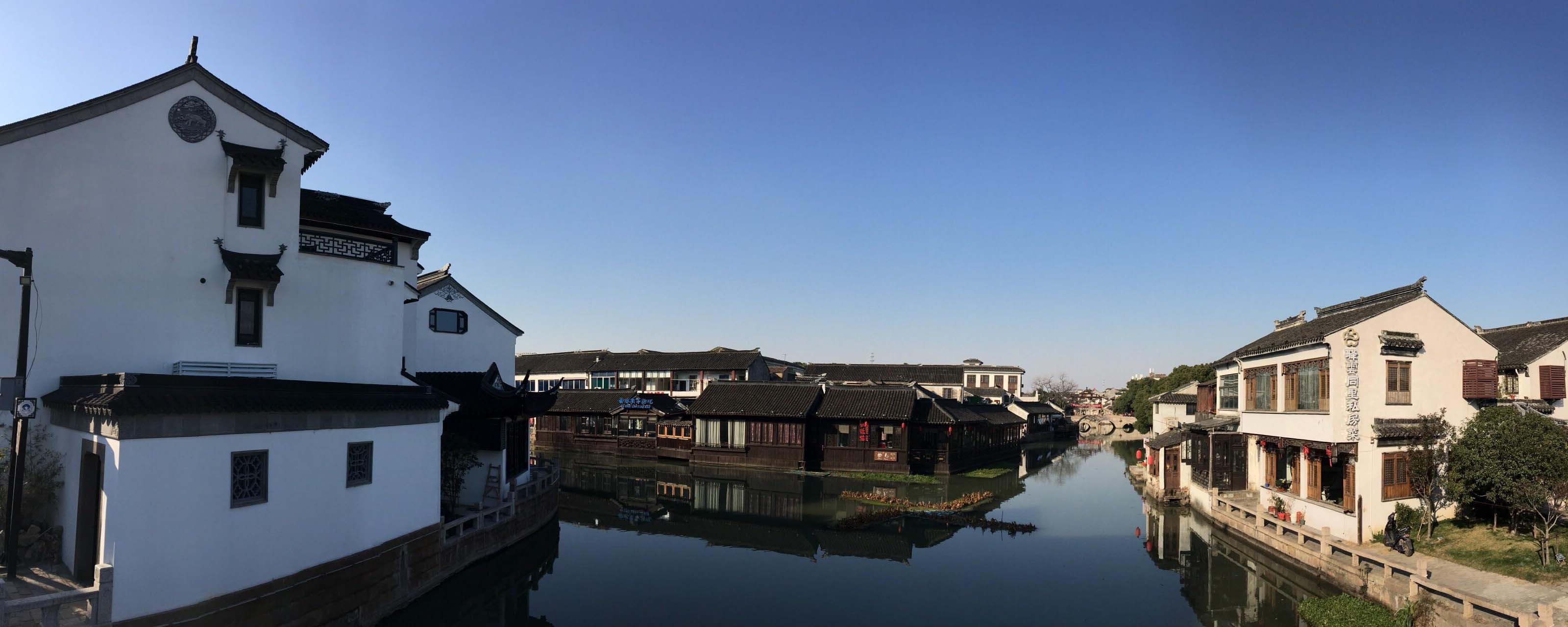
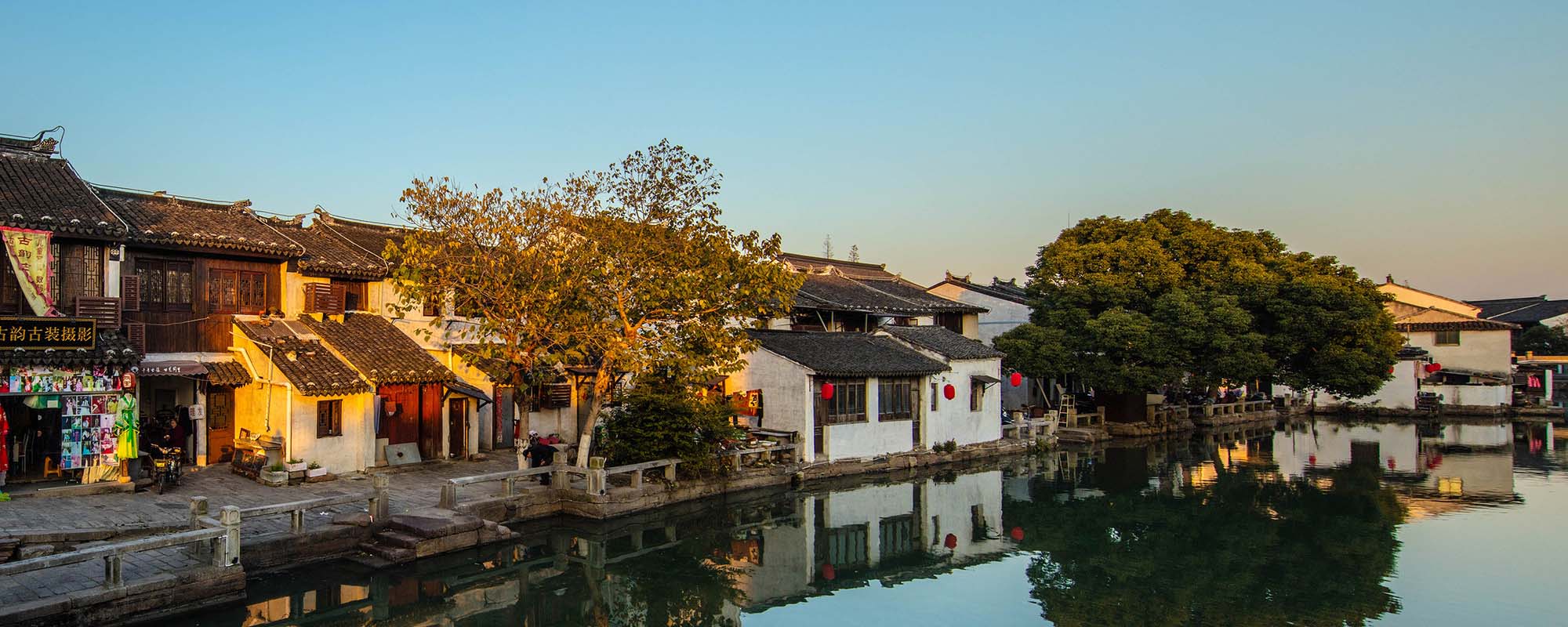
Built during the Song Dynasty (960–1279), Tongli Water Town is located 18 kilometers from Suzhou and is the most preserved ancient water town in Jiangsu province maintaining affluent history as well as culture. The water town was rather inaccessible saving it from attacks and war damage meaning that most of its ancient structures are really well preserved. For instance, its scenic stone bridges, private gardens, temples, and houses are all still standing and were built hundreds of years ago during Ming and Qing dynasties.
Also best referred as the Venice of the east packed with culture, beautiful sprawling architecture and plenty of novelty, its streets echo stories and legends from back in the days with ancient bridges and house complexes. The town has a total of 38 gardens, 55 ancient bridges, 47 temples and hundreds of residences still retaining their traditional styles from the Ming and Qing Dynasties surrounded by 5 lakes from outside and divided by 15 rivers.
Major attractions and activities to do on a visit
Tuisi Garden/ Retreat and reflection garden
The most famous location in the town is Tuisi Garden built between 1885 and 1887 by Ren Lansheng and designed by Yuan Long. The garden is complete with ancient architecture including small wooden buildings with typical Chinese roofing styles and a perfectly reflecting pond. Almost half of the garden is covered by water and all the buildings are situated close to the surface of the water. The atmosphere in the garden makes visitors get the feeling of an ancient charm from the historic wood building and delight of rockeries, pavilions, halls, pools, old trees, lovely flowers, adorable fishes and terraces.
The three Bridges
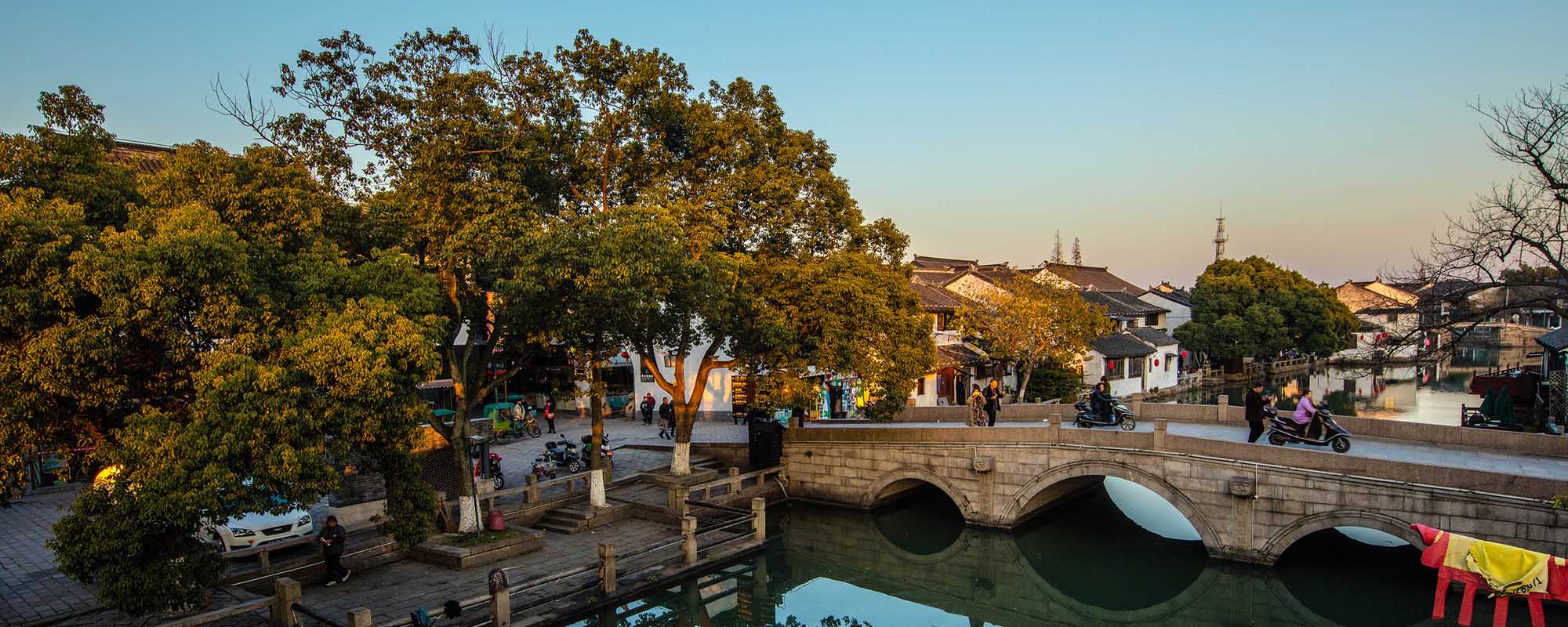
The three Bridges here are the Taiping Bridge, Changqing Bridge and Jili Bridge which are a must-see while on a visit to Tongli water town. They were built in 1470 and were later rebuilt in 1704 each with its own unique features and meanings. Their shape forms the character “品” in Chinese which is a treasured place in the water town. On a visit here visiting can experience the tradition of crossing the three stone arc bridges important during weddings and special traditional ceremonies which signify luck and happiness to the locals.
As a local custom, locals walk across the three bridges during happy events like during weddings. Locals also believe that walking across Taiping Bridge symbolizes good health throughout the year. For people who wish to benefit from prosperous business ventures, crossing Jili Bridge is considered a good start. Visitors who want an and evergreen life walk across Changqing Bridge.
Visitors can also float through the canals as they enjoy a relaxing, breathtaking and unforgettable gondola ride and also see locals participating in an ancient fish-catching cormorant method.
Fuguan Bridge
Fuguan Bridge has a vivid stone carving known as the Fish Fossil in the Peach Blossom Wave. It is believed that it came to exist when a fish swam against the waves along a peach covered riverbank aiming to become an immortal dragon by jumping over the Dragon Gate. However, it saw a beautiful girl on the bridge as it was mid-air resulting to its head changing into a dragon head but the rest of its body remained as it was.
Pu'an Bridge
Pu’an bridge is also known as the Little East Stream Bridge. It was constructed during the Ming Dynasty in the first year of 1506 during the time of Emperor Zhengde. It is the most representative bridge that reflects the local's diligence and eagerness to acquire knowledge.
Siben Bridge
Siben Bridge was constructed during the Southern Song Dynasty between 1127 and 1279. It is the oldest bridge in Tongli water town and still remains standing after being exposed to rain and wind for over 700 years.
Jiayin Hall
Jiayin hall was built in the first year of the Republic of China between1911 and 1949. It is famous for its articulate carvings of ancient Chinese classics. Jiayin hall has a gauze cap like beam decorations. Jiayin Hall has four courtyards with carved beams and painted rafters, which originally cost about 20,000 taels of silver. The skill put in to bring out the profound cultural connotations that the carvings highlight leave a great impression to every visitor that sets foot in this location.
Congben Hall
Chongben Hall is located to the north of Changqing Bridge on Fuguan Street. It is side lined by stone-paved riverbanks and faces Jiayin Hall across the river in the east connecting Changqing Bridge in the west. The hall has exquisite sculptures and is considered to be a masterpiece of delicately carved handicraft belonging to the museum.
Gengle Hall
Built during the Ming Dynasty, the hall has seen the rise and fall of several dynasties and has been classified as one of the eight most famous attractions in Tongli. The hall has several interesting spots like the flower tree, figures, the eagle and the lion not forgetting the very clear pool with red fishes and exquisite winding stone bridges.
Pearl tower
The famous Tower opens up to ancient houses and a wide water garden where you can go back in time where the heartfelt drama and love story between Chen and Fang Qing took place at the Pearl Tower and feel the beauty of the power of love above poverty.
Ancient streets
There are a total of eight major streets in Tongli Ancient Town: Fuguan Street, Zhuxing Street, Yuxing Street, Nanxing Street, Xinzhen Street, Shangyuan Street, Sanyuan Street and Dongxi Street. All these streets are special in their own unique way. The streets in this water town bear an antique flavor. For instance, Mingqing street measuring 160 meters long still maintains its initial look from the Ming and Qing dynasties. The street is stone-paved and lined with stores on both sides such as snack stores, specialty stores and handicraft stores.
Meeting Immortals
Every year on April 14th is Tongli's Meeting of the Immortals day where locals row on the boats taking short boat rides and stilt walk.
Cruise
Cruising in the numerous rivers and bridges of the water town is the most essential activity for most visitors. This way visitors can appreciate the towns antique beauty and the ancient architecture clusters from the Ming and Qing dynasties.
There is also a night cruise available every Friday, Saturday, and Sunday night where visitors can enjoy the beauty of traditional stringed and woodwind music on the south of Yangtze River.
Hefang Street
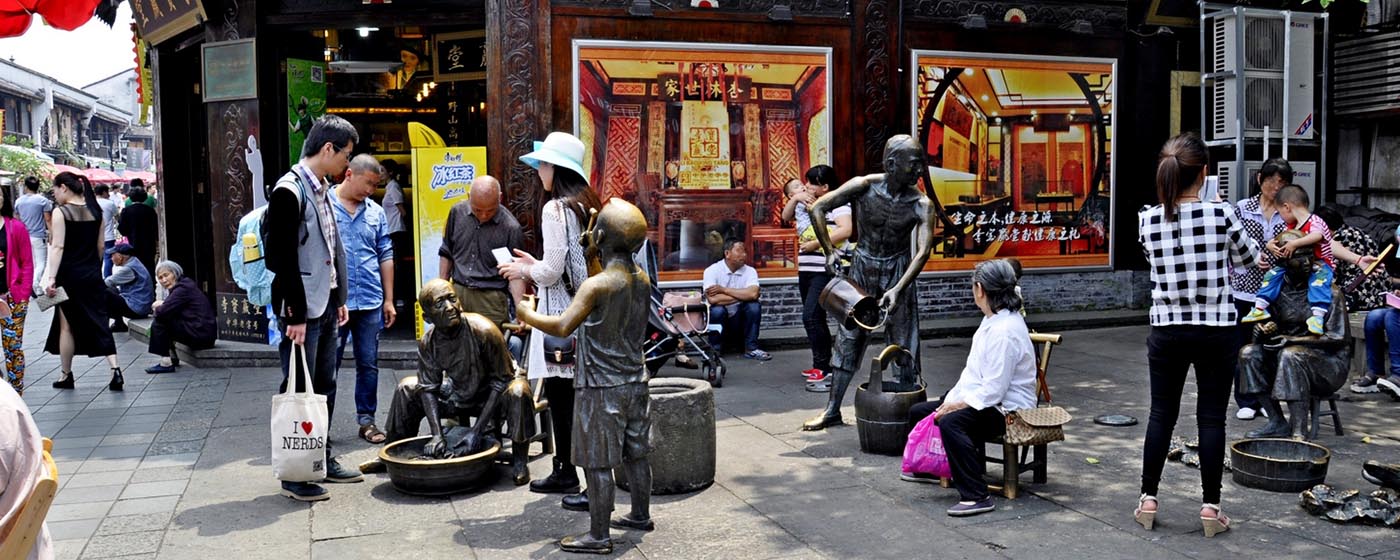
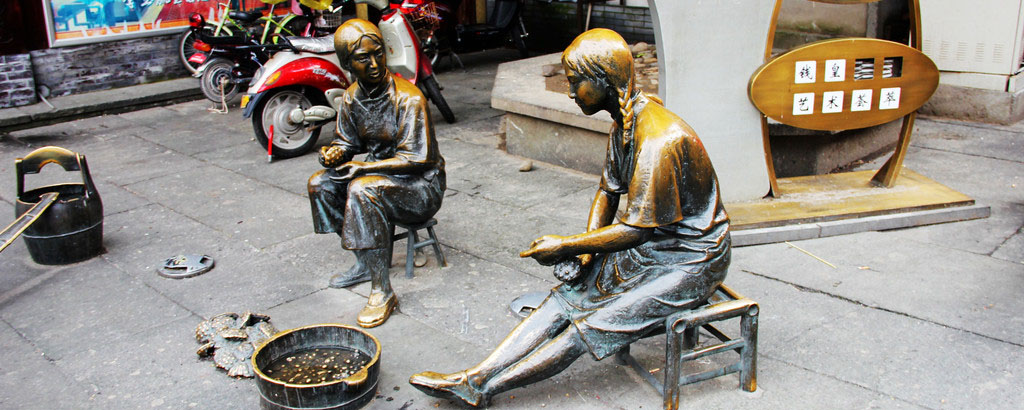
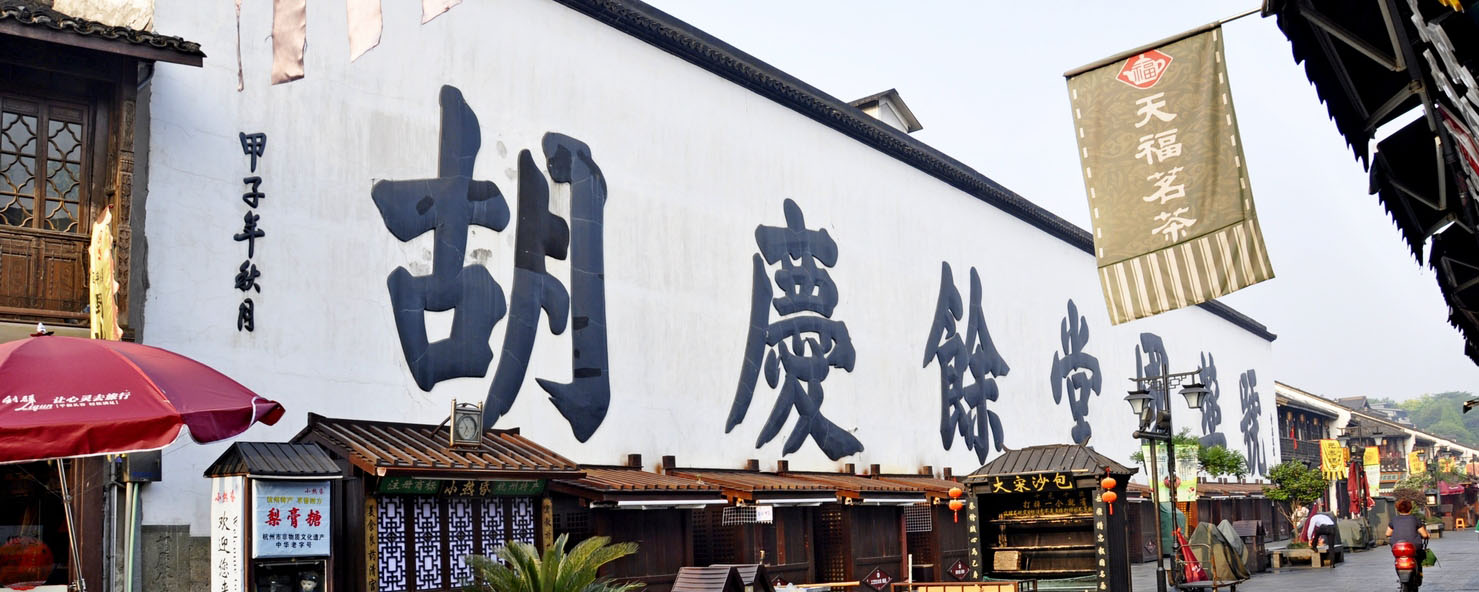
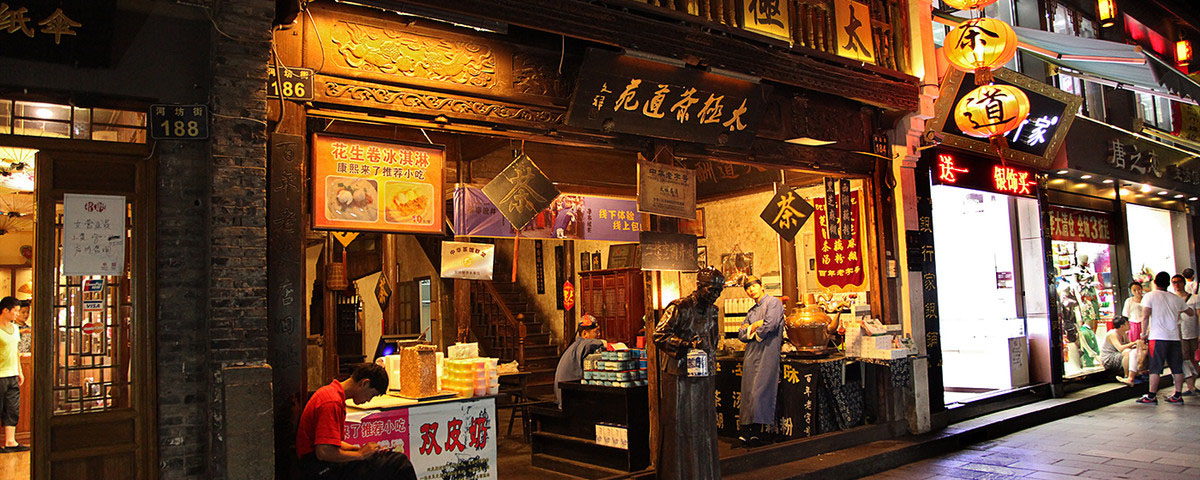
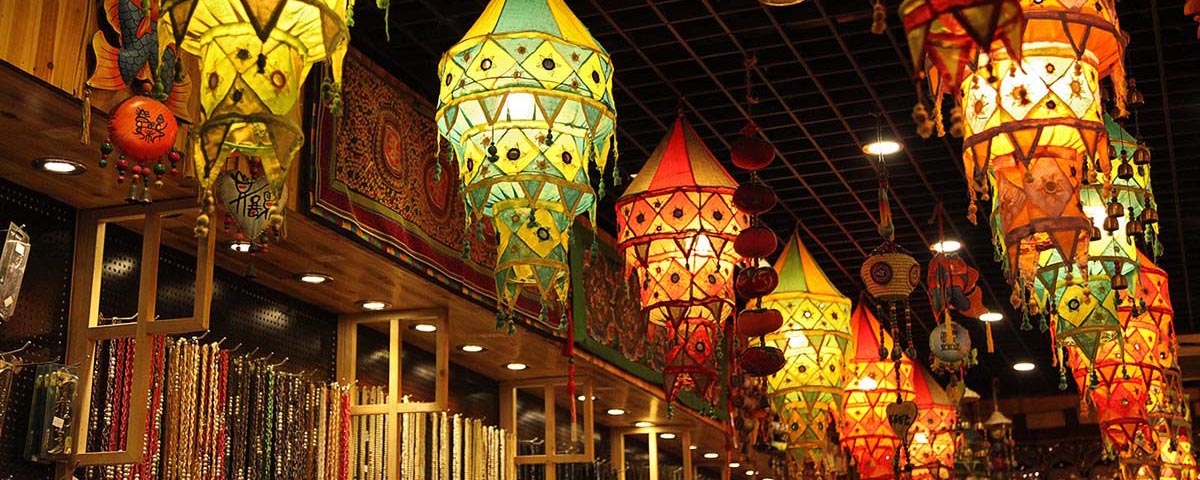
Hefang Street
Introduction
Hefang Street was known as Taiping Street when Hangzhou was the capital city during the Song Dynasty. The street came to existence when General Zhang Jun became Qinghe County King and begun to build a mansion on Taiping street that is when people renamed it to Hefang Street. During the South Song Dynasty, the street became a prosperous business site and the center of culture and politics. To date, it is believed that Zhang Jun invited Emperor Gaozhong for an unprecedented feast of China’s history in Qinghe Street and the menu that was served at the feast became what is today’s Hangzhou Dishes.
Hefang Street now represents the old story of Hangzhou and showcases its folk culture. Its cobbled street are lined with time-honored stores from where visitors can get an understanding of ancient Hangzhou and Ancient China practices.
Things to see and do on a visit
Traditional Chinese Medicine Culture
Hefang Street is the first option for visitors in Hangzhou who wish to learn more about the traditional Chinese medicine culture. During ancient times traditional Chinese medicine halls were set up on this still and still survive to date. Visitors can visit Baohe Tang, Fanghuichun Tang, Hu Qing Yu Tang and Yezhongde Tang.
Hu Qing Yu Tang
Hu Qing Yu Tang is a combination of a museum and a traditional Chinese medicine shop built in 1874 by Hu Xueyan and occupying an area of over 4,000 square meters. Inside the building, visitors can see a unique layout, the great hall and exquisite carvings. In addition, there are materials to read about the essence of Chinese medicine treasure, anecdotes of renowned Chinese doctors and learn about traditional pharmaceutical technology
Baohe Tang
Baohe Tang is also a herbal medicine shop with more than a thousand years. At Baohe Tang visitors can see a renovated building with medicinal liquor and medicinal tea on offer. The medical center provides treatment and medicines to poor people for free and has a good reputation in Qinghefang Ancient Street. Legend had it that an apprentice at Baohe Tang known as Xu Xian met Lady White at West Lake and began a sad but sweet love story. The bronze statue of Xuxian is located at the front of Baohetang.
Visiting Interesting Museums
Hefang Street is home to interesting museums and exhibition halls where visitors can get to learn about Hangzhou art and culture.
Zhu Bingren Copper Sculpture Museum
This museum is an honored Jiangnan Copper House where everything apart from its floor and wall are made out of copper weighing up to 56 tonnes. It is the only museum in China that focuses on copper sculpturing. The museum occupies an area of 3,000 square meters displaying Jiangnan style during the Ming and Qing Dynasty. Visitors get a strong feeling of copper culture visiting the museum with beautiful copper statues, copper paintings and calligraphies and copper murals.
Elegant Handicrafts
Hangzhou is the "capital" of knives, fans, umbrellas and scissors. At Hefang Street there are stores of Zhang Xiaoquan Scissors and Wangxingji Fans.
Midachang Store
Midachang Store there is an exhibition hall for tobacco where visitors can learn about the history and culture of tobacco and smoking set. At the center of the main hall, there is an enormous tobacco stem weighing 102.5 kilograms and is 5.06 meters high. At the exhibition hall smoking sets from different periods of time and districts are on display amongst many other exhibitions.
Wuyue Family shop
Wuyue Family shop in Hefang Street sells merchandise for daily use and clothing supplies made from a piece of cloth known as Medicine Spot Cloth which constitutes of big blue pieces of clothes that are designed in white weaved with pure cotton obtained from indigo plants. This unique and elegant design of cloth is loved by many tourists people buy it as souvenirs. At the exhibition hall of the sores, visitors can watch the process of spinning, weaving and embroidering.
Former Residences
In Hefang visitors can see residences of former celebrities that are now open to the public including Hu Xueyan’s Former Residence, Yu Qian’s Former Residence and Yu Dafu’s Former Residence.
Hu Xueyan was born from a humble and poor family but he gained good character and as he was setting up Hu Qing Yu Tang his business developed well until his career reached a peak that is when he built his own mansion blending traditional Chinese and western architectural features displaying magnificent creativity. There are pavilions, rockeries, wood carvings, paintings, calligraphy, towers, bridges and corridors to create a garden-like environment in this Former Residence.
Another residence is Yu Qian’s residence: a famous official and a national hero in the Ming Dynasty. His devotion to the country and people during his time of service made him very famous. Unlike Hu Xueyan’s Former Residence, Yu Qian’s Residence is very simple and unadorned. Visitors notice that when they set foot into the yard they can have a panoramic view of the whole residence. There is one well, one tablet, one pool, one room, one hall and two pavilions. There is also a household poem carved on a screen wall describing his integrity and workmanship.
Exquisite Art
On the street, there are countless roadside markets where visitors can shop either during the day or at night. There are colorful paintings, handicrafts, candy, tasty snacks, lively figurines and sweet beverages ready for visitors to savor and feast their eyes. Visitors can also buy souvenirs and gifts for family and friends.
Lingyin Temple
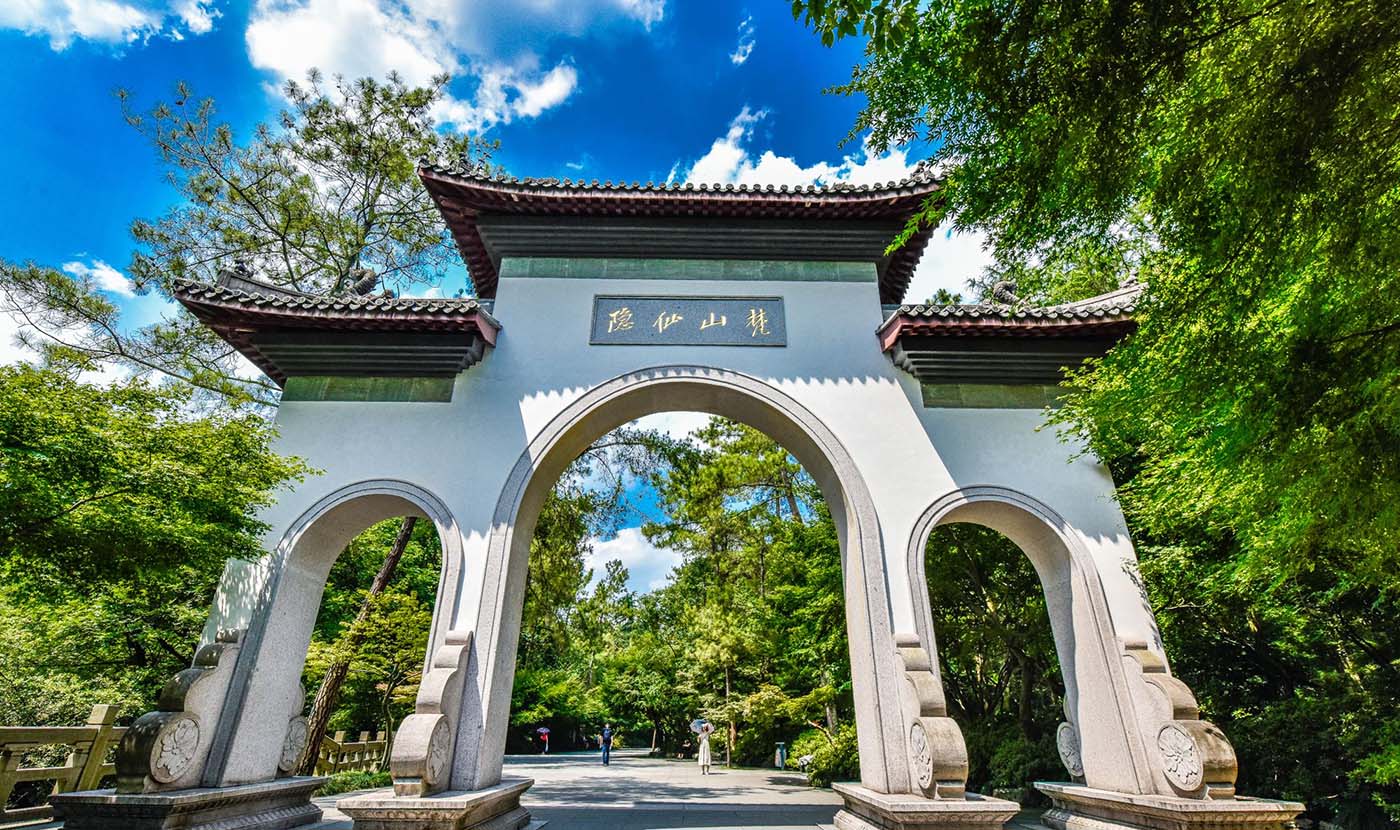
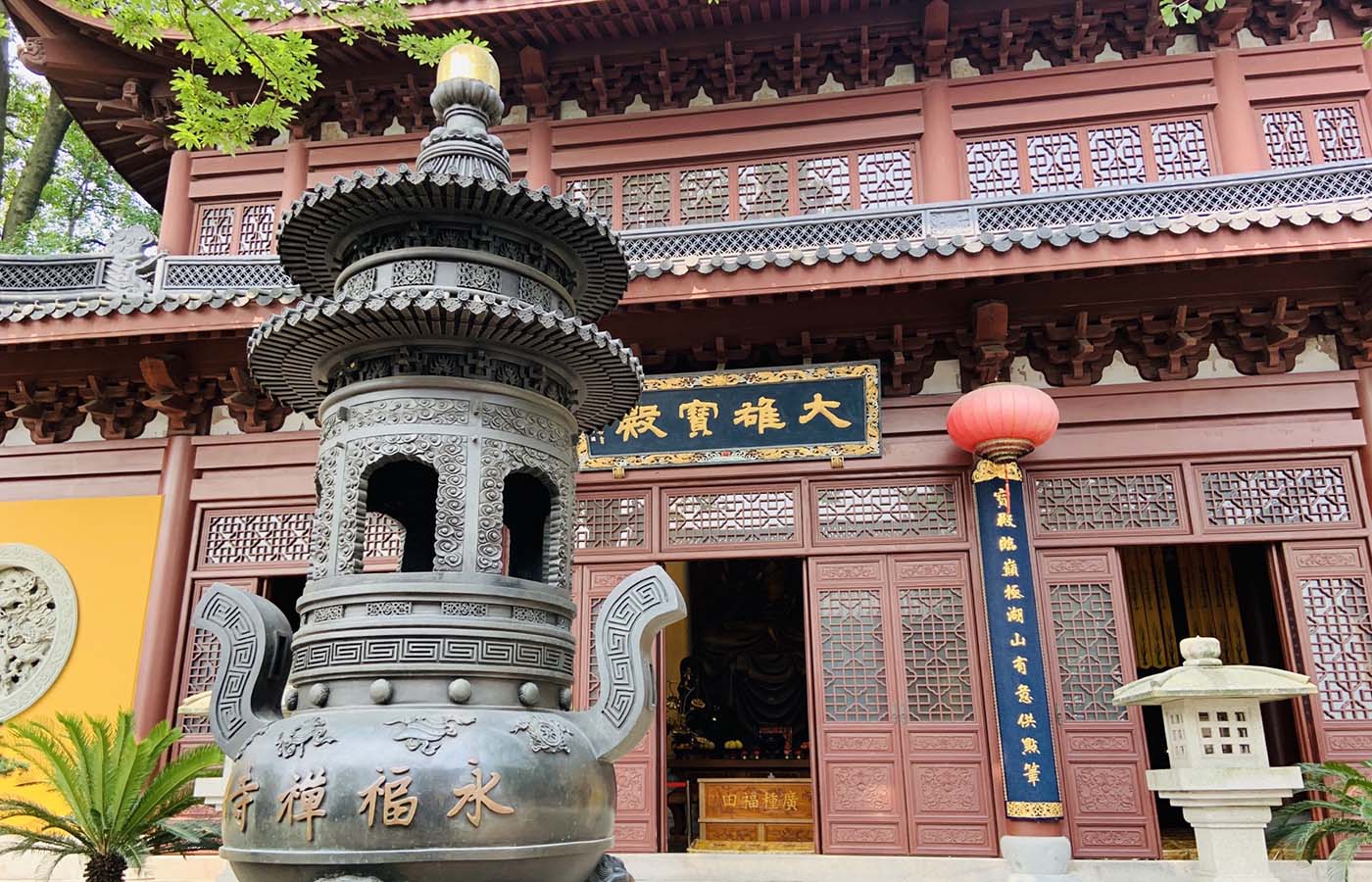
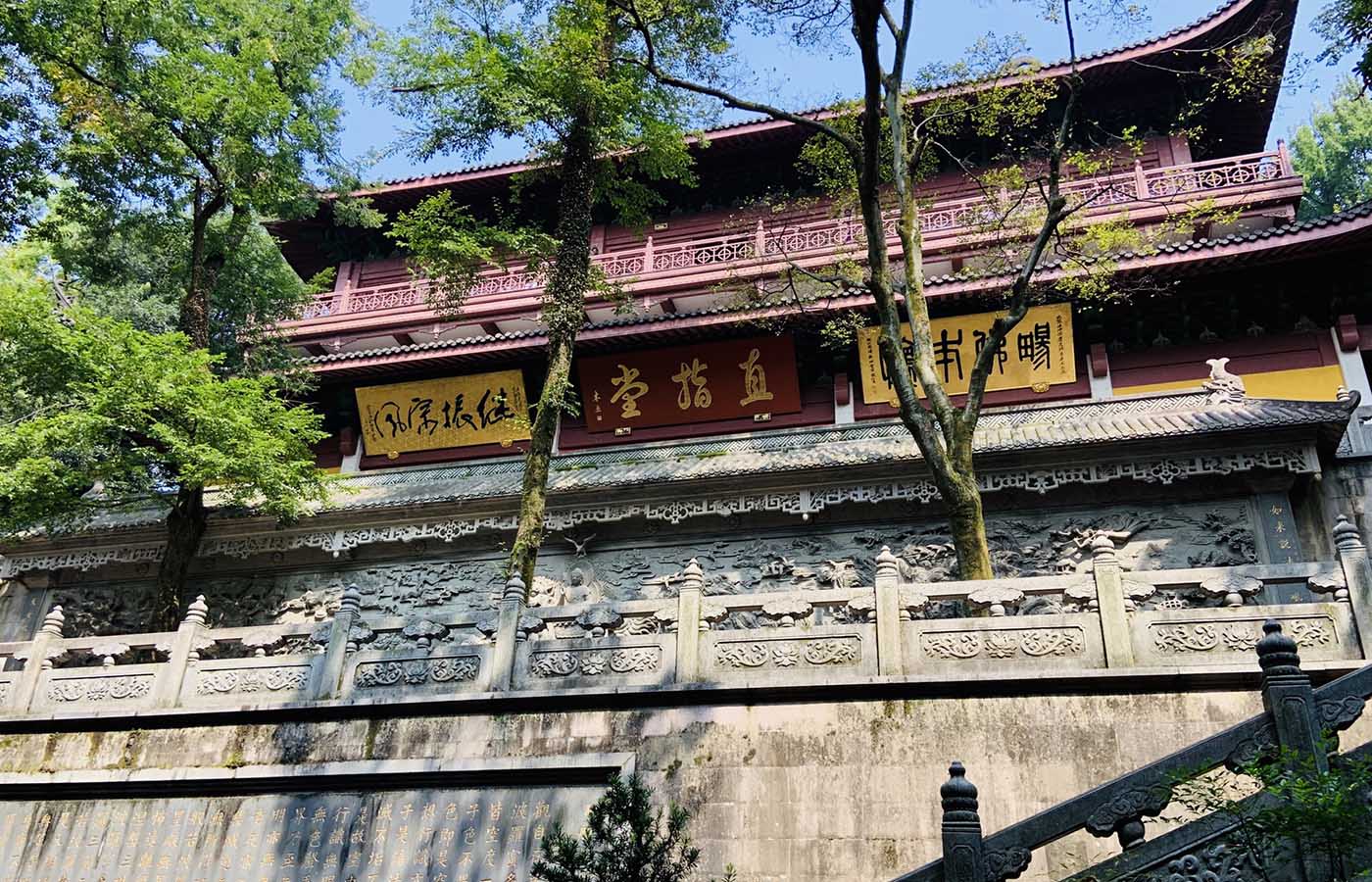
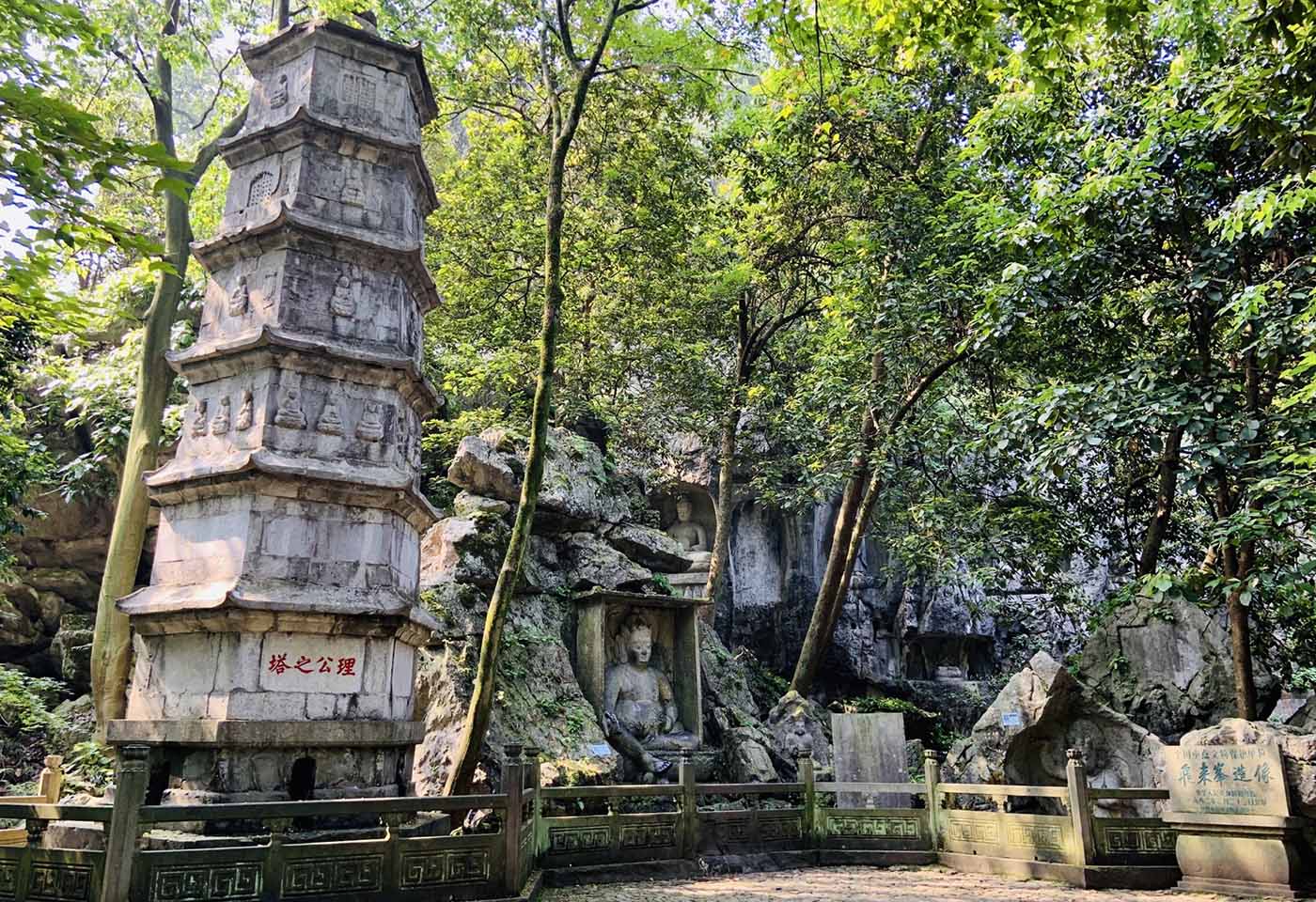
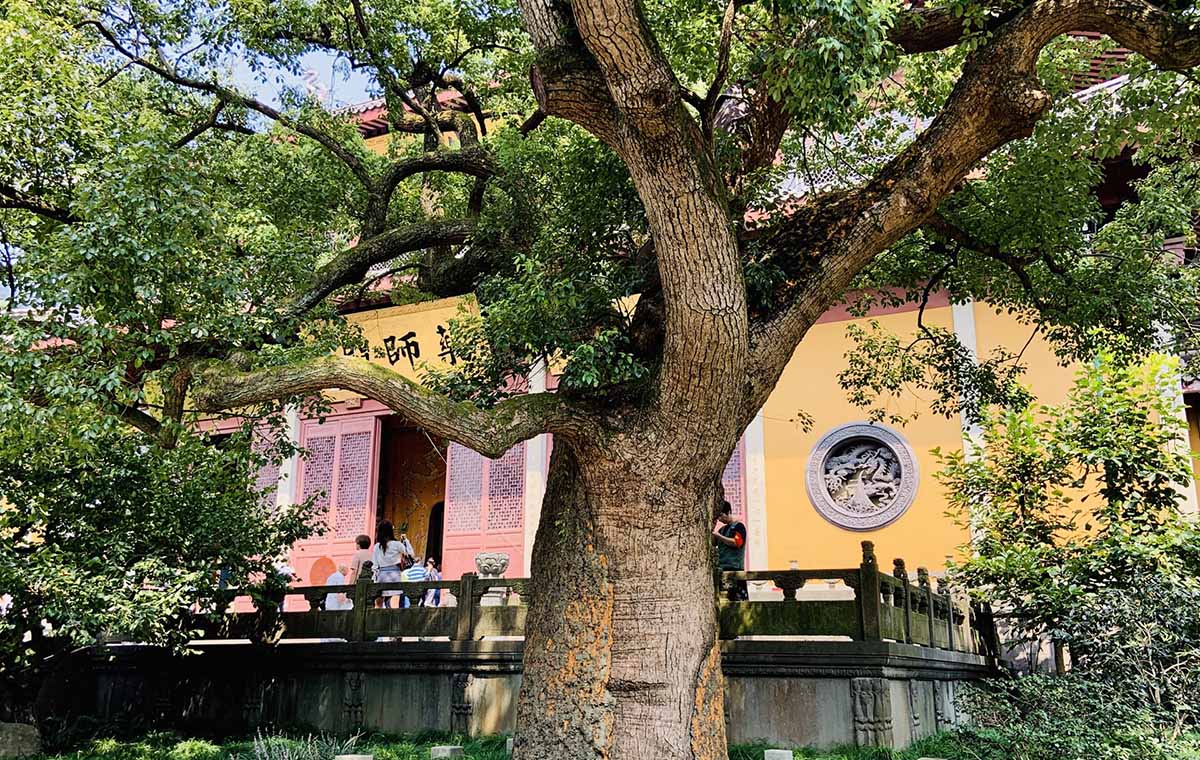
Lingyin Temple
Introduction
Lingyin Temple is also known as the Temple of Soul's Retreat. It was built in 328 AD by an Indian Monk, Huili. The temple is popular and gets hundreds of tourists and pilgrims and even thousands during peak seasons. In 1961 it was listed as a protection provincial historical and cultural site considered to be a leading center for research relative to Chinese Buddhist culture. The Temple is long and narrow and is located between Peak Flown From Afar and North Peak to the northwest of the West Lake at Hangzhou in Zhejiang Province. The Temple contains an important collection of Buddhist literature and has become a great center for information to those who wish to study aspects of Chinese Buddhism.
The temple came into existence since the Eastern Jin Dynasty between 317 and 420AD. Legend has it that an Indian monk, Huili, choose this location of the temple based on the locations natural scenery. He felt the need to choose this location as a home to Immortals and that is how he gave the temple the name: the Temple of the Soul's Retreat. During the Five Dynasties (907-960 AD) the King of the Wu Yue State expressed a sense of devotion to Buddha and initiated a large scale development of the temple. The main building that can be seen today was restored after the temple was destroyed.
Things to see and do on a visit
Inscribed Tablets
At the entrance, if the first hall of Lingyin Temple is a tablet inscribed with words penned by Emperor Kangxi of the Qing Dynasty. The emperor was pleased by the sight of the temple shrouded in mist amongst the trees that surround it hence giving it the title 'Cloud Forest Buddhist Temple'. This great hall has double eaves and is at least 60 feet in height.
The Laughing Buddha
At the Hall of the Heavenly King is the statue of Maitreya which appears to be bare, fat and wearing a smiling face. The Buddha is said to be able to endure all intolerance and laugh at every laughable person in the world. The hall has articulately painted ceiling decorated with phoenixes and dragons.
Hall of the Great Hero
Also known as Da Xiong Bao Dian, this hall of the Great Hero has seven rooms wide, five rooms deep and is a single storey construction. Its double eaved roof rises up to 33.6 meters high creating what is believed to be the highest single storey building to be found in China. The hall is also home to a statue of Sakyamuni carved from 24 sections of camphor wood with an overall height of 24.8 meters making it one of the largest wooden statues in China that are covered with a gold leaf. The statue is also surrounded on either if its sides by twenty saints who are protectors of justice. Twelve disciples guards are seated along the rear wall of the wall and they form an imposing and impressionable scene.
Cool Spring Pavilion.
This Cool Spring Pavilion has constructed a thousand years ago during the Tang Dynasty and is the most favored location amongst visitors who wish to linger through it during the heat of summer.
Dine
There is a vegetarian restaurant near the temple known as Lingyin Vegetarian Restaurant serving typical Chinese cuisine that is specifically vegetarian.
West Lake

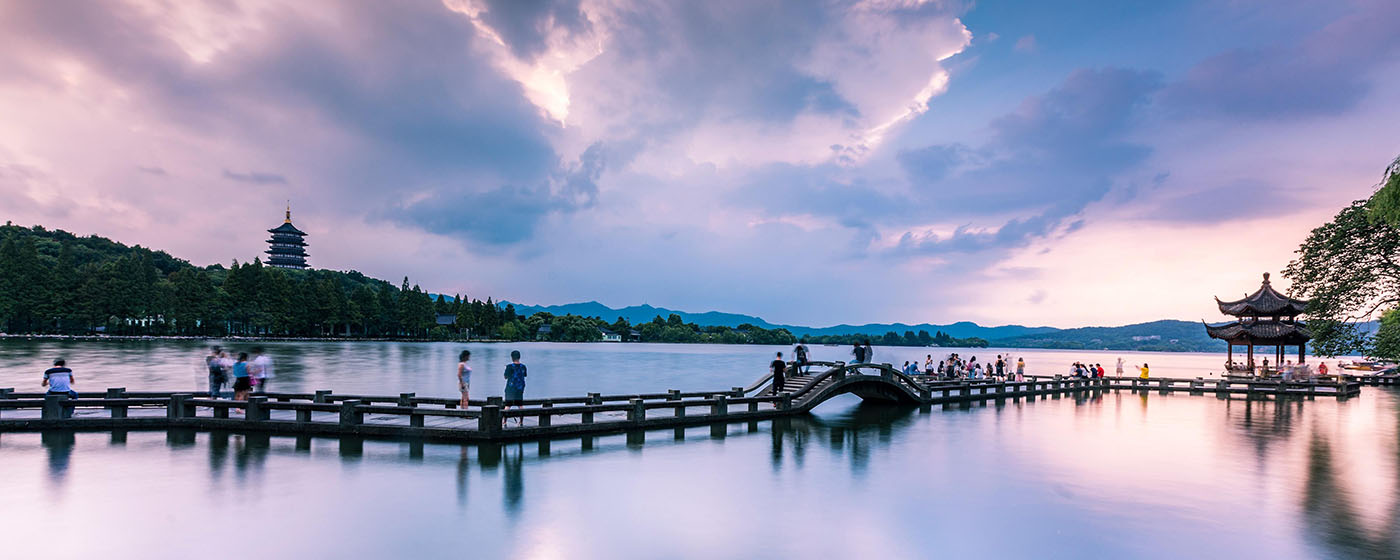
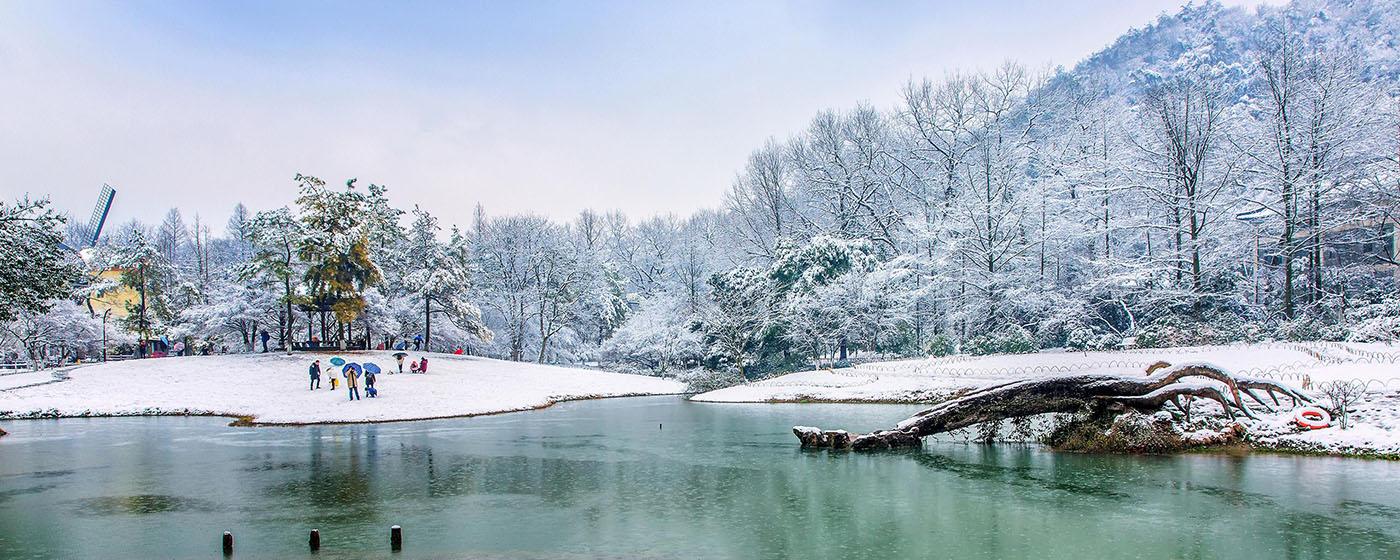
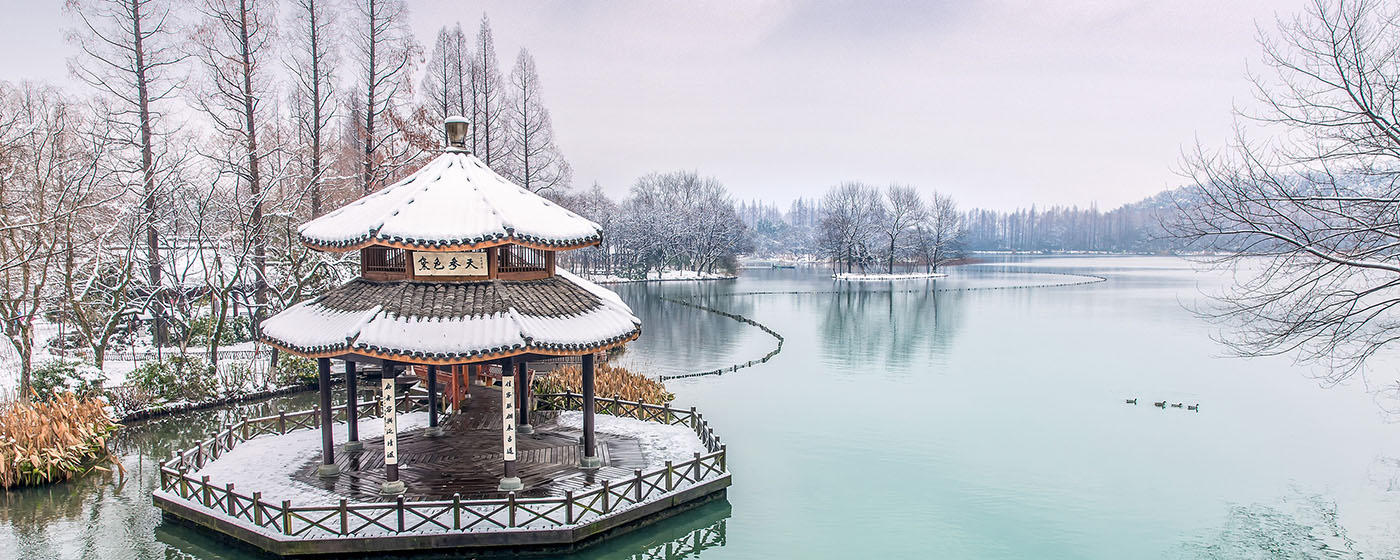
West lake
Introduction
Located in the southwest direction of downtown Hangzhou which is 180 kilometers southwest of Shanghai. The West Lake measures 3.2 kilometers in length by 2.8 kilometers in width by 2.3 kilometers in depth covering an area of 6.5 square kilometers. The West Lake is rated top ten amongst scenic attractions in China and it was UNESCO listed as a World Cultural Heritage Site in 2011. The area of West Lake is divided into five different sections by three course ways and mountains. Three man made islands stand in the West Outer Lake which is the Mid-lake Pavilion, Lesser Paradise Island and the Ruangong Islet. Two pagodas face each other across the lake Leifeng Pagoda to the south and Baochu Pagoda to the north and there are three islands on the lake.
The lake is believed to be a dating site according to legends. Two spirits Bai Suzhen; a white snake spirit and Xu Xian; a mortal man fell in love after meeting on a boat on West Lake and they got married. However an evil monk Fa Hai separated the two by imprisoning Xu Xian but Bai Suzhen tried to rescue her husband to no avail and was later also imprisoned under the Leifeng Pagoda located by the lake. After so many years the two were rescued by Xiao Qing who was the sister to Bai Suzhen and from then the couple lived together happily ever after.
Things to see and do on a visit
Su Causeway
This long causeway stretches 2.8 kilometers long with willow trees and other plants on either side. There are six bridges along this causeway including the Suppressing Dike Bridge, the Locking Waves Bridge, Crossing Rainbow Bridge, the Eastern Lakeside Bridge, the Viewing Hills Bridge and the Reflecting Ripples Bridge. In spring, the causeway is endowed by green willow buds and pink peach blossoms form a charming scene.
Winery Yard and Lotus Pool
Located in the northwest side of the lake this area used to be occupied by a winery during the Southern Song Dynasty (1127-1279) enclosed by lotus flowers. During summer a sweet fragrance summons the area from the lotus flowers and winery taking visitors back in time during the Song Dynasty. The scenic spots available here are the Bamboo Garden, the Lotus Pool, Yuehu Lake, the Winery Yard and the Lakeside Woods.
Moon over the Peaceful Lake in Autumn
Since ancient times, West Lake has been the best spot to view the beauty of the full moon. On the night of the Mid Autumn Festival, the moon shines full and bright inside each of the three pagodas on the water. The light of the moon casts the most magical reflection on the pagoda windows and on the water.
Broken Bridge in Winter
Constructed in 1921, this Broken Bridge measures 8.8 meters long by 8.4 meters wide. During winter the West Lake area is beautiful and less crowded and the bridge appears to be broken because snow in its middle part melts unlike the snow on its ends which remains lingering and glistened by the sun to create a spectacular scene.
Orioles House
Located at Qingbo Gate at the outer most part of West Lake this garden is the biggest imperial garden in the West Lake that was named Landscape Gathering Garden during the Southern Song Dynasty. At the center of the garden is the Orioles House with a gigantic birdcage with willows of different species flying especially the time around the month of March. This whole view attracts tourists both from home and abroad.
Flower Pond
Located at the southern end of Su Causeway, the Red Carp Pond forms a charming park with a variety of trees and flowers covering 20 hectares including a peony garden which blooms in April and the famous goldfish pond. There are five scenic spots: the red carp pond, the great lawn, the flower harbor, the peony garden and the groves. The park connects the West Inner Lake with the South Lake and the red carp pond swarms with red carp and visitors can stand on the rails of a zigzag bridge to feed the goldfish. Towards the west of the red carp is a peony garden which forms a frenetic scene when in full bloom. For years, poets have expressed their admiration if the area through poems, artists have drawn and produced paintings and calligraphy sets.
Leifeng Pagoda
Located at the Evening Glow Mountain to the south of the West Outer Lake, Leifeng Pagoda stands at 70 meters high and was constructed by the king of the Wuyue Kingdom to appreciate the pregnancy of his concubine during the Five Dynasties and Ten States Period between 907 and 960. It has however been damaged and renovated several times but remains standing to date for visitors to have a panoramic view of the lake. At dusk, the evening glow reflects the spectacular pagoda to the rippling lake.
Twin Peaks Piercing the Clouds
The Twin Peaks are the South Peak and the North Peaks. The South Peak measures 256.9 meters high and the North Peak is at 355 meters high. The two faced each other in a separation distance of 5 kilometers creating an exceptionally beautiful scene especially when it is cloudy or after a heavy downpour when only the two tops peaks can be seen through thick fog hence the name 'Two Peaks Piercing the Clouds'. Back in the days pagodas and Buddhist temples were constructed on the top of the two peaks creating a hot spot for tourists.
Nanping Hill
Located on the south of the West Lake, Nanping Hill is at least 100 meters high and 1000 meters long and on its foot is Jingci Temple built by the king of the Wuyue Kingdom in 954 during the Five Dynasties and the Ten States Period. The Xingjiao Temple is also located at the foot of the hill and has been in existence since its inception in the fifth year (972) of the Kaibao Period during the Northern Song Dynasty (960-1127). Bells ring at dawn and drums are beaten at dust in these temples and they vibrate and resonate in melodious waves because of their location in the midst of rocks and caves of the Nanping Hill.
Three Pools Mirroring the Moon
Situated to the south of the Lesser Paradise Island, the Three Pools Mirroring the Moon are actually three stone towers surrounded by water. The towers were constructed during the Tianqi Period between 1621 and 1627 in the Ming Dynasty and stand at the height of 2.5 meters with 2 meters above the water levels separated from each other in the shape of a regular triangle at a distance of 62 meters. The towers are made of stone pedestals, empty spheres, round cover, hexagonal pavilion and a pear-shaped top. In addition, there are six holes evenly distributed around the sphere. At night when there is a full moon and candles are lit inside the sphere, the holes together with the full moon in the sky get reflected in the water creating an illusion like there are many moons which are a very unique scene attracting many visitors. This image is printed on the one yuan banknote.
Boat Riding
One of the best ways to explore the West Lake is on a cruise to the islands of the lake. There is a wide variety of boats that visitors can choose from in the lake such as the self rowing boats, large painted boats and small rowing boats. Cruises are available either during the day or at night.
Biking
At the West Lake visitors can follow the best biking routes to appreciate and admire the lake’s beauty at their own pace. The most popular biking routes are the Su Causeway and Bai Causeway where most of the lake’s scenery can be found and no vehicles are allowed to the sites.
Drinking Tea
Visitors can spend their resting time at the lakeside sipping Tea leisurely. This down time gives visitors the chance to taste local snacks with the tea as they admire more of the beauty of the lake and listen to the history of the area. This can also be a chance to interact with locals.
Music Fountain of West Lake
Located at the Third Park Dock on the West Lake, this music fountain area measures 126 meters long and comes to life twice a day and four times in the evening. Visitors can enjoy the fountain show for 15 minutes.
Night show
This night show is a live outdoor evening performance at Yuehu Lake Scenic Area incorporating music, lights and dances. Its main point is to express ancient folklore between Xu Xi'an and Bai Suzhen and a sad love story between Liang Shanbo and Zhu Yingtai. It tells a beautiful love story in five acts: First Encounter, Falling in Love, Saying Goodbye, Memories and Impressions. The show is normally from March to December and visitors can enjoy this marvelous event.
Shanghai Museum
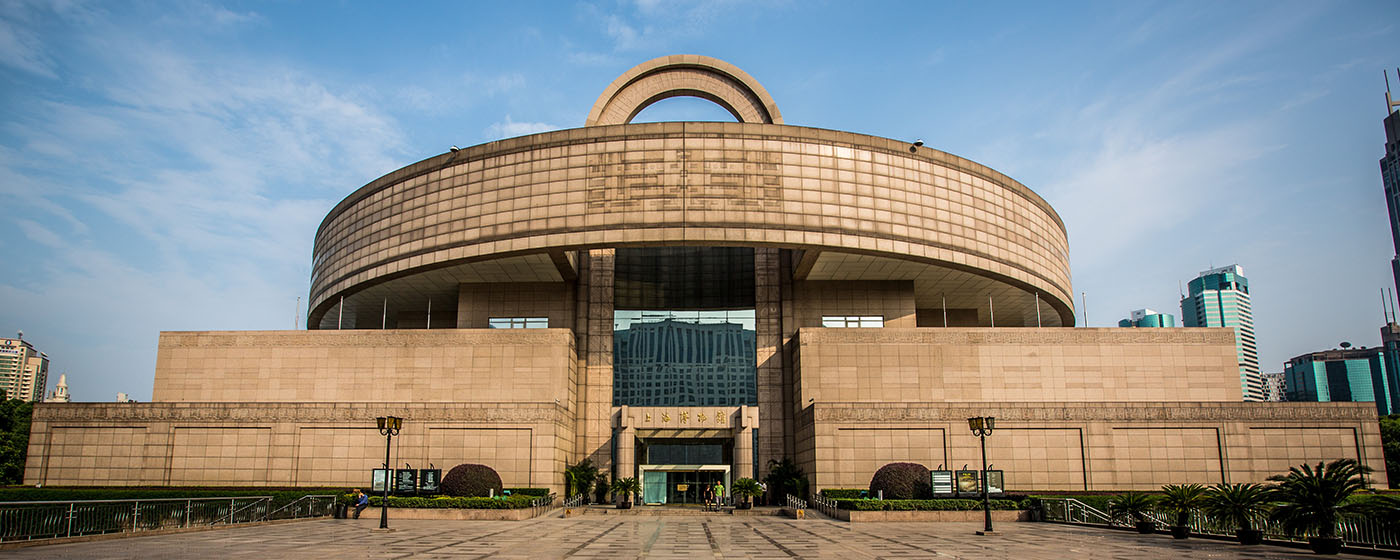
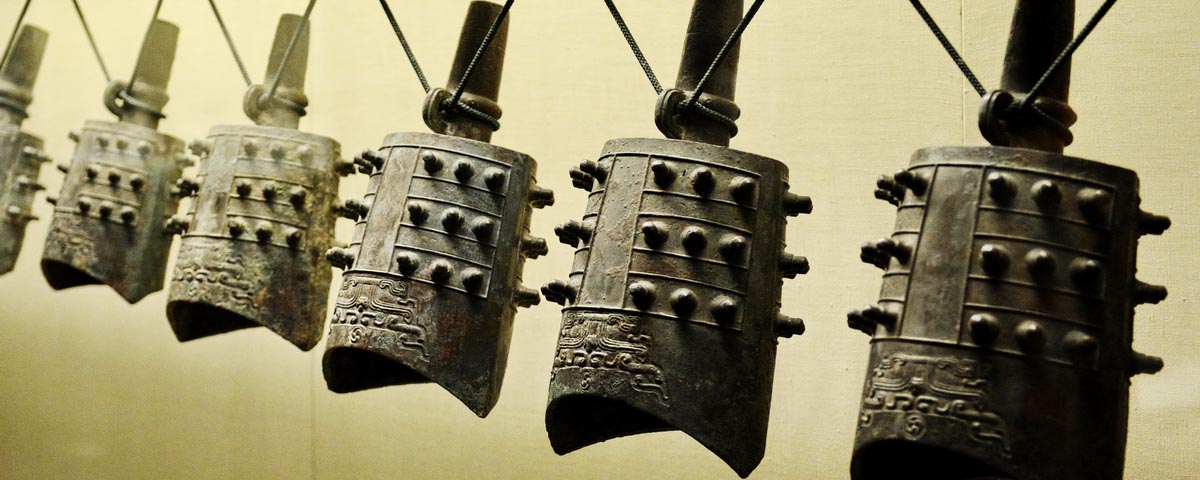
Shanghai Museum
Introduction
The Shanghai Museum is located in Huangpu District at the People's Square right at the center of Shanghai. It is a large museum of ancient Chinese art, wisdom and philosophy. Its exterior design takes the shape of a round dome representing heaven and a square base that symbolizes a squared land.
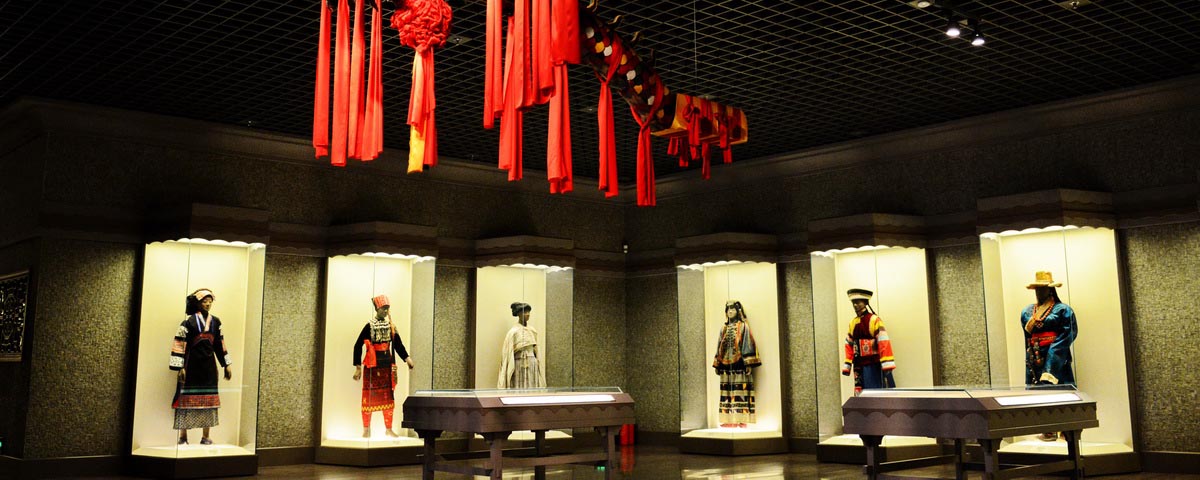
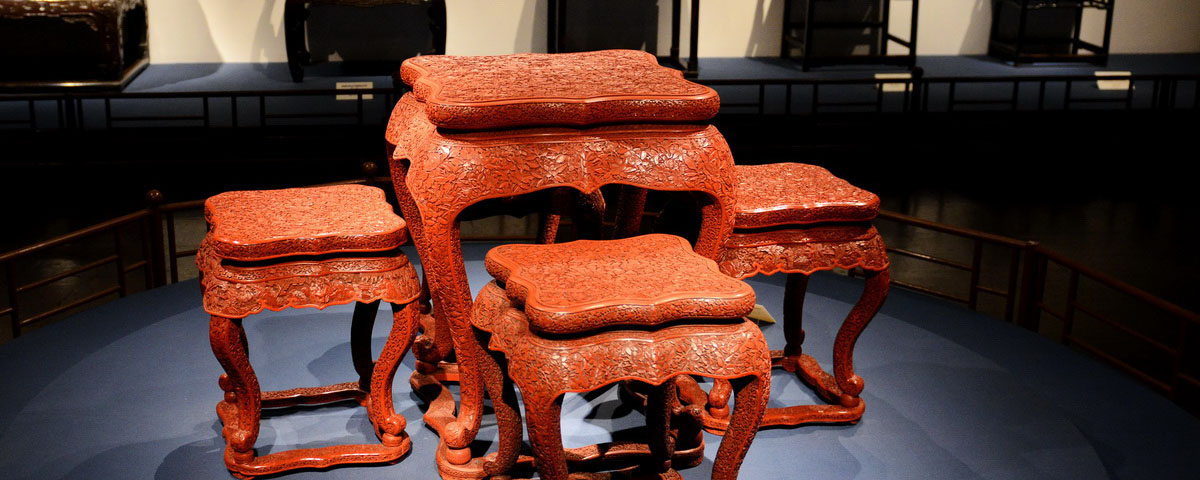
The museum is divided into eleven galleries and three exhibition halls. The eleven galleries display Ancient Sculpture, Calligraphy, Ancient Bronze, Ancient Ceramics, Ancient Jade, Paintings, Ming and Qing Furniture, Coins, Seals and Minority Nationalities.
Things to see and do on a visit
Bronze
The bronze ware of the Zhou and Shang dynasties contribute to the learning of ancient civilization with over 400 pieces of exquisite bronze wares. Tourists can learn and see the rich culture of bronze. Visitors can see Da Ke Ding (food vessel) originally from Shaanxi province measuring 93.1cm high and weighing 201.5kg with 3 hoof feet. It is a symbol of power and social level whose surface bears inscriptions of 290 characters giving the vessel essential respectable status being one of the only two biggest round bronze Dings with inscriptions in China. In addition to this, there are smooth and excellent carvings of beast faces and curly lines. Da Ke Ding is used for the study of the economy and history of the West Zhou dynasty.
There is an Ox-shaped Zun (Wine Vessel) is a unique and rare vessel for heating liquor because of its descriptive shape of an imposing and strong ox. It was made during the late Autumn and Spring periods between 699 BC and 476 BC. The vessel combines heating and filling liquor and is the only one found in the Shanghai Museum.
In the museum, there are also bronze relics such as a vessel for measuring volume known as Fangsheng of Shangyang displaying the advancement of ancient Chinese in mathematics and instrument manufacture. There is an old water container called Pan of Zi Zhong Jiang with sculptures of birds, fishes, turtles and frogs.
Ceramics
Another treasure in the museum is the ancient ceramics collection. Visitors can appreciate over 500 pieces of ceramics like the grey pottery from the Neolithic Age. Celadon or tri-colored glazed potteries of the Shang, Zhou and Warring states of the Han and Tang Dynasty. Blue, white and black glazed painted porcelain from the Song, Jin and Liao, and the brilliant works from Jingdezhen, Jiangxi which was the center of the industry during the Yuan, Ming and Qing dynasties. The beauty of fire and clay on the displays in addition to uniquely shaped works such as the Celadon Li shaped Censer and a masterpiece from Longquan kiln that represents high skill sets of celadon from ancient China. The Celadon Begonia in the shape of a Bowl from Yue kiln in Tang dynasty looks like a full blooming begonia flower. An olive vase with a peach pattern, known as a Peerless Treasurable Vase, has fresh pink peaches growing on vigorous light green branches with perfectly ordered blossoms in color yellow and rose. The Figure Playing Lute created from Sichuan displays a relaxed and satisfied player who is enchanted by the sound of music.
Paintings
The museum is home to over 120 pieces of outstanding works of Chinese paintings from renowned artists from the Tang dynasty to modern times. Visitors can see authentic work such as Mr. Sun’s silk painting work from the Tang dynasty displaying multiple techniques and undivided efforts. There are also fancy paintings and vivid pieces all over the museum to amuse visitors.
Calligraphy
Shanghai Museum has a unique collection of works of calligraphy from thousands of years ago to the Qing dynasty to allow visitors with the opportunity to appreciate the brilliant writing of all styles. For instance, Ya Tou Wan Tie, Letter from 317 AD to 420 AD is one of the most important pieces housed in the museum displaying both talent, the use of art in a graceful charm and conveys a message in the most informal way. Pieces of Zhu Zhishan can also be seen and they express his wild personality amongst many other pieces from other renowned individuals.
Jade
In the Shanghai Museum, visitors can see beautiful jade wares with delicate carvings and learn more about its decorative and symbolic meaning in addition to its fortune and many other magical significance of the rock in ancient China. Visitors can also see pieces such as Cong with the Anthropomorphic Mask, the Hindustan Octagonal Case, the Funerary Face, Gu with Three Chi-dragons Design and the flying bird design. Another renowned piece is the 4,200-year-old Jade Divine figure standing at 10.3 centimeters high as the only one of its kind in the world testifying the best quality of jade glittering through the translucent material.
Sculpture
The Gallery of Chinese Ancient Sculpture focuses mainly on Buddhist sculptures in the key colors of black, red and gold. The Head of Kashyapa showcases a simple yet unadorned inner beauty with a broad forehead, fine brows, kind sight and warm smile. The kneeling Bodhisattva stone sculpture is also worth a visit and the Thousand Buddha Stele with countless carvings of Buddha.
Seal
At the museum, the importance of seals in history from the Western Zhou to the end of the Qing Dynasty is displayed. There are more than 500 seals of different materials. For instance, the Seal with Inscription Jin Gui Yi Di Wang is a rare masterpiece made of gold and is more than 1,650 years old. Furthermore, there is the seal with Inscription Wu Yi that is a seal character transformed from the images of fish and birds amongst many other seal to enable visitors to learn more about their history and origin.
Other Exhibits
Shanghai Museum also has a huge collection of other valuable treasures. There is a collection of over 7,000 pieces of currency showing its origin and development over time from the time Bronze was being used till the Modern era.
There is also a gallery showing a refined garden like a residence during the Ming and Qing dynasties. Visitors can see the elegant and fine ancient designs from back in the days to the development of modern designs.
In addition, there is a colorful display for the minority nationalities ranging from metal wares, clothes, pottery, bamboo wares, sculptures and lacquer.
Yu Garden
Yu Garden
Introduction
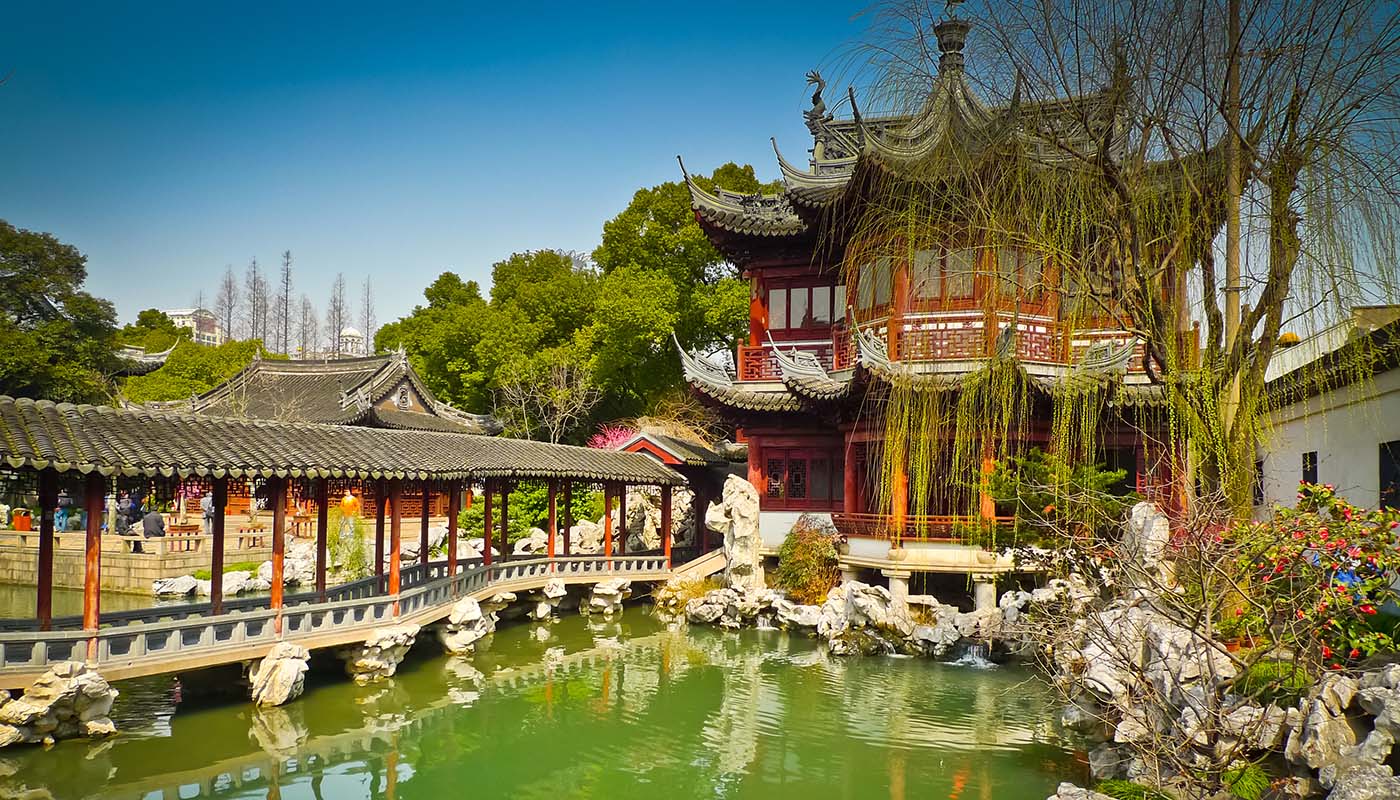
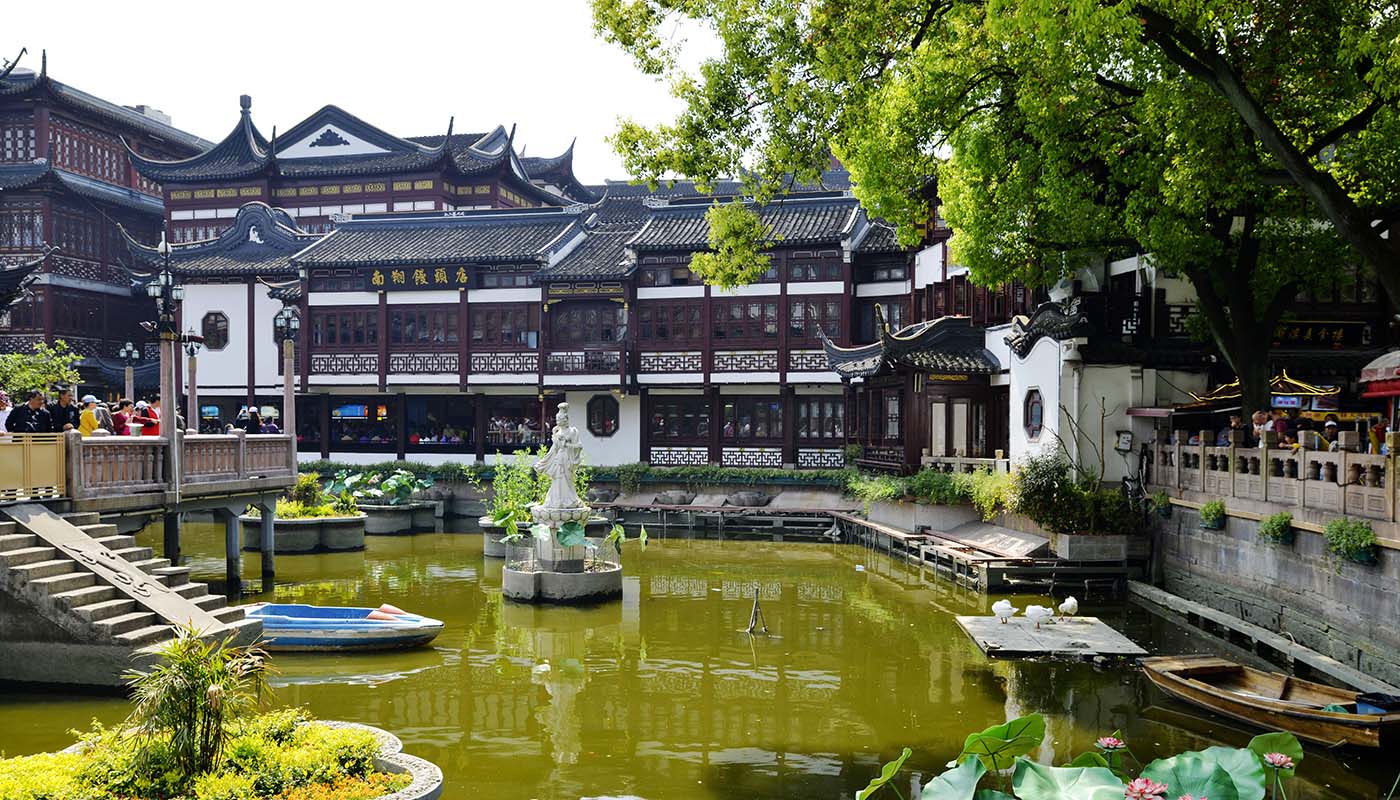
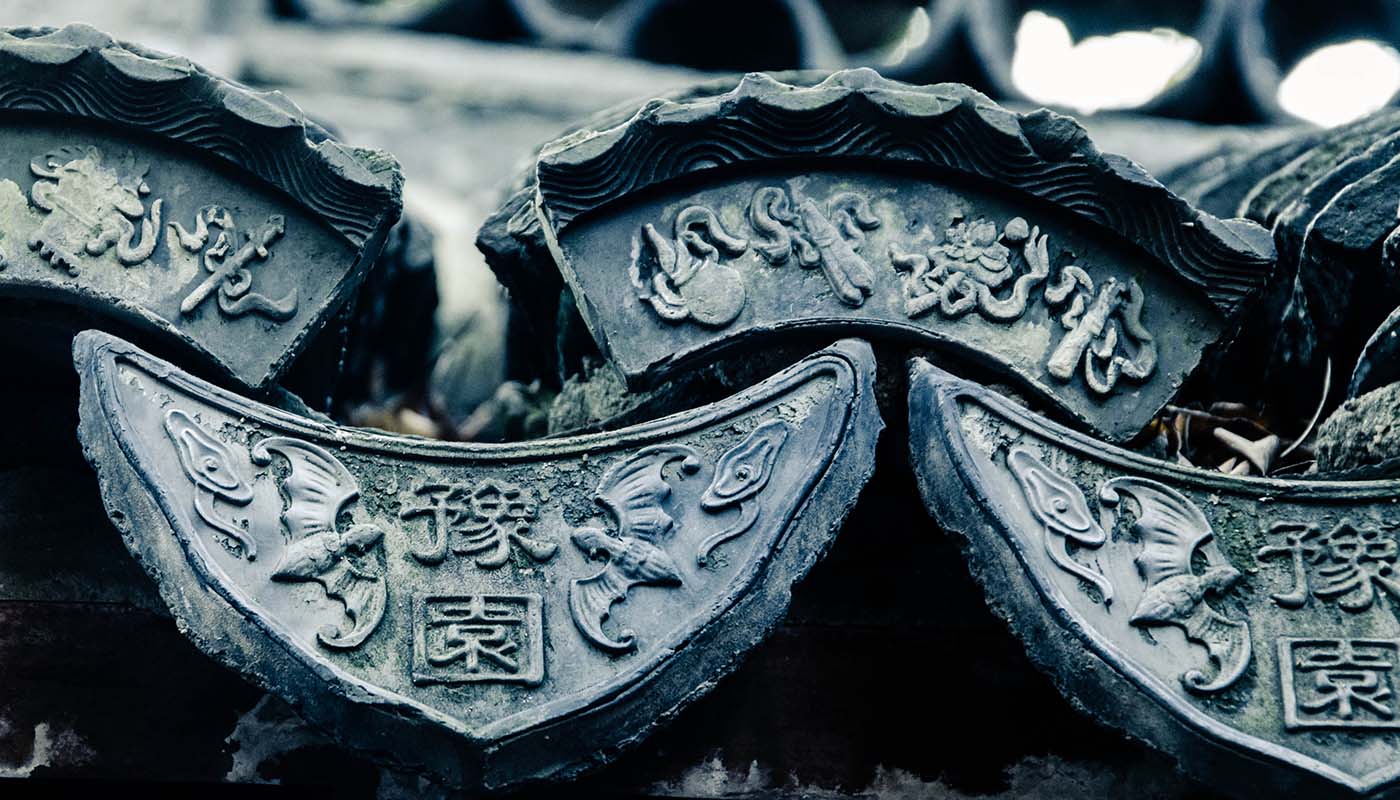
A completely restored classical Chinese Garden located on number 137, Anren Street in Huangpu District near the Old City God Temple, Yu garden occupies an area of approximately 20,000 square meters and is ranked as one of the must-see destinations in Shanghai. It was inaugurated 400 years during the Ming dynasty (1368-1644) and was owned by Pan Yunduan, a government official. Pan built this garden for his parents as a place for relaxing in their old age and gave it the name Yu which is a Chinese name that means satisfying and pleasing. Pan hired expert horticulturists to design the layout of the garden making it the most famous and the biggest garden of his time. However, the garden really cost him a fortune to the extent of making him bankrupt.
It has more than 40 scenic spots and are divided into six sections by five walls. The six scenic spots include the Ten Thousand-Flower Pavilion, the Lotus Pool, Grand Rockery, the Hall of Jade Magnificence, the Hall of Heralding Spring and the Inner Garden. The garden was later inherited by Zhang Zhaolin, who was Pan’s granddaughter's husband and was then passed down to different owners.
Between 1760 and 1780, the garden was face-lifted by a group of merchants and the West Garden was eventually opened to the public. The gardens went through damage for a couple of times during the 19th century. However in 1842, the garden succumbed damage due to the First Opium War when the British army used the Huxinting Teahouse, during the Taiping Rebellion, the Small Swords Society used Dianchun Hall as its headquarters. Between 1956 and 1961, the garden was repaired by the Shanghai government and was later opened to the public in 1961.
Things to do and see on a layover
Exquisite Jade Rock and Carvings
This exquisite jade rock is the true treasure of Yu Garden and is amongst three other famous rocks in south China. The jade rock measures 3.3 meters in height and weighs 5 tonnes. It is shaped beautifully and has spikes and is porous with 72 holes. It is a very unique rock and has interesting characteristics that fascinate tourists. For instance, when water is poured from the top of the rock it will flow out from every single hole creating the most flattering view and also when a joss stick is burnt from below the rock, smoke magically flows out through all the holes.
In addition to the big rocks, there are also small brick carvings and clay sculptures that are very interesting to look at.
Yuhua Hall
Yuhua Hall is located in front of the exquisite Jade Rock to appreciate the existence of the magical rock. The furniture inside the hall was made during the Ming Dynasty using top-grade rosewood and displays the most natural and graceful looks.
Flower Show
Every year there are flower shows such as the orchid show is held in April, plum flower show held in January and chrysanthemum show held in September. The shows are organized by private individuals.
Great Rockery
In the garden, there is a great rock that is known as the Great Rockery built with thousands of tons of rocks standing at 14 meters high and is the oldest and largest rock in the southern region of the Yangtze River. From the top of the rock, visitors can get a bird's eye view of the garden.
Lantern Show
This Lantern Show is held every New Year from first January to eighteenth of every lunar calendar.
Sansui Hall
Sansui Hall was named from the book of the history of Han Dynasty which means propitious and lucky. It was constructed at a height of 9 meters with five rooms this hall is the most accommodating area in the garden that was used initially used as an entertainment area for events and ceremonies.
Cuixiu Hall
Located at the foot of the Great Rockery near Cuixiu Hall, this elegant and quiet hall is surrounded by the most magical flowers and old trees. Visitors can also walk through curio shops in the hall.
Wanhua Chamber
This delicate building is enclosed by spring bamboo surrounded by cloisters. Right in front of the chamber are two old trees. One of which is believed to have been planted by Pan and has over the years grown to 21 meters high.
Nine Bend Bridge
This Nine Bend Bridge is zigzag in shape and is also part of the Yu Garden. When night falls, the area around the bridge glows under colorful lights creating a very attractive scene. During the Chinese New Year, lantern exhibitions are held here and they attract great crowds. Locals believe that walking across the bridge brings people good luck in that the number nine symbolizes auspiciousness.
Painting and Calligraphy Exhibition
There are paintings and calligraphy exhibitions sometimes held in the garden where famous artists display their work, inscriptions and couplets.
Food and Shopping
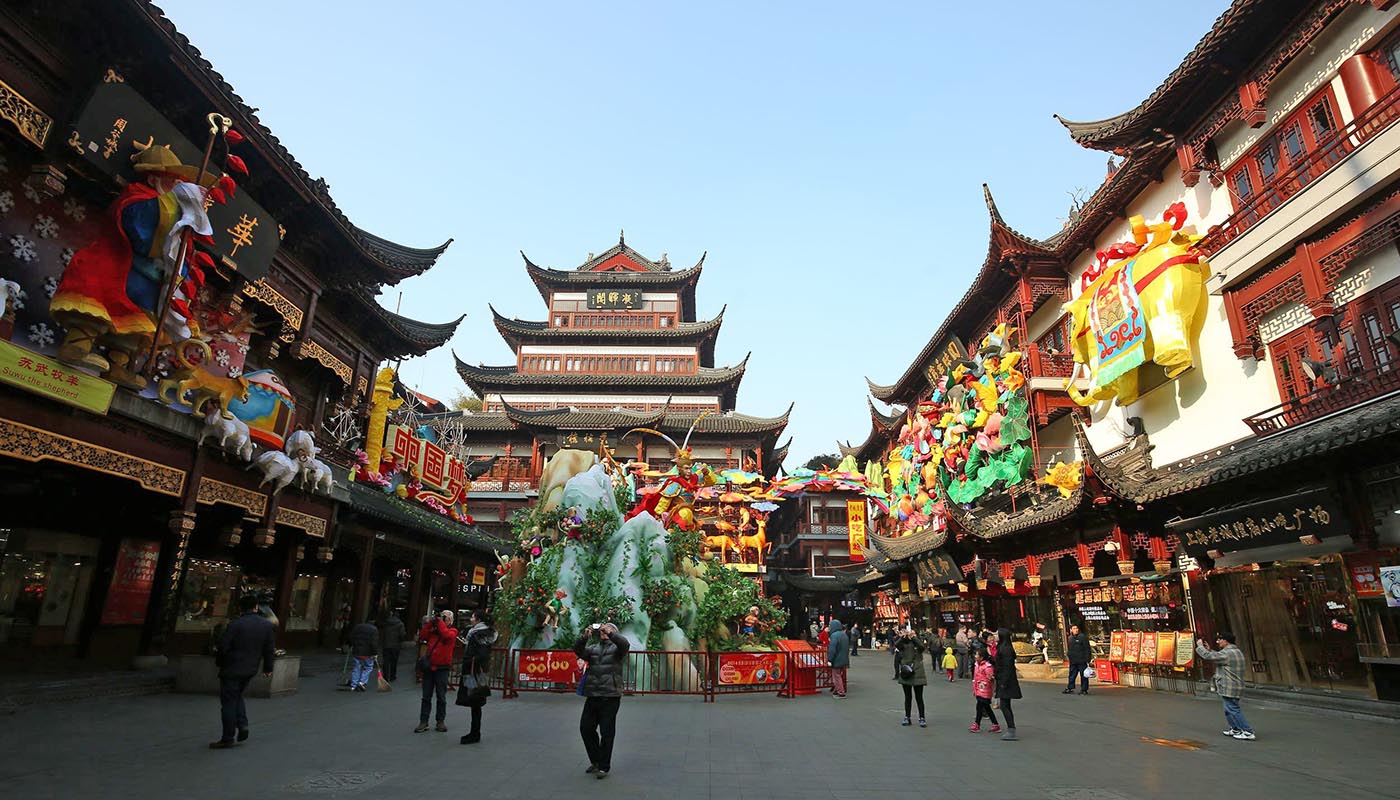
Outside of the garden, visitors can also taste numerous Shanghai snacks like Nanxiang steamed buns, chop rice cakes and crispy fried cakes that are really juicy and soft. On the bazaar, visitors can shop for souvenirs like jewelry, antiques, decorations, arts, handicrafts, lanterns, silk, crafts and many more products.
City God Temple Bazaar
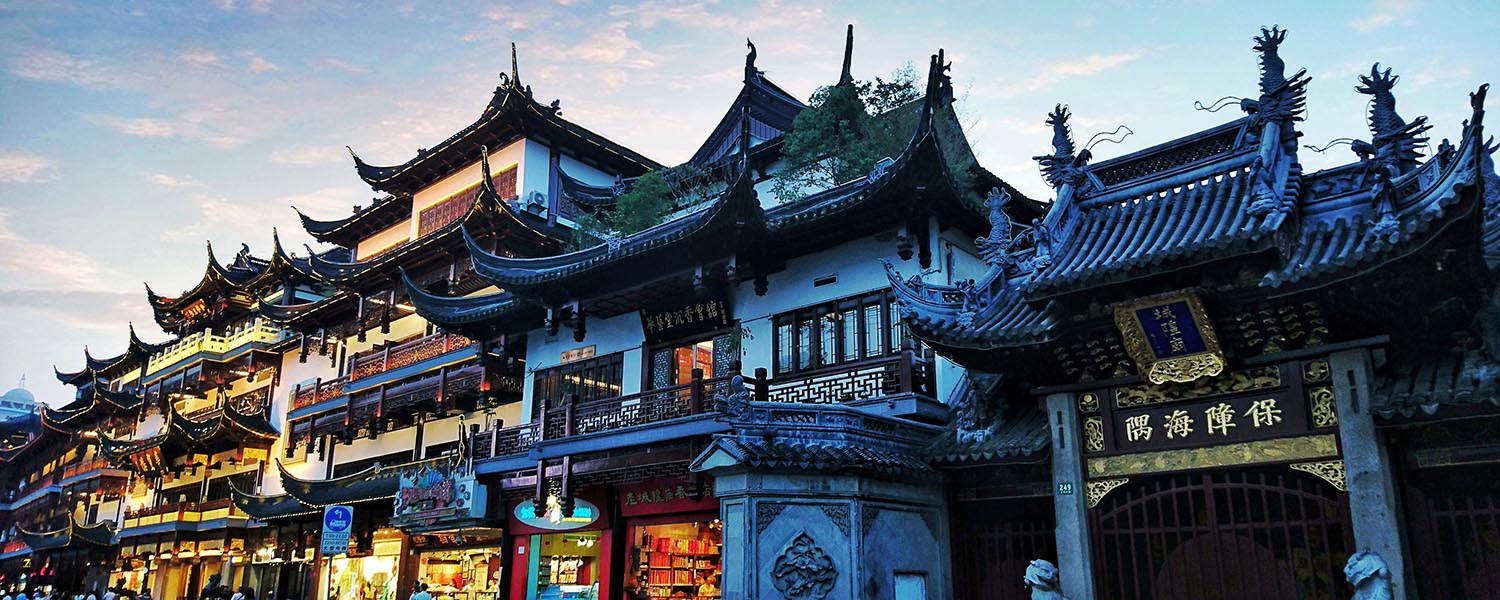
City God Temple Bazaar
Introduction
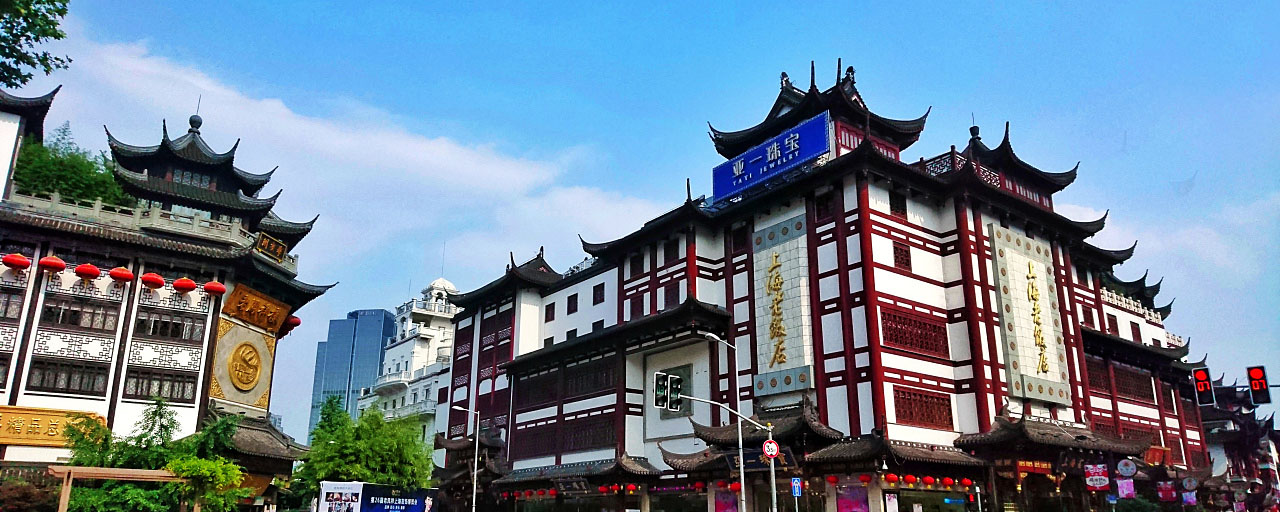
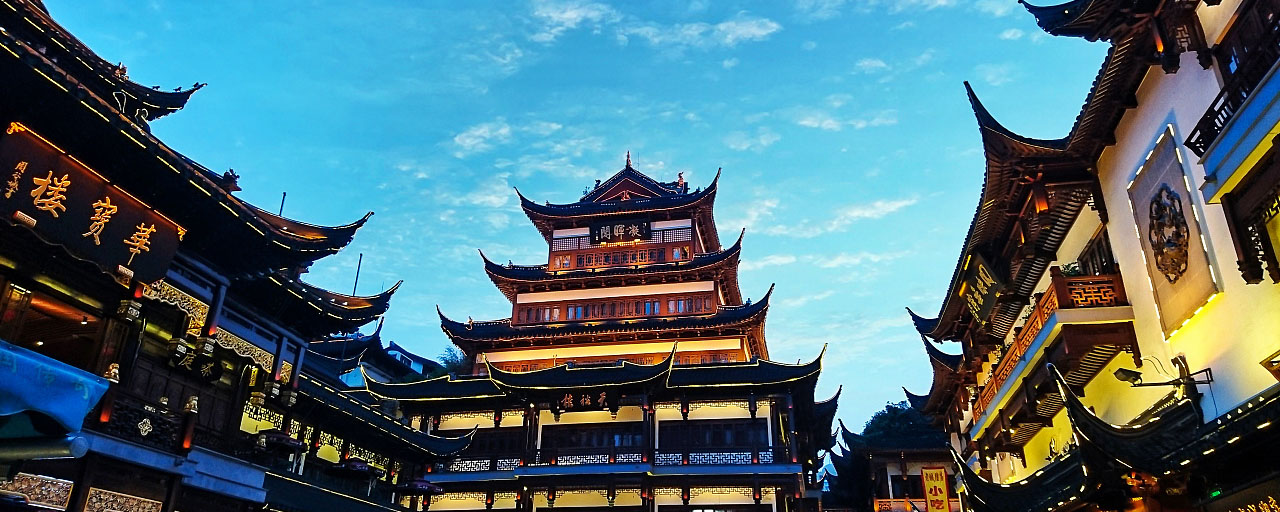
Originally known as the Jinshan Temple, the Yu Garden Market and locally known as Chenghuangmiao, the City God Temple is a Taoist temple located at the Middle of Fangbang Road and is connected to the Yu Garden in the south near the bustling Yuyuan Market. It was constructed during the Ming Dynasty between 1402 and 1624 during the reign of Emperor Yongle to protect the safety of the people in the city where the gods are referred to as patron Taoism saints.
The street where the temple is located now covers an area of 2000 square kilometers and has developed over time and expanded to accommodate shopping centers, open-air stalls and snack streets stretching from Anren Street towards the east, Old Xiaochang Road on the west side and Fuyou Road in the north. Presently, the temple includes nine palaces Sixty-year Cycle Palace, Parents Palace, City God Palace, Empress Palace, God of Fortune Palace, Huo Guang Palace, Cihang Palace, Wenchang Palace and Guansheng Palace. The temples halls have immortal statues that receive endless prayers and are perceived to be in charge of different aspects of life. There are also three god towns like the Qin Yubo, Huo Guang and Chen Huacheng. Qin Yubo was constructed to resemble the emperor's throne room because his mum wished to see it but when the emperor discovered his intentions, Qin Yubo transformed it to look a temple to escape punishment.
Things to see and do on a visit
Ancient activities
At the temple visitors can watch folk performances, acrobatics, learn special calligraphy and participate in cockfighting.
Local snacks
The area around the temple is full of local snack vendors and a wide variety of restaurants. There are many renowned restaurants such as Lu Bo Lang that have had the privilege of hosting various international guests including former American president Bill Clinton and Queen Elizabeth II. In addition, there are many others like Shanghai De Xing Guan, Songyue Vegetarian Restaurant and Nanxiang Small Steamed Buns. The area has delicacies such as Shepherd's-purse Wonton, Crystal Shelled Shrimp, Eight Delicacies in Hot Sauce, a variety of buns like Crab Soup Buns, Barbecued Pork Buns, Mini Steamed Buns and Vegetable Buns, desserts such as Black Rice Balls, Date Mash Cakes, Osmanthus Cakes, Chop Rice Cakes and Plum Flower Cakes among many more.
Worshipping
At the City God Temple immortals such as Huo Guang who was a famous general in the Western Han Dynasty is worshipped. Guan Yu is honored as the general during the Three Kingdoms period and the national martial icon for centuries. There are also immortals responsible for fame, wealth, and literature amongst other many human needs. Sacrifices are also offered here to local deities to appreciate their honesty and favors.
The temple is also known as two city gods because two gods share the same temple with Huo Guang occupying the front hall and the god of Shanghai city Qin Yubo occupying the back hall.
Shopping
Apart from worship, the temple area is a flourishing shopping area with handicrafts, buttons, souvenirs, holiday decorations, plush, antiques, snacks, gadgets and different types of gifts.
Bund
Bund
Introduction
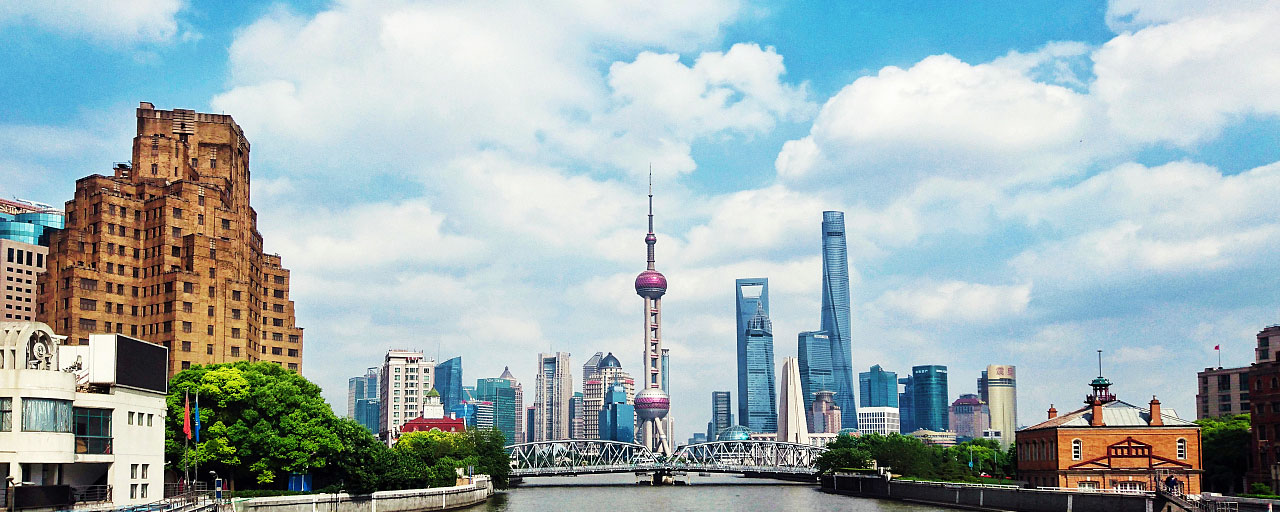
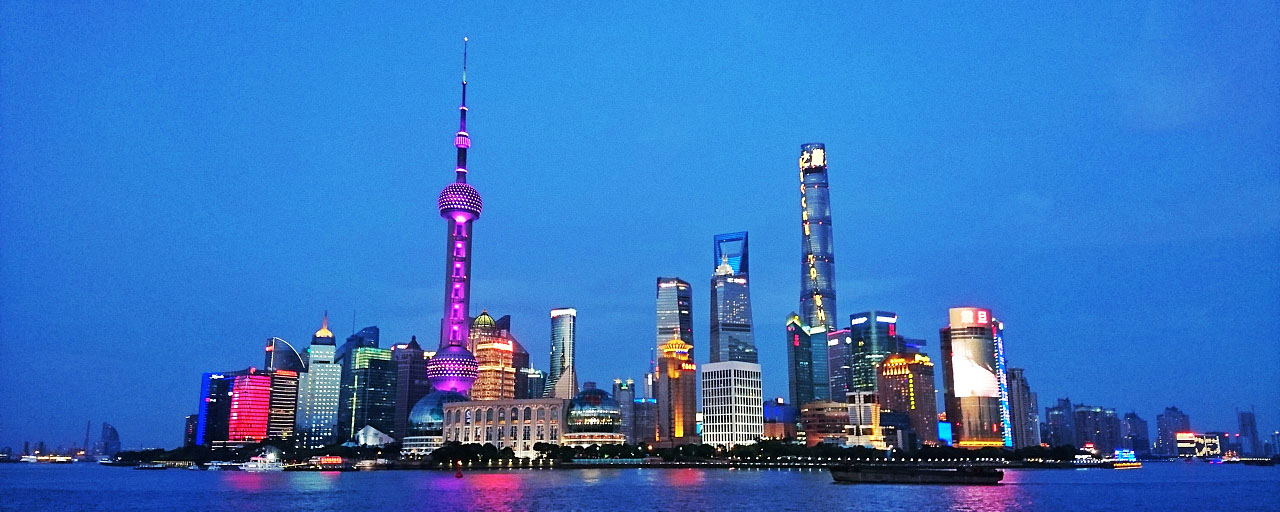
The Bund popularly known as Wai Tan is a renowned waterfront on the west bank of Huangpu River in Huangpu District, Shanghai. The waterfront stretches for 1500 meters from Waibaidu bridge to the east of Jinling Road and it faces the Oriental Pearl Tower. There are 52 different classical buildings bearing western, Baroque, Romanesque, Gothic and Chinese styles which make up the financial center of old Shanghai and the concentration zone of foreign trade agencies. The area is located on East Zhongshan number one road and is recognized as the pride and symbol of Shanghai.
The name Bund is of Anglo Indian origin and it means an embankment of a muddy waterfront. The area where the Bund stands now used to be a muddy towpath for boats from Huangpu River. In 1842 after the First Opium War Shanghai opened up and became an open port where Great Britons settled. In 1845 the British colonialists seized the Bund and set up the British concession. Afterward, many other foreign nations such as the United States of America, France, Russia, Italy, Belgium, Japan and Netherlands set up their distinct buildings raising the status of Shanghai to become Asia’s leading cosmopolitan and thriving financial and commercial center.
Things to do and see on a visit
The Bund Sightseeing Tunnel
This sightseeing Tunnel is a three to five minutes ride that goes through colorful lights in a distance of about 646.7 meters running between Puxi and the Oriental Pearl Tower in Pudong.
Sunset on Waibaidu Bridge
Waibaidu Bridge is the best place to have a view of the old Shanghai complex. When the sun sets this bridge is shrouded by golden rays and creates a romantic scene for love birds. Many film directors and producers choose this location for scenes and it has become very famous amongst locals and tourists alike.
Stroll at the waterfront avenue
Strolling along a mile-long stretch at the Huangpu waterfront from the north end to the south end gives visitors the perfect opportunity to see colonial-era architecture from western roots that are graceful and rich antiques. Visitors get to see arches from ancient Greece, Spanish balconies, pointed Gothic roofs and Baroque columns.
Cruise on the Huangpu River
A cruise on Huangpu River presents visitors with the chance to see historical architecture and soaring skyscrapers on the opposite side of the river. At night the buildings on the banks are illuminated and present a very enchanting view of Shanghai. The florid Bund night view from a Huangpu River cruise. Dazzling lights completely enlighten the area and exhibit the magnificence of the buildings on the banks and flashing light shadows reflect on the floating river water.
Most of the cruises last as long as thirty minutes to three and a half hours cruises. In addition there is a ferry ride across to Pudong where visitors can also experience the scenic views on both sides of the river.
Watch the Locals Doing Their Morning Exercises
At the Bund, locals can be seen taking their regular morning exercises. Some will be seen jogging, walking, practicing tai chi and flying kites.
Spend Some Time in Huangpu Park
At the northern end of the Bund is Huangpu Park. It is like a small oasis situated between the Bund and busy shopping areas. The manicured lawn and gardens particularly stand out as there is not much green space in this part of Shanghai. It is a wonderful place to have a rest and to take photos, day or night.
Where to Shoot Panoramic Views of the Bund?
There are three ideal locations to see the full view of the Bund: Pudong Binjiang Avenue, on a Huangpu River Cruise, and one of the skyscrapers in Pudong like Shanghai World Financial Center, Oriental Pearl TV Tower, Jin Mao Tower and Shanghai Tower. If you want to take beautiful photos of the Bund, we advise you to hire a guide who can give you tips about when and where to go. A knowledgeable guide can arrange different places to take photos according to the weather.
Appreciate high rises across the Huangpu River
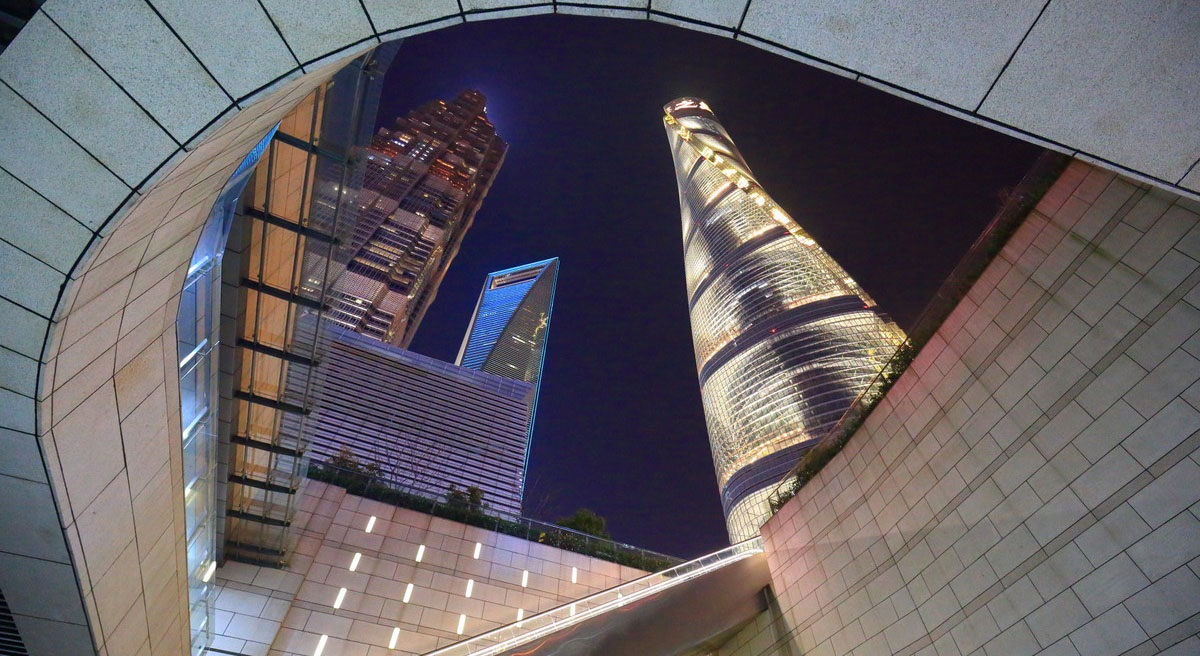
At the Bund, visitors can feel the charm of the exotic old Shanghai and also experience modern Shanghai across Huangpu River dominated by dense high rises in Pudong New Area on the opposite bank. There are buildings such as the Shanghai Tower, the World Financial Center, the Oriental Pearl Tower, Jin Mao Tower and the top four highest skyscrapers in the city. These skyscrapers dominate the skyline and create a perfect backdrop for photographers.
Shanghai Tower
Shanghai tower
Introduction
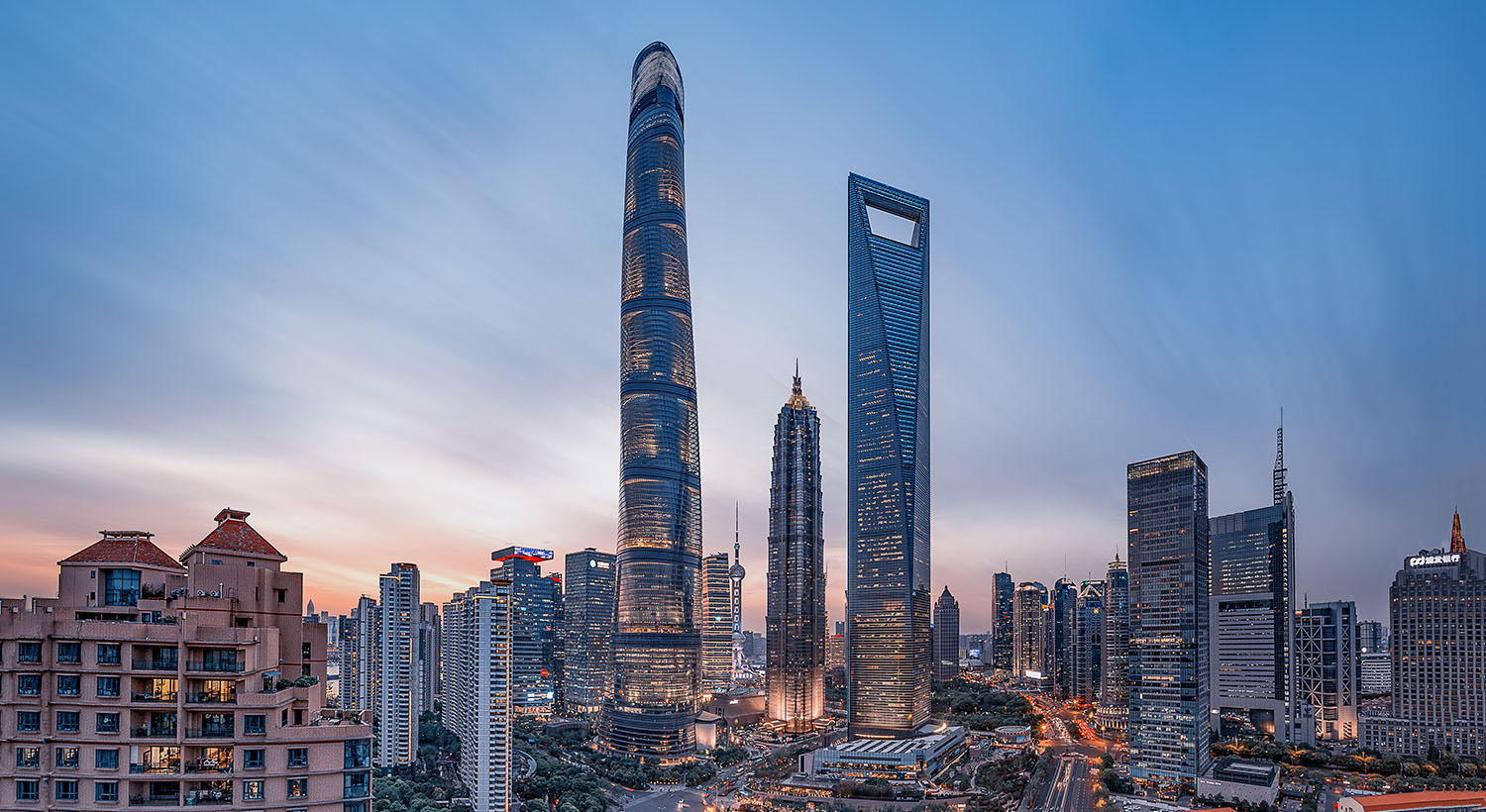
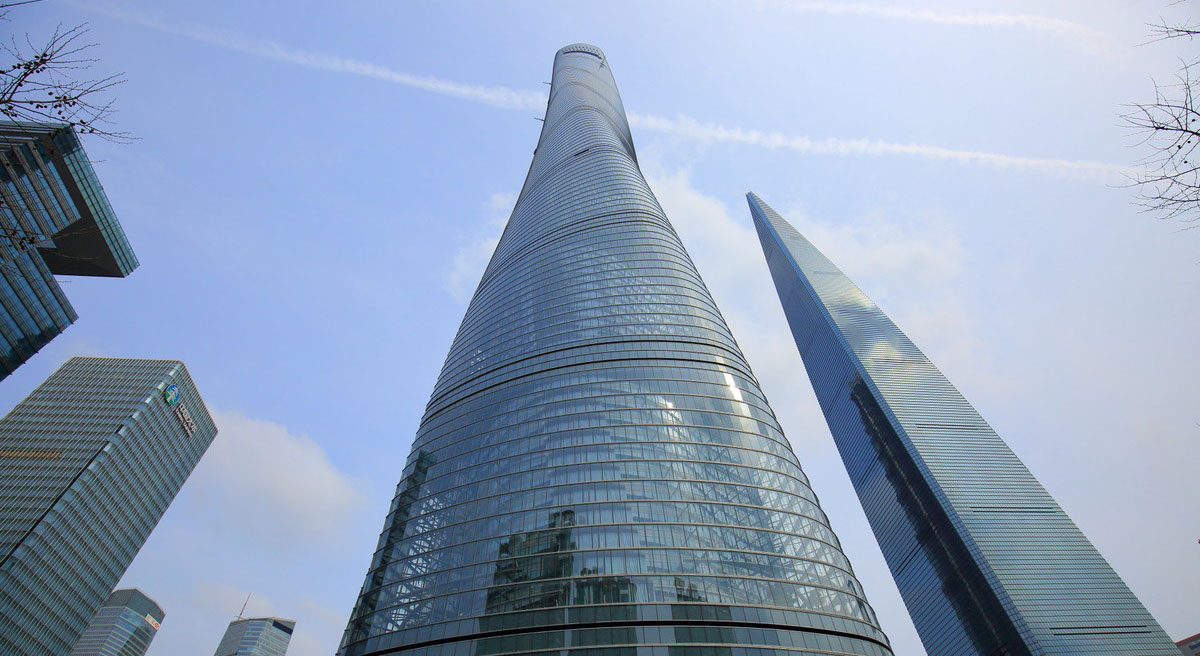
Shanghai Tower is located on 501 middle Yincheng road in Pudong New Area with Shanghai World Financial Center to the east and Jin Mao Tower to its north. Shanghai tower is one of China's tallest buildings standing at a dizzying 632 meters high with 127 floors and 5 basement levels. The tower covers an area of 30,368 square meters with its floor space covering around 576,000 square meters.
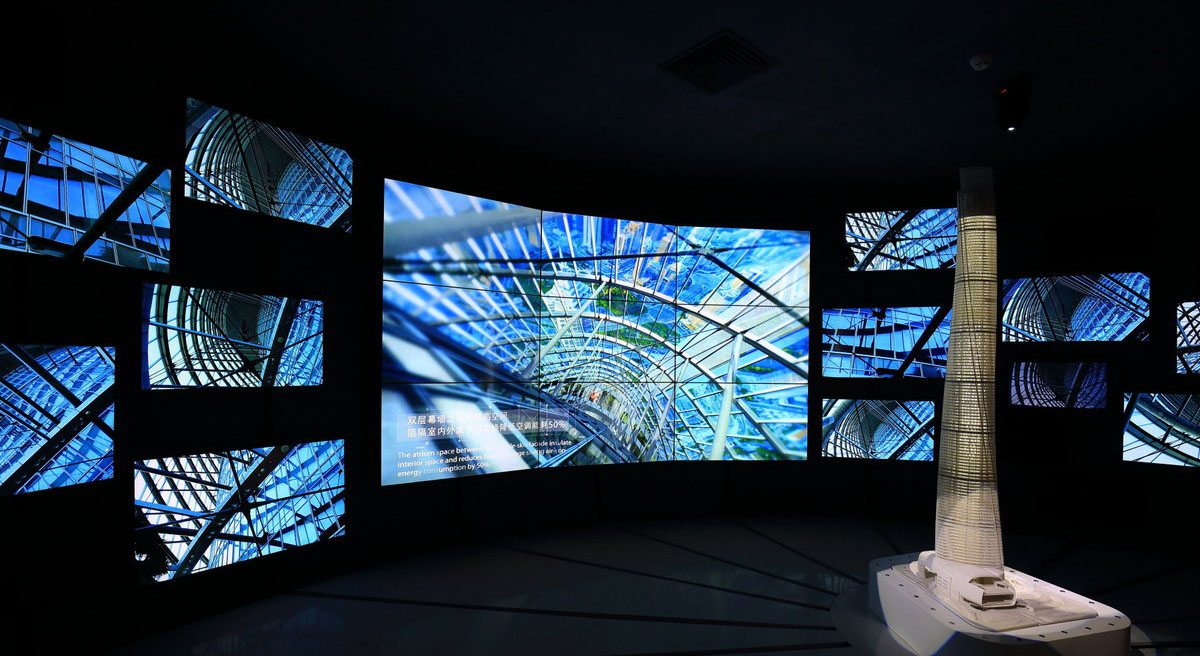
The building design is such that it spirals upward in a snake-like manner twisting one degree per level making a 120-degree rotation, a design that was put into use to protect the building structure from string winds making it as stable as possible. Construction engineers, first of all, put 980 foundation piles underground up to a depth of 86 meters. They then poured 2.15 million cube feet of concrete setting a 6-meter thick baseboard to strengthen the main building. It also has a double layer wall structure forming the building facade creating a form of insulator which also improves indoor air quality.
Major attractions and activities to do on a visit
Shanghai Tower Observation Deck
Located on the 118th floor at 1,791 feet high, a tour to this tower brings tourists to the world's highest indoor observation deck. Visitors get to this fantastic height on the observatory deck on a super-fast elevator that takes only 55 seconds to reach the 118th floor where they can take in unique panoramic views of the Huangpu River, other skyscrapers like the World Financial Center, the Bund and Jin Mao Tower. The panoramic views across Shanghai’s skyline are very rewarding especially during sunset and at night. In addition to this, there is an exhibition on the 125th and 126th floor of the Shanghai Eye which is unmatched and shouldn’t be missed out.
Shanghai eye
The eye is situated on the 125 to 126th floor with a damper to stabilize it. Exploring this level isn’t for the faint-hearted yet it is very thrilling.
Shanghai Tower Elevators
Shanghai Tower is serviced by 149 elevators and 108 of them are lifts. Three of the lifts can be used by visitors up to the height of 546 meters within one minute making the highest speed elevator in the world.
Shanghai Guanfu Museum
This displays the long history of Chinese civilization with exhibits of ceramics, statues, gold wares and porcelain.
World's Second-Highest Hotel
Visit and be part of this luxury hotel that’s located on the 84th to 110th floors that is currently the world’s second-highest hotel.
 Home
Home


