


Email: info@chinavisafreelayovertour.com
Phone: +86-13683536536
WhatsApp/iMessage: +86-13683536536
WeChat: +86-13683536536

Member
Porcelain House Details

Tour Code : C0112
Type : Historic sites , Museum
City / Province : Tianjin
Built in :
Go back in time 100 years ago at the Porcelain House decorated with at least 400 million pieces of ancient Chinese ceramic pieces and over 13,000 ancient Chinese porcelain pieces at a private museum decorated with about 400 million pieces and get an insight of the art porcelain pieces.
Porcelain House
Porcelain House (China House)
Introduction
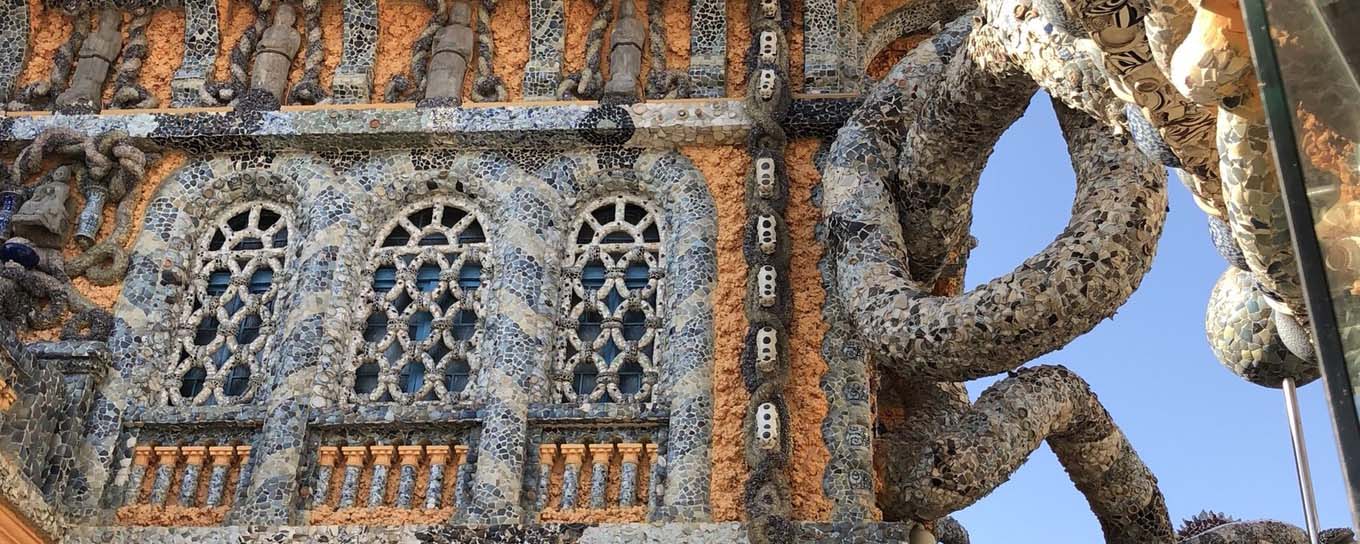
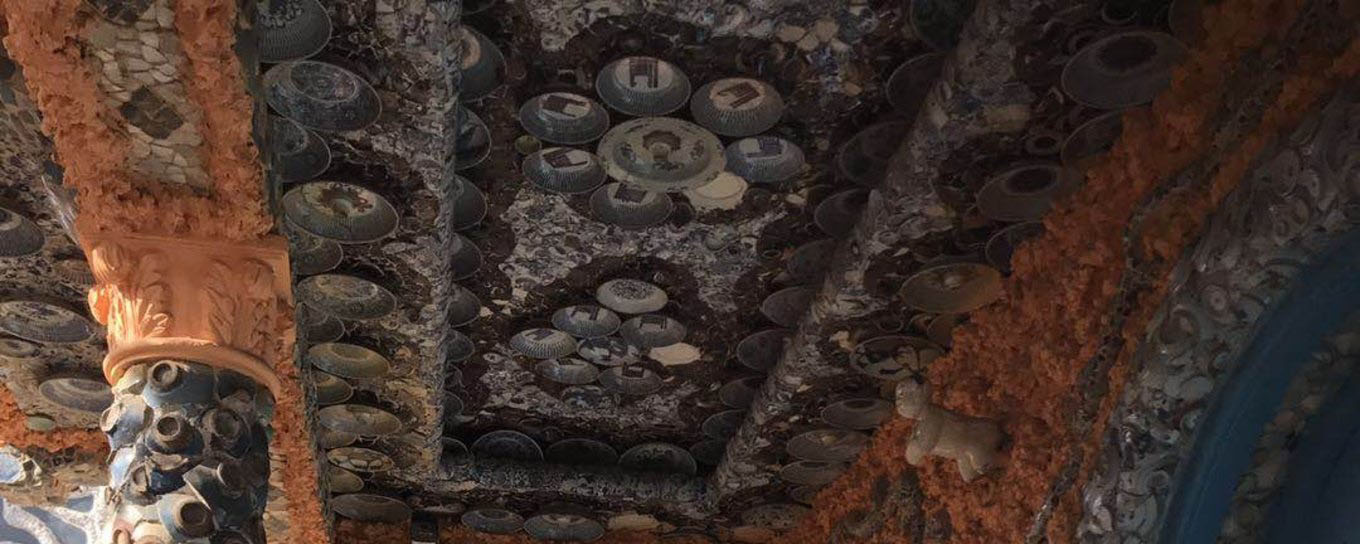
The Porcelain House is situated on Chifeng Road in Heping District at the old French Concession. It was first constructed in the 1920’s covering an area of 4,200 square meters. The building is constructed using the French architectural style embellished by porcelain. It is colorful and its doors, handrails, windows, roofs, ceilings, eaves and pillars are all decorated in chinawares. The building’s architectural design originates from France with an Italian interior style corridor. The house was inhabited by a contemporary Chinese diplomat Huang Rongliang and in September 2002 it was bought for a whopping price of 30 million yuan by Zhang Lianzhi who was a successful businessman, artist and collector. He spent over 20 years collecting the materials he needed and another five years to finish decorating.
After which he converted the house into a porcelain building to spread chinaware culture opening it to the public on September 3rd in 2007 and ever since then it has become a landmark in Tianjin. On September 23rd in 2010 the house was mentioned as one of fifteen other museums with distinctive designs by the US Huffington Post in the league of the Denver Art Museum in Colorado and the Louvre Museum in France.
Things to see and do on a visit
Porcelain Decorations
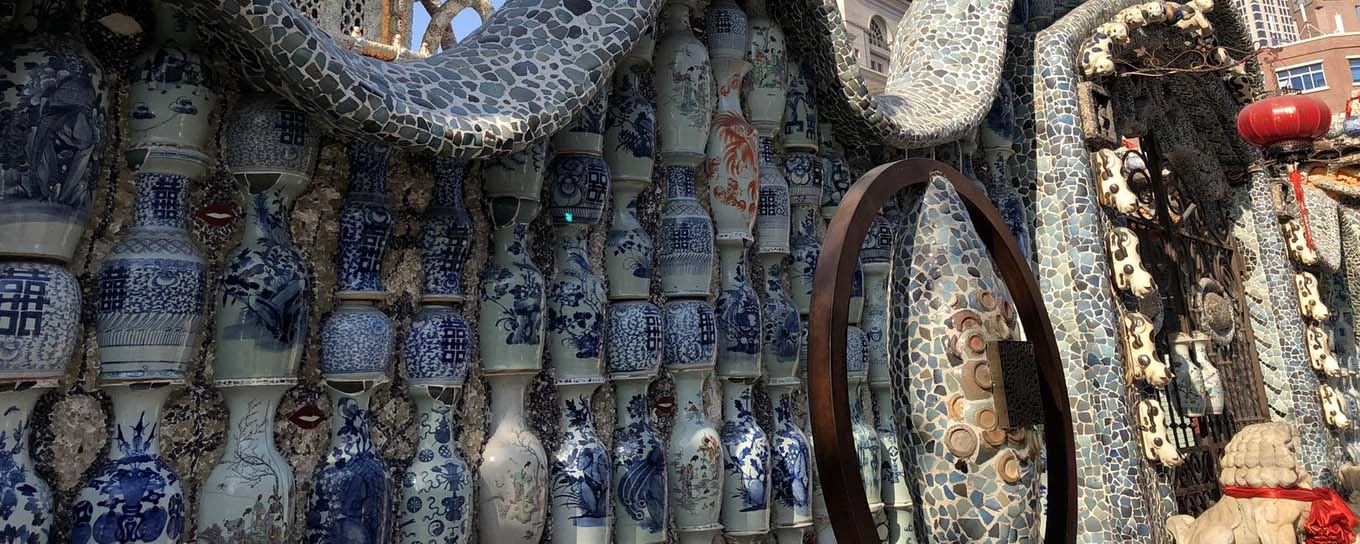
Visitors can see how the house has been decorated with up to 700 million porcelain pieces, 400 white marble sculptures, 4,000 ancient china vases and 40 tons of crystal and agate. The porcelain pieces originated from different historical periods. For instance, the tri-colored glazed pottery is from the Tang Dynasty, celadon from the Jin Dynasty (265-420), the blue and white china in the Yuan and Ming Dynasty, Jun china and Longquan celadon in the Song Dynasty and the rose china in the Qing Dynasty. All the decorations are cemented and glued and have even become part of the building. These decorations costed up to 2 billion Chinese Yuan. The house’s outside drainpipes are also embellished in cat shaped porcelain pillows and crystals.
The internal courtyard wall is covered with at least 3,000 porcelain vases and is referred to as the Wall of Wellness decorated with over 600 ancient Chinese porcelain vases. While the exterior wall is covered with four China dragons representing the power of ancient China. Every dragon measures at least 200 meters in length and is created from a sequence of thousands of porcelain pieces.
The house still maintains hundreds of precious furniture from the Ming and Qing Dynasty with up to 200 calligraphies and paintings some from abroad and others produced locally including masterpieces of great Chinese great masters like Qi Baishi, Zhang Xuan and Xu Beihong. On the other hand, works of foreign masters Picasso and masters Van Gogh can also be seen by visitors.
The roof of the building is covered in a gigantic dragon adorned by chinaware of a length of 768 meters and a width of 0.8 meters.
Learn traditions
Visitors can also see the rich essence of Chinese culture blended in traditional elements in the house. For instance, the use of white marble sculptures and rock images represent good luck and opportunities, the decoration of outside walls with vases symbolizes safety and peace and the decorations by Phoenixes and dragons represents prosperity and auspice.
Recommend Tour
1 Day All-inclusive Tianjin City Tour from Tianjin Port
8hours
Explore the highlights of Tianjin from Tianjin cruise port in one day, experience the unique atmosphere from other cities and learn the historical and modern part of Tianjin when visiting. Best travel experience!

2 Days Tianjin City Tour from Tianjin Port
48hours
Enjoy 2 days trip in Tianjin city from Tianjin port, have an in-depth exploration of the incredible city. Trace colonial history as well as Chinese culture during the visiting which will reward you with once-in-the-lifetime travel experience in China!

Got Question & Quick Answer


©2013- www.chinavisafreelayovertour.com

Introduction

Recommend Tour

FAQ
 Home
Home


Entertainment :
Cultural Value :
Environmental Quality :