


Email: info@chinavisafreelayovertour.com
Phone: +86-13683536536
WhatsApp/iMessage: +86-13683536536
WeChat: +86-13683536536

Member
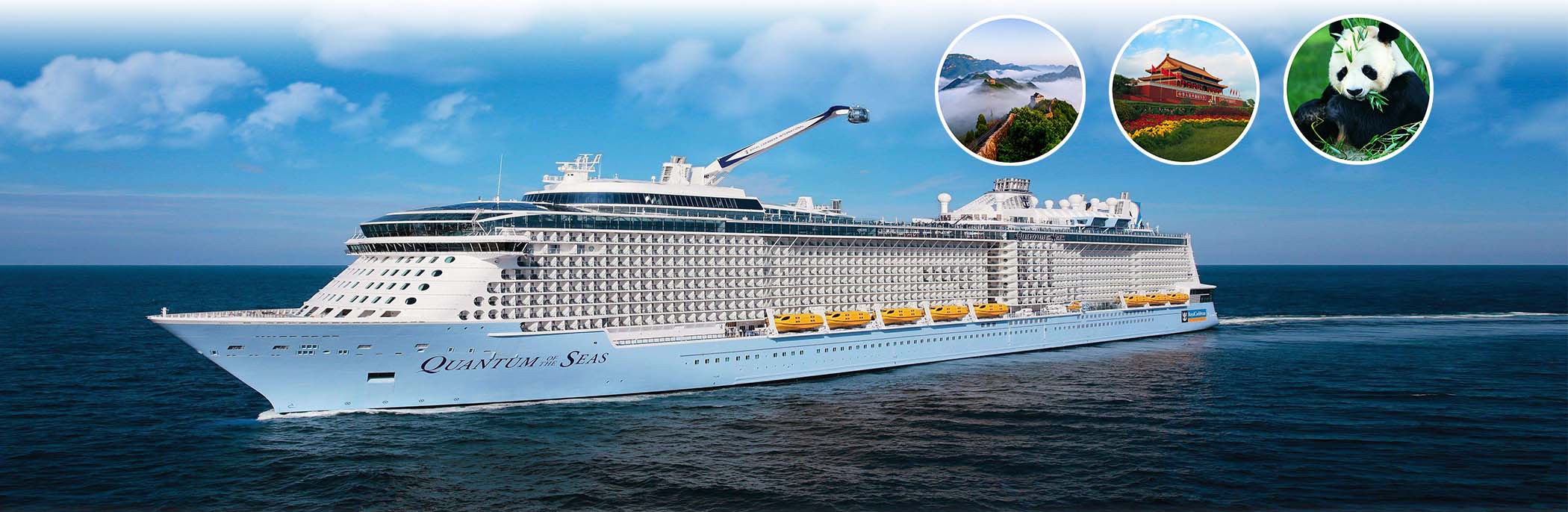
Private Tour
1 Person $589
2 Person $345
3 Person $294
4 Person $241
5 Person $213
6 Person $200
7 Person $193
8 Person $175
9 Person $164
10 > Person $154
Price Per Person in USD

Travel personnel
Number of rooms
Price : $1269
Are you going to have a long layover in Beijing? Take the best chance to know and visit the most famous, historical and cultural sites in Beijing, such as the Tiananmen square (the most important square in the whole China), the Forbidden city (ancient home of emperors) and Mutianyu Great Wall (one of the new 7 wonders of the world). Our professional tour guide and driver will pick you up at the airport, we will take you for a quick Beijing tour and get you back on time for your next flight. booking this layover tour can be a memorable part of your epic trip!
Tour Itinerary
Travel Calendar


Day 1 Tianjin
Tianjin Port Pickup, Five Avenue Area, Jing Garden, Lunch, Porcelain House, Tianjin Eye, Transfer to Hotel in Tianjin

Your friendly tour guide and driver will greet you at the exit of Tianjin Cruise Port.
~ 1.5 h : Drive to Five Avenue Area
~ 1 h : Visit Five Avenue Area
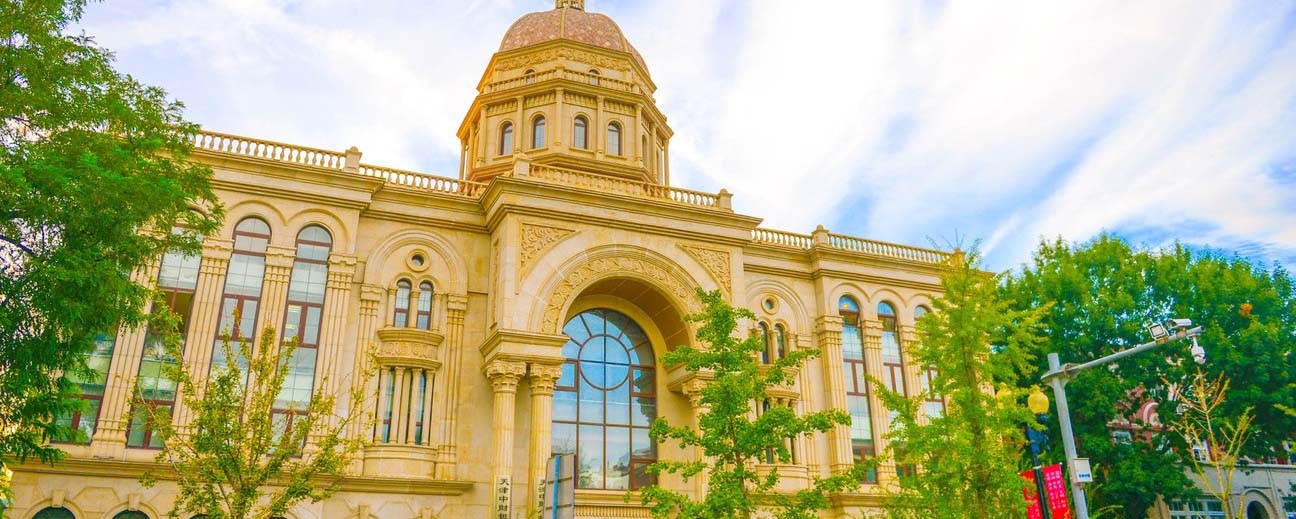
 Start by visiting the Five Avenue Area, enjoy over 200 buildings with architectural designs from different corners of the world like Gothic and renaissance among many others are represented.
~ 15 mins : Drive to Jing Garden
~ 1 h : Visit Jing Garden
Witness the blend of Chinese and European architecture with a hint of special layouts at Jing Garden where the last emperor Puyi lived.
~ 10 mins : Drive to Lunch
~ 1 h : Lunch
Enjoy delicious lunch at a local restaurant.
~ 15 mins : Drive to Porcelain House
~ 1 h : Visit Porcelain House
Enjoy Porcelain House full of antiques, marbles, crystals, fantastic porcelain pieces and potteries ornately arranged to create a renowned tourist destination.
~ 0.5 h : Drive to Tianjin Eye
~ 0.5 h : Visit Tianjin Eye
Enjoy the sparkling Tianjin Eye and rippling Haihe River, take some beautiful photos here.
~ 0.5 h : Transfer to Hotel in Tianjin
Day 2 Tianjin
Ancient Cultural Street, Italian Style Street, Lunch, Century Clock, Transfer to Tianjin Port
~ 0.5 h : Drive to Ancient Cultural Street
~ 1 h : Visit Ancient Cultural Street
Take a stroll on the Italian Style Street, enjoy the unique ambiance of Tianjin. Learn traditional Chinese culture and explore some unique boutiques here.
~ 15 mins : Drive to Italian Style Street
~ 1.5 h : Visit Italian Style Street
Trace the colonial history from the unique buildings, take some beautiful pictures.
~ 20 mins : Drive to Lunch
~ 1 h : Lunch
Enjoy delicious local street food at Nanshi Food Market.
~ 10 mins : Drive to Century Clock
~ 15 mins : Visit Century Clock
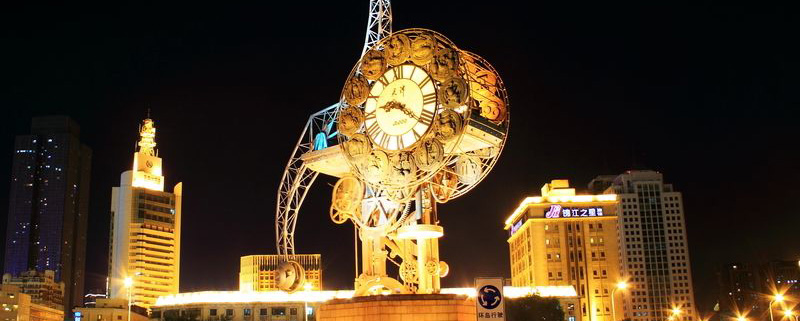
Head to a landmark at the Century Clock located at the Railway station standing at 40 meters high and weighing 170 tons commemorating the beginning of the Chinese Modern Industry in Tianjin. The clock also had an S style rocker which represents the substitution of Yin and Yang.
~ 1.5 h : Transfer to Tianjin Port
Your private driver will transfer you to Tianjin port, airport or hotel according to your request.
Day 1
Tianjin
Breakfast ✘
Lunch ✔
Dinner ✘
Tianjin Port Pickup: Your friendly tour guide and driver will greet you at the exit of Tianjin Cruise Port.
Five Avenue Area:

It is the most complete Western-style building complex in Tianjin and even in China
As a typical representative of municipal garden and residential buildings in Tianjin concession
Jing Garden:

Explore the former residence of the last emperor Puyi
Highlighted by a Spanish architecture
Porcelain House:

It is known as a priceless, China ancient porcelain Museum
See the porcelain pieces in the kilns of various dynasties and generations in China
Highlight Chinese culture and feel the charm of Chinese porcelain
Tianjin Eye:

Tianjin eye is the only skyscraper wheel in the world
It is one of the famous landmarks of Tianjin
Get to the top, you can have a panoramic view of Tianjin
Transfer to Hotel in Tianjin:
Day 2
Tianjin
Breakfast ✘
Lunch ✔
Dinner ✘
Ancient Cultural Street:

Ancient culture street is a street that imitates the small folk shops of Qing Dynasty in China
One of the top scenic spots in Tianjin
You can find souvenirs with local characteristics
Italian Style Street:

Close to the Haihe River, with a large number of Italian style buildings
Makes you feel like you are in the ancient town of Marco Polo's hometown
Less tourists in the daytime, so it's very suitable for visiting and taking photos
Century Clock:

In order to meet the new century
Tianjin has built a large-scale landmark city sculpture building in the square in front of Tianjin station
Transfer to Tianjin Port: Your private driver will transfer you to Tianjin port, airport or hotel according to your request.
Includes & Excludes
Entrance fee
Meals described in the itinerary
Air-conditioned vehicle with an experienced driver
English-speaking guide
Bottled mineral water
Tianjin Cruise Port transfer
Dinner
Hotel
Gratuities
Booking Notes
Private Tianjin Port Layover Tour:
The private layover tour is only for you and your team, no need to wait for other travelers. Time-saving.
More flexible for picking up time according to your cruise details, will send you back to the Tianjin port, airport or hotel according to your request.
If your cruise delayed, your private tour guide will wait until seeing you at the exit of the Tianjin port, more flexible!
Can customize tour itinerary according to your interests.
Payment Methods
Please book your Tianjin port layover tour on the website in advance, and you can pay full payment or a half deposit through PayPal or optional credit card when booking online. Confirmation will be received at the time of booking.
Cancellation Policy
There is no cancellation fee if you inform us at least 24 hours in advance before the scheduled pick-up time.
100% cancellation fee if you inform us within 24 hours.
Reviews

 Review
 Review

benniejay
Yes everything was spectacular and fascinating very professional and prompt services. There were beautiful places to explore and to see in the 4 hours that we had. The comfort and beauty of the China was incredible, The history, culture and way of life of the local people we bumped into during the layover was beyond our expectations. Hiking on the Great wall after driving through a small remote countryside was very relaxing and rejuvenating. It was the best trip ever to experience on a few hours.
We had not previously used a travel agency for touring. The crew including the driver and tour guide were really funny, friendly and knowledgeable. Despite having limited time we still had free time allowing for shopping and grabbing a meal and drinks. Highly recommend this layover in Beijing. Show less

mirceao455
Bucharest, Romania
Great, compact, amazing tour. Our guide Jenny did the best to show us the most important attractions in Beijing in just a 2 day tour. I recommand her tours, she is great with groups, friendly and well prepared. Show less
More
2funworldtravers
Mike and Karen, Tucson, Arizona Show less
More
pedro148595
Highly recommend for everyone coming to Beijing Show less
MoreFAQ
Got Question & Quick Answer


©2013- www.chinavisafreelayovertour.com

Price

Itinerary

Booking Notes

Reviews

FAQ

User Name:
Email:
Password:


Confirm Password:
Verification Code:
Email:
Password:
Email:
New Password:
Confirm Password:
Verification Code:


Five Avenue Area
Five Great Avenues
Introduction
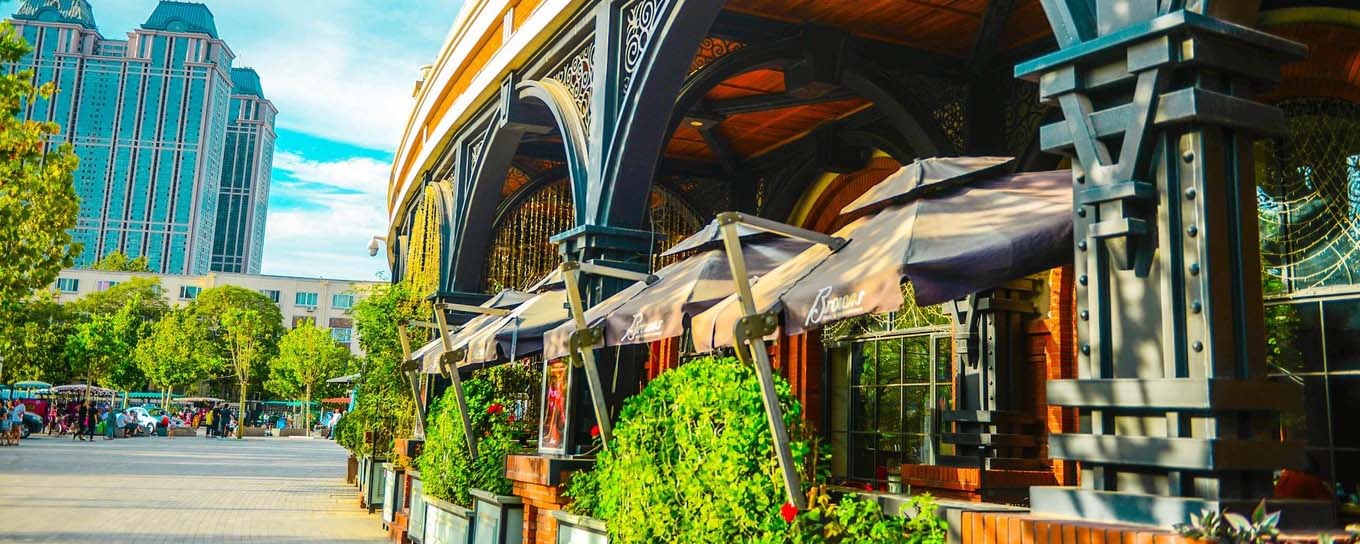
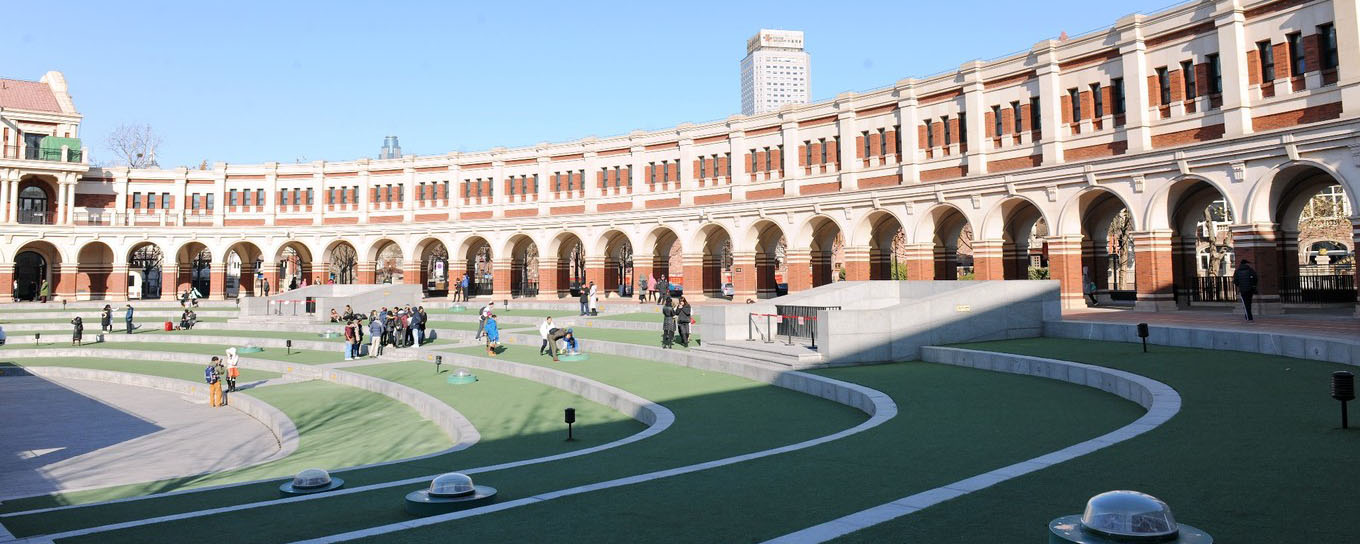
The Five Avenue Area is a rectangular region located in the Heping district. The area refers to the east of Xikang Road, north of Machang Street, south of Chengdu Street, north of Machang Street, Nanjing Road and west of Machang Street. The Five Great Avenue area has a total of 22 roads and they stretch for 17 kilometers. In addition to European style architecture in this region, there is a residential area which was occupied by the first small group of foreigners who opened up concessions right next to the office area, around the former Italian concession in the east of Marco Polo Plaza and near Jiefang Road. In the 20th century, this area was popular amongst wealthy individuals, political figures, businessmen and dignitaries because of its safety, convenience in terms of duty-free customs and transport leading to the rapid development of the Five Avenue Area to be an affluent area. There are approximately 41 Italian style, 89 British style, 4 in German style, 6 French style and 3 Spanish style buildings
Things to see and do on a visit
Munan Avenue (Mu Nan Dao)
Stretching 2.08 kilometers long, Munan Avenue has 22 residences of former celebrities and 74 other buildings. On No. 2 is the former residence of Shun Dianying constructed in 1930.
Machang Avenue (Ma Chang Dao)
This is the oldest, widest and longest road among Five Great Avenues. The Building located on No. 121 in the Avenue used to be the former residence of the British Overseas Scholar, Da Wenshi. This residence is a typical Spanish Villa.
There is also a Beijiang Museum which is one of the earliest museums in China built in 1922 adopting the Roman architectural style. The Tianjin Institute of Commerce and Industry, currently named Tianjin Foreign Studies University is also on this avenue and was constructed in 1921 using the French Romanesque architectural style.
Chengdu Avenue
The avenue occupies 24 meters and is the widest amongst the other avenues in the Five Great Avenues. No. 14 is a cubism villa incorporating sculptures and lines. On No. 93 is a British style building and on No. 60 is occupied by a modern yet simple building.
Dali Avenue (Da Li Dao)
On Dali Avenue are the former residences of Cai Chengxun with the No.3 Building being the main building taking a French Romanesque appearance adopting the use of Chinese wood carvings for its interior decoration. On No.5 the building is a typical Chinese courtyard decorated using wood, sliding paper doors, stones and bricks.
Chongqing Avenue
This Avenue houses building with both western and Chinese architecture. On No. 55 the building is a mansion with a western-styled outer eave and a Chinese patio. The East of the courtyard is home to a Chinese style garden with stone caves, rockeries and hexagonal pavilions.
Changde Avenue
This is the shortest avenue at the Five Great Avenues with a length of 1,219 meters. The avenue has numerous western-style villas.
Horse-drawn, bikes and Rickshaws
Horse-drawn carts are the best ways to get visitors who wish to explore the area. The rides give an introduction to exotic architecture and take visitors back in time at the former residences.
Jing Garden
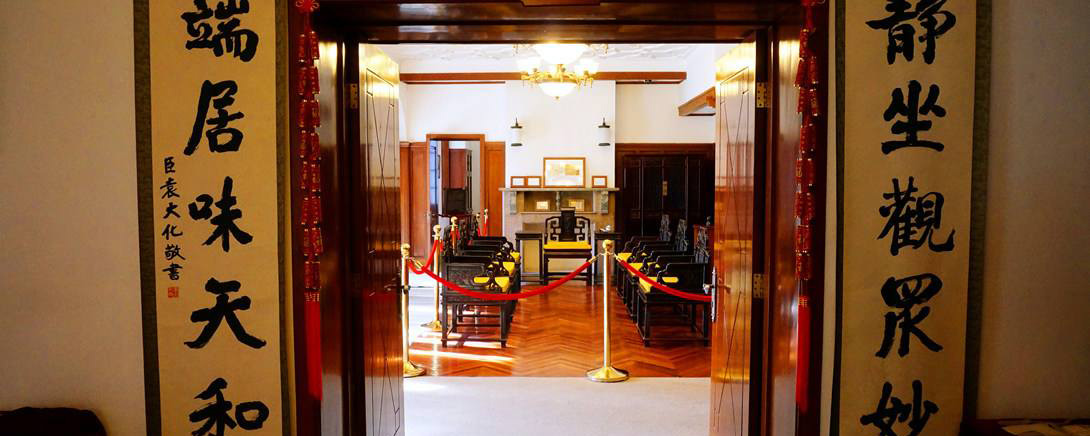
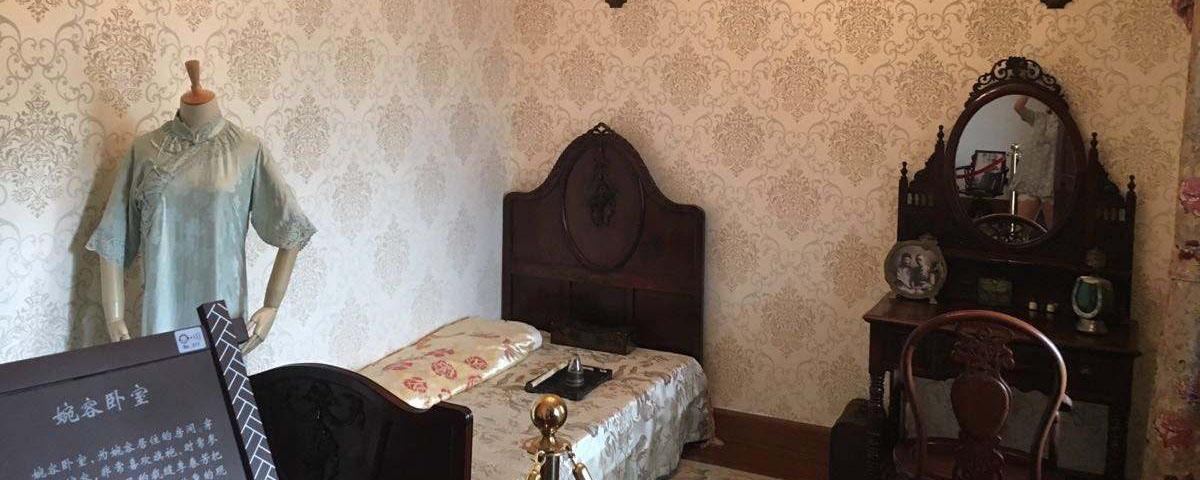
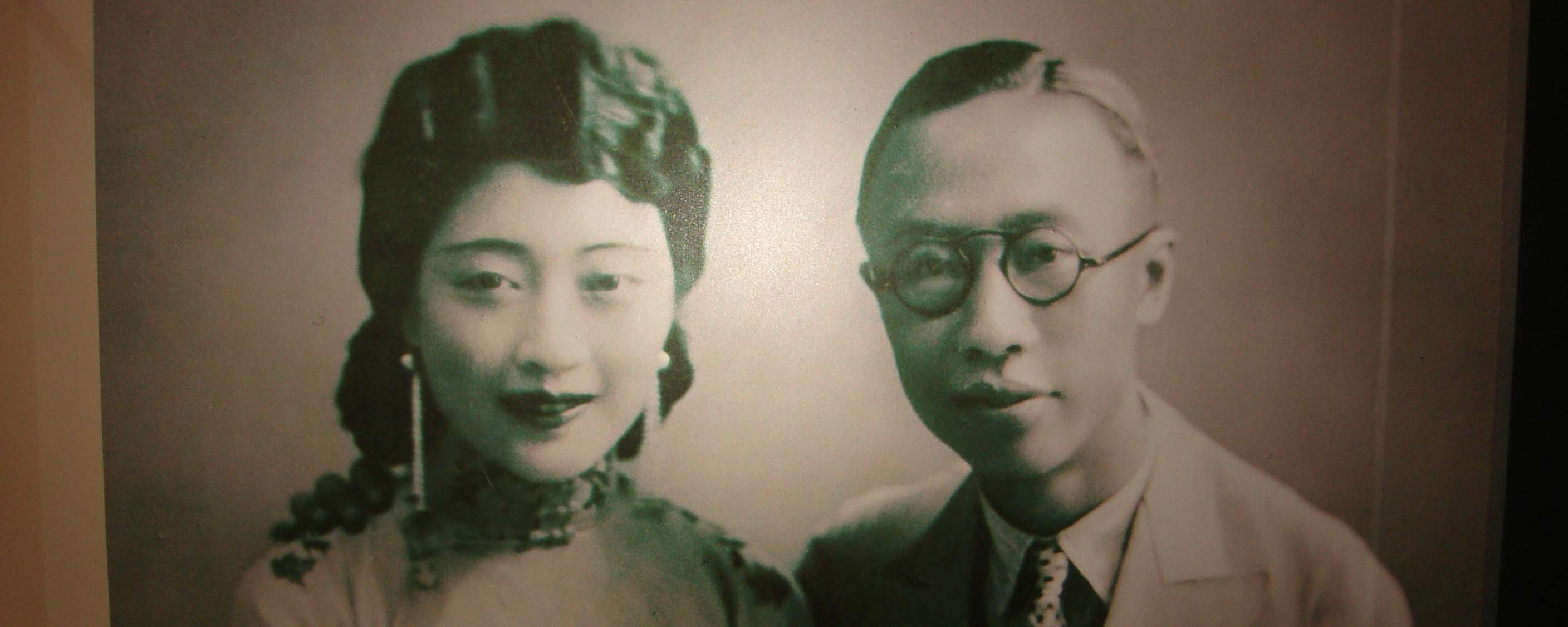
Jing Garden
Introduction
The Jing Garden is also known as the Garden of Serenity and it was built in 1921 with the original name of Qianyuan Manor. The garden occupies an area of 3360 square meters and was initially a private residence belonging to the minister counselor to Japan appointed by the Northern Warlords’ Government known as Lu Zongyu. In July 1929, Puyi who was the last emperor of the Qing Dynasty moved to the garden with his empress, Wan Rong and Wen Xiu, his concubine after which he renamed the garden to the Garden of Serenity (Jing Garden). In Chinese the word Jing translates to stillness in English and it is believed that the emperor tried to strengthen himself with the noble spirit by residing in a peaceful environment.
Things to see and do on a visit
Jingyuan Garden blends different architecture designs together such as the Spanish and the Japanese. For instance, the structure and material of its gates are of Japanese descent while the low pitched roof and detailed decoration are of Spanish descent. Jingyuan Garden is further divided into three sets of courtyards, the front yard, the side yard and the back yard. The main building is a Spanish style brick structure with the first floor having a dining room, living room, guest room and a kitchen. The second floor has the bedrooms, a chamber and a library. The external walls and balconies have projecting brims that were used make the rooms of the house bigger. The front of the house is occupied by pagoda trees, poplars and cloves. Visitors can see paper materials and photos displaying the political and daily life of the last emperor, Pu Yi.
Porcelain House
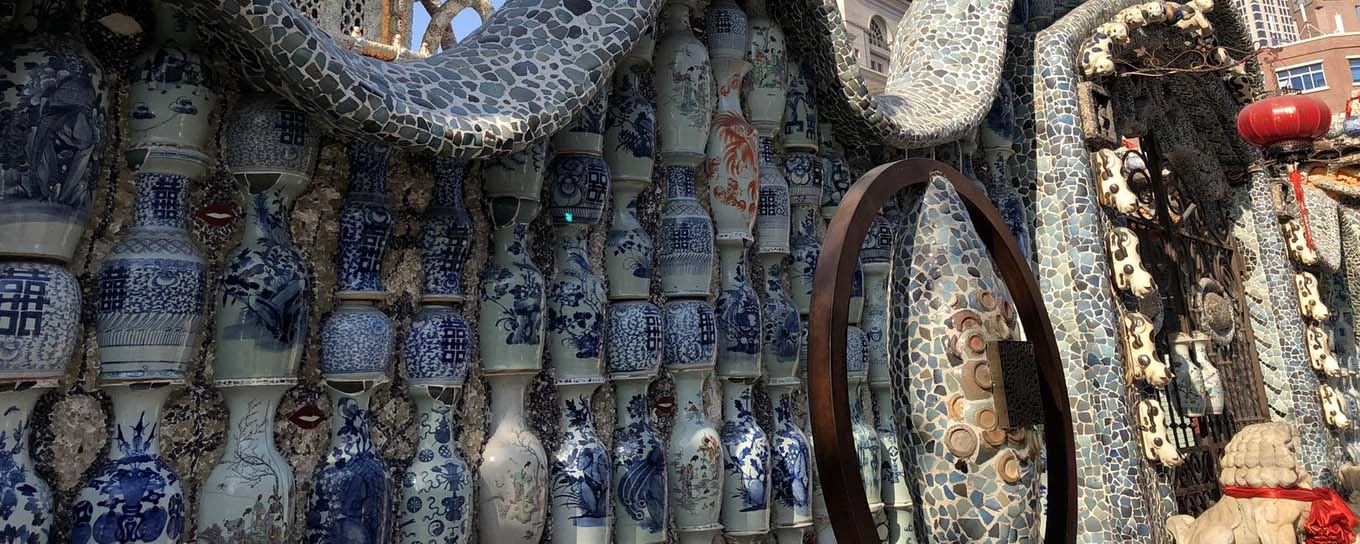
Porcelain House (China House)
Introduction
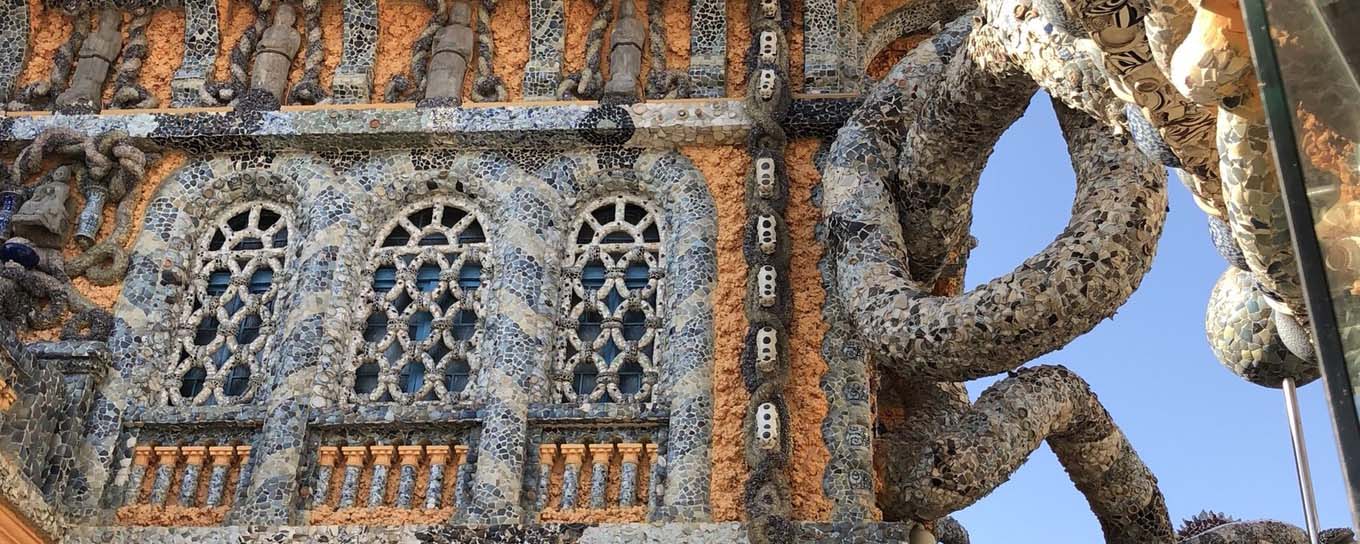
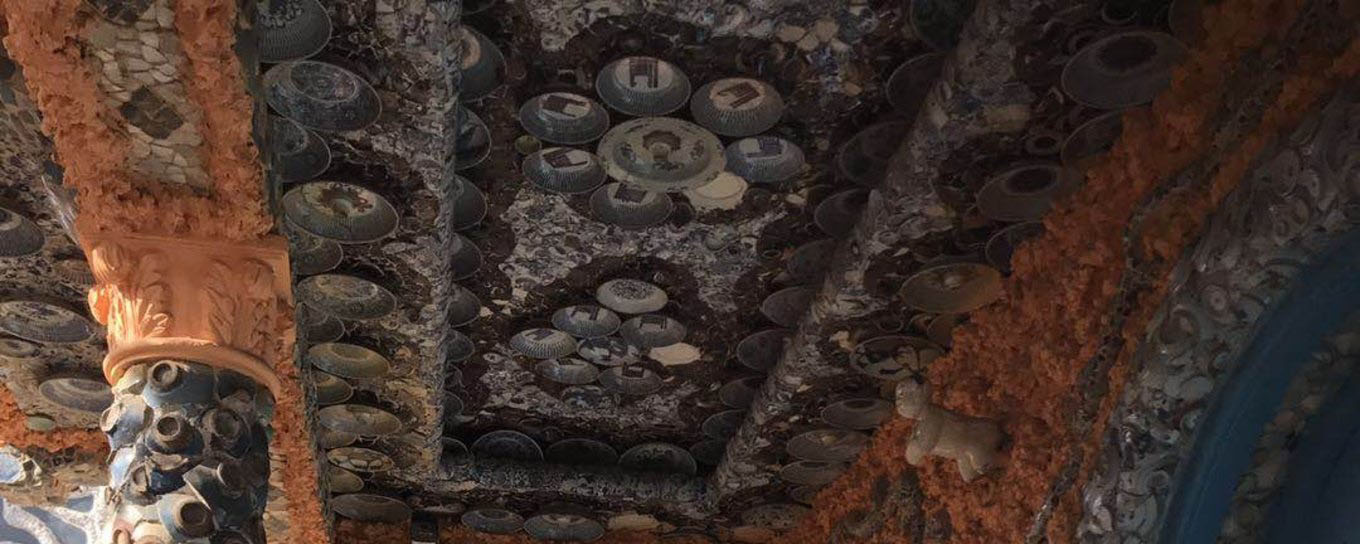
The Porcelain House is situated on Chifeng Road in Heping District at the old French Concession. It was first constructed in the 1920’s covering an area of 4,200 square meters. The building is constructed using the French architectural style embellished by porcelain. It is colorful and its doors, handrails, windows, roofs, ceilings, eaves and pillars are all decorated in chinawares. The building’s architectural design originates from France with an Italian interior style corridor. The house was inhabited by a contemporary Chinese diplomat Huang Rongliang and in September 2002 it was bought for a whopping price of 30 million yuan by Zhang Lianzhi who was a successful businessman, artist and collector. He spent over 20 years collecting the materials he needed and another five years to finish decorating.
After which he converted the house into a porcelain building to spread chinaware culture opening it to the public on September 3rd in 2007 and ever since then it has become a landmark in Tianjin. On September 23rd in 2010 the house was mentioned as one of fifteen other museums with distinctive designs by the US Huffington Post in the league of the Denver Art Museum in Colorado and the Louvre Museum in France.
Things to see and do on a visit
Porcelain Decorations
Visitors can see how the house has been decorated with up to 700 million porcelain pieces, 400 white marble sculptures, 4,000 ancient china vases and 40 tons of crystal and agate. The porcelain pieces originated from different historical periods. For instance, the tri-colored glazed pottery is from the Tang Dynasty, celadon from the Jin Dynasty (265-420), the blue and white china in the Yuan and Ming Dynasty, Jun china and Longquan celadon in the Song Dynasty and the rose china in the Qing Dynasty. All the decorations are cemented and glued and have even become part of the building. These decorations costed up to 2 billion Chinese Yuan. The house’s outside drainpipes are also embellished in cat shaped porcelain pillows and crystals.
The internal courtyard wall is covered with at least 3,000 porcelain vases and is referred to as the Wall of Wellness decorated with over 600 ancient Chinese porcelain vases. While the exterior wall is covered with four China dragons representing the power of ancient China. Every dragon measures at least 200 meters in length and is created from a sequence of thousands of porcelain pieces.
The house still maintains hundreds of precious furniture from the Ming and Qing Dynasty with up to 200 calligraphies and paintings some from abroad and others produced locally including masterpieces of great Chinese great masters like Qi Baishi, Zhang Xuan and Xu Beihong. On the other hand, works of foreign masters Picasso and masters Van Gogh can also be seen by visitors.
The roof of the building is covered in a gigantic dragon adorned by chinaware of a length of 768 meters and a width of 0.8 meters.
Learn traditions
Visitors can also see the rich essence of Chinese culture blended in traditional elements in the house. For instance, the use of white marble sculptures and rock images represent good luck and opportunities, the decoration of outside walls with vases symbolizes safety and peace and the decorations by Phoenixes and dragons represents prosperity and auspice.
Tianjin Eye
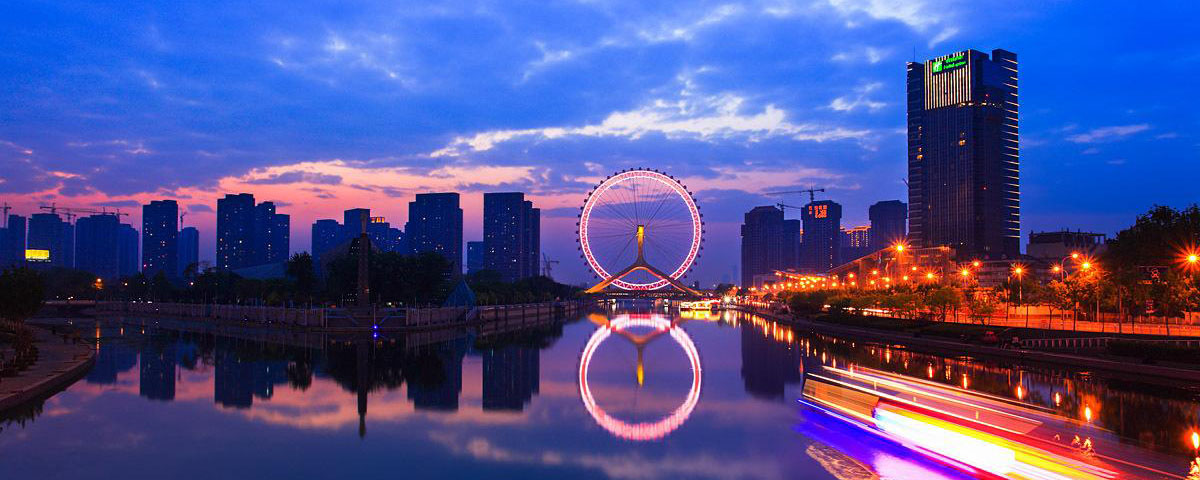
Tianjin Eye
Introduction
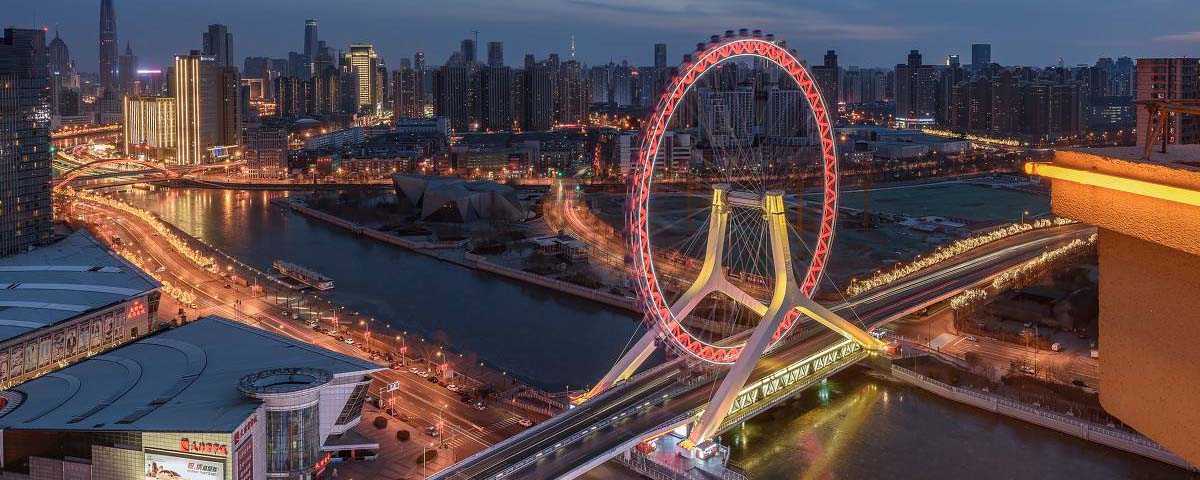
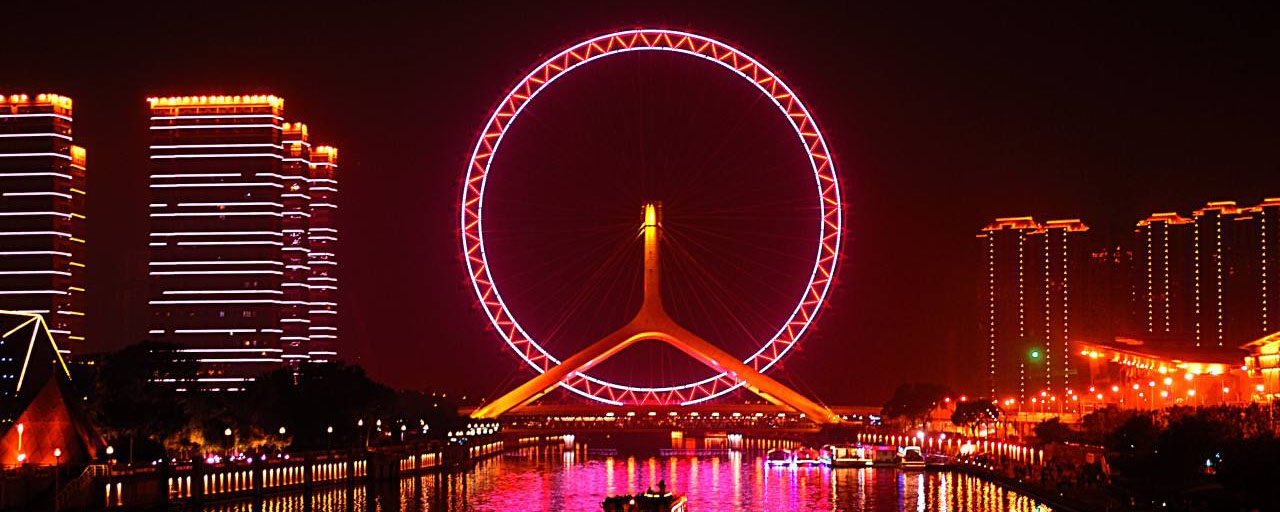
The Tianjin Eye is also referred to as the Tientsin Eye but its full name is Yongle Bridge Tianjin Eye because it is built over Hai River. The Tianjin Eye is a Ferris wheel standing at a height of 120 meters and it has a diameter of 110 meters. The wheel is supported by tri pronged struts attached to Yongle Bridge beneath the wheel. The Ferris wheel looks like an eye when seen from afar and that is how it got its name the Tianjin Eye.
Its construction was completed on April 2008 and it was opened to the public on 16th April 2009. The ferris wheel takes around 20 to 40 minutes to make one complete rotation depending on the capacity of passengers and the weather conditions. The ferris wheel has a total of 64 air-conditioned passenger capsules with each capsule covering 12 square meters having a capacity of 8 passengers.
Things to see and do on a visit
Ferris wheel ride
Visitors can ride on the electrically powered ferris wheel to enjoy the scenery of Tianjin especially at its highest point which is equivalent to standing on the 35th floor of a building at a height of 120 meters. Visitors can appreciate the scenery up to a distance of 40 kilometers.
Jingang Bridge
Another way to appreciate the beauty of the eye is from afar on Jingang Bridge which is situated about 800 meters to the south of the Eye. Standing on the bridge, the Eye appetite to be very distinctive surrounded by beautiful buildings on the bank of Hai River. At night, the eye and the area on Hai River become illuminated under neon lights forming a magical and beautiful scene that visitors enjoy to spend time in the vicinity.
Ancient Cultural Street
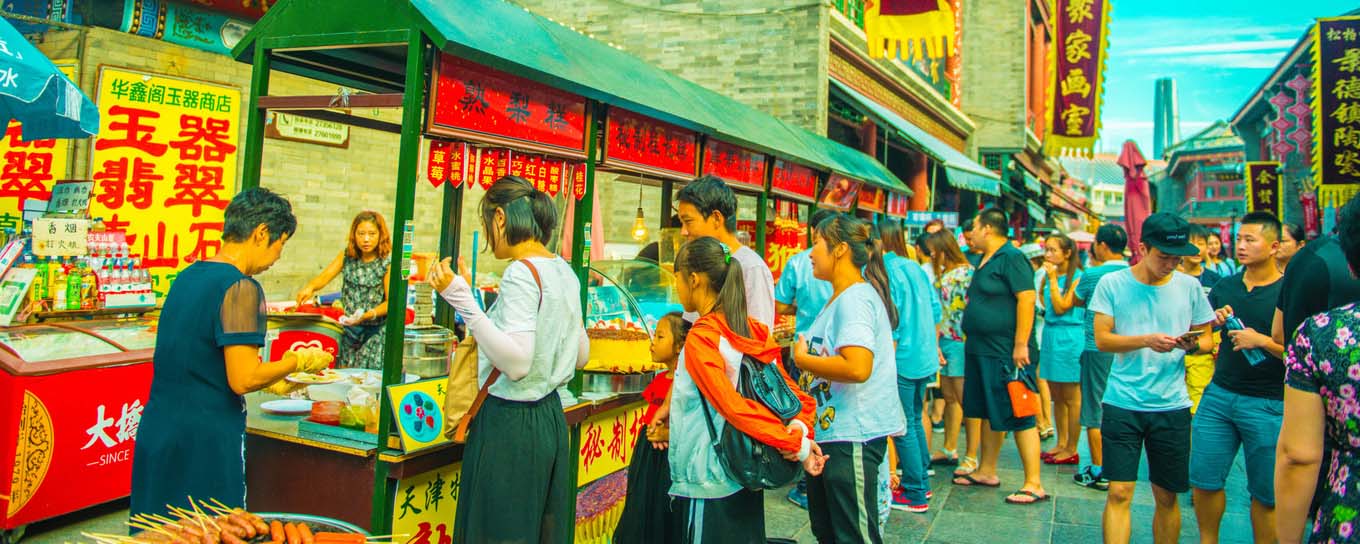
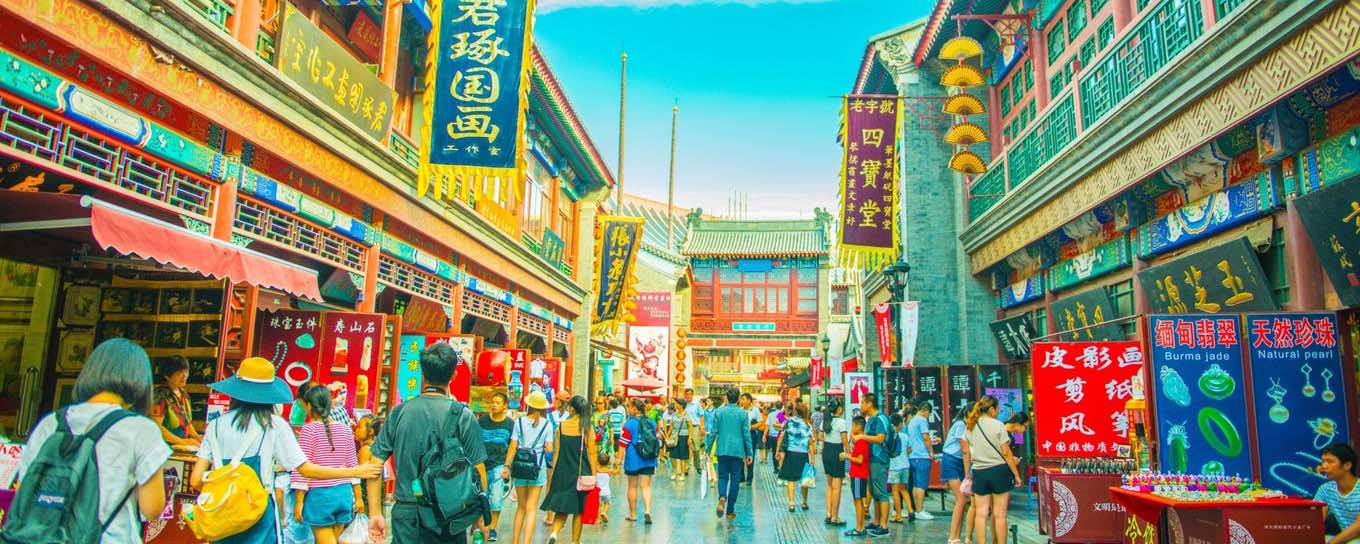
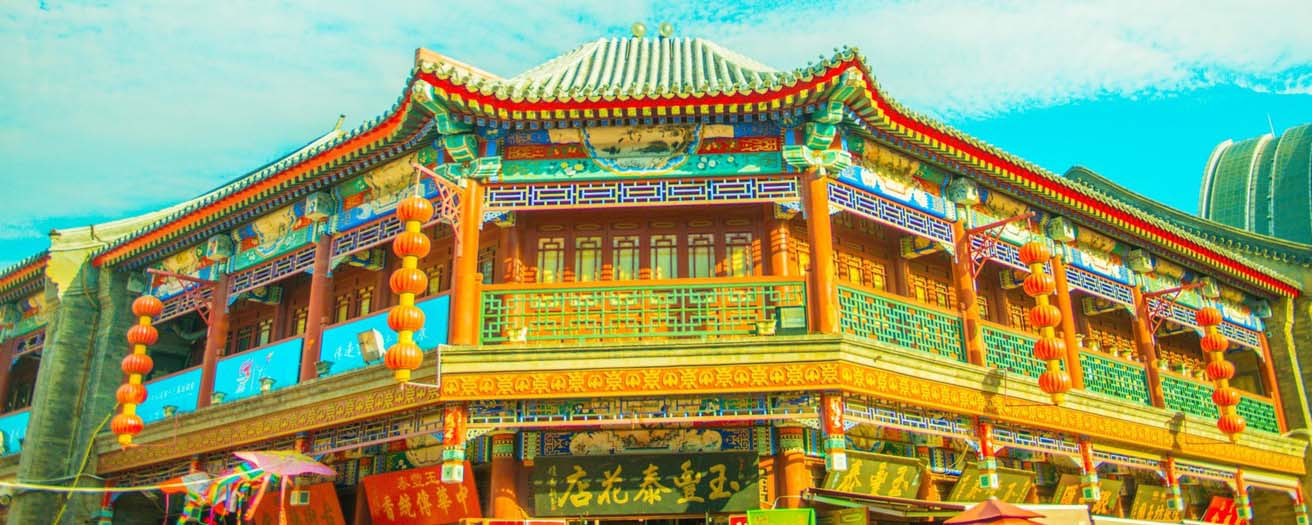
Ancient Cultural Street
Introduction
The Ancient Cultural Street is located in the Nankai District of Tianjin Municipality and was initially opened in 1986. It is on the west bank of Haihe River with the Temple of the Queen of Heaven also known as Tianhou Palace on its geographical center. The Ancient Cultural Street begins from Gongbei Avenue towards the north and ends at Gongnan Avenue towards the south stretching 687 meters long with a width of 5 meters. The street is a national 5A class touring site and was originally a business street but tourists swam in the area attracted by its unique architectural styles, classic cultural features, folk crafts and tasty local snacks making it a major tourist spot.
Things to see and do on a visit
Ancient architecture
The Ancient Culture Street occupies a total area of 2.2 million square meters full of ancient buildings in every corner. All the buildings in the street are painted with green walls and have red pillars decorated with various forms of sliding paper doors, railings, windows, roof wing angles coupled with lanterns, plaque, banners and couplets. Many buildings at the street are also built with blue bricks and their windows and doors with very colorful paintings decorating them. The paintings vary from stories of legends, flowers, birds and historical figures. Some of the paintings clearly take visitors back in time with their descriptive nature like the Dream of a Red Mansion (one the four most classic novels in China) and Song of Eternal Sorrow; a story about Empress Yang Kwei Fei in the Tang Dynasty (618-907). These paintings are up to 1500 pieces of in addition to carvings that add a classical hint into the street.
Yuhuang Pavilion
The oldest structure on the street is the Yuhuang Pavilion that was constructed during the Ming Dynasty (1368-1644). From the top most floor of the of the two floor pavilion, visitors can get a bird's eye view of the whole street.
Tong Qingli
Tong Qingli is also another ancient building in the street that used to be a residential house that is situated at the eastern side of the street. It was built in 1913 as the largest architectural edifice that combines both eastern and western architectural elements.
Tianhou Palace
The Tianhou Palace is located in the middle section of Ancient Culture Street paying tribute to the Goddess of the sea. The temple was constructed in 1326 AD to defend the heavenly Goddess and with the aim of protecting Tianjin's mariners and the complete ocean population. The main building of the palace is the Main Hall constructed on a high and large pedestal made from wood just like the buildings from the mid and late Ming Dynasty (1368-1644). The palace is one of the three other major Tianhou palaces in China and one of the oldest extant Tianhou palaces.
Yuhuangge Taoist Temple
The Yuhuangge Taoist Temple was once the most famous building in the Hai River Triple Junction. It is the largest Taoist Temple with more than 600 years of history.
Temple of the Queen of Heaven
Located at the center of the Ancient Cultural Street is the Temple of the Queen of Heaven that was constructed in 1326 as one of three other Mazu Temples in the world (the other two are Beigang Chaotian Temple on Taiwan Island and Fujian Mazu Temple). This Temple is now the Folk custom Museum of Tianjin and displays many cultural relics and folk crafts.
Antiques
The Ancient Street generally specializes in different categories of goods; There are antiques, furniture, relics, old books, jewelry and paintings. There are also folk traditional commodities like Yangliuqing New Year Paintings worth 300 years of history, Zhang’s colorful clay figurines, Liu’s engraved bricks, Suzhou’s embroidery, Wei’s Kite and Jingdezhen’s porcelains.
Shop
There are uncountable shops on the street selling the most genuine and affordable merchandise. some sell stationery materials such as papers, calligraphy pens and paper, ink slabs, writing brushes, painting brushes and ink sticks.
There are calligraphy and painting brushes of Four Treasures and Spring Church, cultural antiques of Sui Man Chai and cloisonne, jade carvings, double-sided embroidery and art ceramics. Furthermore, there are both western and Chinese music instruments.
For visitors interested in handmade crafts, there are dozens of famous artists and craftsmen selling their products at the Niren Zhang Painted Sculptures store and the Yang Liuqing New Year Paintings. Visitors can also shop for souvenirs at Chinese curios selling cloisonné, jade items and potteries.
Eat
At the street visitors can taste local snacks such as roasted sweet potatoes, different desserts, pastry, Erduoyan (the Ear hole cake) Fried Glutinous Cakes, candied gourd, Goubuli Steamed Dumplings and tea soup made by a big teapot.
Huanghui Fai
Visitors who happen to visit the Ancient Cultural Street on March 23rd of every lunar calendar can experience the Huanghui Fair set to display Chinese folk customs such as lion dances, stilt walking, land boat and dragon lantern.
Leisure
In front of Tianhou Palace visitors can see locally produced drama shows and live performances for free in an open air theater.
Italian Style Street
Italian Style Street
Introduction
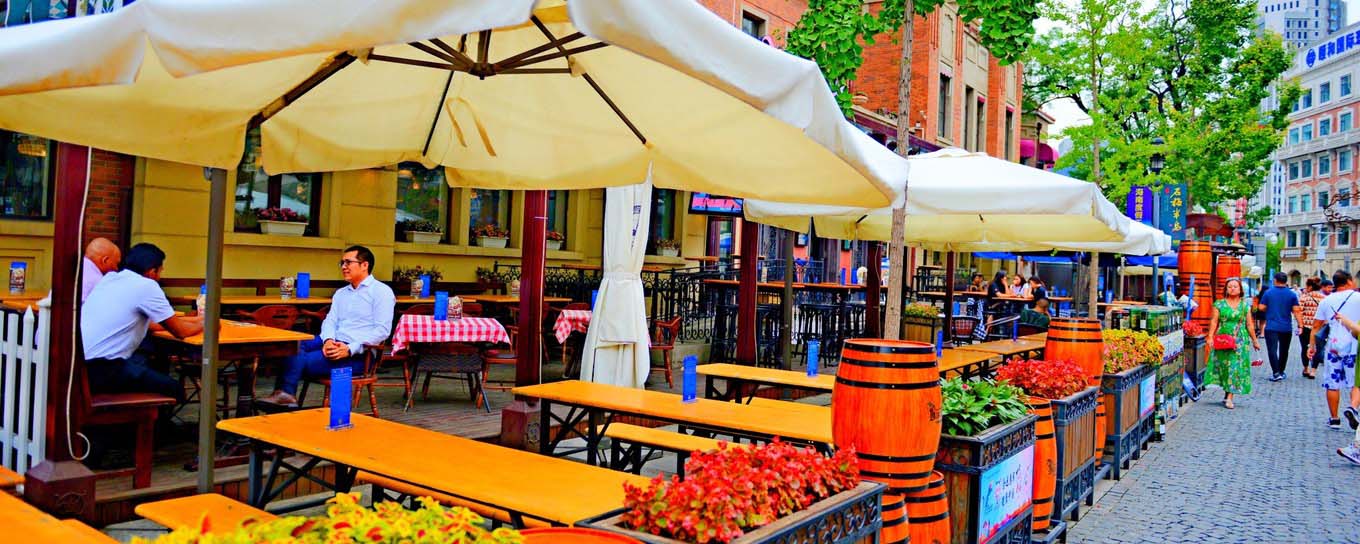
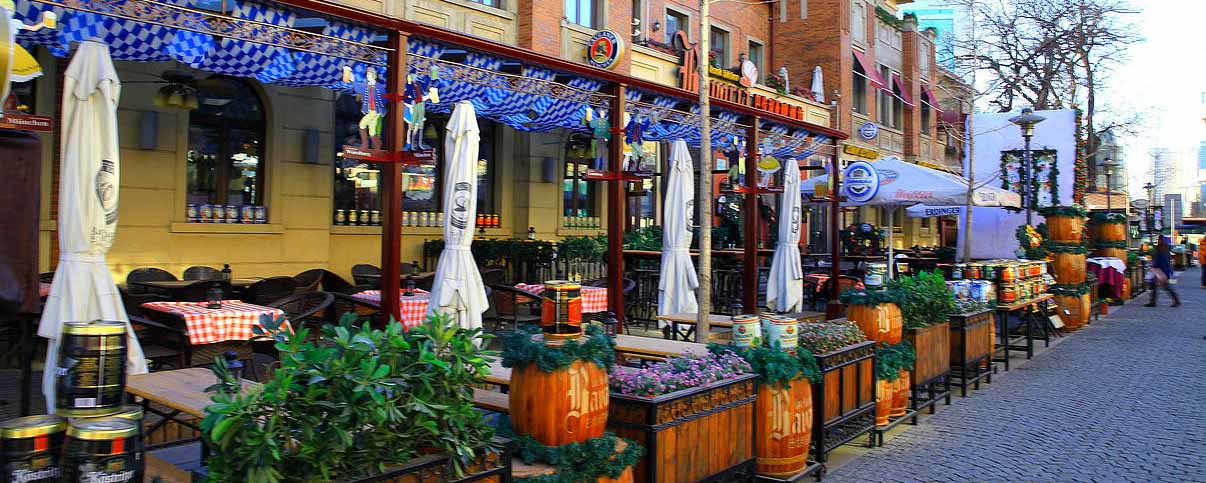
Located on Marco Polo Square the street is one of the eight concessions built in Tianjin in the early 20th century. The concession lasted between 1901-1947. In June 7, 1902, Mr. Tong Zhaoyi with Tianjin Customs and a new Italian Minister signed the "Articles of Tianjin Italian National Concession Contract" scoped to be the Italian Concession area in Tianjin. In 1946 the construction of the Italian concession resumed by the local government. In 2002 the Tianjin Municipal Government and the Tianjin Haihe Construction Development company set up protective development to the original concession area and gave its current name which is the "Italian Style Street". In 2005, renovations of the street were completed and it was opened to the public in 2008.
The location of the street is between where the Tianjin Russia Concession and Tianjin Australia Concession. This street is a tourist resort with what used to be known as the only concession outside of Italy. The street is formed by major streets in Tianjin including Boai road, Wujing road, Jianguo road and Shenguo road in addition to a few other streets carrying over 200 years old Italian buildings. The design of the street looks like a chess board with both sides of the street lined with street lights and green trees in conjunction with very well preserved fences.
Major attractions and activities to do on a visit
Former residences
The town offers a plethora of activities ranging from westernized restaurants, bars, boutique shops, and outdoor bazaars. Visitors can also see the renowned Marco Polo Square and former residences of Chinese celebrities like Cao Yu, the president of the warlord era, Liang Qichao, Feng Guofan, Hua Shikui and the Italian military camp.
Eat
The street is also the only place where tourists get to taste the most original Italian Pizza, Pasta, noodles and a collection of many other Italian snacks. In addition to this, there are also French and German restaurants transporting visitors all the way to Europe. While dining, visitors can also enjoy live Italian performances.
Shop
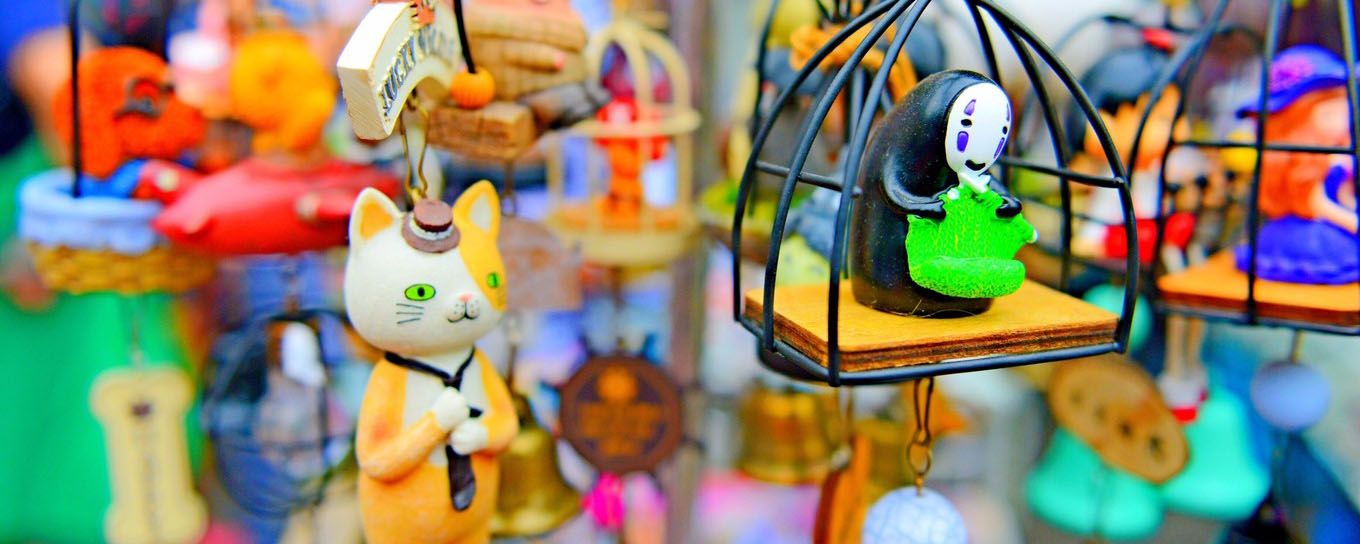
This street wouldn’t be complete without selling authentic Italian handicrafts and clothes where visitors can buy souvenirs among a collection of other goodies. At night the buildings get lit up and the shops become lively adding even more flavor to the area with a 24 hour economy of bars, coffee shops and restaurants.
Century Clock
Century Clock
Introduction
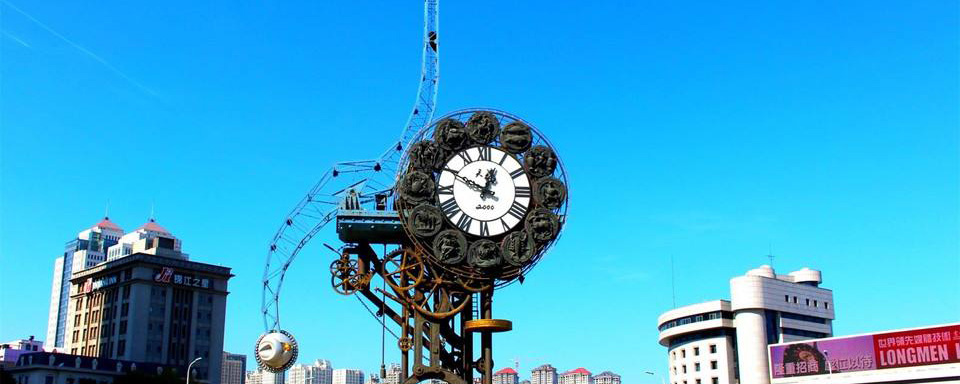
Tianjin Century Clock located on the Jiefang bridge in front of the Tianjin railway station. It built for welcoming the new century. At the beginning of Jan 1, 2001, the melodious sound was knocked. Since then, it becomes one of the symbols of Tianjin.
It is made of metals, with 40 meters high, 170 tons weigh, 14.6 meters for the clock diameter. It was divided into three parts, clock dial, swing frame and foundation support. The disk core and pointer hollow out, carving twelve constellation bronze embossments between the inner and outer ring of the clock. The dial is inlaid with the words "Tianjin" and "2000" in large letters. The heavy forging copper base is covered with large and small gears, chains and huge screws, simple and elegant, telling people that China's modern industry began here. On the large swing frame, carving a golden sun and silver moon on the two sides with the curve “S”, based on the shape of the division line of Tai Chi, it implies the alternations of Yin and Yang.
In the evening, the light will lit up and cast the golden atmophere on the clock, which make it so magnificent and grand.
 Home
Home


